Every serious wallet on Robinhood Chain is now an index fund.
Paste an address. We read what it actually holds, throw out the cash and the dust, and hand you a deployable ETF of the rest. Buy it in one signature.
Copy trading has always had the same flaw: you hand a stranger live control of your money and hope. Mirror doesn't do that. It takes a snapshot. The basket is fixed the moment it deploys.
Paste any Robinhood Chain address. We read every position, price it, check there's a pool deep enough to actually buy it, and hand back a basket of what's left.
Then it's yours. One transaction. You own it, not them.
A real wallet we tested: 152 positions. 74% of it sitting in a stablecoin. Nearly everything else worth under a dollar. We show you exactly what got thrown out and why: 1 stablecoin, dry powder, not a position · $40.85M. 149 worth too little to bother.
Then we tell you it's not diversifiable enough to copy. Some wallets aren't.
And we're scanning the chain for the ones that are.
Mirror walks the holder lists of the deepest tokens on Robinhood Chain, drops the contracts, the treasuries and the one-position gamblers, and ranks what's left by conviction, how much is on the table, times how many real bets it's spread across.
Top ten, live, computed in your browser.
Nothing is precomputed. There's no database, no backend, no list we curate. Press scan and you watch it read real holders off real tokens.
A basket can hold memes and tokenized stocks side by side.
$CASHCAT next to $NVDA. $HMM next to $TSLA. Same chain, same standard, one vault.
No fund manager alive will sell you that.
Build one and you own it.
https://t.co/ZyRxszwxaA
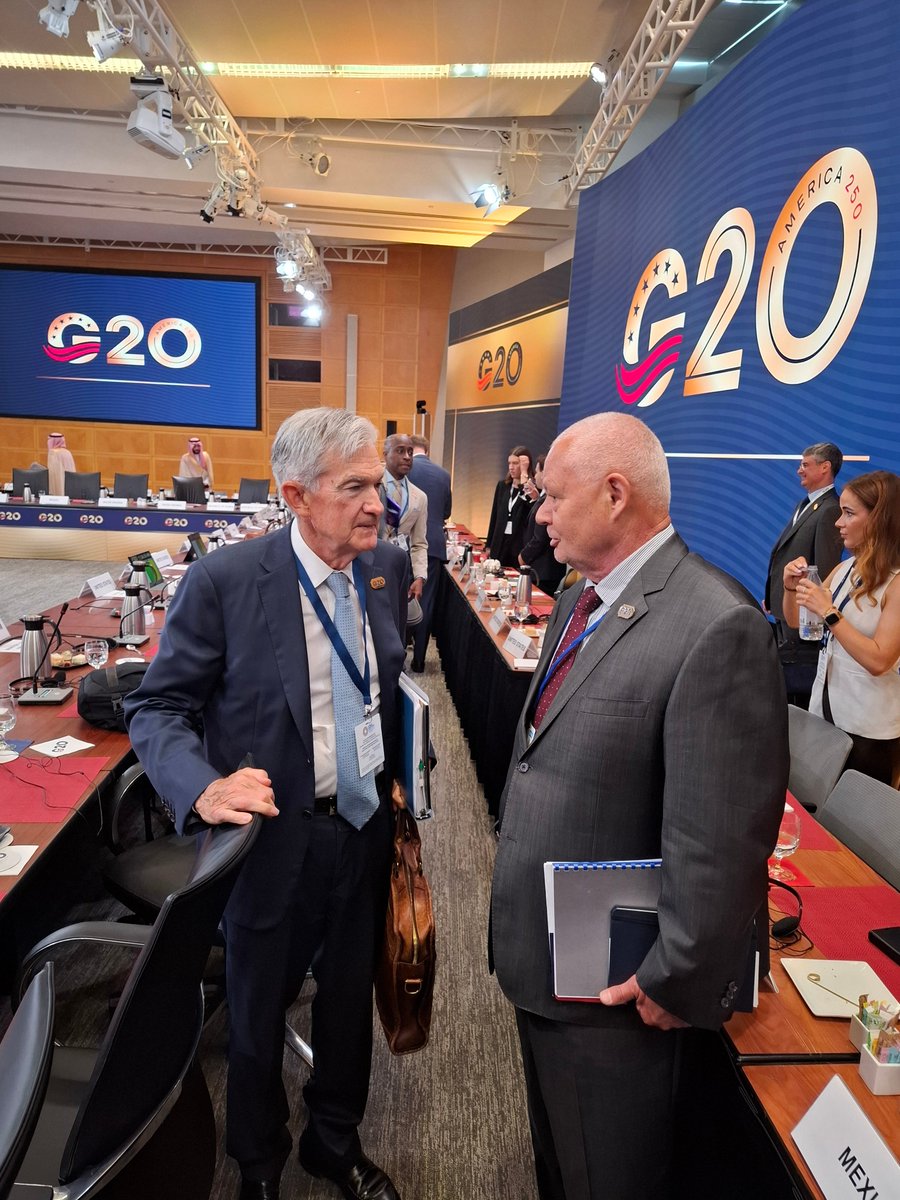
Prezes NBP prof. Adam Glapiński rozmawiał podczas spotkania G20 w Waszyngtonie https://t.co/D03ox9xSJp. z Jerome'em Powellem, przewodniczącym Rady Gubernatorów Systemu Rezerwy Federalnej (Fed).
$100 million of Treasuries doesn’t move the U.S. bond market. Everyone involved knows that. What it does move is perception. This wasn’t a trade designed to optimize returns or manage duration risk in any meaningful way. It was designed to be seen.
On paper, the explanation is clean and defensible..rising deficits, long term fiscal drift, a softer dollar, questions about sustainability. None of that is wrong. Those concerns have been building for years, and plenty of institutions quietly adjust exposure without saying a word.
What makes this different is the timing and the decision to go public.
Plausible Deniability And Deliberate Timing
Announcing a full exit right as tensions over Greenland escalate isn’t accidental. Saying “this isn’t political” while explicitly referencing Greenland as a factor that made the decision easier is classic signaling with cover. It allows the fund to frame the move as prudent risk management while still landing a very clear message.
This is how pressure gets applied in modern geopolitics..not with ultimatums, but with optics.
Why Europe Would Do This Now
Europe, and especially Denmark, doesn’t have many hard levers when a major ally starts applying coercive pressure. But one lever they do have is credibility as long term capital providers. European institutions collectively finance a huge portion of U.S. deficits. They don’t need to sell everything to make a point..they just need to show that selling is thinkable.
That’s what this does. It reminds Washington that allied capital isn’t unconditional, and that political behavior can bleed into financial trust.
The Quiet Tell Most People Miss
Notice what they didn’t do. They didn’t dump dollars. They didn’t move into gold or euros. They’re still staying liquid, still staying dollar based..just stepping away from the symbolic full faith and credit long dated exposure that carries political meaning.
My View
This isn’t a bond market event. It’s a diplomatic one, expressed through finance. The economics give it cover, but the message is the point..don’t assume allied balance sheets will always sit quietly underneath U.S. power plays.