LLM sparsity promises faster and cheaper inference, but current methods can’t cross 50% sparsity without performance collapse… until now.
Introducing CWIC, a trainable sparsity paradigm that beats SOTA methods, enabling 80% sparsity and 4x+ speedups on CPU. Here's how it works…
Following months of close collaboration across many framework and library authors, there is a poposal to add Signals to JavaScript!
https://t.co/xZyR1QzFmi
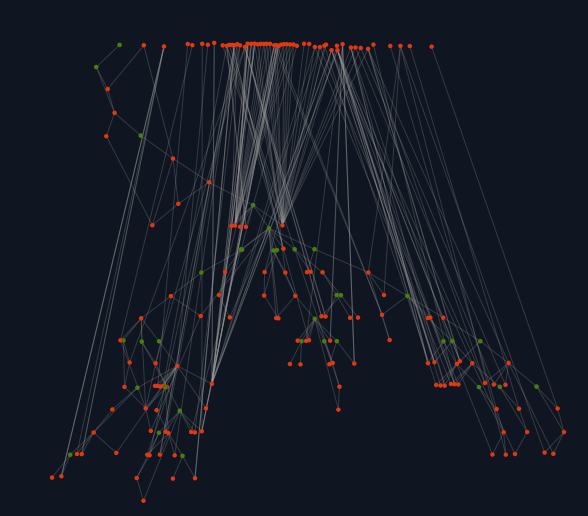
@pkozlowski_os @wiznastics @fireship_dev I tried writing an animated graph for an old version of the solid devtools. Using a DAG layout like the Sugiyama algorithm got too slow very quickly, so we tried switching to a force layout which produced some pretty funny graphs
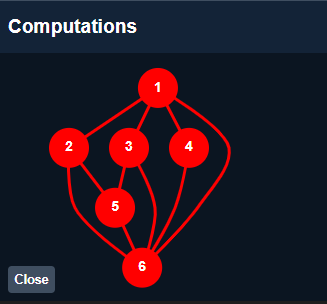
Once you realise that signal libraries create (and keep adjusting) a dependency graph in memory, you can start visualising those.
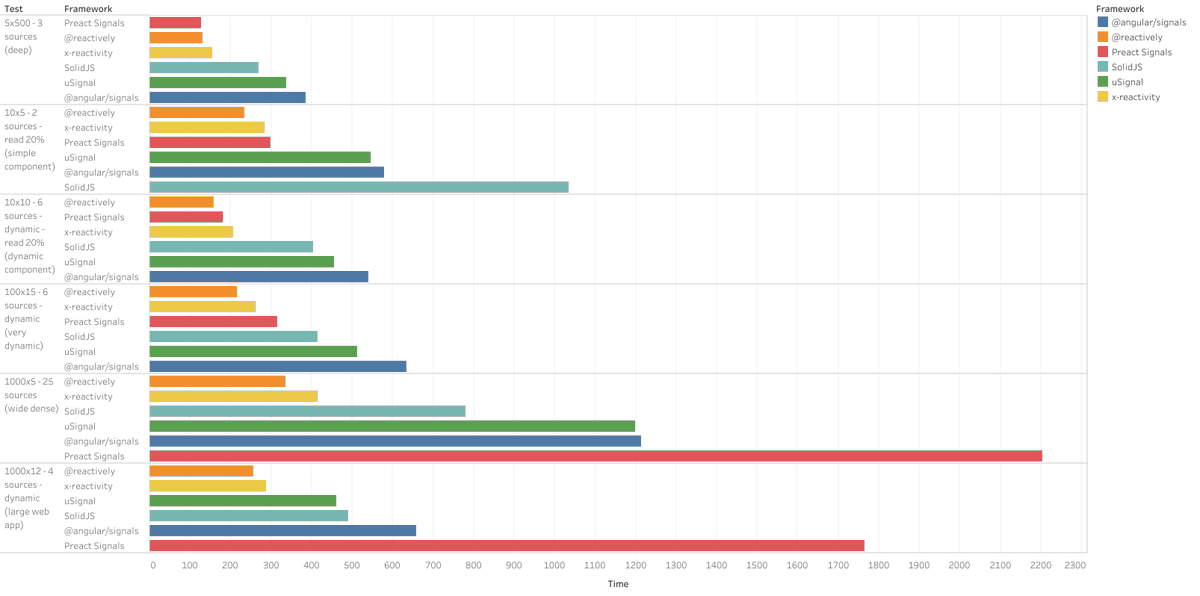
Here is a simple example of a graph used in the dynamic, " 10x5 - 2 sources - read 20% (simple component)" benchmark from @modderme123
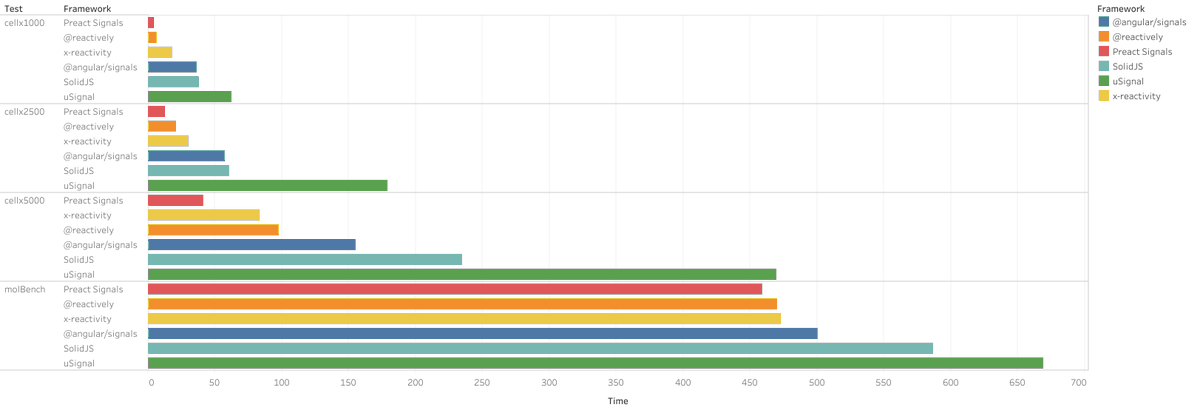
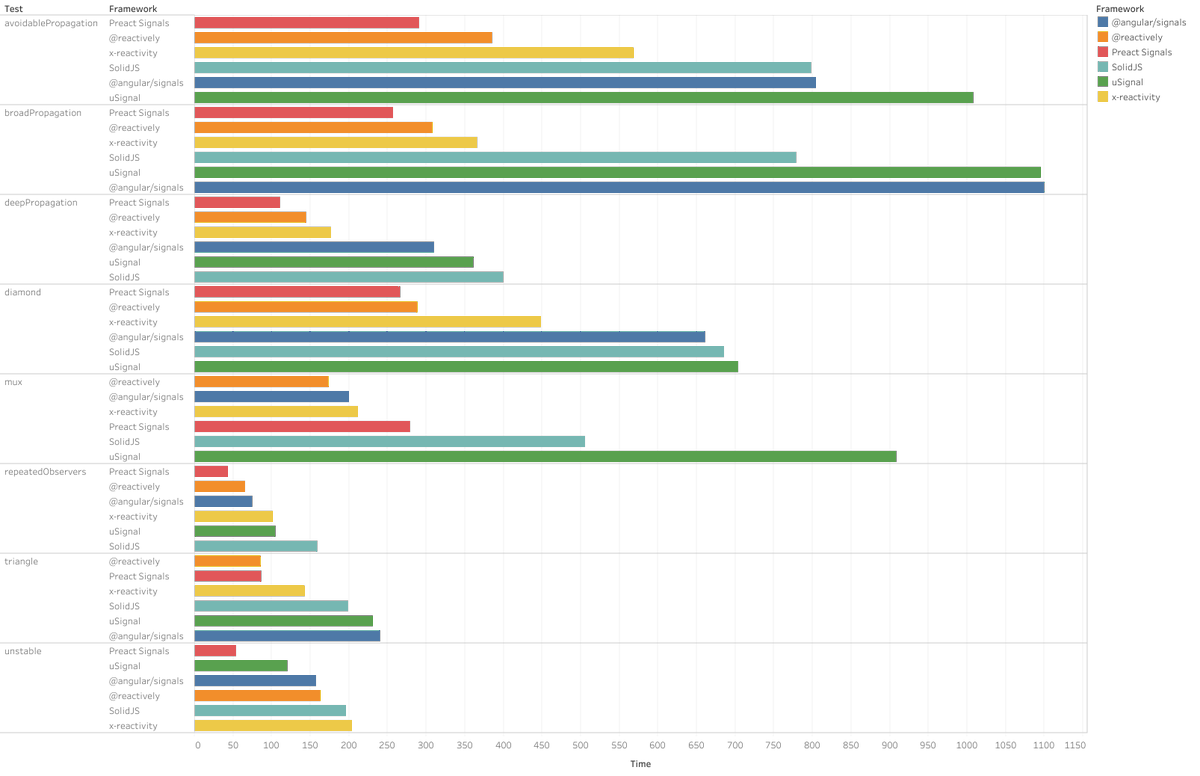
I've been putting together a new signals benchmark for JavaScript that combines existing benchmarks on a variety of frameworks including Angular, Solid, and Preact signals.
https://t.co/BdquilnJkR