Even on bail, Dr. Hak Ja Han cannot speak to her family.
In practice, she is prohibited from speaking to her family or almost anyone else.
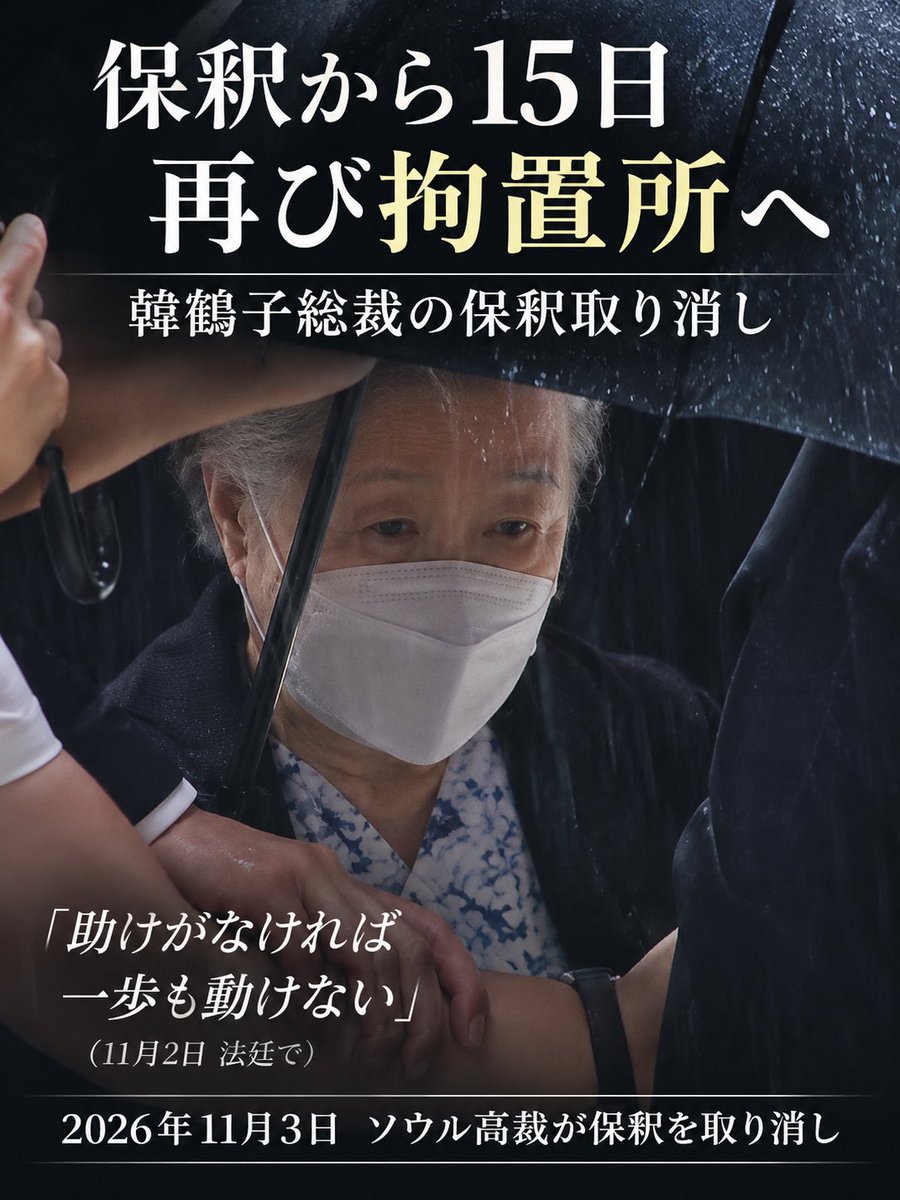
On October 19, the Seoul High Court granted bail to Dr. Hak Ja Han, the religious leader of the Unification Church, on health grounds. However, the conditions are stricter than those of her previous suspension of detention.
These conditions are quite unusual and fall into the strict category even in Korea.
• Residence is limited only to the hospital where she is being treated (she cannot return home).
• Contact is allowed only with medical staff, her lawyers, and mobility aides.
• Family is not included.
• Contact with anyone involved in the case is prohibited. Contact with essentially everyone else is also barred.
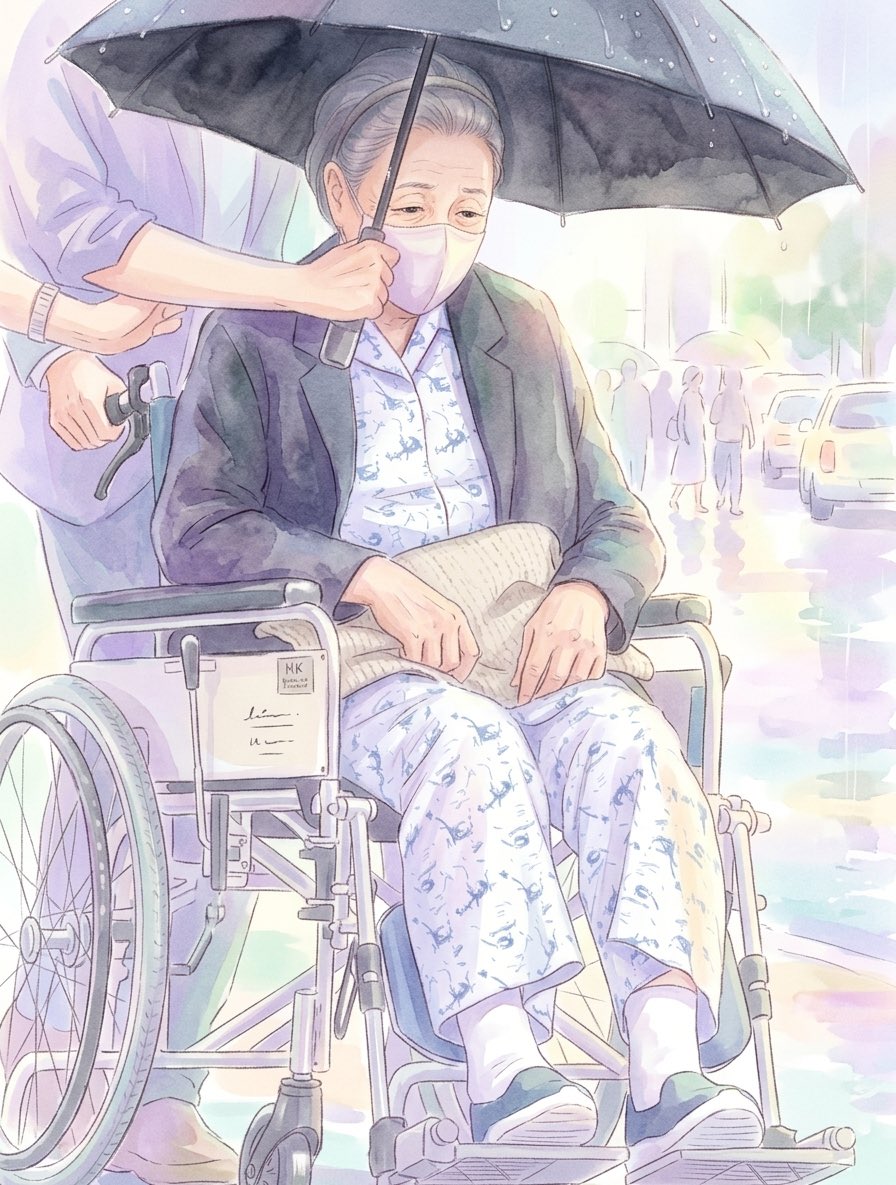
She is 83. She has heart conditions, vision impairment, surgery after falls in detention, and significant weight loss.
At the hearing she said she cannot take her medication alone and asked to receive treatment at home with her family’s help. The court rejected that request. She was granted bail, yet she still cannot see or speak to her family.
She is effectively alone. She has been enduring this isolation for a long time.
This is the reality right now.
It is critical that the world know this.
What happens to cemeteries under Japan’s religious corporation dissolution order?
🔹Current situation
The dissolution order against the Family Federation (Unification Church) was finalized in June this year. Liquidation had already begun in March.
There are nine related cemeteries nationwide, including Oze Cemetery, where about 1,524 people are interred.
🔹The liquidator’s current approach:
- Grave visits are allowed
- Burials and interments continue
- No memorial services or donations by the liquidating corporation
- Management is under review with local governments due to complex rights
No final decision has been made, and forced reinterment has not occurred.
🔹Possible future outcomes
- Transfer to another religious or public-interest corporation, or a local government
- Management by bereaved families’ groups
- Possible transfer or closure if long-term upkeep becomes difficult (remains and gravestones remain owned by the families)
There is little precedent, so the outcome remains unclear. Families worry about the resting places of their loved ones.
Liquidation began before the Supreme Court ruling, and restrictions on church facilities created practical obstacles for both worship and funerals.
The loss of corporate status is now affecting both the resting places of the deceased and how families can mourn.
Source: Liquidator’s official website