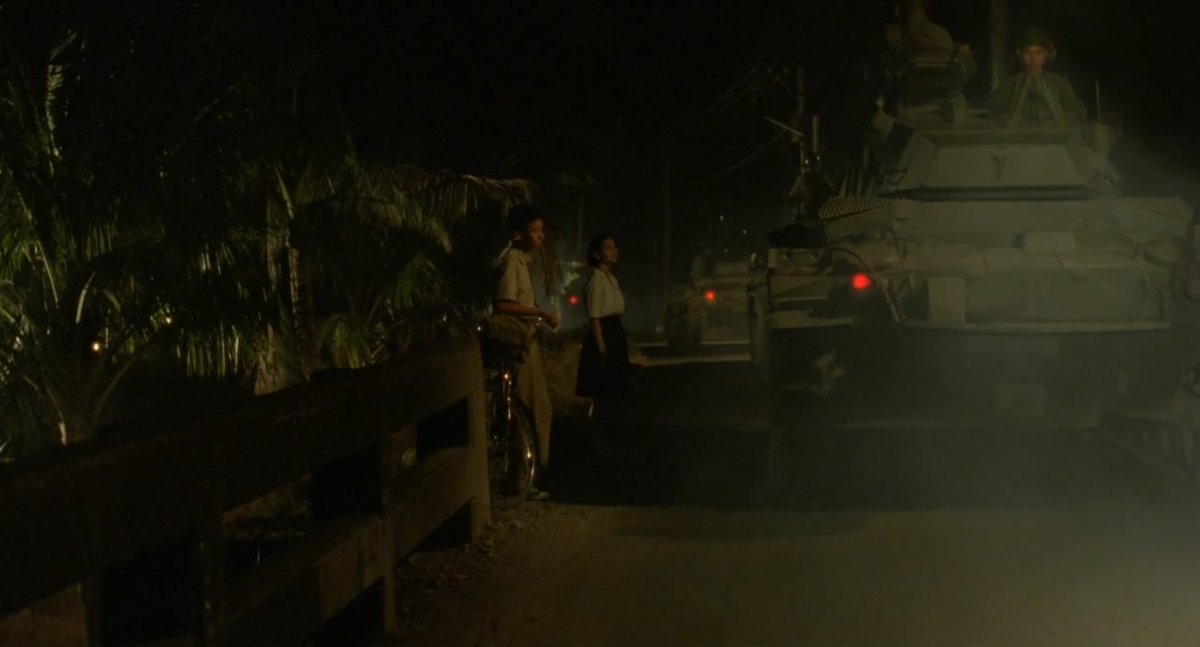
Masaki Kobayashi’s Black River (1957) and Edward Yang’s A Brighter Summer Day (1991) turn youth violence and love triangles into portraits of damaged postwar societies, where private jealousy reveals larger histories of occupation, displacement, and social breakdown.
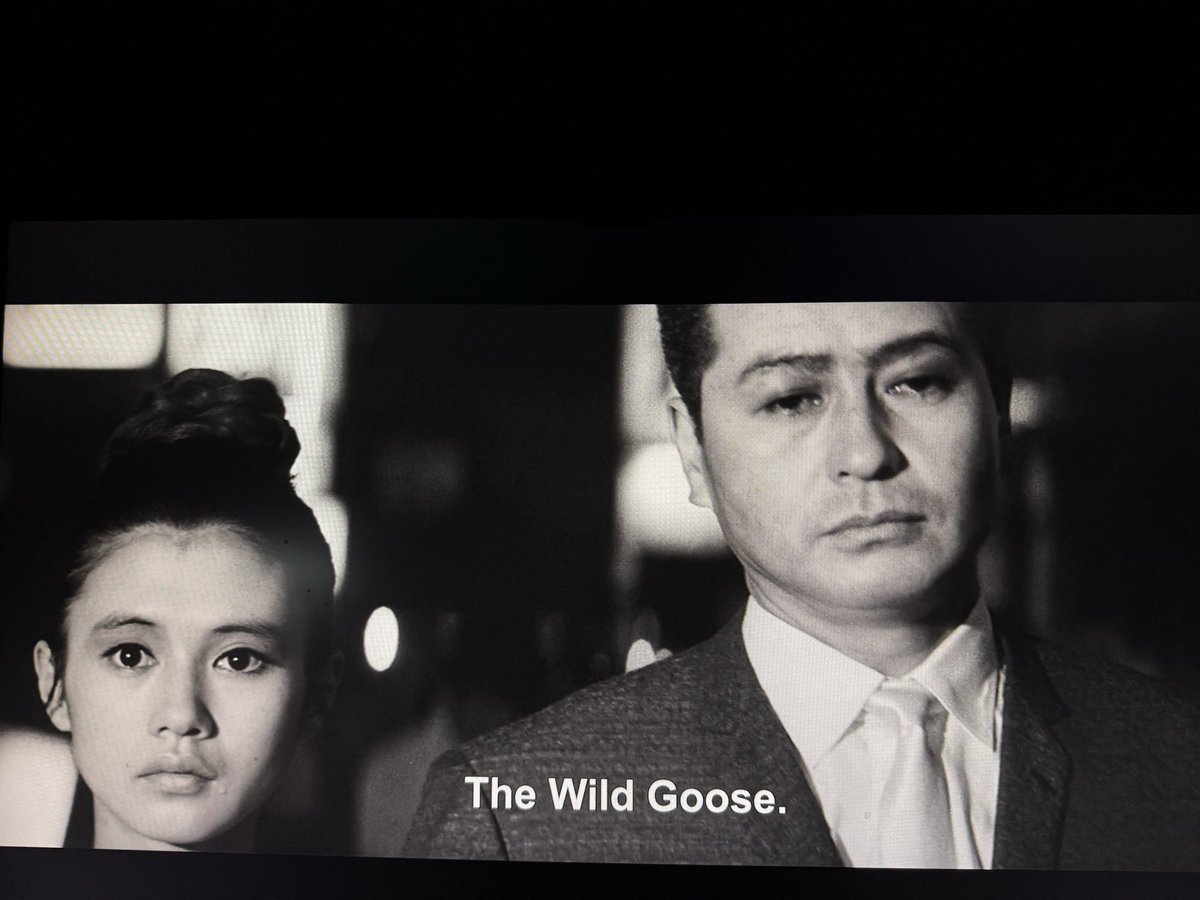
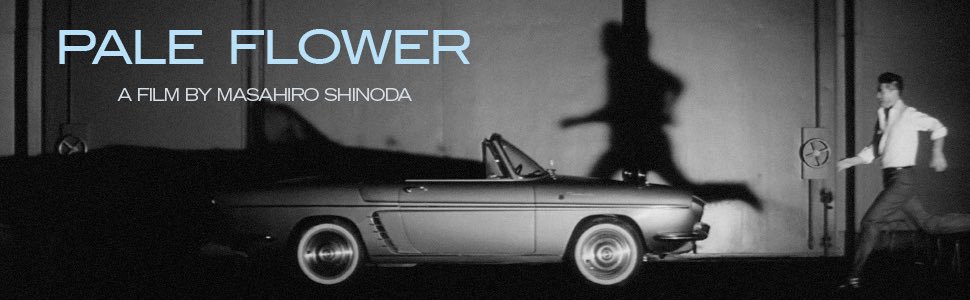
Masahiro Shinoda’s Pale Flower (1964, Japanese noir) lets Muraki’s memory of wild geese cut through yakuza fatalism as a glimpse of lost innocence. Diao Yinan’s The Wild Goose Lake (2019, Chinese neo-noir) turns that flight into a last bid for self-redemption.
In Floating Clouds, love is a matter of missed timing. The two characters remain emotionally out of sync, unable to share the same moment of desire, regret, or commitment. Time drifts on indifferently, like clouds: sometimes luminous, sometimes fading, never stopping.
“When You Were Young” and “The Kids from Yesterday” both hit the same ache: looking back at youth as something beautiful, reckless, and unreachable. The Killers mourn the loss of the heroes we believed in, while MCR mourns becoming the memories we once swore we’d never lose.
Our working paper on AI co-creation https://t.co/TXMhs9L7gX shows how GenAI reshapes human effort. In some frontier tasks, co-creation can discourage the critical thinking and deep reasoning that lead to breakthroughs; in others, it can strengthen effort and improve success.
John Cale’s Artificial Intelligence feels strikingly futuristic precisely because it arrived in 1985, decades before “AI” became an everyday cultural obsession. Ahead of time, Cale was already sketching the emotional atmosphere of a more technologized future.
What links Hot Fuss and Writer’s Block? Both go for a cityscape mood: skyline and rooftop signs. Hot Fuss feels cold and nocturnal; Writer’s Block takes that same wistful urban feeling and makes it more hand-drawn, intimate, and literary.
Habituation needs both discipline and forgiveness. Drawing on experiences with fitness apps, we show that rigid all-or-nothing streaks are fragile, whereas fixed daily targets and streak freezes sustain effort better by pairing rigidity with recovery. https://t.co/OrAjJJxp8m
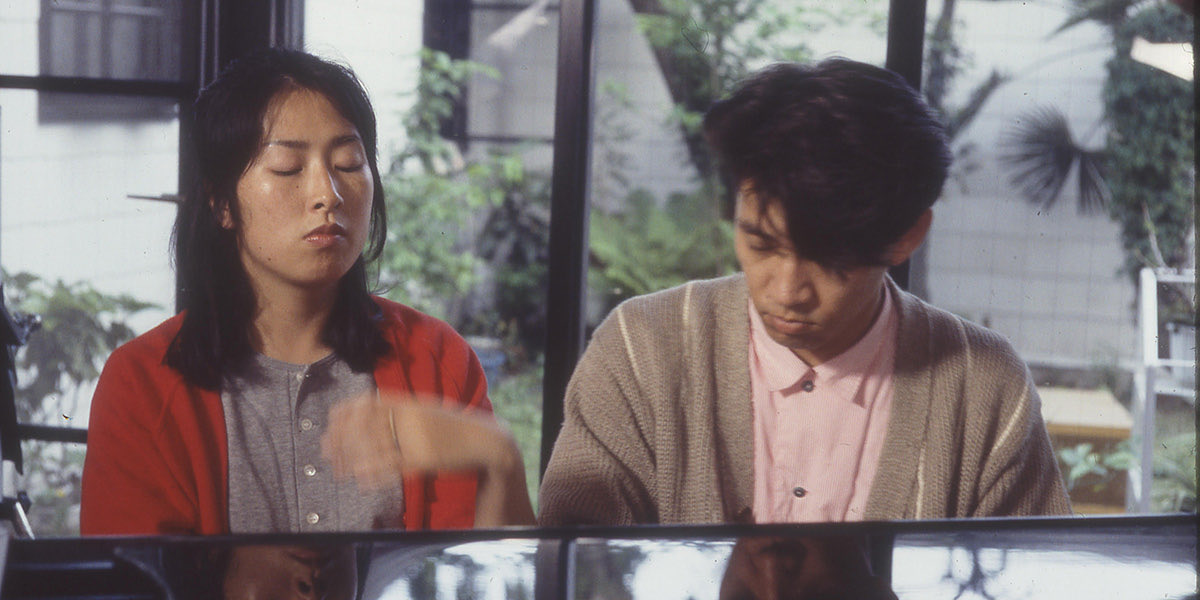
In “Tokyo Melody: A Film About Ryuichi Sakamoto” (1985), it is wonderful to see Ryuichi play “Tong Poo” as a piano duet with his then-wife Akiko Yano, and to get a glimpse of the music technology he used in 80s. I also found “Self Portrait” especially uplifting as the theme song.
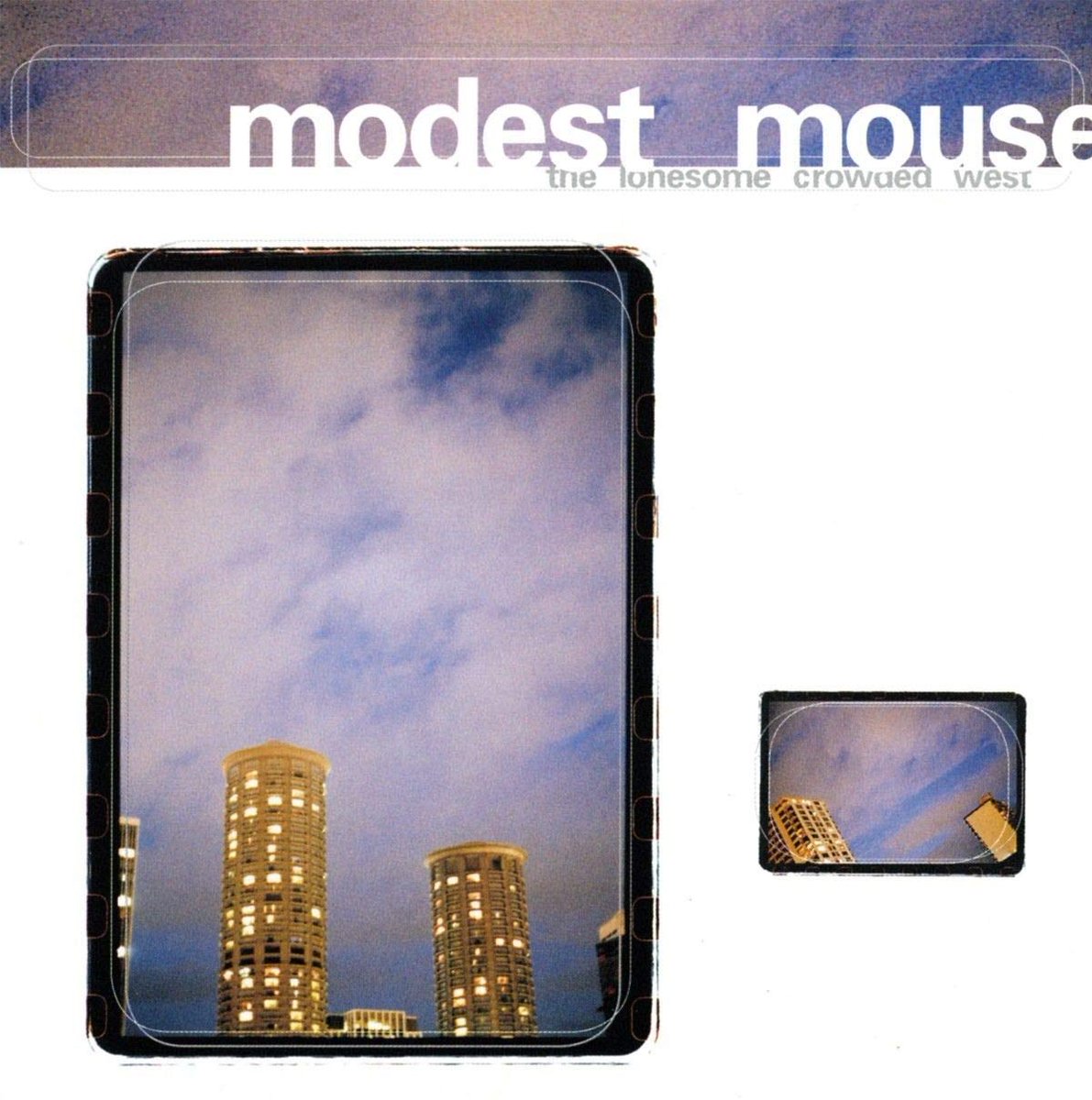
Modest Mouse’s The Lonesome Crowded West (1997) and Wilco’s Yankee Hotel Foxtrot (2002) share a striking visual connection: Seattle’s Westin towers and Chicago’s Marina City, two twin-tower covers that turn urban architecture into symbols of distance, density, and alienation.
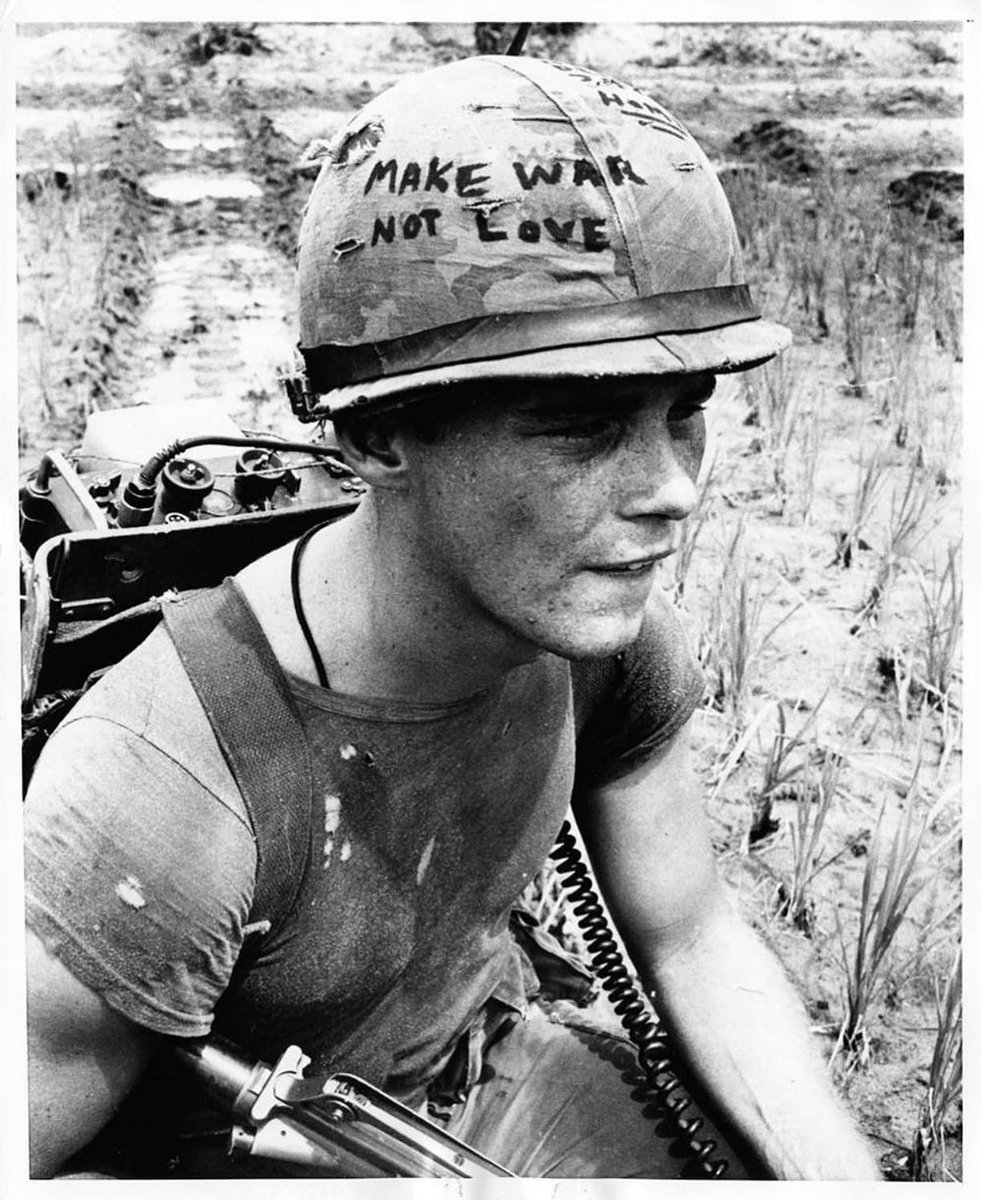
The image that became the cover of The Smiths’ Meat Is Murder (1985) was taken from the poster for Emile de Antonio’s documentary In the Year of the Pig (1967), featuring Marine Michael Wynn. The slogan on his helmet, “Make War, Not Love,” was later changed to “Meat Is Murder.”
Transformer-based agents are reshaping shopping, streaming, and content navigation. But can the same attention mechanisms that make them powerful also distort exposure and choice? Our paper identifies four bias channels in a unified transformer framework: https://t.co/DGcIlRNgXK.
The Fall of Otrar (1991, Kazakh New Wave) about Genghis Khan’s full-scale invasion of the Khwarazmian Empire is artistically haunting, turning history into something ghostlike. It feels less like watching a story and more like witnessing the memory of a civilization collapsing.
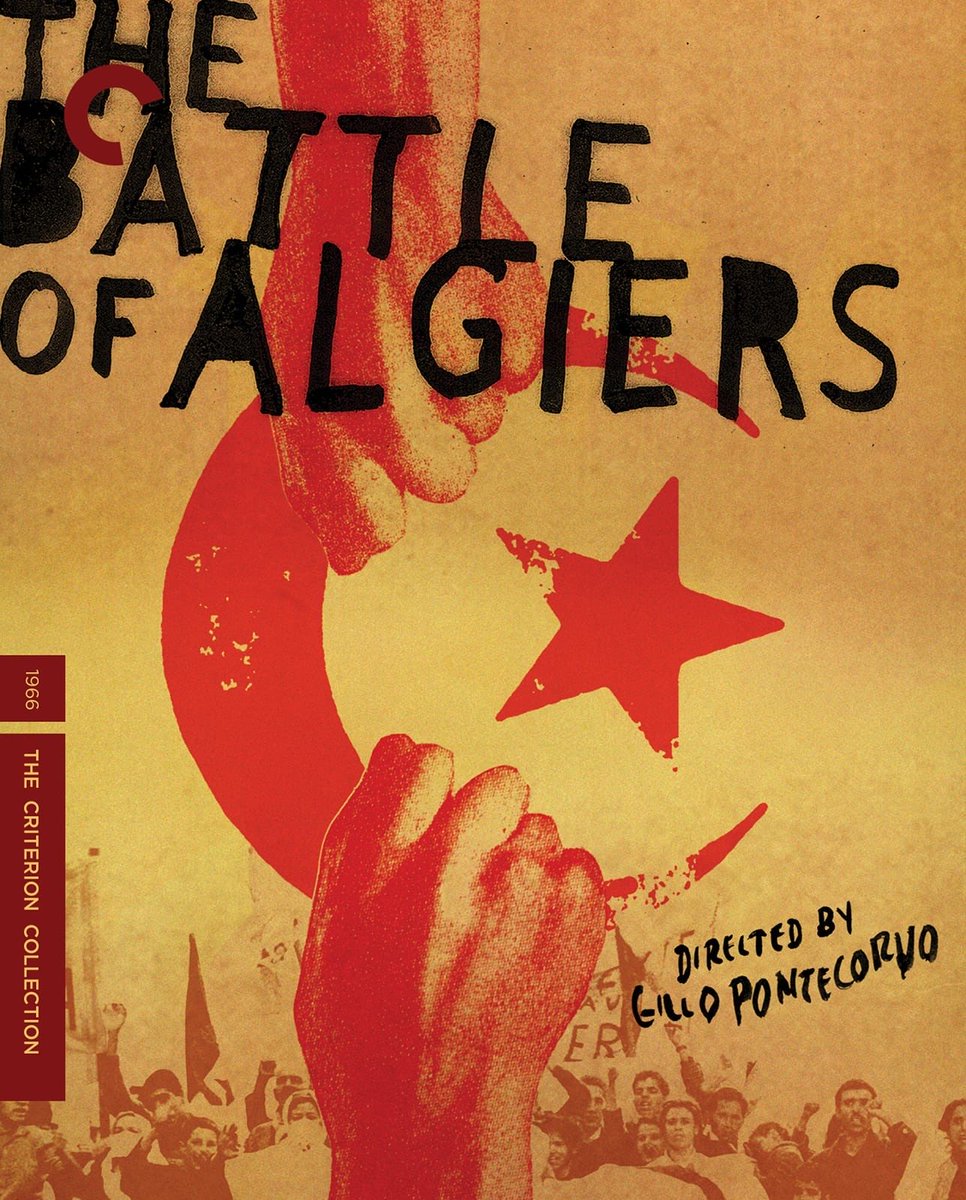
Wherever there is suppression, there will be flight. Few films capture that truth better than two must-watch films on Algeria, The Battle of Algiers and Chronicle of the Years of Fire, powerful portraits of how colonial pressure turns into resistance. 🇩🇿 🎬 #Algeria#FilmHistory
Staffing in Space: vehicles must travel, pool riders, drop off and then reposition, so “safety capacity” scales distinctively. We derive sharp high-demand staffing rules in a general dimension d. https://t.co/HnN5FoFWFN (proofs are available upon request).
New paper https://t.co/4Kgy8qTtmX: LLM-style pretraining+finetuning. A designed Transformer learns cross-instance structure from domain-informed synthetic data, then adapts to real observations. Theory + experiments show big gains and scaling benefits. #DataAnalytics
Both Stroszek (Herzog, 1977) and Farewell China (Clara Law, 1990) show survival through a woman’s “sacrificed” body in exchange for stability, while the men spiral down: desperate, pride-bound, unable to adjust in the “new” world that is not built for them.
Both Stroszek (1977) and Farewell China (1990) split into two movements: “home” (Germany vs. China), then the USA. The American Dream begins as escape, then bursts on contact with daily survival.