Radio Taiso —gimnasia radiofónica japonesa— es un ejercicio muy recomendado por entrenadores y muy eficaz para mantener la salud de los hombros, corregir la postura y fortalecer la cintura escapular.
AI Clouds Are Becoming the Fastest-Growing Layer of the Cloud Economy
The AI-Cloud market is expanding at breakneck speed, powered by the global shortage of GPU capacity and surging enterprise demand for model training and inference. Analysts project GPU-as-a-Service revenues to exceed $65 billion by 2030, with growth rates ranging between 23% and 30% CAGR—a pace unmatched by any other cloud segment.
The economics are shifting fast. AI clouds deliver 25–50% cost savings on infrastructure budgets compared to hyperscalers, while the Uptime Institute estimates another 6.6% margin improvement through optimized deployment. The result: rapid scaling, strong unit economics, and widening adoption curves.
Still, can the sector sustain triple-digit growth as competition intensifies and GPU supply tightens? It’s the key question as capital floods in and infrastructure bottlenecks persist.
Among public players, 2026 revenue growth forecasts show: $EOSE (Eos Energy Enterprises) at +225% YoY, $NBIS (Nebius Group) at +215%, $CRWV (CoreWeave) at +130%, $WULF (TeraWulf) at +102%, $APLD (Applied Digital) at +79%, $CIFR (Cipher Mining) at +68%, $IREN (Iris Limited) at +36%.
Enterprise adoption accelerates as 90% of organizations actively use, pilot, or plan neocloud deployment within six months, with 25% already using extensively and 34% actively testing platforms.
Next, we’ll break down valuations relative to growth expectations and evaluate the strategic advantages. A short 🧵👇
🚨 Washington’s New Gold Rush Is Quietly Underway:
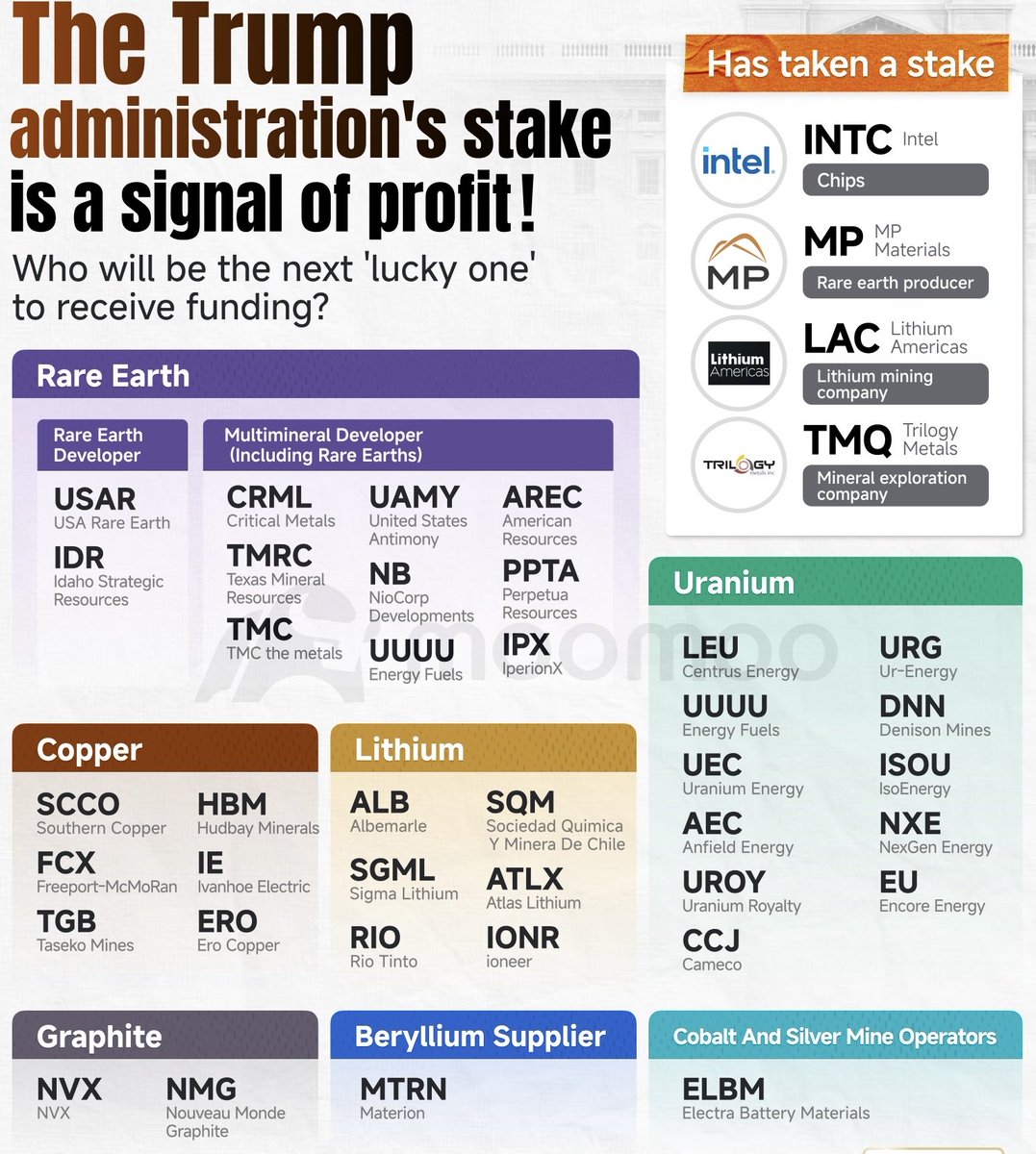
When the Trump administration started taking stakes in companies like $INTC, $MP, $LAC, and $TMQ, most investors ignored it.
But here’s the thing — every time the U.S. government backs a critical mineral or chip supplier… it creates the next wave of profit.
And this chart shows where that money could flow next 👇
💥 Rare Earths – The lifeblood of defense & EVs
Watch $USAR, $TMRC, $UUUU, $NB, $TMC
⚡ Lithium – The new oil
Names like $ALB, $SQM, $SGML, $ATLX, $RIO, $IONR are all in play
🧱 Copper & Graphite – The building blocks of electrification
Keep an eye on $FCX, $SCCO, $NMG, $NVX
☢️ Uranium – America’s quiet energy bet
$LEU, $UEC, $CCJ, $URG, $NXE — all stand to gain if U.S. energy independence becomes the new priority
💡 The takeaway:
When the U.S. government starts funding the supply chain — from chips $INTC to critical minerals $MP, $LAC — it’s not politics.
It’s policy-driven profit.
Rare earths aren’t actually rare.
Finding them is not the problem. But extracting and processing them is difficult and mostly done by one country: China.
China produces 60% of the world’s rare earths and processes nearly 90% of them.
Important: Code interpreter is now available on Copilot
This means you can use and analyze files for free with GPT-4.
Here's how to access it and 3 detailed use cases 🧵
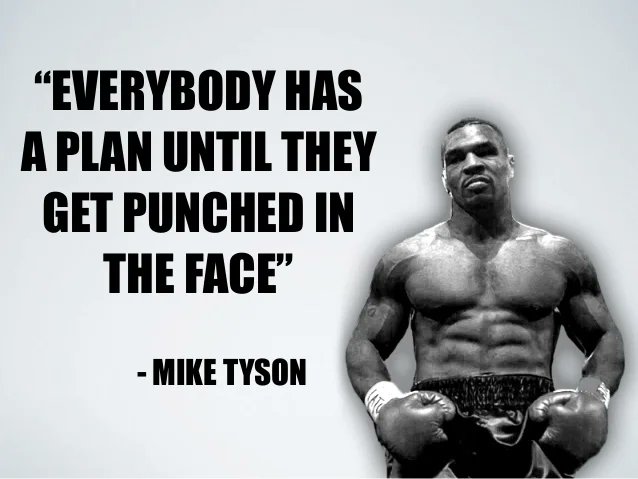
This mistake tops all my other ones. I plan/prepare/visualize to be patient, disciplined with my trading during the day but, when I gets punched on my face with a loss (which I was already preparing/expecting for it but still), my plans goes for a toss and I revenge trade. And almost all the 100% of times I did this, the losses I incurred with revenge forced trades are much much bigger than the initial ones. If I am not in a position to accept my initial loss, I am in no way going to accept these fresh huge losses. And the cycle goes on until I get to my senses eventually.
How basic and so stupid to not follow this rule. I work on this mistake daily. ACCEPT, LET IT GO!!
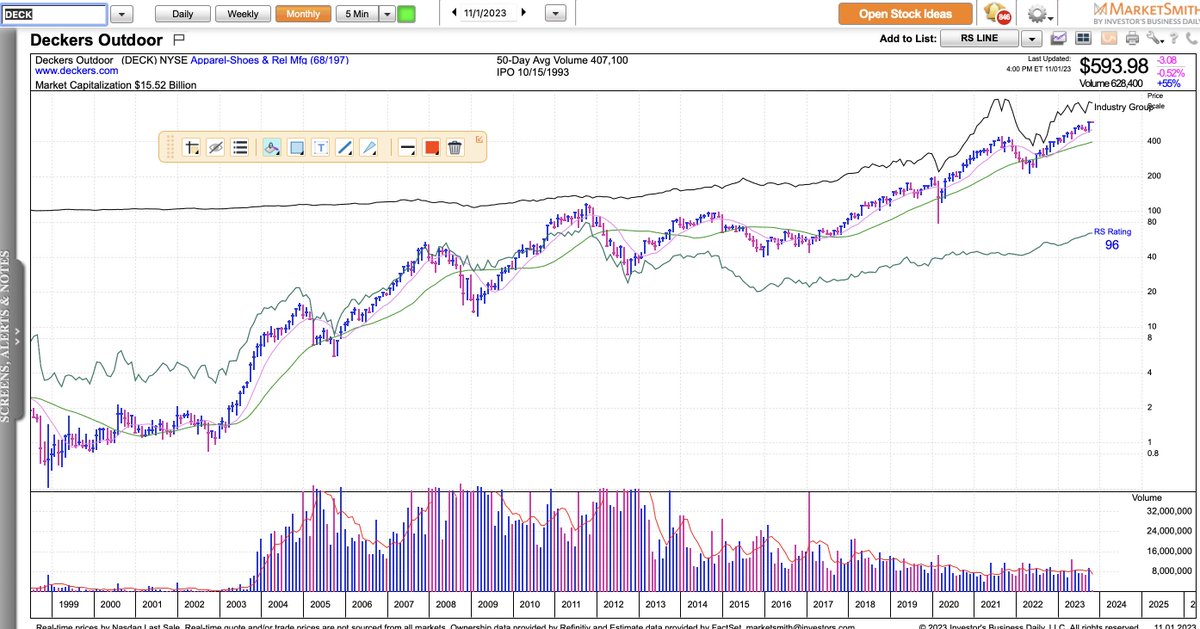
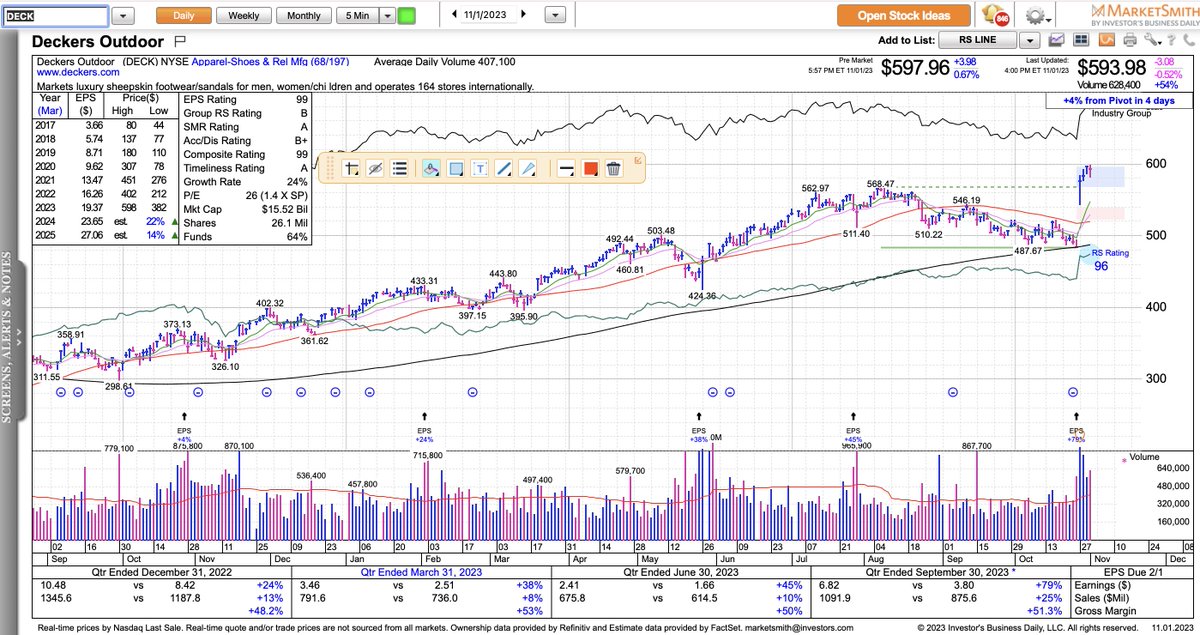
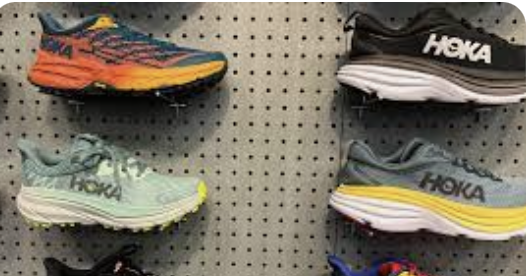
$DECK... Deckers bought the HOKA brand in 2012 for roughly $1 million. Last quarter the HOKA brand did $424 million in sales. It is one of the greatest acquisitions...ever!
Some stocks are STRONG BUYS when they fall.
Others are STRONG SELLS.
How can you tell the difference?
Look for these 4 financial yellow flags:
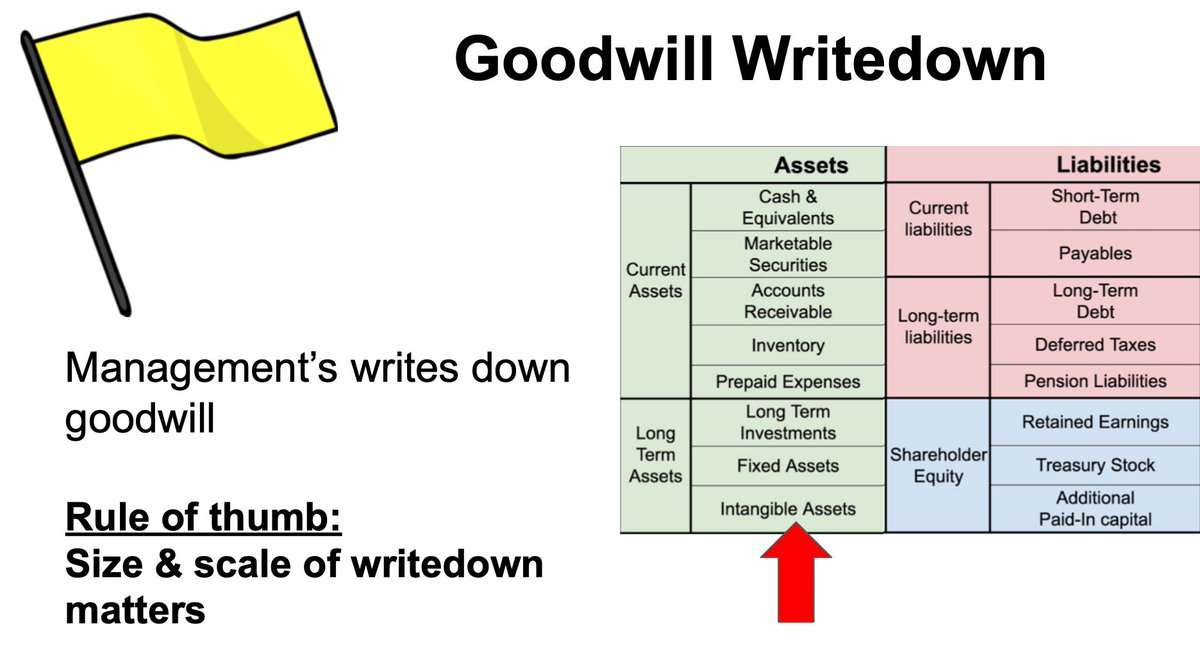
1) Goodwill Writedown
Goodwill is the premium a company pays for an acquisition.
Companies must revalue their goodwill each year. If the value declines, they are forced to take a writedown.
When this happens, it means management destroyed a TON of shareholder value.
Recent example:
Teledoc $TDOC was forced to write down $13 billion due to its mega-acquisition of Livongo.
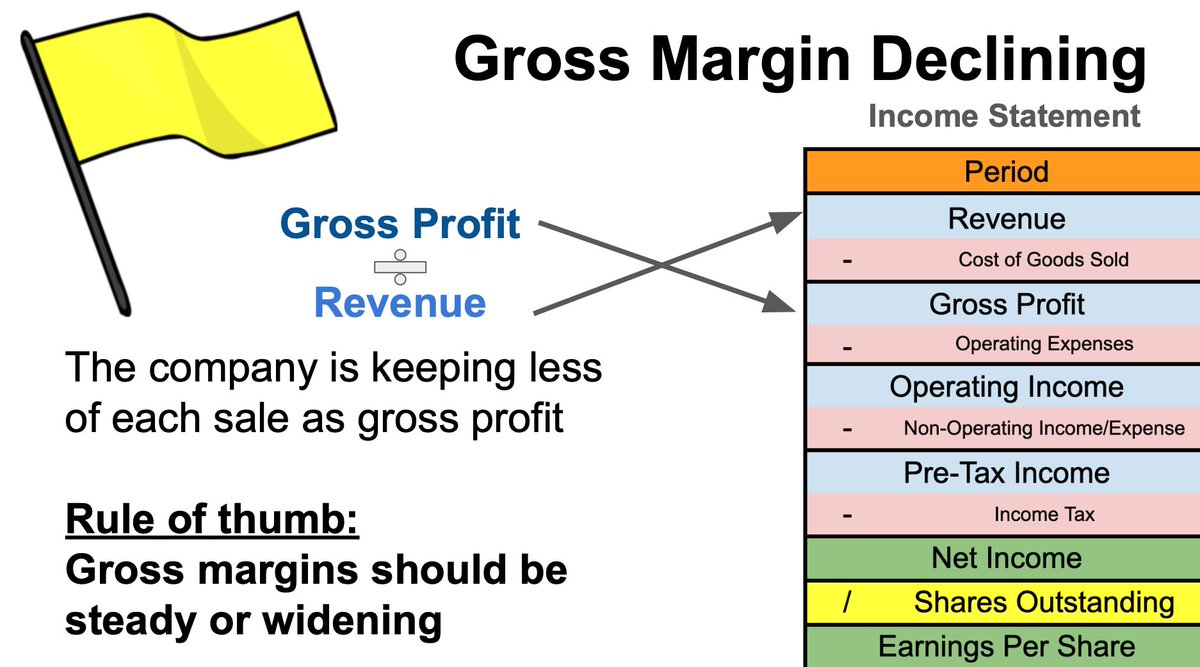
2) Gross Margin Declining
Gross Margin = Gross Profit / Revenue
Declining gross margins could several things, most of which are bad:
- No pricing power with consumers
- No bargaining power with suppliers
- Competition is forcing prices lower
- Demand is weak
Most of the time, it's not a welcome development and can even be thesis-busting.
Recent example: Beyond Meat $BYND
Gross margin has fallen so much it's now negative.
Meatless alternatives are EVERYWHERE, and Beyond Meat is struggling.
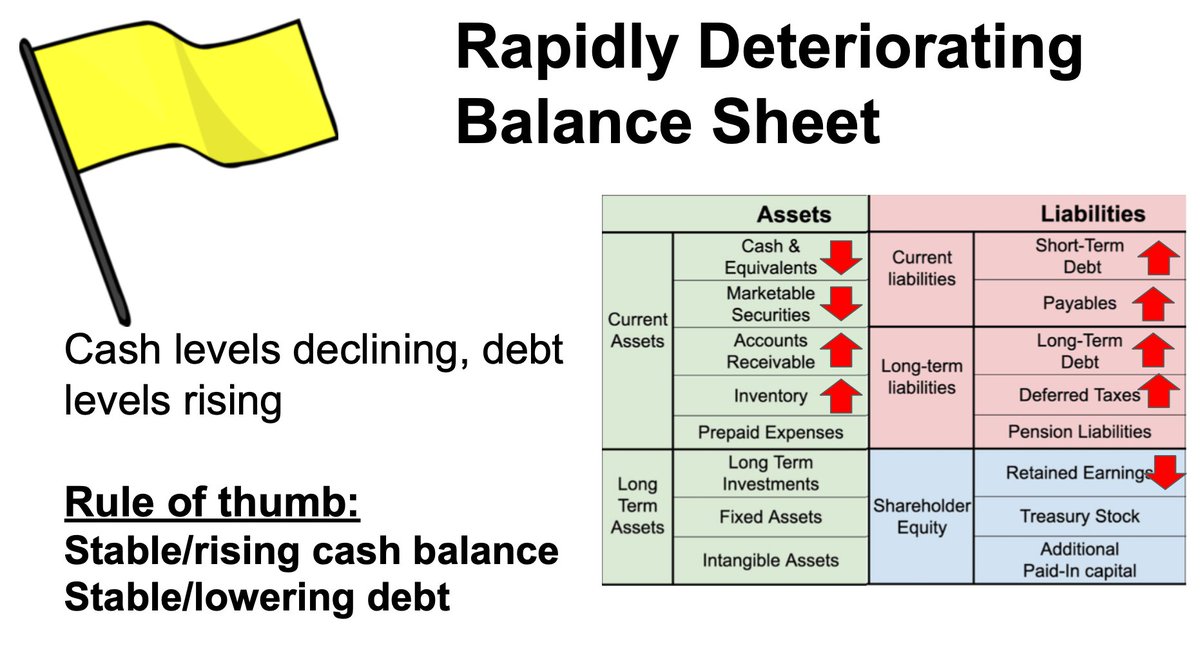
3) Rapidly Deteriorating Balance Sheet
Great companies have 'fortress' balance sheets. Weak companies do not.
If the balance sheet has:
- Less cash
- More debt
- Higher inventory
- Higher receivables
It's not a good trend.
When this happens, it means a company is becoming more fragile.
Recent example: Peloton $PTON
- Cash down
- Debt up
- Accumulated Deficit up
It's no secret they're been struggling to adapt to a post-COVID world.
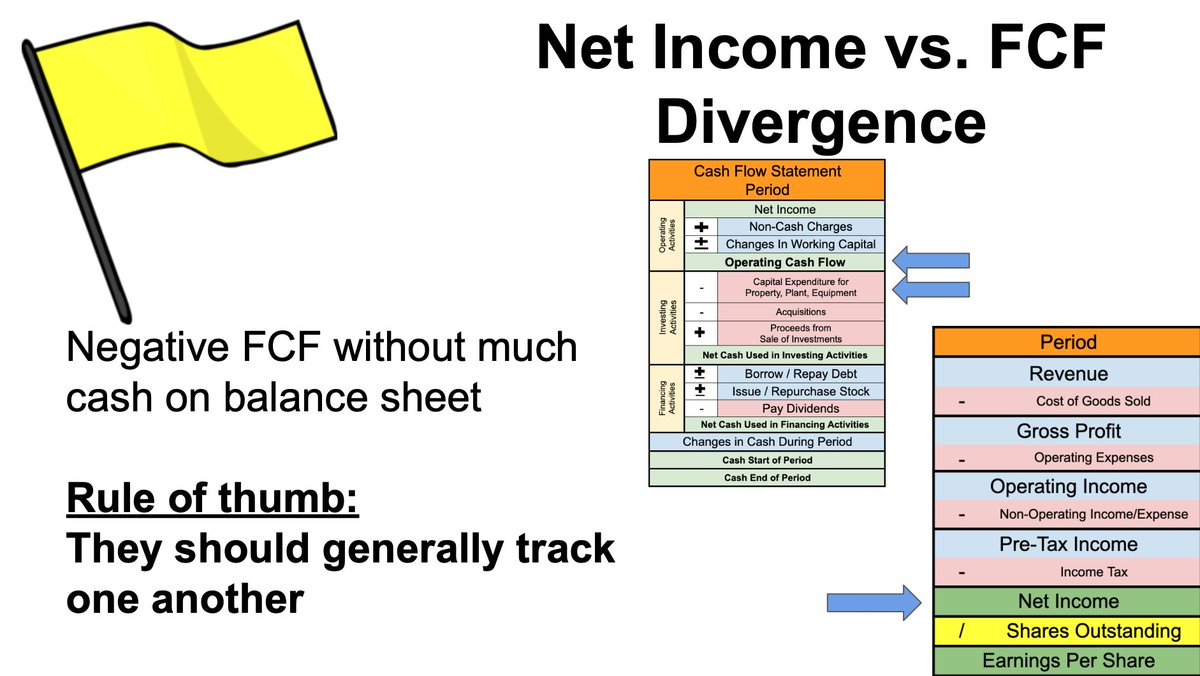
4) Net Income > Free Cash Flow
Net income uses accrual accounting.
Free cash flow uses cash accounting.
Cash accounting is a more realistic account of how money is flowing.
If a company consistently produces much higher net income than free cash flow, the earnings are low quality.
When tough times hit, the ability to generate cash is critical.
You can spend net income.
Recent Example: Netflix $NFLX
Netflix has been producing Net Income for 10 years, but it's only been free cash flow positive in 4 of those years.
The company has been issuing billions in debt to make up the difference.
It's worth out very well for shareholders (hence why these are "yellow" flags), but there's no doubt its earnings are low quality.
To summarize:
🟡Goodwill writedown
🟡Gross margin declining
🟡Rapidly deteriorating balance sheet
🟡Net income > free cash flow
If you enjoyed this post or learned something, follow me @brianferoldi.
I demystify the stock market.