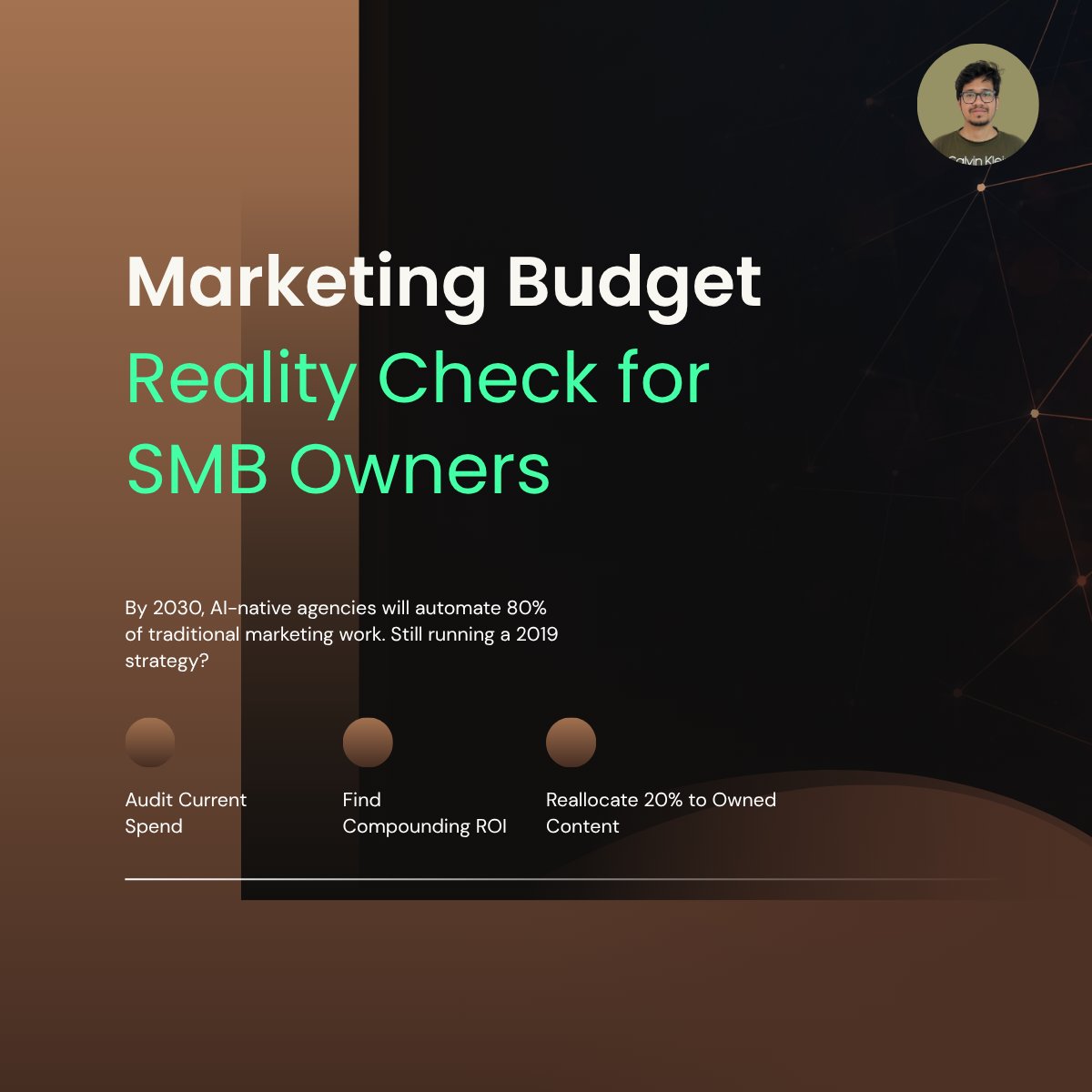
Most SMB owners allocate marketing budgets like it’s 2019. By 2030, AI will automate 80% of what you pay full retainers for.
Stop wasting money. Do these:
1. Audit paid vs. organic
2. Find compounding ROI
3. Move 20% to owned content/SEO
Organic pays you back forever.
#seo
Google just added Generative AI reporting to Search Console.✨
Use this data to reverse-engineer why Google selects your site!
4 ways to analyze it:
1️⃣ Sync crawl stats
2️⃣ Map content triggers
3️⃣ Measure commercial impact
4️⃣ Test utility assets
#google#latest
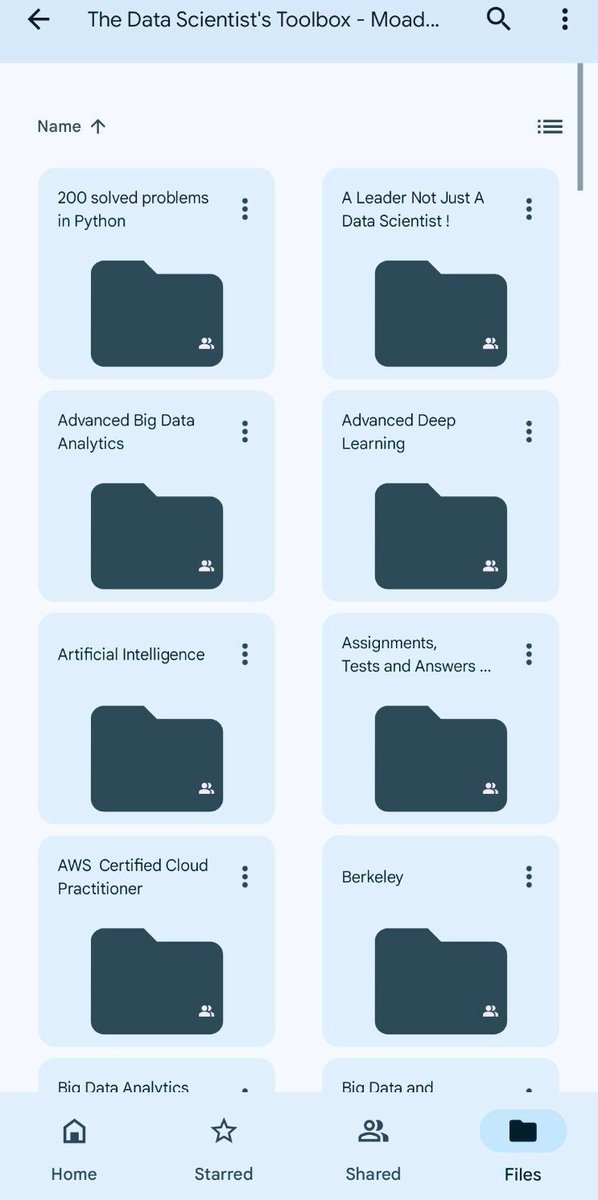
Are you struggling to pay a huge amount on paid courses?
I'm giving you access to 20+ FREE Courses
1. Artificial Intelligence
2. Machine Learning
3. Cloud Computing
4. Ethical Hacking
5. Data Analytics
6. AWS Certified
7. Data Science
8. BIG DATA
9. Python
10. MBA
To get it, just:
1. Like & Retweet
2. Comment "ALL"
3. MUST be Following (so that I can dm)
Einstein Once said, "Imagination beats knowledge."
But here’s the catch:
🌲 Managers need knowledge.
🌳 Leaders NEED imagination.
You can’t inspire a tribe without seeing what doesn’t exist yet.
Start inventing and sharing the future, marketers!
Your followers and potential customers will love to be stay around.
#Leadership #Innovation
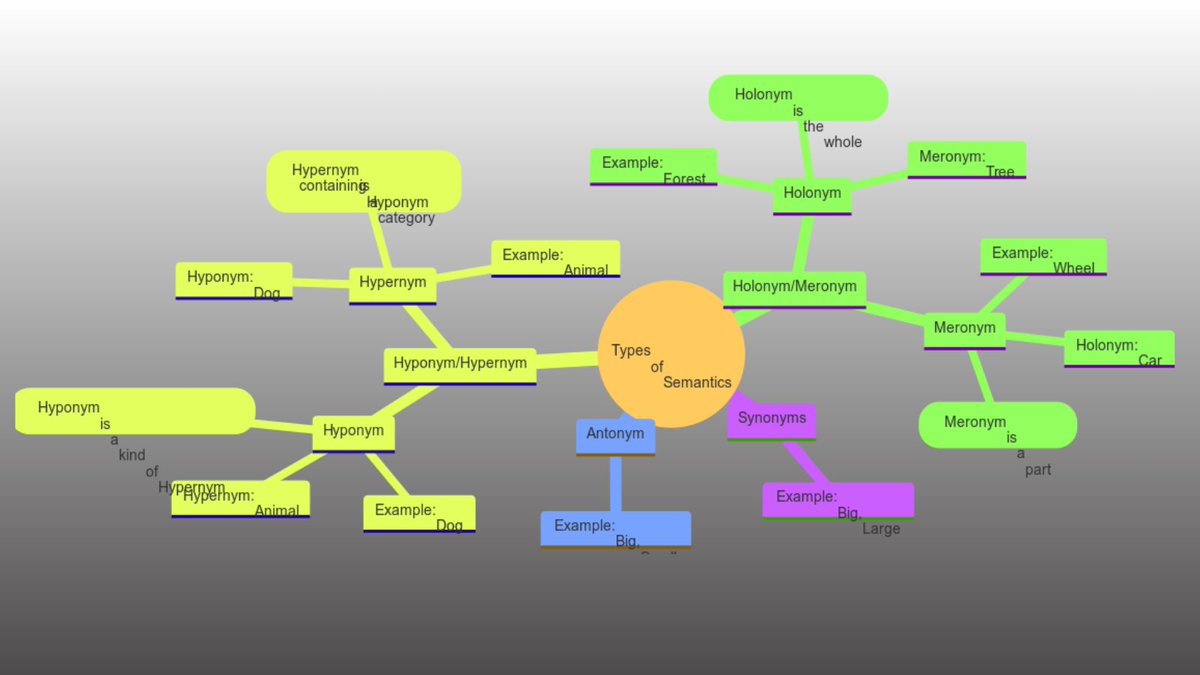
In SEO, understanding lexical relations is crucial.
It helps in-
1. Accurate intent matching: Search engines use these relationships to grasp the meaning behind queries, providing more relevant results.
2. Enhanced content relevance: Utilizing synonyms, hyponyms, and other related terms creates contextually rich content that signals authority.
3. Improved NLP optimization: As algorithms evolve and voice search increases, recognizing these relationships ensures content aligns with natural language processing.
4. Stronger semantic connections: Structured data and proper content organization, using Homonyms and meronyms, helps search engines understand the relationships between content elements.
SEO is primarily a demand capture channel.
After years of experience in search marketing, I can definitely say that in the past, we could at least nudge demand. But, in an AI-driven world, that paradigm has already shifted.
That said, to reiterate: capture demand from search.
Search uniquely exposes user and demographic data without requiring attribution. You can't find a similar kind of demand in any other marketing channel other than search.
And, in the AI-powered world where content has become a commodity, you can’t wait and pray for people to come to your website and generate leads.
That strategy is broken.
If you want to profitably capitalize on search marketing, you must change your marketing mix.
I’m talking about a blended approach: SEO + Search Ads.
Whenever you start a campaign, start with search ads first.
Once you are profitably scaling this, you'll have a list of the most profitable keywords.
These keywords serve as the central focus of your business.
Now, tailor your organic acquisition strategy around them.
Start a year-long SEO campaign.
As you progress, minimize the search ads budget, and you will end up with a profitable sweet spot.
P.S.: Capitalize on all other answer engines (based on market research) and run search ads there as well.
Want me to help you throughout the process or provide clarity for each step? Inbox me.
#SEO #Googleads #PPC #MarketingTips
The era of "Content Marketing" is ending. The age of "Answer Marketing" is dawning.
When was the last time you asked Google for a story? Probably never. In 99% of cases, you seek answers.
Smart search engines have always aimed to provide answers, not stories. Initially, they lacked the tools.
Now, thanks to AI, their capabilities are limitless. They've solved the puzzle.
In this new paradigm, delivering answers is key. When you help customers with answers, they'll remember and return.
That's the new way to thrive in Search Engine Marketing.
#aioverview #seo #searchengine #ContentMarketing
My Minimalist SEO Campaign Plan You May Copy for Any Local Business-
1. Foundational Links: Essential at the start, these links create a campaign base. Include niche and geographical directories.
2. Press releases announcing the business, new services, or staff act as safe "pillow links."
3. Links from partners and suppliers can be acquired by offering a link in return.
4. Brand profile links from social media and niche sites solidify the brand.
5. Relevancy: Establish relevancy with links from relevant blog posts and websites.
6. Link to homepage, money pages, inner pages, and blog posts. Build links consistently, focusing on first-tier links.
7. Prioritize brand anchors for the homepage and keyword anchors for inner pages.
Content Plan:
- Create a content plan; rankings improve with consistent publishing.
- Prioritize bottom-of-funnel content to boost revenue.
- Create content designed to attract links and diversify the link profile.
Ongoing Link Building:
- Consistently pursue blogger outreach and niche edits.
- Maintain a natural mix of links from new and existing posts.
- Authority (for larger brands): High-end media placements and digital PR campaigns build authority. Links from authoritative sources are beneficial.
New Content:
- Add new, timely content alongside the content plan.
- Share content on social media to increase traffic. Social signals, traffic from email, direct sources, and ads enhance overall online presence.