Zimbabwe’s🇿🇼 gold rush gains momentum as new $1 billion mine targets 100,000 ounces a year
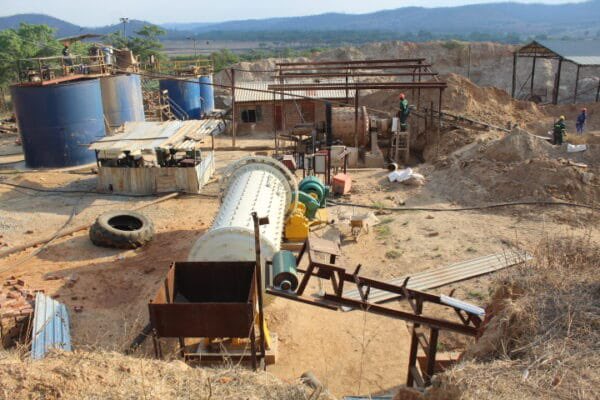
Zimbabwe’s🇿🇼 gold boom is gathering pace. As the southern African nation pushes to raise gold production to 50 tonnes this year and deepen its reliance on bullion as a source of foreign currency, a new billion-dollar mining project is emerging in Matabeleland North.
BREAKING 🚨: Central banks now hold 36,000 tonnes of gold. 🥇
Nearly matching the pre-1971 Bretton Woods peak of 38,000 tonnes.
That was when gold backed the entire global monetary system.
We're almost back there.
And Goldman Sachs thinks the unofficial total is even higher.
The world is rebuilding a gold standard.
Just without announcing it.
#Gold #CentralBanks #PreciousMetals
🚨RioZim again misses gold boom as output crashes 80%
RioZim produced just 84 kilograms of gold in 2025, down 80% from 428kg the prior year, one of the miner’s worst production years on record.
The sharp drop came as both of its gold mines, Renco and Cam & Motor, spent most of the year largely idle while the company searched for funding and new partners.
Renco only restarted in September under a contract mining deal with Chinese contractor FeiFan Mining, now RioZim’s main financier. All 84kg produced during the year came from Renco in the final quarter. Cam & Motor produced no gold at all.
The poor output meant RioZim largely missed out on a record gold rally. Average gold prices rose 44% to US$3,436/oz in 2025, from US$2,389/oz the previous year.
RioZim was once Zim’s biggest gold producer. The scale of RioZim’s decline is stark when compared to rivals.
Blanket Mine produced 14,767oz of gold in the first quarter of 2026 alone, around 459kg. This means RioZim’s entire 2025 output was less than three weeks of production at Blanket’s current run rate.
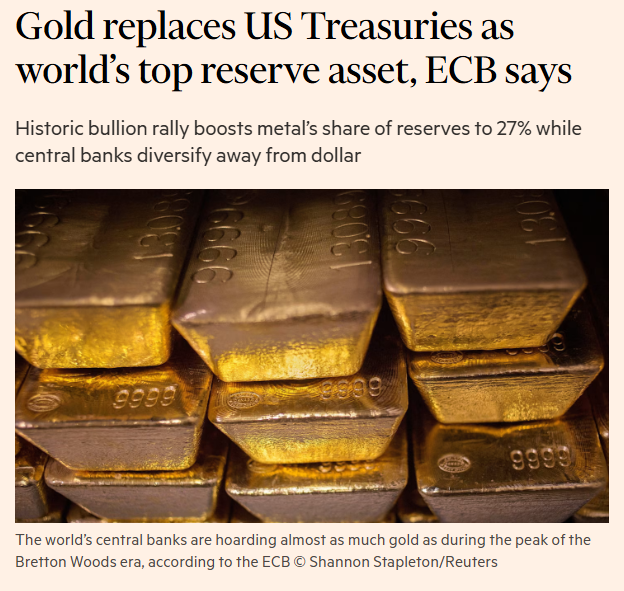
🔥GOLD REPLACES US TREASURIES AS WORLD'S TOP RESERVE ASSET - Financial Times⚠️
The ECB is admitting that GOLD - not US Treasury bonds- are the world's number 1 reserve asset‼️
"Gold has overtaken US government bonds as the world’s top reserve asset following years of relentless buying by central banks and a historic rally that has seen prices nearly double over the past two years.
Bullion accounted for 27 per cent of all global central bank reserve assets at the end of 2025, up from 20 per cent a year earlier, according to a report published on Tuesday by the European Central Bank.
US Treasuries fell to 22 per cent from 25 per cent over the same period."
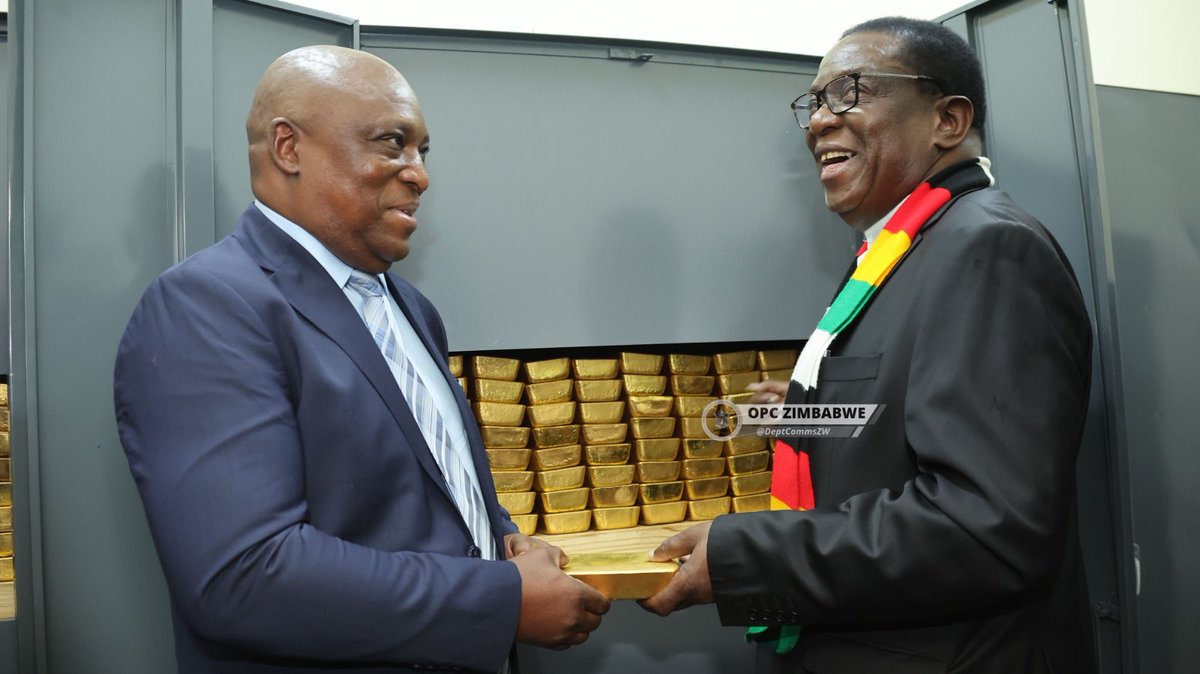
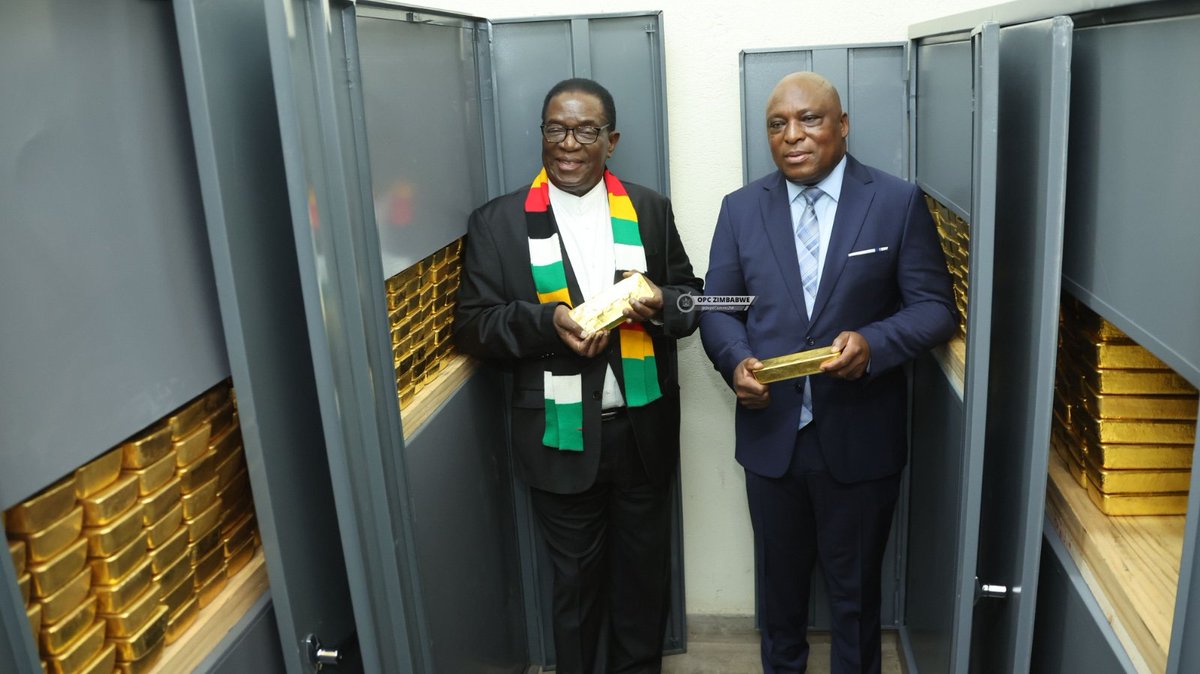
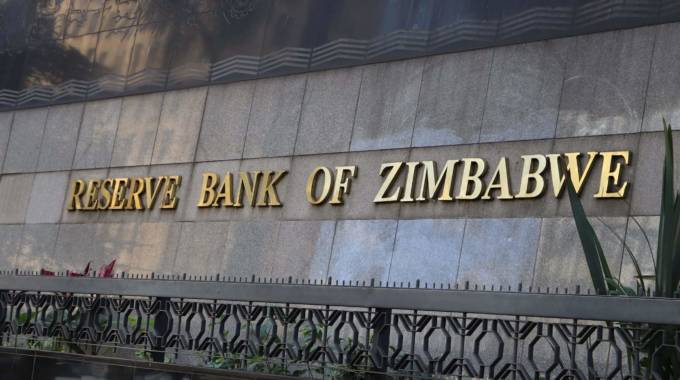
His Excellency the President, Dr ED Mnangagwa, this morning visited the Central Bank to inspect the amount of gold reserves the country holds presently. The country’s gold reserves stand at 4,48 tonnes, making Zimbabwe the 11th country on the African Continent with the largest
This morning, I inspected the vaults of the Reserve Bank of Zimbabwe (RBZ) to personally verify our national gold and ZiG reserves.
I am delighted to report that our strategic initiatives to establish a gold-backed foundation for our economy are producing substantial outcomes. Following my directive two years ago to accumulate mineral royalties in physical form, our gold reserves have increased considerably. Presently, Zimbabwe proudly ranks 11th in Africa and 3rd in the SADC region for official gold reserves.
These reserves are tangible assets that underpin our monetary sovereignty, rather than mere numbers. With over 4 metric tonnes of gold and foreign currency reserves, our ZiG currency remains fully backed and resilient to global economic shocks.
As we progress toward our goal of 5 metric tonnes by year-end, we remain committed to fostering a stable, transparent, and prosperous economy for all Zimbabweans. Collectively, we are laying the groundwork for a robust future.
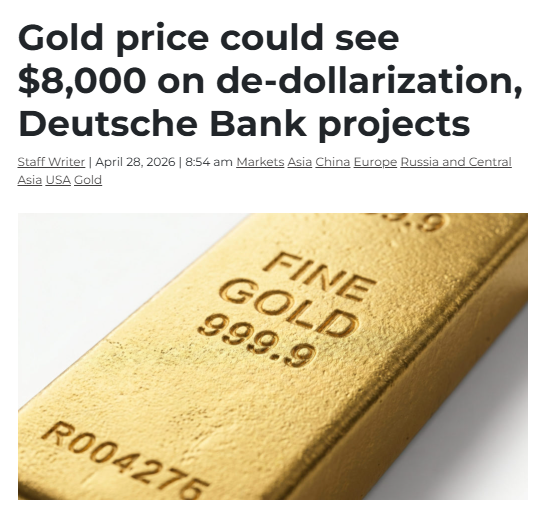
The German investment bank said it sees a scenario where central banks continue to increase their gold holdings as a financial safety net to protect themselves from Western sanctions.
These central banks have added over 225 million ounces to their reserves since the 2008 financial crisis, while their holdings of US dollars have fallen from a peak of over 60% in the early 2000s to about 40% today.
Gold’s share of global central bank reserves could reach 40%, up from 30% currently, the bank predicts. At that allocation, Deutsche Bank ran a simulation that projects gold prices to hit $8,000 an ounce within five years — a near 80% rise on current levels.
NDS2: Zimbabwe Gold Boom: Price Over Production
The surge in Zimbabwe’s gold export earnings to US$843.3 million in Q1 2026 highlights a significant paradox: while the nation is reaping the rewards of a record-breaking global gold rally, the underlying production engine is showing signs of strain.
Under the National Development Strategy 2 (NDS2), which officially commenced this year (2026–2030), the government has set an ambitious target of 50 tonnes of gold annually.
### Q1 2026: The Numbers Behind the Boom
While export revenue has more than doubled compared to Q1 2025, the actual volume of gold delivered tells a more nuanced story:
✍🏽Total Deliveries: 9,311.92 kg (approx. 9.3 tonnes), an **8.2% increase over Q1 2025.
✍🏽The Price Factor: Gold prices reached a historic peak of $5,608.35/oz in January 2026. Even with recent corrections to around $4,700/oz in April, the year-on-year price increase (over 40%) is the primary driver of the revenue "doubling" effect.
✍🏽Monthly Volatility: March 2026 saw a 16.4% month-on-month drop in deliveries, largely blamed on a controversial policy shock.
### Critical Roadblocks to Production Growth
The NDS2 framework aims for sustainable growth, but several factors are currently capping production:
1. Policy Shifts (The 10% Retention): In early 2026, the Reserve Bank of Zimbabwe (RBZ) introduced a policy requiring small-scale miners to surrender 10% of their earnings in the local currency (ZiG). This led to an immediate slump in March as miners resisted the move. The policy was suspended on March 24, restoring 100% USD payments to entice miners back to formal channels.
2. The Small-Scale Dominance: Artisanal and Small-Scale Miners (ASM) still contribute roughly 70-73% of total deliveries. While resilient, this sector is highly sensitive to weather (heavy rains in Q1) and lacks the capital for the deep-level mining required for long-term growth.
3. Large-Scale Stagnation: Large-scale miners (LSM) saw a marginal 1.0% decline in Q1 deliveries year-on-year. This sector is struggling with aging equipment, power shortages, and high operational costs that make it difficult to capitalize on high global prices.
### Sustainability Under NDS2
The "Gold Boom" is currently a windfall rather than a structural victory. For the NDS2 goals to be met sustainably, the focus must shift from celebrating high prices to addressing the 30% decline in output seen between the record Q4 2025 and Q1 2026.
Without significant investment in large-scale infrastructure and a stable, long-term policy on currency retention, Zimbabwe remains vulnerable to any future "mean-reversion" (price drop) in the global gold market. Given the recent suspension of the ZiG retention policy, do you think the government will find a different way to integrate the local currency into the mining sector without discouraging formal deliveries?
Uganda’s Gold Exports Reach $6.4 Billion, Surpassing Coffee as Top Foreign Exchange Earner
Uganda’s gold exports totaled approximately $6.4 billion in 2025, making gold the country’s leading export and overtaking coffee, according to the Bank of Uganda. The 76% year-on-year surge was driven by record global gold prices and increased activity from new market entrants.
The majority of the gold is imported from neighboring countries, including the Democratic Republic of Congo and South Sudan, refined domestically, and re-exported. As a result, the net trade balance for gold is estimated at around $200 million, despite the high gross export value.
The Bank of Uganda has emphasized the need to increase domestic gold production and strengthen regulatory oversight of the sector. In 2025, Uganda inaugurated its first large-scale gold mine, a $250 million Chinese-owned project in Busia, as part of efforts to capture more value locally.
While margins remain thin due to the re-export model, officials view domestic refining as a strategic step toward positioning Uganda as East Africa’s mineral processing hub.
“The Ghana Gold Board in collaboration with Better Brands Zimbabwe, has commenced engagements aimed at advancing the formalization of artisanal and small-scale mining (ASM) in Ghana, with a strong focus on financing and structural support for miners”
https://t.co/hJBi0A3Lmd
Today, the Board of Nedbank Zimbabwe Limited announced the appointment of Betty
Murambadoro as Managing Director.
Betty is a seasoned banking executive with extensive experience in senior leadership roles spanning corporate
banking, investment banking, and client coverage within the mining sector. She brings a strong track record in
leading complex transactions, driving balance-sheet growth and building long-term strategic relationships with
corporates, government, and international partners.
Betty has participated in the board activities of Standard Bank Eswatini and served as a board member of Stanbic
Bank Zimbabwe and Stanbic Nominees. In these roles, she contributed meaningfully to governance, risk
oversight, and regulatory engagement. Her leadership profile is complemented by international training in
sustainable finance, ESG, and corporate governance.
ZIMBABWE’S gold mining sector has recorded a 10 percent increase in output in the first quarter of the year, driven largely by strong performance from small-scale and artisanal miners.
https://t.co/vWTPmngUAB
Central banks bought more gold in February, adding 27t to reserves globally. Poland was the largest buyer of the month, but there were others. Marissa Salim, Senior Research Lead APAC has the details on Goldhub.
The gold market is global, highly developed and centuries old. Explore its size, structure and essential characteristics in our new Gold Market Primer.
SMALL-Scale and artisanal miners have welcomed a decision by the Reserve Bank of Zimbabwe (RBZ) to temporarily halt plans to withhold 10 percent foreign currency from gold producers, allowing the sector to retain 100 percent of export proceeds.
https://t.co/kYVz7D0OBE
RBZ Monetary Policy: Exporters will continue to receive 30% of their export earnings in ZiG.
However, there’s a change for small-scale miners, who supply the bulk of Zimbabwe’s gold. Previously, they were paid 100% in USD when selling gold to the RBZ’s Fidelity. Now, they will receive 90% of their payment in USD, with the remaining 10% in ZiG.