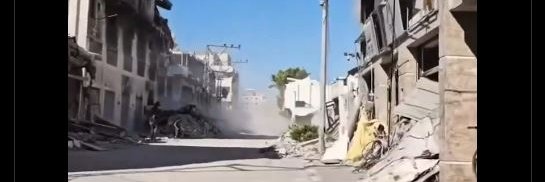
Filistinli mahkuma tecavüz eden siyonist askerler mahkemede kahraman gibi karşılanıyor👇.
Dedem ve Ninem Nazi dönemini yaşadı. Tecavüz eden askerler kurşuna dizme gibi ağır cezalar alıyormuş. Siyonist rejim Nazilerin çok ötesine geçti. İnsanlıktan çıkmanın doruğuna çıktı. İnsanın midesi bulanıyor bu görüntüler karşısında.
Al Muhtarifin akademisinin 10 oyuncusu israil saldırısıyla öldürülmüştü şimdi de Al Hilal Gazze’nin 8 genci öldürülmüş. Siyonizmin oyuncağı FIFA sende haysiyet varsa sesini duyalım dünya futbol otoriteleri onurunuz varsa konuşun
ABD'deki 77. Primetime Emmy Ödülleri töreninde Yahudi oyuncu Hannah Einbinder, ödül alırken “Filistin’e özgürlük” mesajı verdi.
📌"Filistin benim için kıymetli bir mesele. Yahudi olarak, Yahudileri İsrail'den ayırmak görevim. Boykotun bir parçası olmaktan mutluluk duyuyorum”
Filistin’deki bu takımın hiçbir genç oyuncusu kalmamış. Hepsi soykırıma uğradı. Biraz şerefi haysiyeti olsaydı futbolu yönetenlerin bunu yapan ülkeyi men ederlerdi.
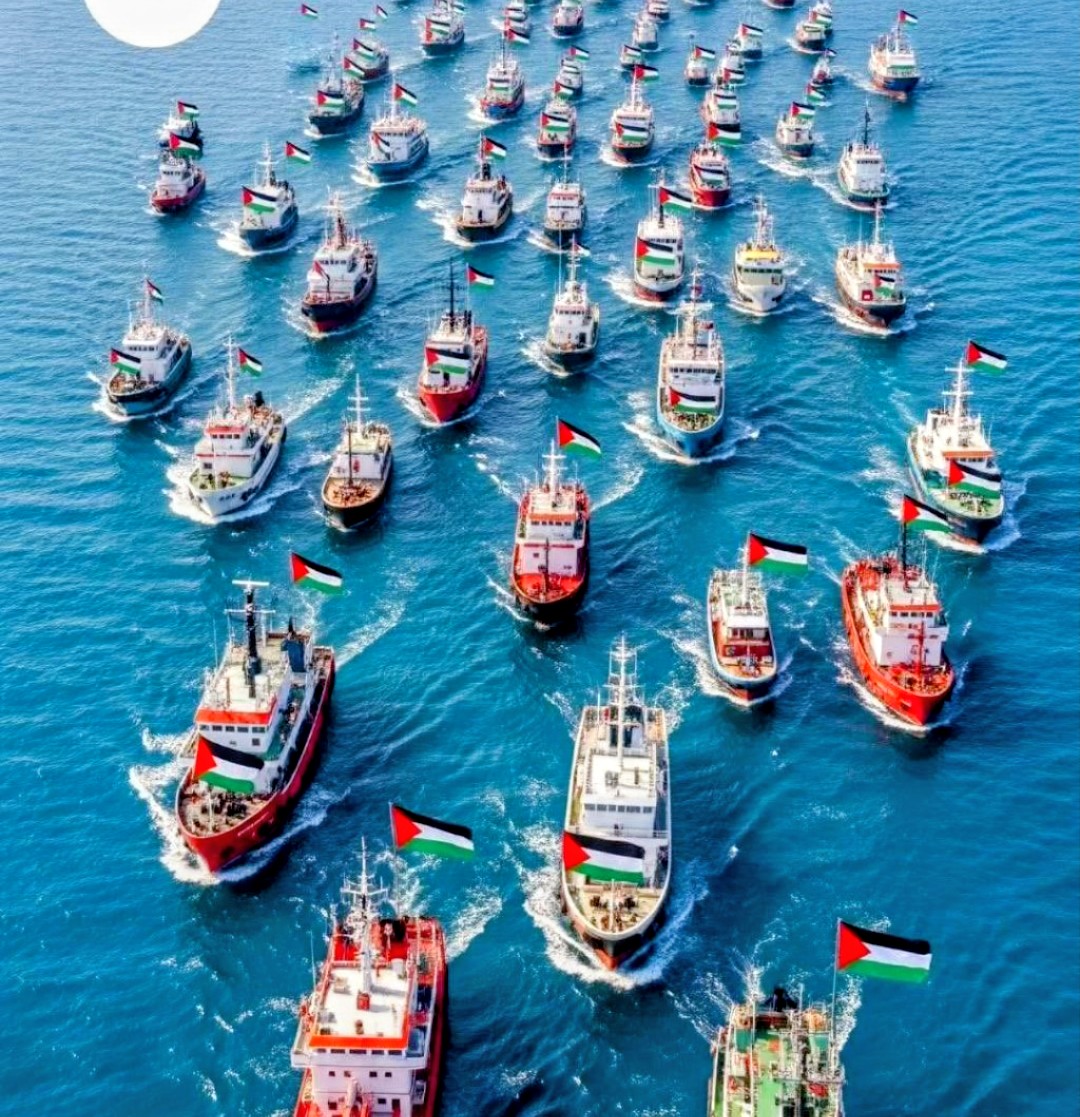
Siyaset üstü, din, mezhep, ırk, dil, zenginlik, mal, mülk ayırmayan vicdan abidesi insanlar gemilere bindi, yürekleriyle üfleyip yelkenleri duldurlar.
Bayrakları Filistin, iradeleri çelik, gözleri yaşlı, inançlı, azimli, yürekli insanların gemisi geçiyor Akdeniz’den.
Zulme karşı başlattıkları isyan, göğüslerinde bir madalya gibi parlıyor.
Ayağa kalkın ey Akdeniz halkları ve selamlayın bu vicdanlı insanların filosunu…
#GlobalSumudFlotilla
Al jazeera için yazdığım makalenin Türkçesi
👇
https://t.co/i9ZAQslu4I
Those who argue that Hagia Sophia “should have remained a museum” often frame the issue in terms of universal heritage, secularism, or symbolic neutrality. However, such arguments tend to overlook the building’s true history, legal status, and Türkiye’s sovereign right. Hagia Sophia is not solely a mosque or a church — it is a monument with a deeply layered past. It functioned as a church for nearly 900 years, and later as a mosque for almost 500 years. The question of its present function should be decided not based on its past religious plurality, but on the basis of legal ownership and national sovereignty.
After the conquest of Constantinople in 1453, Sultan Mehmed II converted Hagia Sophia into a mosque. This was not merely a symbolic act but a legally binding transformation, formalized through an imperial endowment (vakfiye). That document clearly states that Hagia Sophia is to remain “a mosque forever.” As such, the building became endowed property, and Türkiye’s law prohibits the use of such property for purposes other than those defined by the founder.
In 1934, a Cabinet decree signed by Atatürk removed Hagia Sophia’s mosque status and turned it into a museum. It was opened to the public in 1935. Thus ended 481 years of mosque use, beginning an 86-year period as a museum. Over time, this decision became controversial both legally and morally. Some questioned the validity of the signatures on the decree, but more importantly, many argued that repurposing an endowed property violated Türkiye’s vakıf law.
In 2016, a Turkish NGO — the Association for Service to Historical Foundations and the Environment — filed a lawsuit requesting the annulment of the 1934 decree. On July 10, 2020, the 10th Chamber of the Council of State unanimously ruled that the Cabinet’s decision was legally invalid. The court held that Hagia Sophia belongs to the Fatih Sultan Mehmet Foundation, which endowed it explicitly for use as a mosque. Thus, stripping it of that function violated the conditions of the endowment.
On the same day, President Erdoğan announced that Hagia Sophia had been transferred to the Directorate of Religious Affairs and would reopen as a mosque. This marked the completion of both the legal and administrative process.
How did the public respond? The majority of Türkiye’s citizens welcomed the decision. Polls showed nearly 70% support. Conservative circles described the move as “justice long delayed.” Some secularist voices and Western commentators opposed the decision, arguing it conflicted with secularism or harmed universal heritage — but such objections held no legal weight.
Moreover, many Western objections reflect a clear double standard. The Great Mosque of Córdoba in Spain remains a church to this day, and no one demands it be restored to its former Islamic function. In Greece, mosques are scarce, and Ottoman-era mosques are often destroyed, locked, or used for non-religious purposes. In contrast, Türkiye still maintains hundreds of active churches, monasteries, and synagogues.
In short, reopening Hagia Sophia as a mosque is not merely a political act. It is a legal correction, a historical restoration, and an affirmation of national sovereignty. It is a rightful decision made by the Republic of Türkiye in accordance with its own laws, its historical legacy, and the will of its people. No other state or individual has the right to interfere in this matter. I express this view as a Turk living in Türkiye.