Plants don’t have nerves. But when they’re injured, they send an electrical “SOS” that looks very familiar.
When a leaf is cut or bitten, glutamate (the same amino acid that acts as a neurotransmitter in humans) spills out of the damaged cells.
In plants, that glutamate flips on a series of glutamate-gated receptors, triggering a rapid calcium wave that races through the stem and leaves.
It’s not pain. It’s not consciousness.
But it is a long-distance danger signal.
And what happens next is biology at its best:
• Distant leaves ramp up their defenses
• Genes for protection and repair switch on
• Chemical pathways shift to heal tissue and deter future damage
Humans use glutamate to communicate between neurons.
Plants use it to communicate between cells and tissues.
Two completely different systems, one molecule playing messenger in both.
A reminder that living things often solve survival problems using the same biochemical tools… even when evolution sends them down very different paths.
From: Gatsby Plant Science Education Program
🌱 When a root cell undergoes symmetric division, are the resulting daughter cells identical? Using live-cell imaging and scRNA seq we discovered a new cell state with uneven BR activity. @TNPlantBio@NemanjaVukas@CheweiHsu16 Read our full paper in Cell https://t.co/P3jEbuiQ6l
Pot size is crucial in plant growth experiments. Variations affect root architecture, nutrient uptake, and stress responses in barley genotypes BERE and CONCERTO.
https://t.co/Um56U4mtjY @wileyplantsci #OpenAccess
Novel insights of maize structural feature in China
Fig. 5 The panorama of structural phenotypic traits for breeding in maize.
https://t.co/NhtMlE0cgT
https://t.co/ftEzLzg0yn
Call for Papers: 2026 Focus Issue on Light. This Focus Issue will gather original research articles and invited reviews on mechanistic aspects of light–regulated responses. Submission Deadline: 09/2025. https://t.co/wZxEip5Dqw
#plantscience
The Research and Development Office, @AshokaUniv maintains a public database of grants & fellowships that India based researchers can apply for.
Please share widely.
cc: @MenonBioPhysics, @AnuragAgrawalMD, @kvijayraghavan
https://t.co/RYq5JitwKo
A two year postdoc position is available in my group studying plant graft formation. How do plants graft, why does it fail, and how can we improve it? Start date Spring/Summer 2021 and funded by @ERC_Research. Apply via the link below. Please RT
https://t.co/WayfMsJNok
Lipid metabolism genes are potential targets for separation into perennial–annual zones in lateral stems of perennial model Arabis alpina (Brassicaceae).
With comprehensive set of figures full of data collected by our keen plant biology analyst Anna Sergeeva.
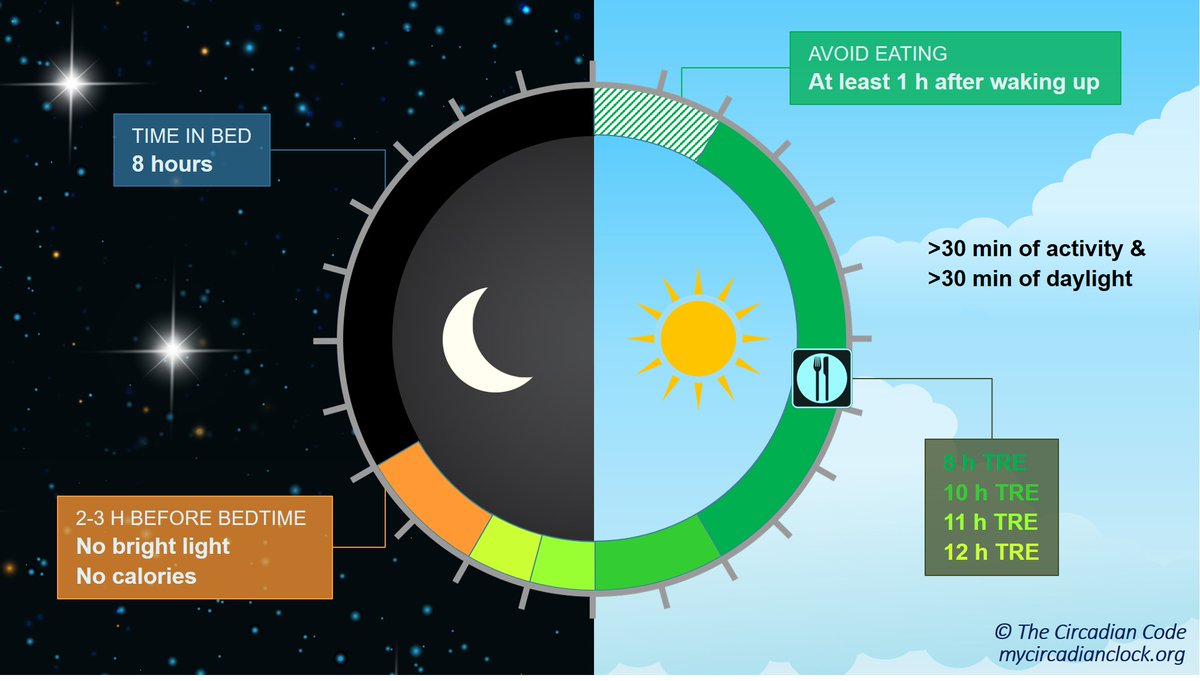
The Circadian #2021resolutions anyone can use.
* 8 h in bed
* Wait for >1 h before first calorie.
* Eat within a consistent window of 8-10 h; no longer than 12 h.
* >30min outdoor activity under daylight.
* No food, no bright light for 2 h before bedtime.
REPEAT.
Mark your calendars! 🌱🧬
🇩🇪 Molecular Biology of Plants Symposium (online) #MBP2021
March 4 2021, full day. Keynotes by Jane Parker, Salome Prat, and Jiri Friml.
https://t.co/d78q2OeTtU
Free with registration.
Follow @MolPlantSci
"YOUNG SCIENTISTS FOR PLANT HEALTH" 🌾
WEB WORKSHOP, DECEMBER 16TH 2020
SIGA, SEI, SIPAV and SIBV announce a web event dedicated to researchers under 35! The preliminary programme is available here https://t.co/3WRMW7krZn
For online registration https://t.co/67KXvNTeGm
.@guillaumelobet is fighting the impact factor, one CV at a time. Learn more about what steps you can take to create a more meaningful CV.
Read: https://t.co/S8hSiLwsu6