SNEAKO X Professor Jiang X Aleksandr Dugin | Full Interview
0:00 - Intro / setup / overview of discussion
3:08 - Eschatology explained (end-times across religions)
10:39 - Belief systems (Orthodoxy, Gnosticism, traditionalism)
17:00 - Trump symbolism, Epstein imagery & media narratives
18:50 - Western values, Enlightenment & cultural decline
23:00 - Capitalism, elites & the “Epstein class”
26:30 - America’s spiritual crisis & loss of tradition
29:30 - Zionism, evangelicals & Scofield Reference Bible
33:30 - Gog & Magog, prophecy & end-time war theory
38:30 - Psychological control, fear & deep state power structures
55:00 - Religion as a geopolitical tool (global conflicts)
1:10:00 - Antichrist, false messiahs & mass deception
1:25:00 - Chabad-Lubavitch, Kabbalah & esoteric influence
1:40:00 - Future world order & global conflict scenarios
1:55:00 - Final thoughts: collapse, hope & the endgame
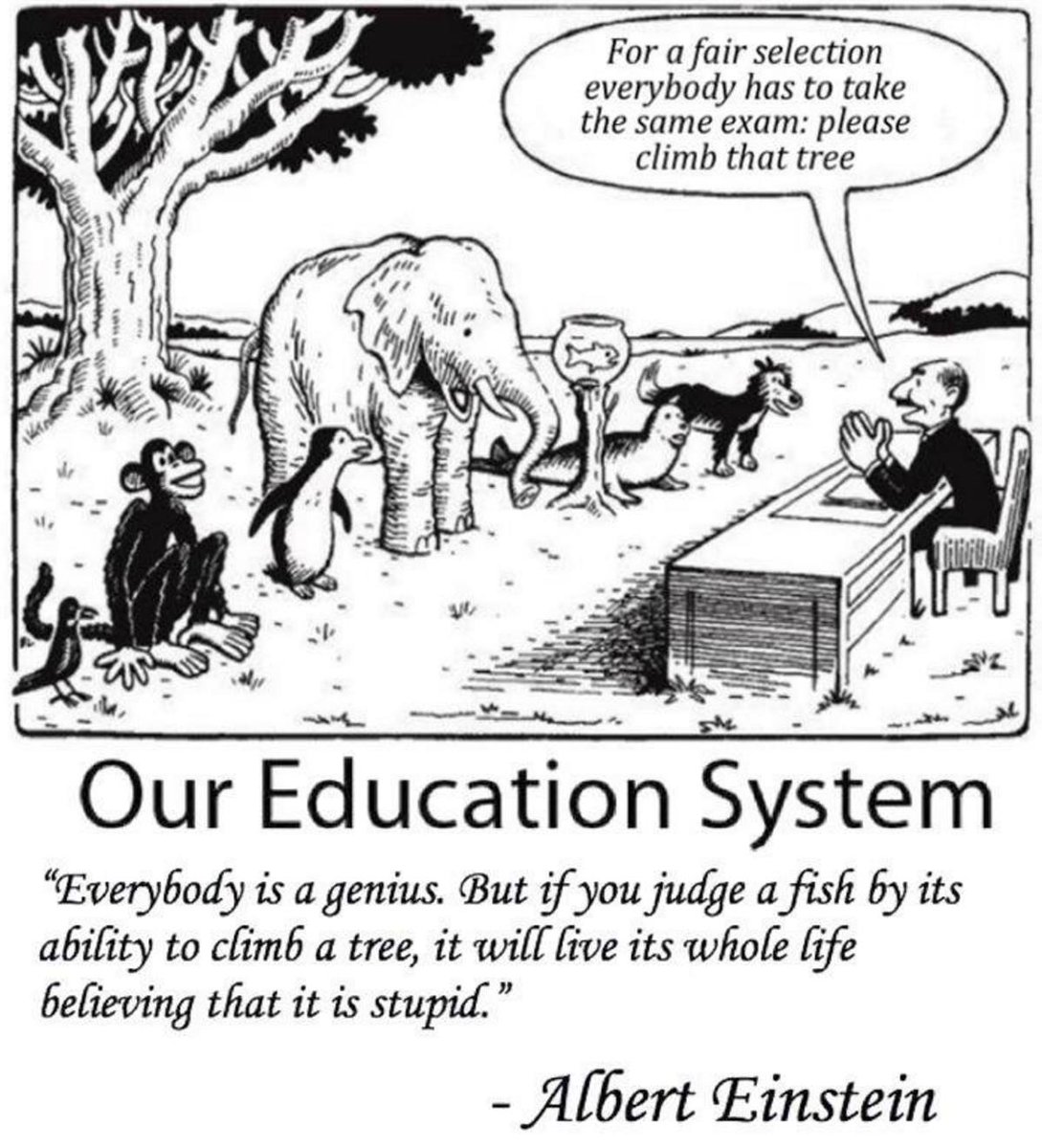
Elon Musk thinks the entire education system is built on a broken assumption.
That every student should learn the same thing. At the same speed. In the same order. At the same time.
Musk: “Everyone goes through from like 5th grade to 6th grade to 7th grade like it’s an assembly line. But people are not objects on an assembly line.”
The model was designed for a factory economy. Standardized inputs. Predictable outputs.
That economy is gone. The assembly line is gone.
But the education system still runs on its logic.
A student who masters algebra in two weeks sits through eight more weeks because the calendar says so. A student who struggles gets dragged forward because the schedule doesn’t wait.
Neither is being served. Both are being processed.
Musk: “Allow people to progress at the fastest pace that they can or are interested in, in each subject.”
AI doesn’t teach a classroom. It teaches a student.
One at a time. Every time.
It skips what a student already knows. It finds where they’re stuck and approaches it from a different angle.
It adjusts in real time. Not at the end of a semester when the damage is already done.
A student obsessed with basketball learns fractions through shooting percentages. A student who builds in Minecraft learns geometry through architecture.
The subject doesn’t change. The entry point does.
No teacher with thirty students can do this. Not because they lack skill.
Because the math doesn’t work.
AI doesn’t have that constraint.
Musk: “You do not need to tell your kid to play video games. They will play video games on autopilot all day. So if you can make it interactive and engaging, then you can make education far more compelling.”
The brain isn’t broken. The format is.
Kids learn complex systems and strategic thinking for hours voluntarily. Then walk into a classroom and can’t focus for twenty minutes.
That’s not a discipline problem. That’s a design problem.
Musk: “A university education is often unnecessary. You probably learn the vast majority of what you’re going to learn there in the first two years. And most of it is from your classmates.”
Four years. Six figures of debt.
And the real value comes from the people sitting next to you. Not the institution charging you.
The degree doesn’t certify knowledge. It certifies endurance.
Musk: “If the goal is to start a company, I would say no point in finishing college.”
The system was built to train employees. If you’re not trying to be one, it has nothing left to offer you.
Every lecture. Every textbook. Every curriculum. Now available instantly. Personalized to any learner. Adapted to any pace.
The question isn’t whether the old model survives.
It’s how long we keep forcing students through it while the replacement already exists.
Things you used today that were probably made in Brazil:
The coffee you drank this morning. Brazil has been the world's #1 producer for over 150 years. It grows more than the next two countries combined.
The orange juice at breakfast. Brazil supplies about 75% of the world's oranges used for orange juice. Florida's production has declined 92% in two decades.
The chicken in your lunch. Brazil is the world's largest chicken exporter. Approximately one out of every three pieces of chicken traded internationally comes from a Brazilian processing plant.
The steak at dinner. Brazil is the world's largest beef exporter. $18 billion in revenue in 2025. Up 40% in a single year.
The sugar in your drink. Brazil is the world's largest sugar exporter. It also converts that sugar into ethanol and blends it into fuel.
The paper towel you threw away. Suzano, headquartered in São Paulo, is the world's largest pulp producer. Brazilian eucalyptus grows to harvest in 7 years. Scandinavian pine takes 25.
The leather in your shoes. Brazil has approximately 232 million head of cattle. More cattle than people in every country in Europe.
The iron in the steel frame of the building you're sitting in. Brazil is one of the largest iron ore exporters on earth. It shipped over 400 million tonnes in 2025.
The niobium in the alloy that makes your car lighter and stronger. Brazil controls 94% of global niobium reserves. Primarily from Minas Gerais.
The soy meal that fed the animal you ate. Brazil exported 108.2 million tonnes of soybeans in 2025. More than any country in history has ever exported in a single year.
The airplane you flew on last week. Embraer E-Jets make up about half of all regional jets flying for American, Delta, United, and Alaska. Built in São José dos Campos, Brazil.
The phone in your pocket might have been assembled in Manaus, where Samsung, LG, and Panasonic operate factories inside the Amazon rainforest.
Brazil is in your morning coffee. Your lunch. Your dinner. Your clothes. Your buildings. Your car. Your airplane. Your phone.
It touches your life a dozen times a day.
You just never see the label.
The most influential country in your daily life is the one you think about the least.
Professor Jiang Xueqin on how this war is likely to go and what happens to the world.
(0:00) How Will the Iran War Be Resolved?
(7:33) The 3 Major Trends We Will See Due to This War
(11:28) Will Japan Become a Nuclear-Armed Power?
(16:06) The Future of South Korea
(20:12) The Energy Crisis
(25:23) The Future of the GCC and Iran
(29:57) The Greater Israel Project
(35:11) How US Ground Troops Will Change the War
(36:46) Prof. Xueqin’s Advice to Donald Trump
(38:49) Is It Possible for the US to Get Israel Under Control?
(45:03) What Role Does Trump Play in All This?
(48:21) The Future of North America
(54:59) Are We Seeing the End of Europe?
(1:00:58) How Many Americans Truly Understand What’s Happening in the World?
(1:03:50) The Effort to Destroy Western Civilization
China is spending money on China, but the US is spending tons of money to change the regimes and go to wars that are not even theirs, so they don’t have this.
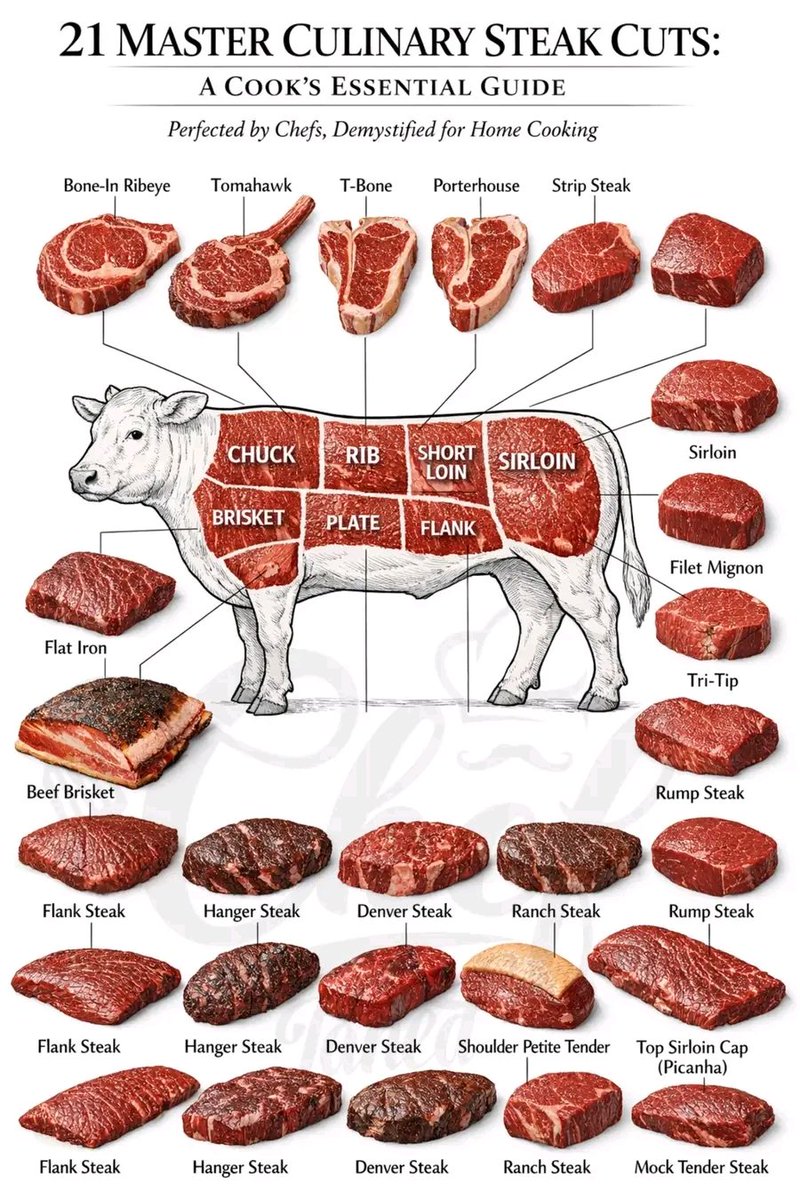
21 Master Culinary Steak Cuts: A Cook’s Essential Guide for Understanding Premium Beef
Every steak lover knows that the flavor, tenderness, and cooking method of beef depend on where the cut comes from on the cow. This visual guide highlights 21 important culinary steak cuts that chefs and home cooks use to create restaurant-quality meals. From richly marbled rib cuts to lean flank steaks, each cut offers a unique texture, flavor profile, and best cooking technique.
Premium Rib and Loin Steaks
These cuts are among the most popular and valuable steaks because of their tenderness and marbling.
Bone-In Ribeye
Tomahawk
T-Bone
Porterhouse
Strip Steak
Tender and Classic Steakhouse Cuts
Sirloin
Filet Mignon
Tri-Tip
Rump Steak
Flavorful Butcher’s and Specialty Cuts
Flat Iron
Beef Brisket
Flank Steak
Hanger Steak
Denver Steak
Ranch Steak
Shoulder Petite Tender
Top Sirloin Cap (Picanha)
Mock Tender Steak
Additional Variations of Popular Cuts Featured in the Guide
Flank Steak
Hanger Steak
Denver Steak
Ranch Steak
Rump Steak
Flank Steak
Hanger Steak
Denver Steak
Each of these steak cuts comes from different primal sections of the cow including Chuck, Rib, Short Loin, Sirloin, Brisket, Plate, and Flank. Cuts from the rib and loin are usually the most tender and best for grilling, while cuts from the chuck, flank, and plate are more flavorful and often used for marinating, slow cooking, or slicing thin.
Cooking Tips for Maximum Flavor
Ribeye and Tomahawk are best grilled or pan-seared because their fat marbling keeps the meat juicy.
T-Bone and Porterhouse combine two steaks in one cut and are ideal for high-heat grilling.
Filet Mignon is extremely tender and perfect for quick pan-searing.
Flank, Hanger, and Denver steaks develop deep flavor when marinated and cooked over high heat.
Brisket and tougher cuts shine when slow-cooked or smoked.
Understanding these steak cuts helps cooks choose the right meat for grilling, roasting, smoking, or pan-searing while maximizing flavor and tenderness.
🇨🇳 ÚLTIMA HORA: La República Popular China está probando un método de gobierno revolucionario que se basa en mejorar la vida de la gente, construir las mejores infraestructuras posibles y no bombardear a nadie para robarle sus recursos.
¿Un nuevo mundo es posible?
Científicos surcoreanos han desarrollado un parche capaz de regenerar dientes de manera natural.
El parche utiliza tecnología de regeneración de tejidos, estimulando las células madre en las encías para que formen nuevos dientes de manera completa y funcional.
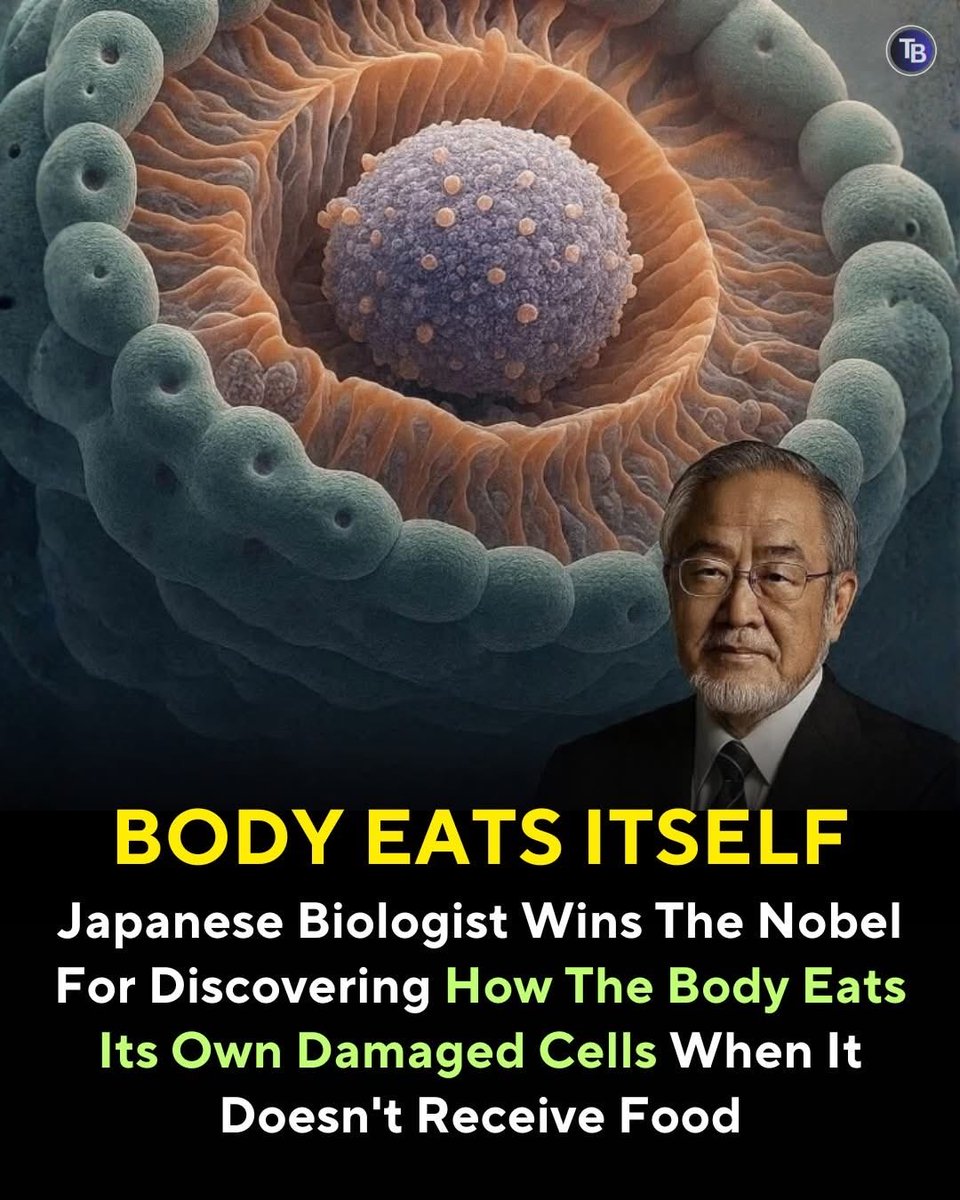
In 2016, Japanese biologist Dr. Yoshinori Ohsumi was awarded the Nobel Prize in Physiology or Medicine for his groundbreaking research into autophagy, a term derived from the Greek words for self-eating.
This extraordinary biological repair mechanism acts as the body's internal recycling system, identifying and breaking down damaged cellular components.
When triggered by factors such as fasting or cellular stress, the body begins a sophisticated process of cleaning out dysfunctional proteins and organelles to maintain cellular integrity.
The discovery of autophagy has fundamentally shifted the scientific understanding of aging and disease prevention.
By clearing out cellular waste, this process plays a critical role in protecting the body against various conditions, including cancer and neurodegenerative disorders like Alzheimer’s and Parkinson’s.
It serves as a vital defense mechanism that not only keeps cells healthy but also optimizes their performance, suggesting that periodic cellular stress is essential for long-term physiological resilience and longevity.
Dr. Ohsumi’s work revealed that hunger and fasting are more than just states of deprivation; they are powerful triggers for nature's most effective detoxification system.
Through this metabolic pathway, the body transforms metabolic waste into usable energy and new building blocks for cellular renewal.
This natural miracle, hiding in plain sight, underscores the importance of nutrition and timing in health, proving that the body possesses an innate ability to heal and optimize itself from the inside out.
#Autophagy #NobelPrize #CellularHealth
‼️ 460 million years ago this was an ocean floor.
China’s Suobuya Stone Forest is now a striking 21‑square‑kilometer karst landscape.
The world’s first Ordovician stone forest and the country's second largest. https://t.co/S5ZfiqkXXw