They don’t see the way you flinch when someone gets too close,
how you sabotage care before it can hurt you,
how you whisper to yourself, “Don’t need too much.”
Because a part of you still believes:
“If I lean in, they’ll let go.”
But you don’t have to keep living like this.
You don’t have to keep pretending you’re okay carrying everything alone.
That little child inside you —
she’s still waiting for safety,
for softness,
for someone to finally say,
“It’s okay. You don’t have to hold this anymore. I’ve got you.”
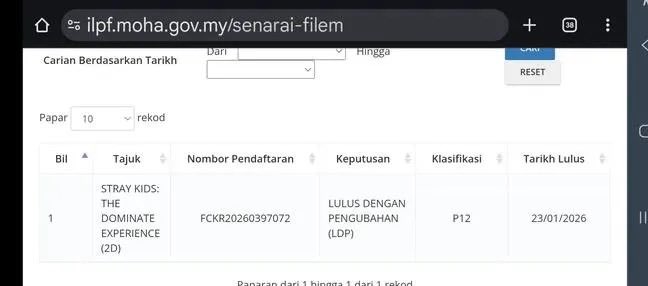
People that don’t know each other screaming, crying, dancing and jumping together, having the time of their lives at a cinema… this is the family you’ve created Stray Kids❤️🩹
I loved reliving the best day of my life through the big screen!
#The_dominATE_Experience
I stopped telling people when my mental health starts getting bad again. Once I heard someone say how exhausting it is to love someone with depression and anxiety, it never left me.
The last thing I want is to drain the people I care about while I’m fighting just to stay afloat. So I stay quiet. I struggle alone. Not because I want to but because I’d rather carry it in silence than feel like a burden. That kind of pain isn’t something most people ever have to understand.
Van Gogh died broke because nobody wanted his paintings. He sold maybe one during his entire life. The art world thought his style was too immature. His brother Theo, an art dealer, kept him alive by sending money constantly.
When Van Gogh passed in 1890, his brother, Theo died just six months later. That left Theo's wife Jo as a 28 year old widow with a baby and about 900 paintings nobody wanted, plus hundreds of letters.
Here's what actually mattered. Van Gogh had written hundred of letters letters to Theo and Jo explaining individual paintings and his life as an artist. He told them the stories behind each work, what he was trying to express, what each one meant to him.
After both brothers died, Jo remembered these letters and published them.
That's what made him famous. People could read Van Gogh's own words about each painting. The works stopped being random art and became stories he had experienced. The paintings got context directly from him explaining what he was doing. Jo gave the world Van Gogh's voice attached to his work.
By the time she died in 1925, he had gone from total unknown to art historical icon.