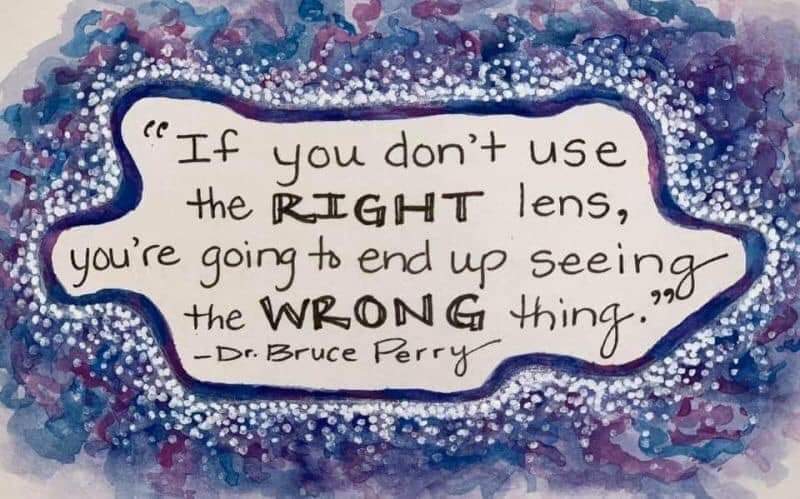
A big part of trauma informed, responsive education is adopting a neuroscience based approach.This helps us view behaviour through a lens of understanding how the brain and body work. When we understand this,we understand our young people better.🧠🌱
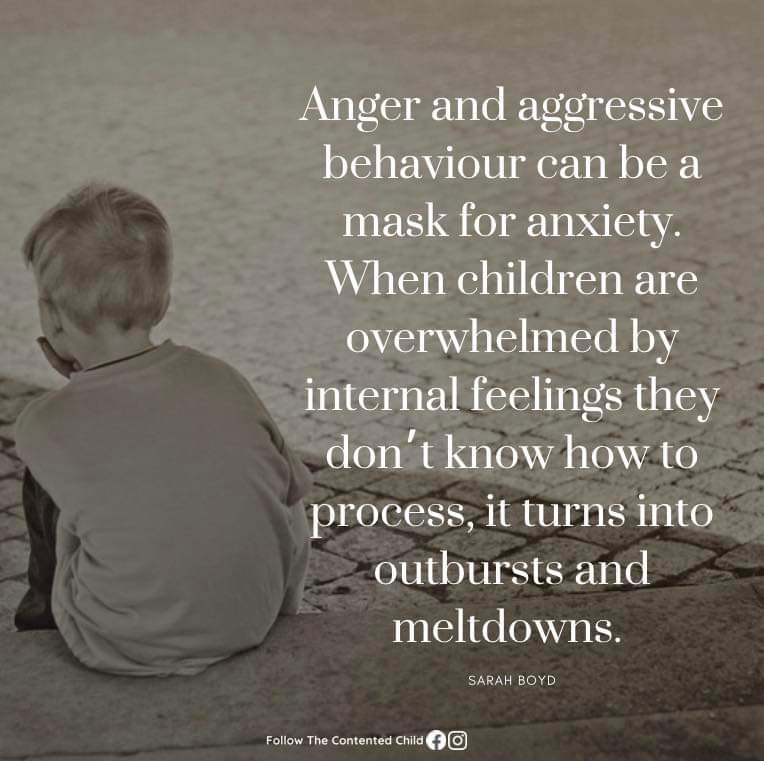
In addition. Anger and aggression can also be rooted in emotional discomfort, not cognitive. This can often be stored/trapped trauma in the body, making emotions much more overwhelming. This can leave the young person feeling isolated, confused, and ashamed. 🧠🌱
We recently ran a survey & have collected responses from 200+ teachers on how the lack of jobs in Scotland is affecting them. This is having a direct impact is on teachers' mental health & financial stability.
We have published some of the responses here
https://t.co/mIsNoDVE1B
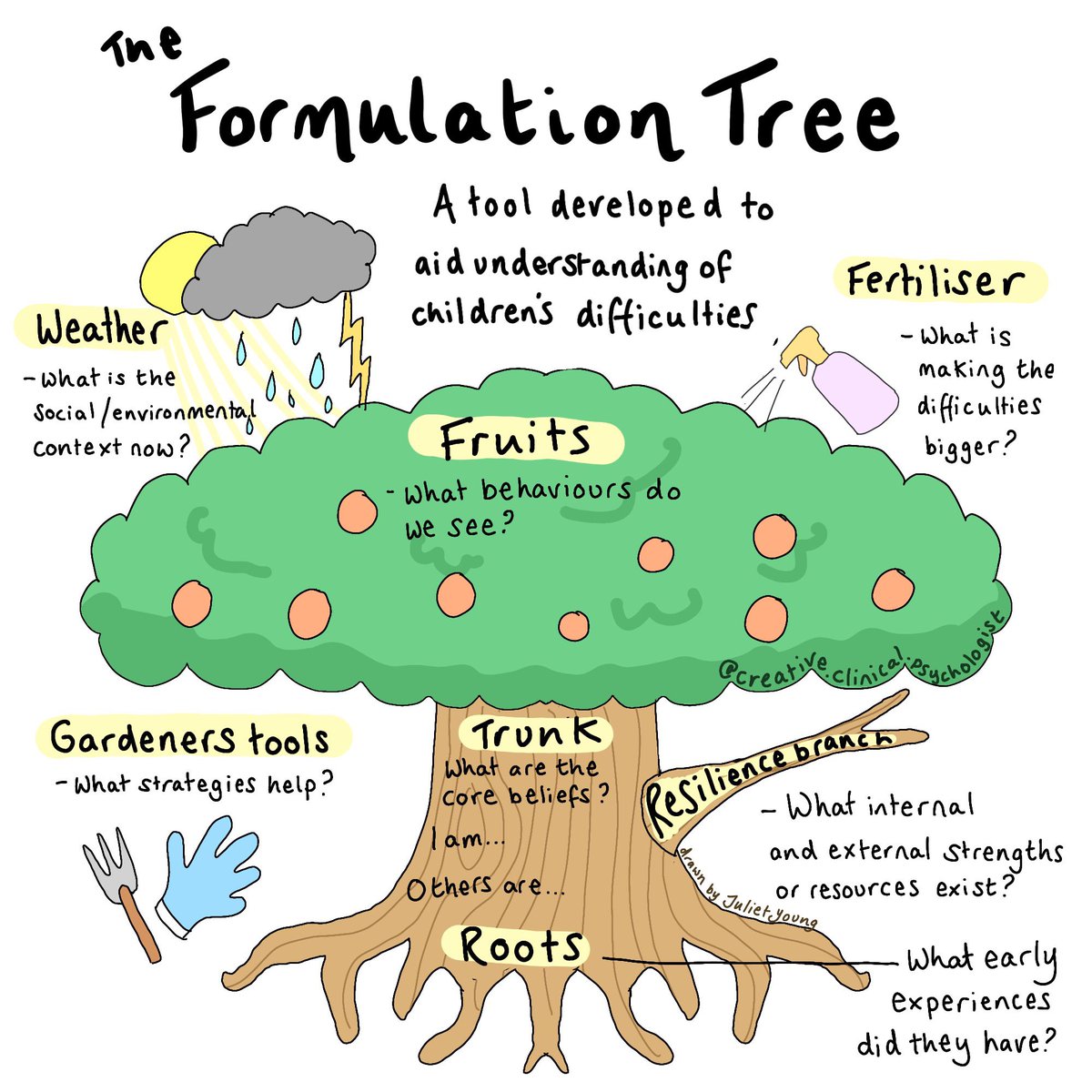
Love this graphic as a metaphor for understanding children’s difficulties. Look at all the input needed to support the tree grow and flourish.
📷 IG creative.clinical.psychologist
Our Deputy Head of School @ajcorrigan shares some honest advice for teachers at any stage of their career. Must be one for a rainy ☔️ holiday Monday listen. Tune in 👇
“Being able to feel safe with other people is probably the single most important aspect of mental health. Safe connections are fundamental to meaningful and satisfying lives.” - Bessel van der Kolk.
#relationships
Continuity is required for building relationships and fostering trust. Do zero hour contracts or casual supply allow for the relationships needed to drive learning? We know we can make a difference #LetUsTeach@NicolaSturgeon@S_A_Somerville
https://t.co/lrfxmTcRMT
@lrogersBAEd There is lots of information, books, resources, videos etc here https://t.co/RSr0uNQa0Q. I also liked the book ‘Other People’s Children’ by Lisa Delpit. Hope that’s helpful.