Here's our org in a single Tweet:
M:d: Customer energy data is theirs. Utilities as stewards have an obligation to serve the public by facilitating data portability
Utilities: No. Possession is 9/10ths of the law, so...<running down clock>
M:d: See you at the hearing!
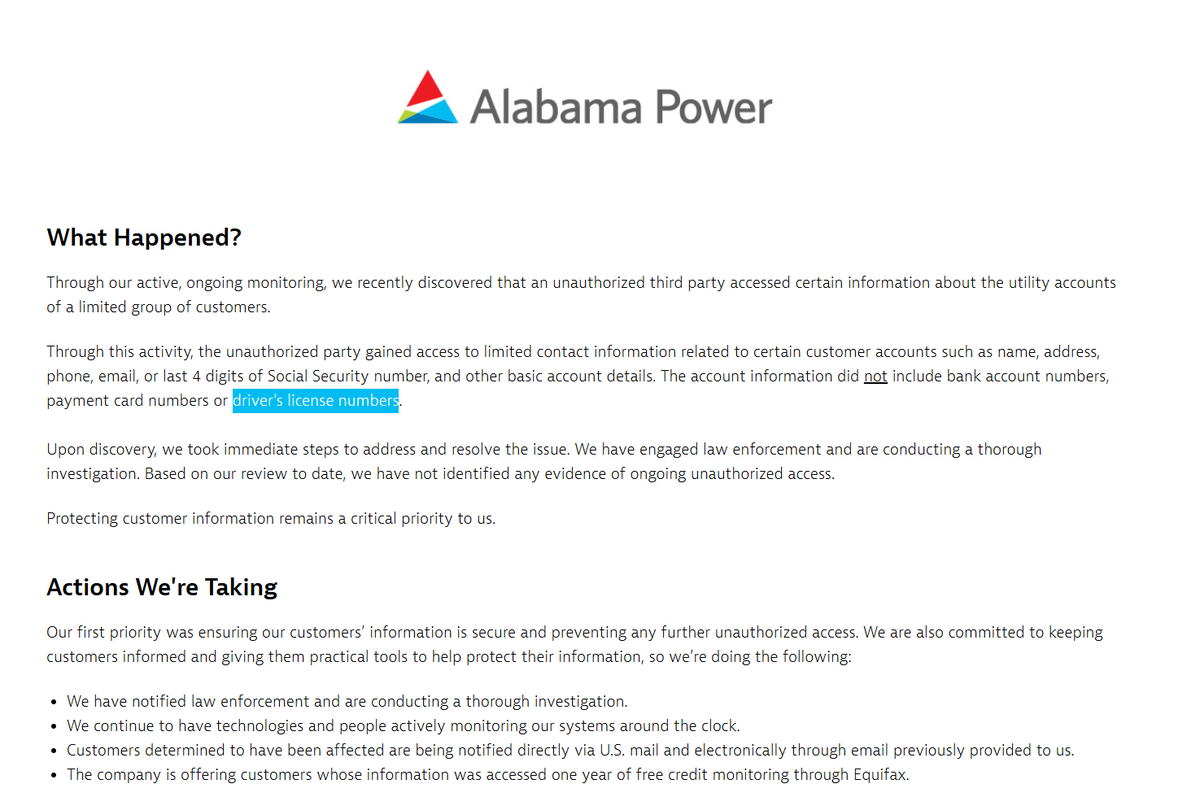
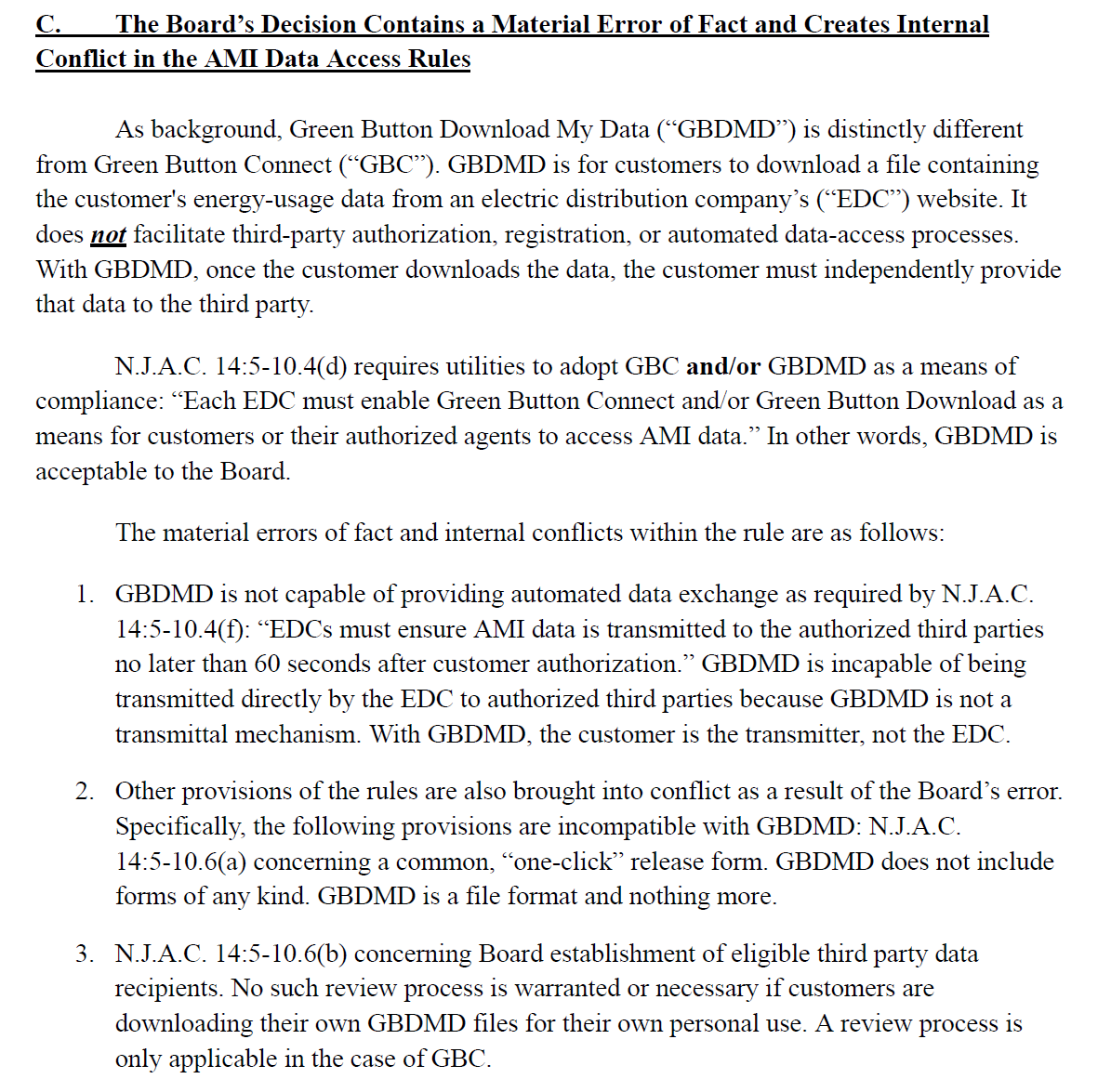
Utilities' biggest tell is their differing positions on customer data.
When your aggregator needs your data, electric utilities say "sorry Green Button Download My Data is sufficient."
But when those same utilities need device-level performance data, they insist on automation.
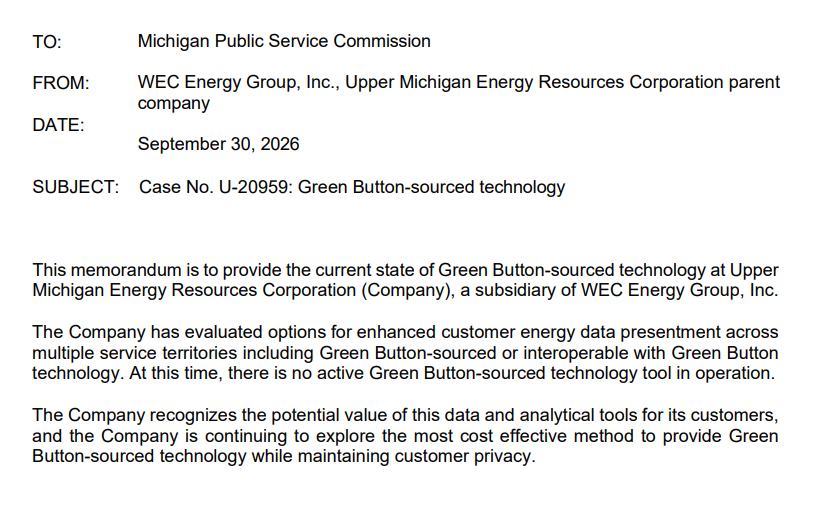
WEC in Michigan is going to keep submitting these empty filings about Green Button unless and until the PSC gives a deadline for compliance. Orders without deadlines are meaningless.
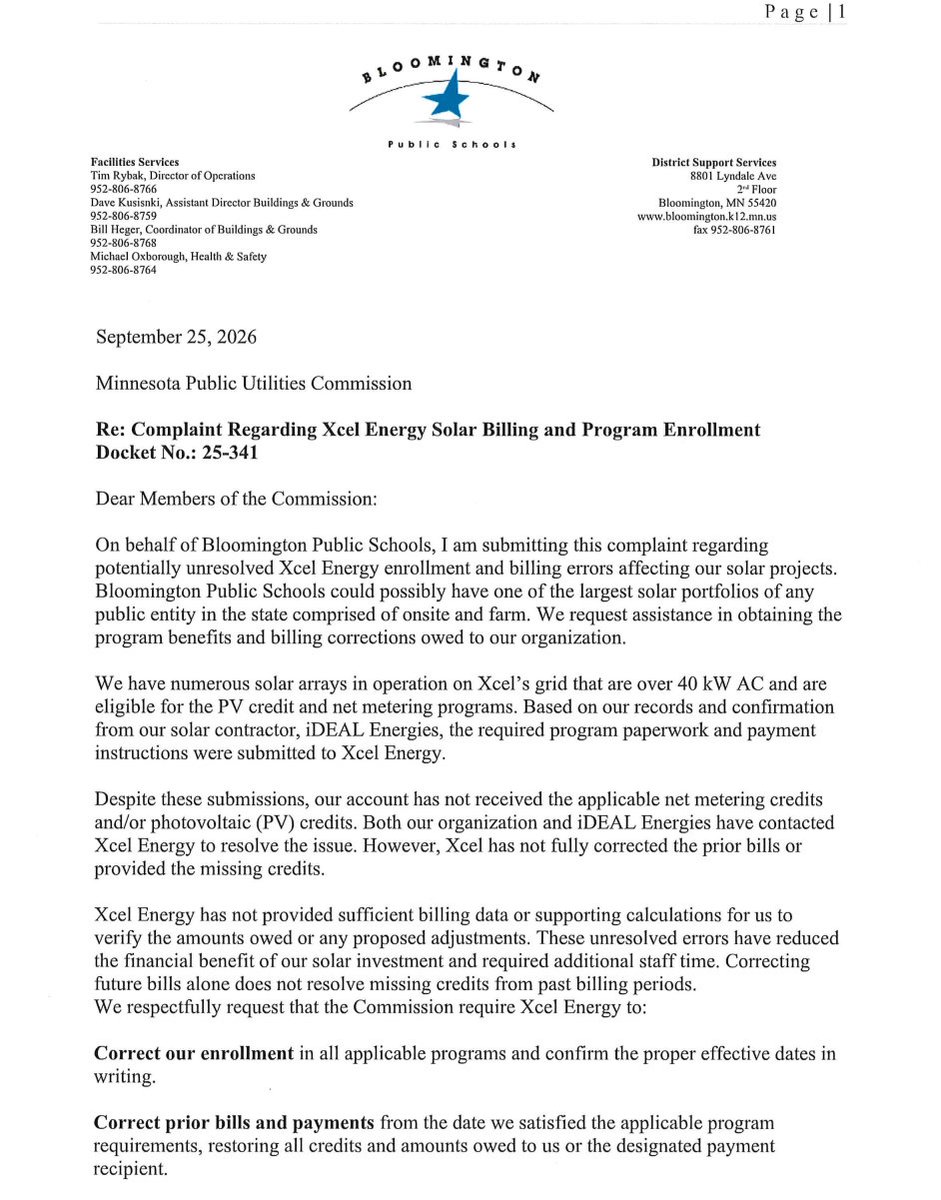
Minnesota PUC is getting an earful from schools that Xcel has screwed up their solar credits.
Faulty billing systems strike again. Will MnPUC hold Xcel accountable?
https://t.co/YTgNPeDMjb
New Jersey BPU staff says DER aggregators must follow the NIST Cybersecurity Framework.
Have they actually read the framework? Is it administrable, let alone enforceable? It's a bunch of concept best practices, not a tool for eligibility determination.
@AriPeskoe It's the same changes to 16 U.S.C. 2621(d) that EISA (2007) enacted regarding smart meters.
As we know, that accomplished precisely nothing. Same expectations here.
In 2022, Pepco (D.C.) said data portability would cost $8.65M.
This week, it's $900k -- one-tenth the cost.
Who would have thought that competitive procurement could actually decrease costs?
https://t.co/XjlwZVprXy
KU/LG&E refuse to confirm their Green Button certification in merger case.
Probably because their certification is a lie, as their tech support admitted to us their GBC is not operational, despite sworn testimony to the Kentucky PSC
@JaneAFlegal@Arnold_Ventures@OurWorldInData@_HannahRitchie That's great -- a nice complement to this map showing where entrepreneurs can get utility meter data via APIs across North America for behind-the-meter solutions
https://t.co/KlQWHnx4QX
With electric bills, consumers are rightfully skeptical that bills are accurate. While many are, the scandals and investigations in virtually every state do not give a warm, fuzzy feeling.
People have been taking empty milk jugs to the gas station to see how much gas they’re actually getting for a gallon’s worth. The results are not good.
People have been taking empty milk jugs to the gas station to see how much gas they’re actually getting for a gallon’s worth. The results are not good.
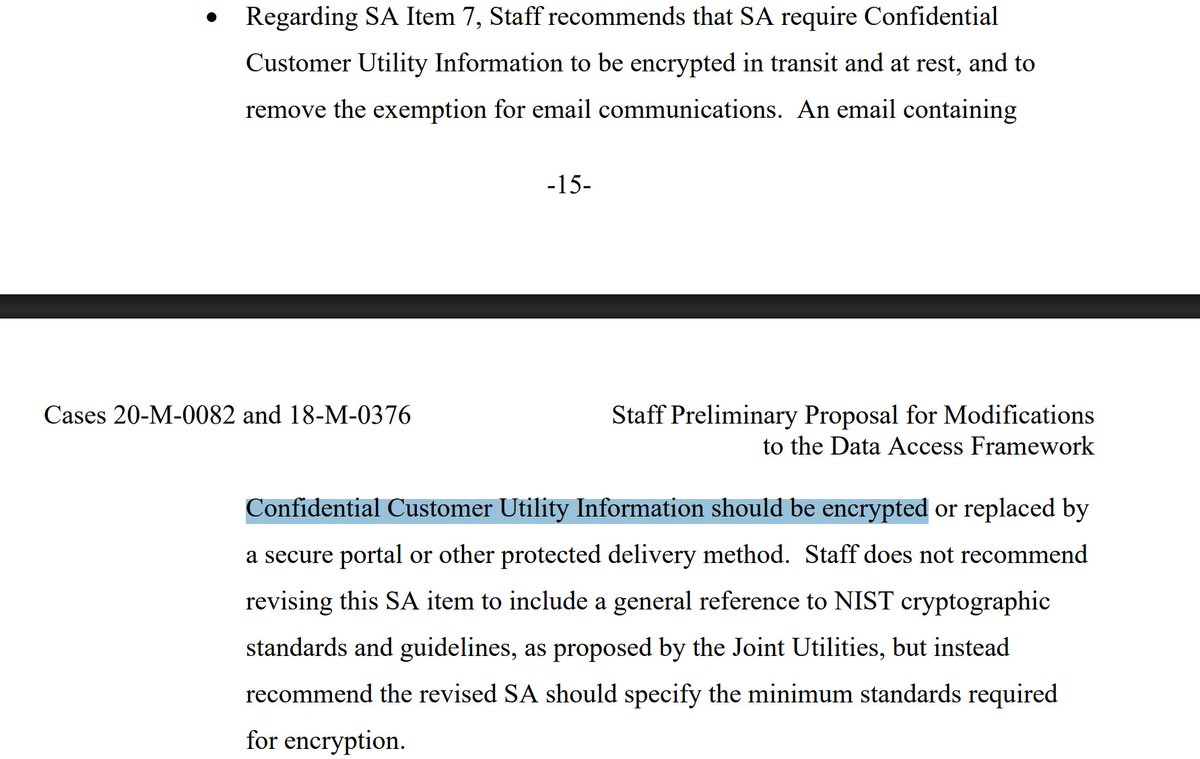
The proposal confuses performative action with effectiveness. This is classic "security theatre." Cybersecurity risks are ever-changing and scary! Let's tighten the one-way ratchet! So.....cut back on email not b/c of evidence but b/c we must look like we're doing something.
New York DPS Staff proposal would prohibit utility account managers from emailing billing data to schools, hospitals, large real estate, etc. and replacing that with "secure portals."
Show us the evidence of a SINGLE privacy harm caused by email communication in this way.