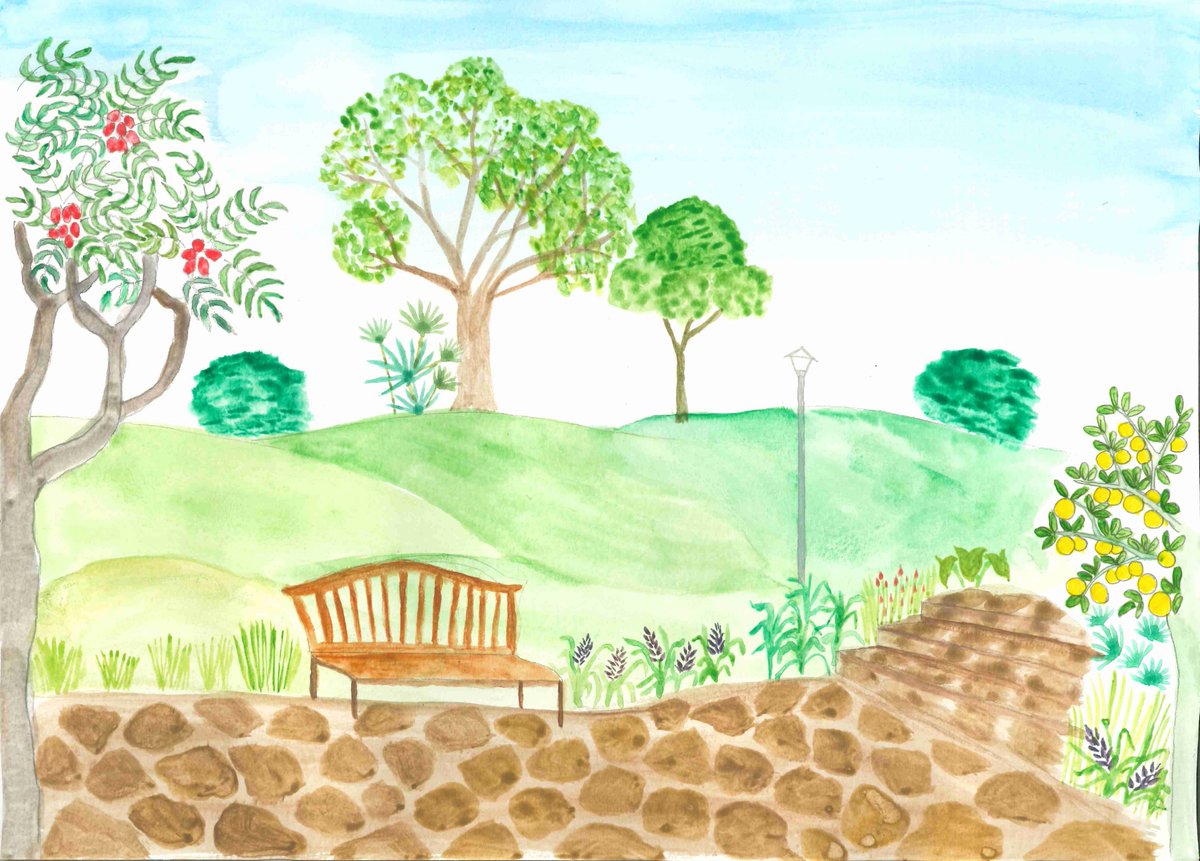
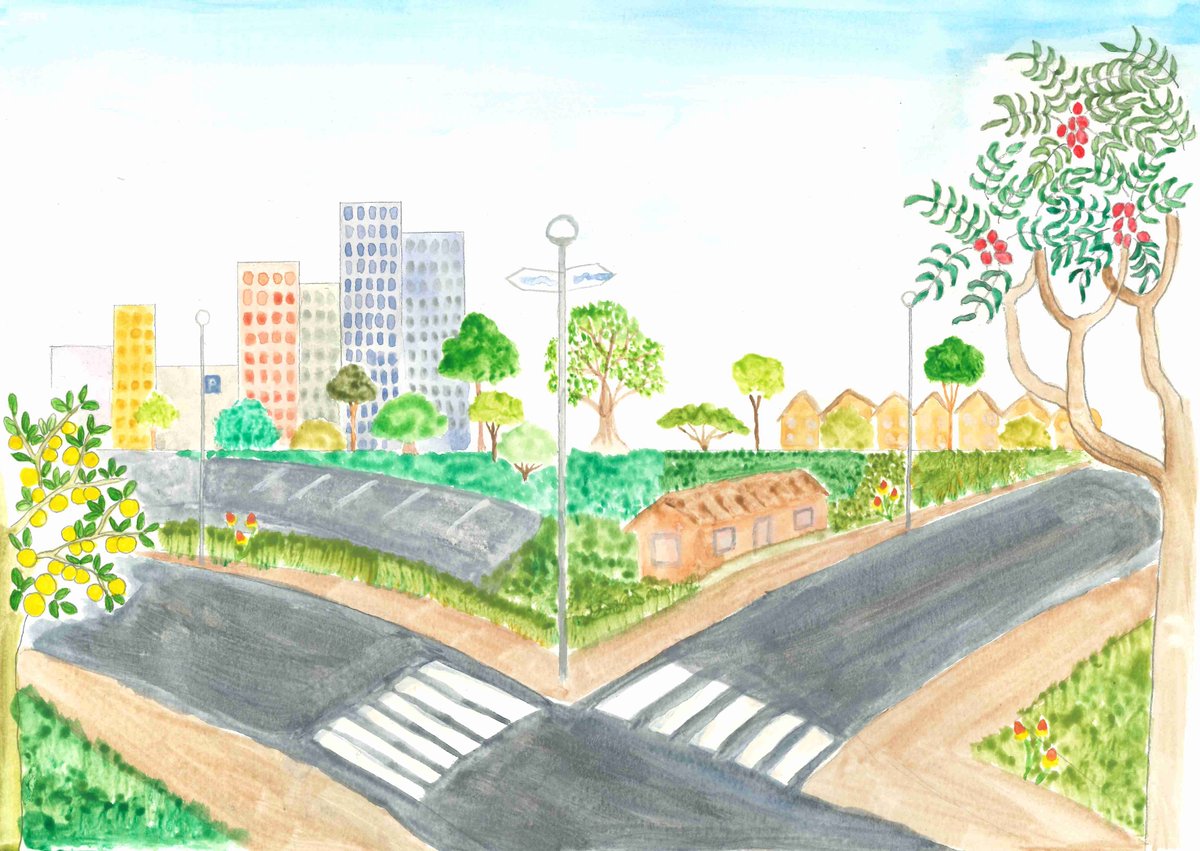
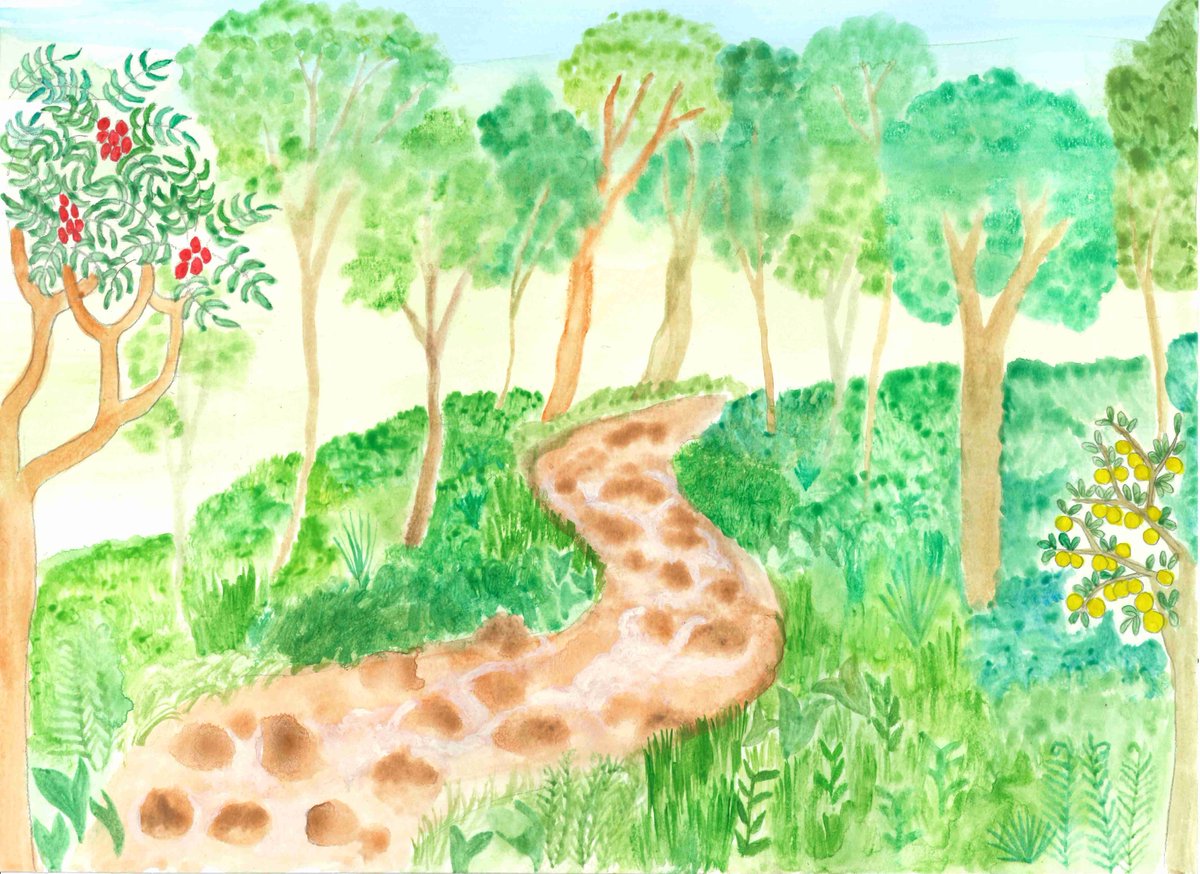
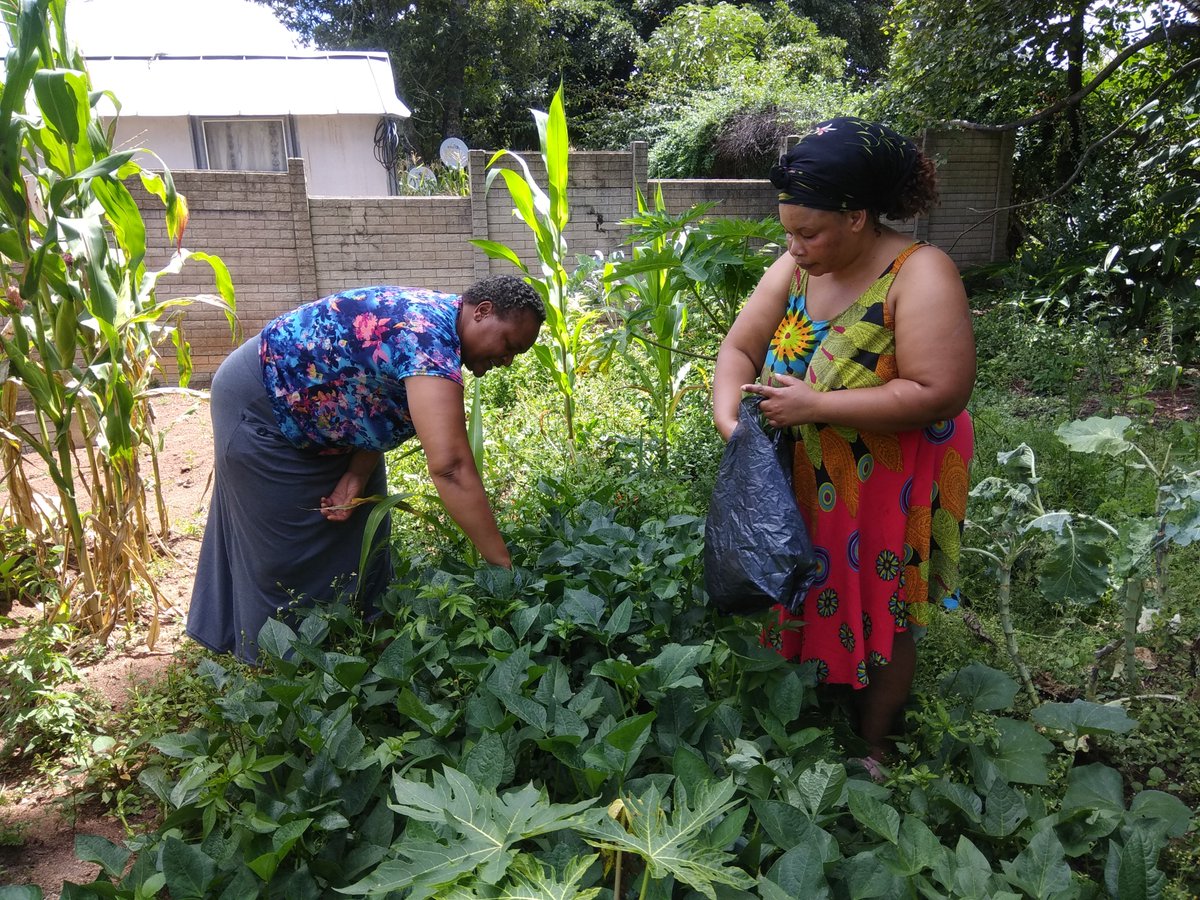
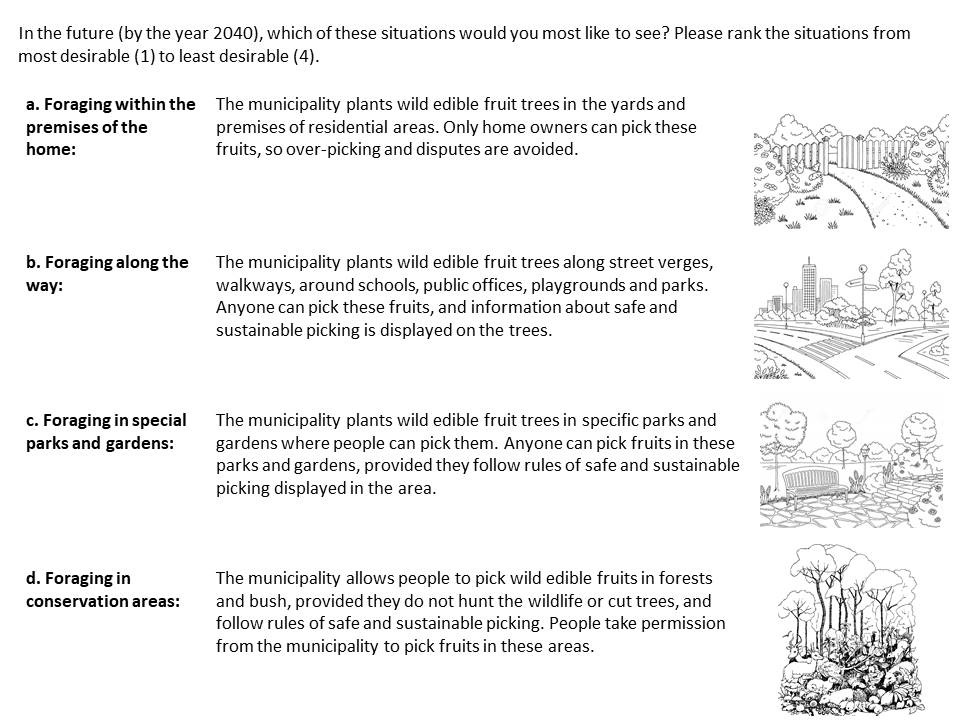
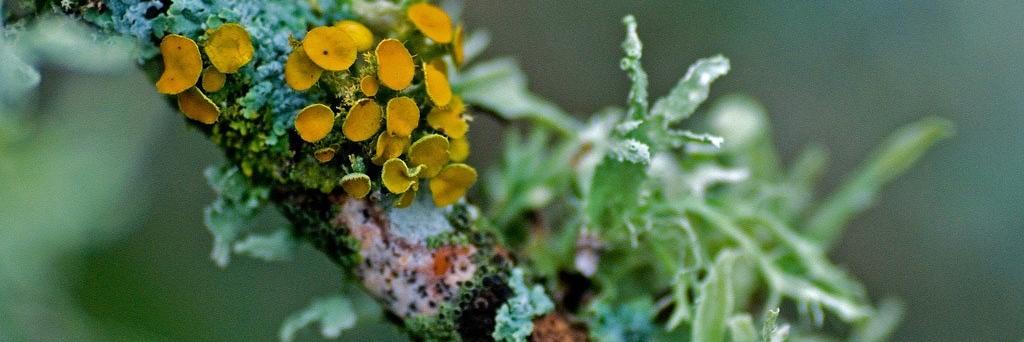
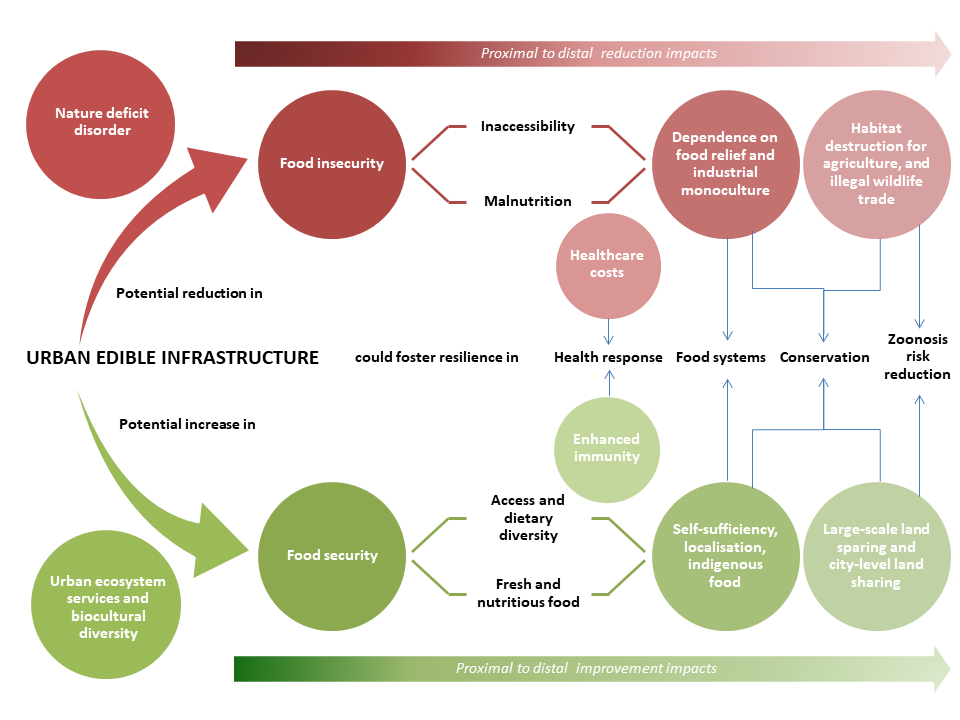
Could we create biodiverse edible spaces in cities to support foraging? Combining perspectives from city-dwellers, land managers, and theory, we suggest how urban greenspace could be actively enriched for human and non-human use! https://t.co/1c0TW6effU
Ever enjoyed picking nature's bounty at the street corner or the neighbourhood park? You're an urban forager! Join us to celebrate our book on the fascinating phenomenon: https://t.co/KWnt0gxqKb
#urbforag#urbanforage#urbannature#wildharvest#wildforaging
Visualising positive change is the first step towards creating sustainable cities in uncertain times: https://t.co/e56lZdi8zn
#FutureCities#climatesolutions#resilience
How much of what people use comes straight from wild spaces? A fascinating journey across South Africa revealed many things to me https://t.co/vdx5QqW2iH
#biodiversity#economy#natural#resources#wild#food
@of_things_wild @Rhodes_Uni@NRF_News I think it goes both ways. Durban already has a problem of garden raids by monkeys for fruit, which may be exacerbated or eased, time and experiments will tell. On the other hand, planting indigenous edible species will provide habitat and transit for birds, insects, mammals.
3/6
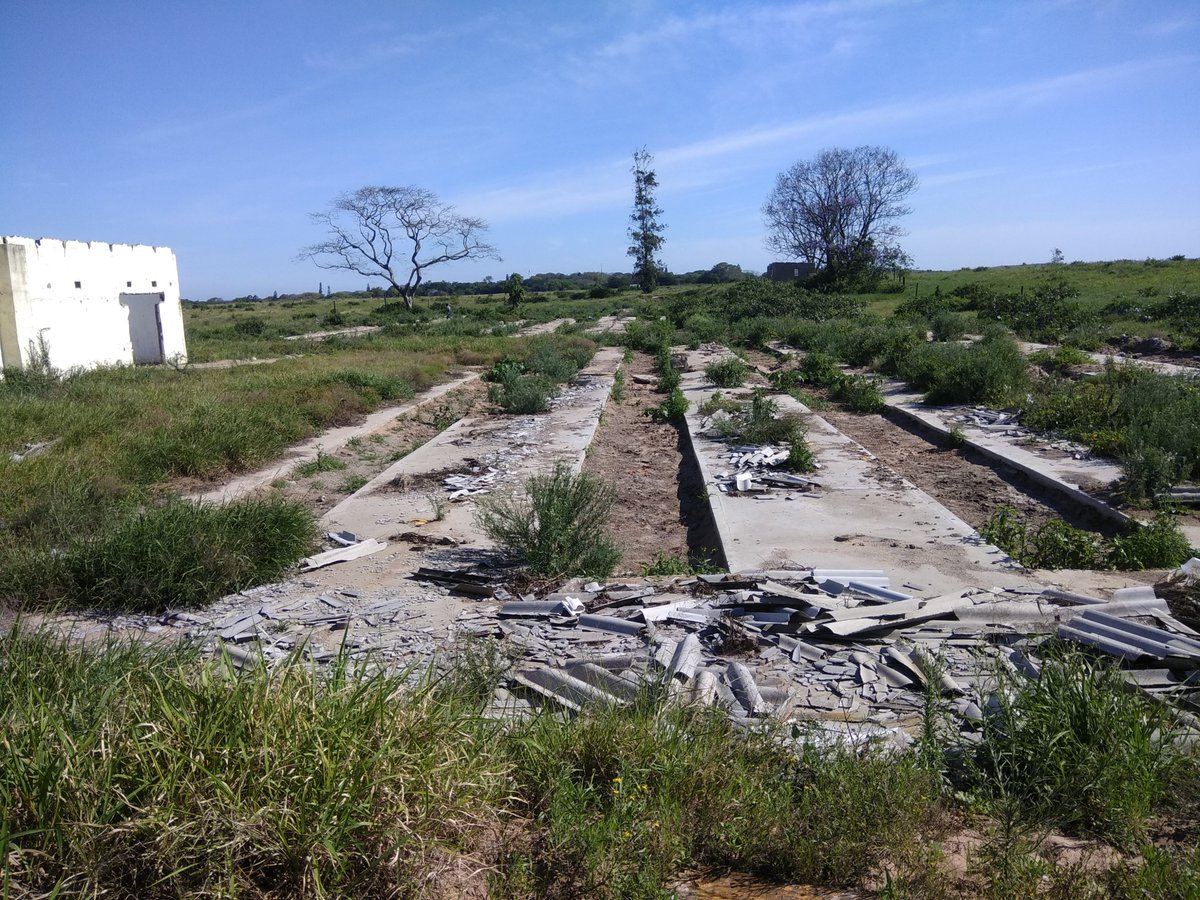
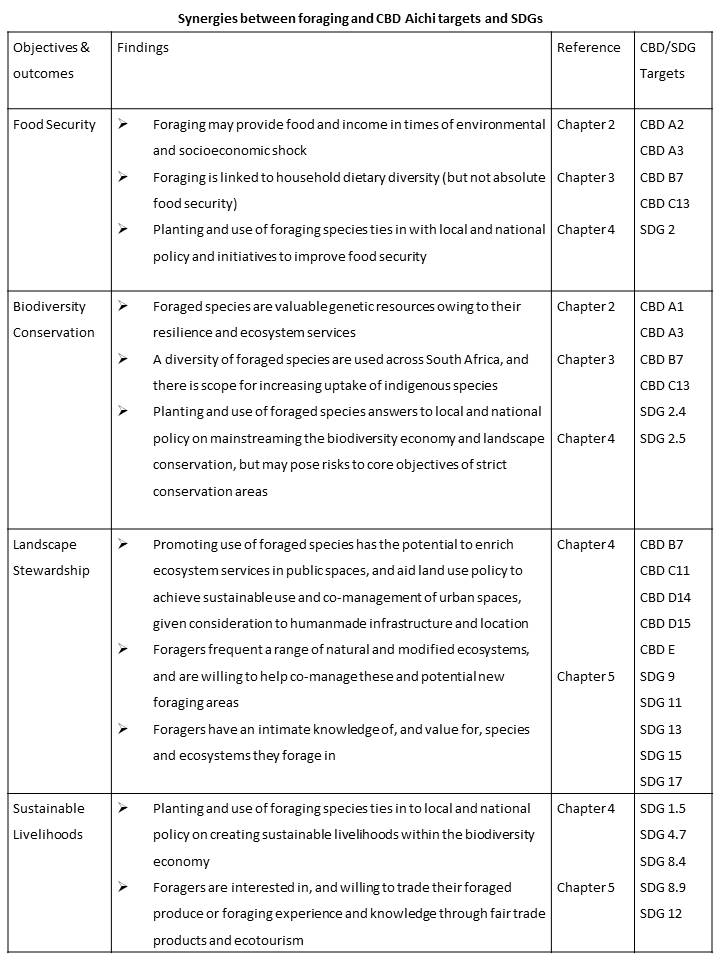
Is it legal? On sidewalks, in public parks, vacant lots, unless otherwise specified
Barred: protected areas and species
Aligns with national goals and policy on agroecology, biodiversity economy
Unknown: How much, where is sustainable?
#urbancommons#DICECON20#ValueNat
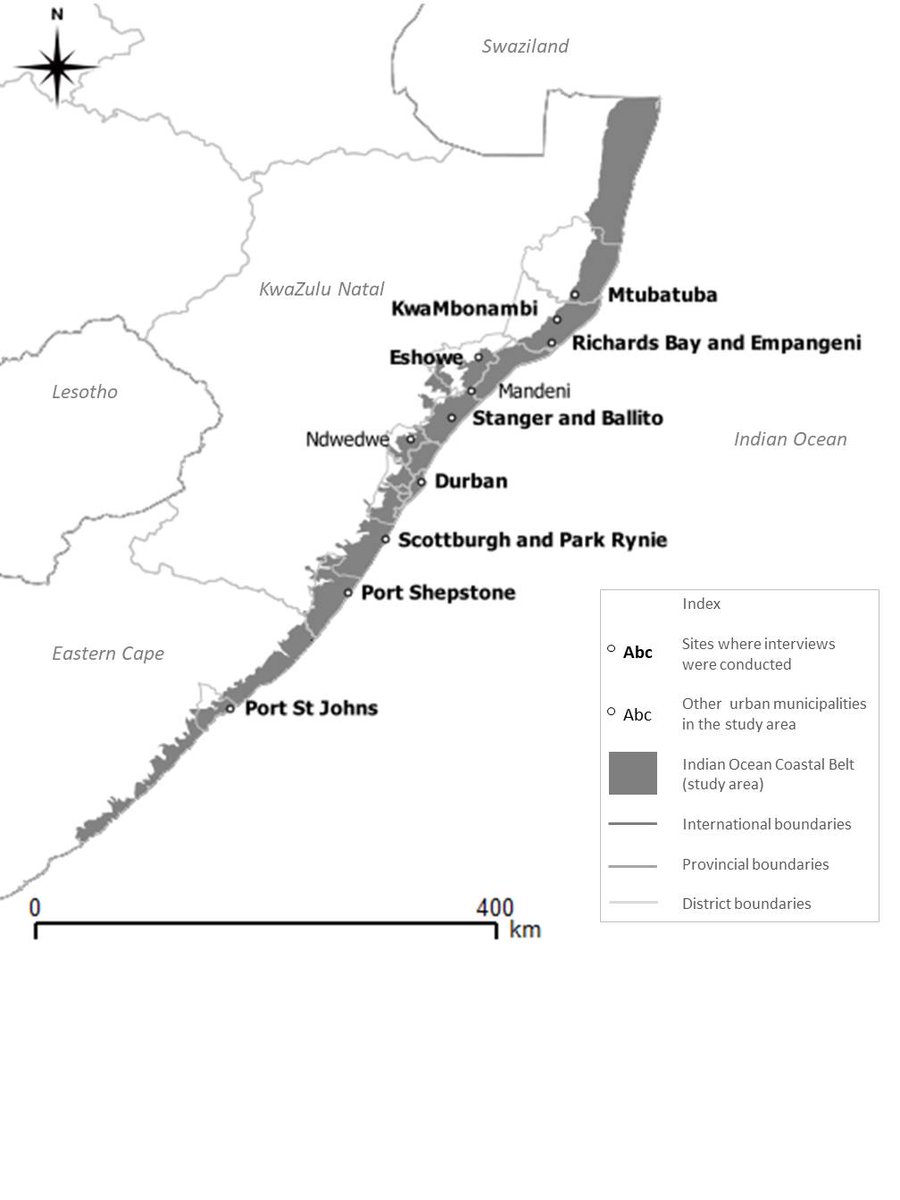
@of_things_wild @Rhodes_Uni@NRF_News Thanks Sakshi. The study was based along the east coast of South Africa. Municipalities currently provide indigenous species to new residential areas and public spaces, but these are rarely edible. Hoping that my list helps with planting multipurpose species soon.
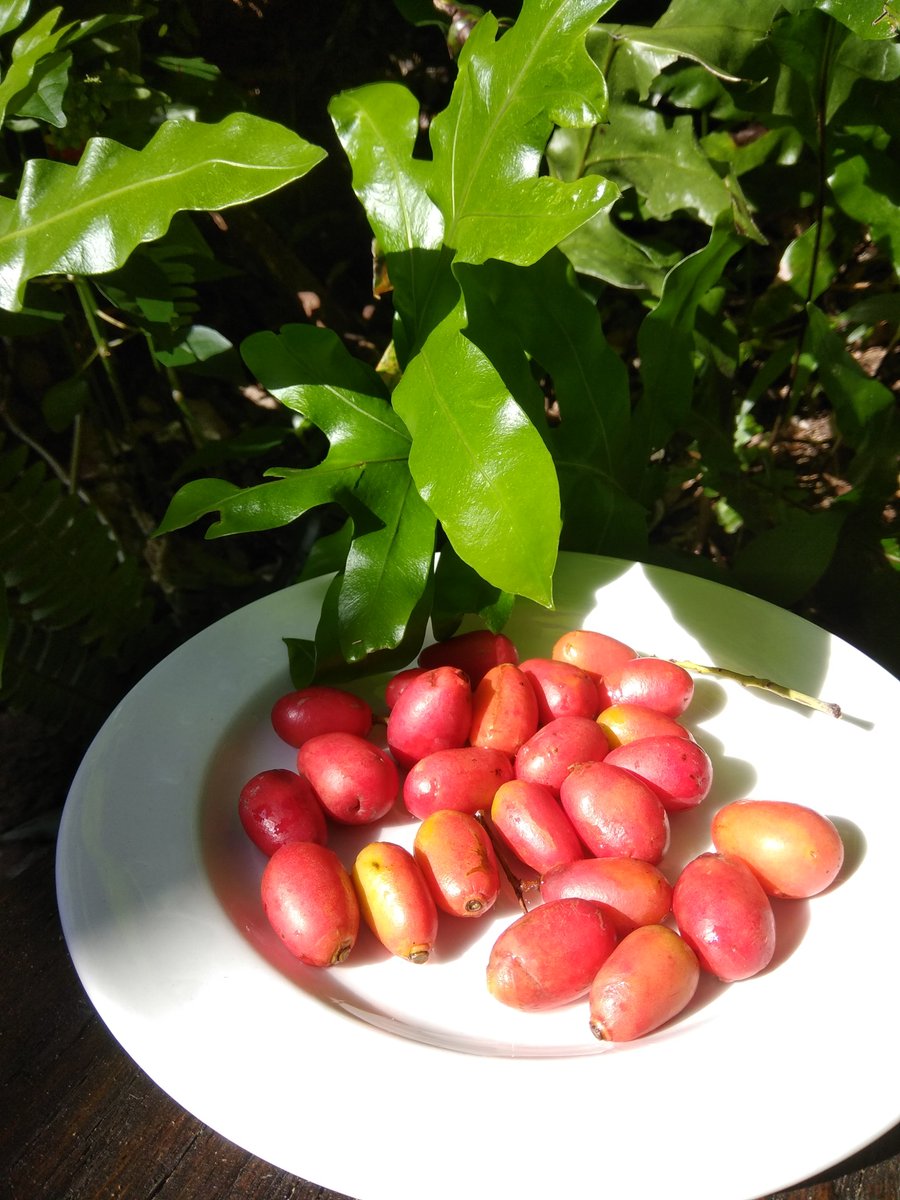
@Mic_Lo1 2/3 of my respondents were women, but it is not necessarily gendered. Men and boys who herd livestock and walk to work also forage. Monkey orange is creamy and crammed with Vit C!
4/6
How can foraging help people?
1. Free food, fuel, fibre in small quantities & in times of need
2. Nutritional diversity, local economy, cost-saving
3. Transmission of biocultural knowledge, relationships, & traditions
#safetynet#bioculturaldiversity#DICECON20#ValueNat
@AnotherBobSmith@Rhodes_Uni Thanks Bob! I'm done at Rhodes and now at UKZN. No problems from 'authorities/enforcement' as foragers use vacant land and street verges (equally) around residential areas. Very informal, and municipalities keen on designing for foraging.
2/6
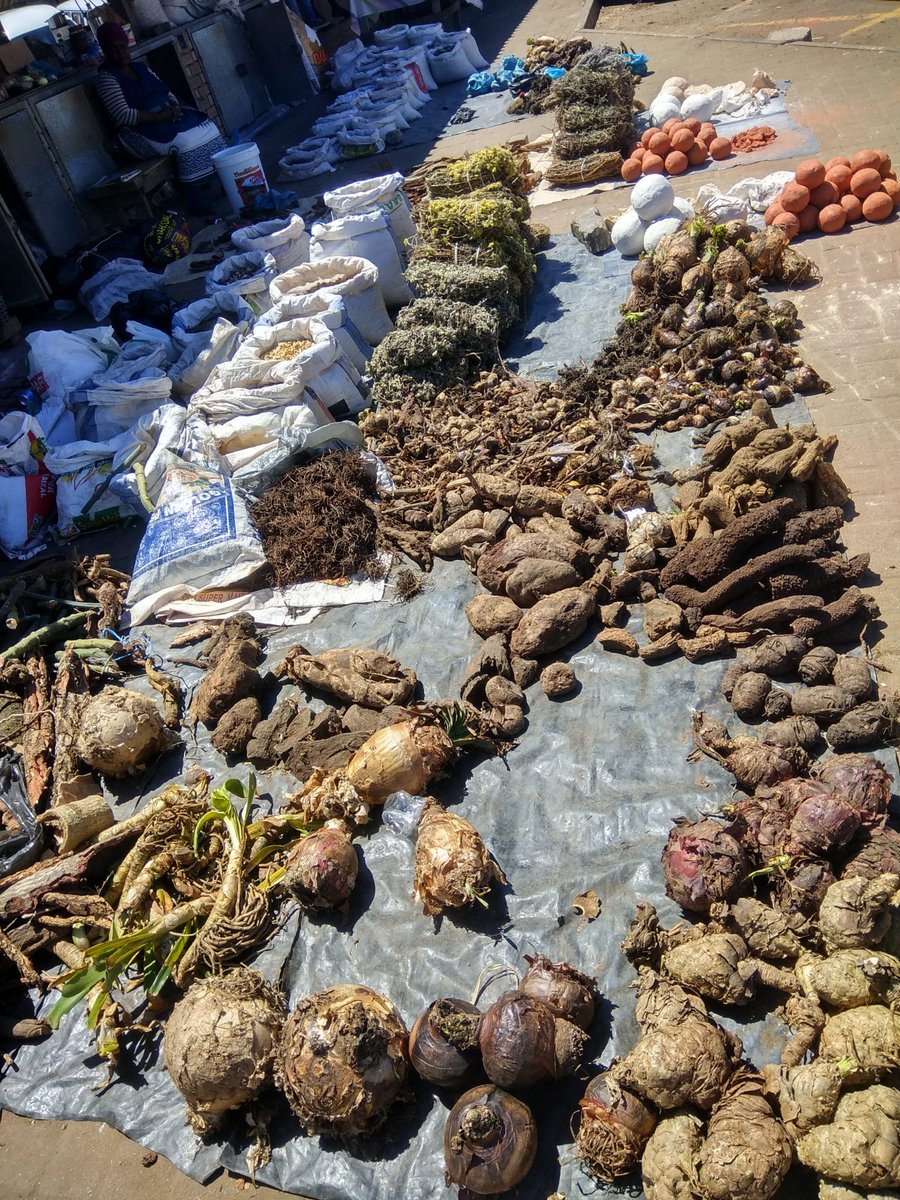
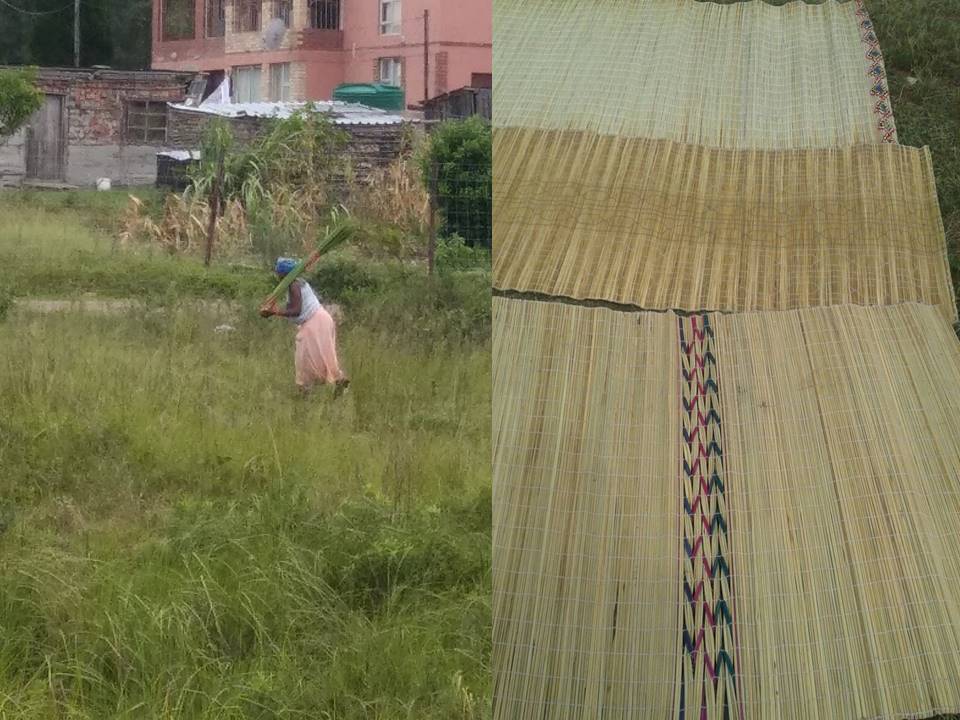
What: fuelwood, medicinal herbs, wild fruits, wild vegetables
Where: 1-5km from home, in the bush, along sidewalks (east coast ZA)
Who: ~36yo, 2-child, 1-earning member households, with friends & family
Why: culture, leisure, recreation
#urbanforaging#DICECON20#ValueNat
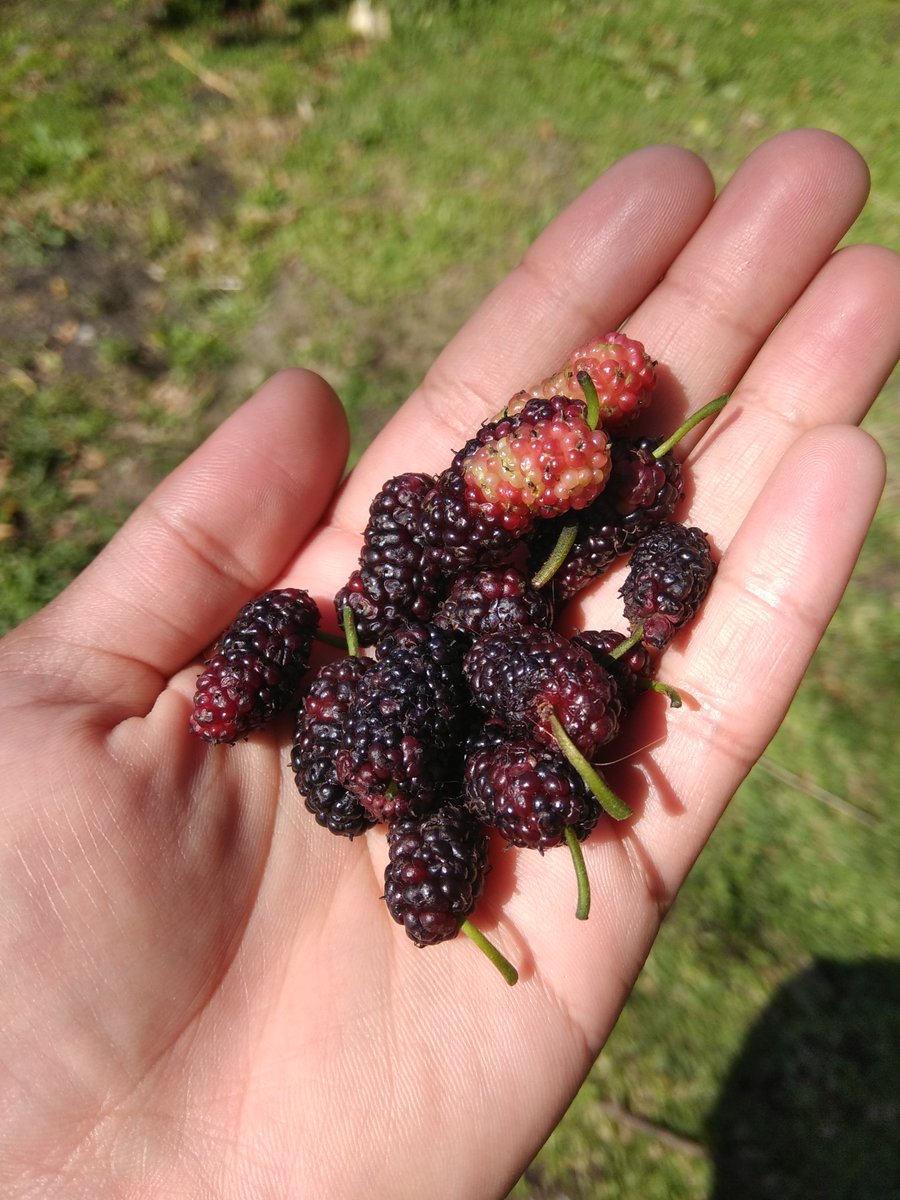
@Mic_Lo1 Thanks! Monkey orange (Strychnos spinosa), Wild plum (Harpephyllum caffrum), and Mulberries (Morus sp.). Parents, children, grandparents - a family affair. Foraging can be a response to shock, but is more often recreational.
6/6
Next steps: Identifying spaces, species, stewardship, & sustainability for urban foraging.
Municipalities provided with indigenous species list, experiments with different types of edible spaces to come.
Also: How foraging can assist Covid-19 response.
#DICECON20#ValueNat