A more common thing we have been seeing in Canada in recently years is spatially huge storms doing damage over very wide areas:
May 2018 Ontario/Quebec windstorm
Nov 2021 Atmospheric River in BC
May 2022 Ontario/Quebec derecho
Sept 2022 Tropical Storm Fiona
Dec 22 Bomb Cyclone
@Wawanesa Consider also installing your tank on top of a drip pan that slopes to a nearby drain.
Our data shows that (manufacturer required but rarely installed) drip pans would eliminate the majority of HWT claims.
Happy to discuss more with anyone who's interested. Message us.
Do not let this beautiful card distract you from holiday candle safety. Three of every five candle fires started when something that could burn (furniture, mattresses, curtains, or decorations) was too close to the candle.
Stay safe. Happy Holidays!
Knowing how helpful a fire engine would be to the farming community, our company purchased one to protect the town of Wawanesa where we first opened 125 years ago. Many employees joined the volunteer crew in the spirit of helping neighbours. #wawanesa125 https://t.co/cR9G6w1pvh
1) Light propane barbeques with the lid open.
2) Never ignite an outdoor grill using a match or cigarette lighter.
3) If you're having a bonfire outside, using candles or outdoor torches, never leave them unattended.
4) Keep a fire extinguisher handy.
#MayLongWeekend#safety
So many online conferences are disastrous. However, @Insurance_Innov has put on a fantastic event thus far #IIUSA21.
Great organization, great content and great software allow for real knowledge transfer and actual networking.
Kudos to the conference exec team!
Heavy rain in forecast #CityofTO: Ensure downspouts are not blocked and are draining properly away from your home. If safe, clear debris from roadside catch basins to help water enter the storm sewer. Learn more about basement flooding prevention: https://t.co/ZrIMqiGp5D
1/ Today is the day! The release of our 2020 Status of the Canadian InsurTech Landscape report ☂️
From tech trends to startup activities, venture funding & future opportunities, what’s shaping the 🇨🇦 Insurance industry?
Download: https://t.co/JQTSVmTqFJ #InsurtechReportCA
We know how to build better, we just need builders to do it more often.
We think insurance based incentives should be used to encourage resilient design. Without resilient design, we all pay more.
https://t.co/ufGrWzx7Jr
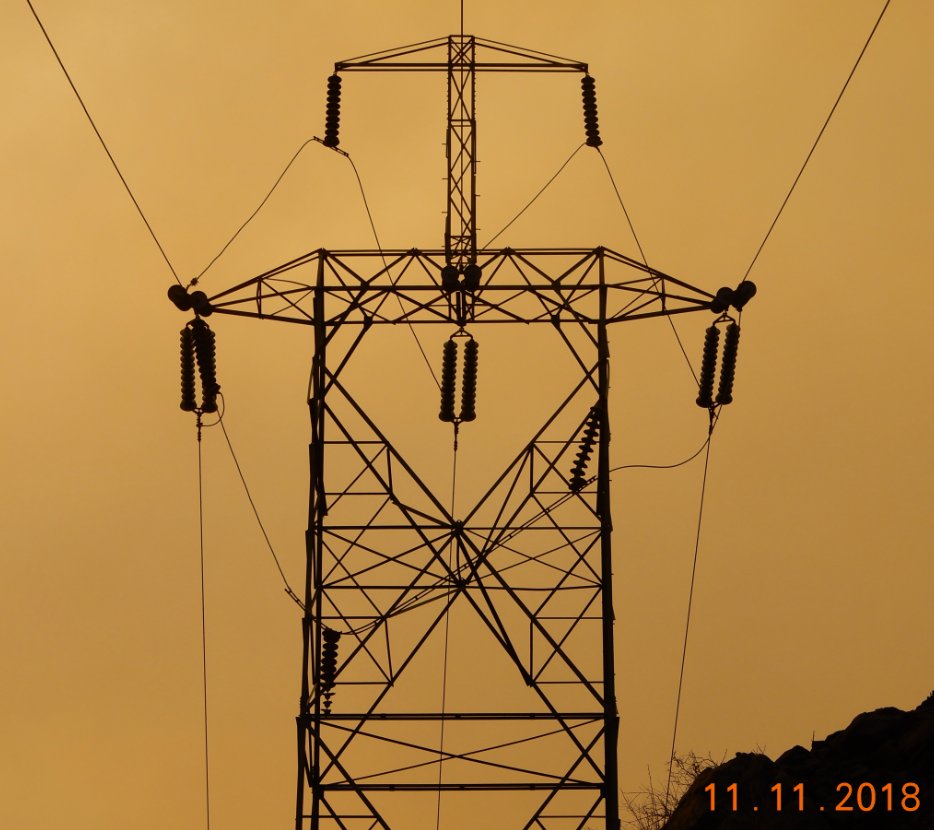
this electrical transmission tower has a little problem. can you spot it? actually, it's not a small problem--it cost us 16.65 *billion* dollars and caused the deaths of 85 people.
While the property damage may be covered by an insurance policy, repair of the foundation will not be.
Everyone loses with a claim. The carrier pays for the property damage. The homeowner pays for the home repairs. The other policyholders watch their premiums increase.
Eaves are not just decoration, they are important and require cleaning.
A rainfall of just 25 millimetres (1 inch) will add more than 2,000 litres (20 bathtubs) of rainwater to the average roof. When eaves are clogged, rainwater overflows and accumulates against the foundation.
Accumulated water puts pressure on the foundation and strain on the drainage system. Failure of these systems is likely to cause the rainwater to infiltrate the basement and cause significant property damage.
@GoreMutual@InsuranceBizCA We hear Andy Taylor wants to:
"Create best-in-class customer connectivity; dramatically improve underwriting capabilities, pricing sophistication; and deliver an industry-leading claims experience."
We are a Canadian insurTech company with these solutions.
We can help.
The 2020 hurricane season is projected to be above average, according to Colorado State University (CSU) Seasonal Hurricane Forecasting team. (https://t.co/E6ODmddMAX)
September is the most common month for hurricanes in North America, followed by August and October.
There is still time to prepare. Countermeasures can be installed within any home.
The National Institute for Building Sciences (NIBS) used FORTIFIED (a type of windproof home design) as the national standard for demonstrating that wind mitigation saves $5 for every $1 invested.