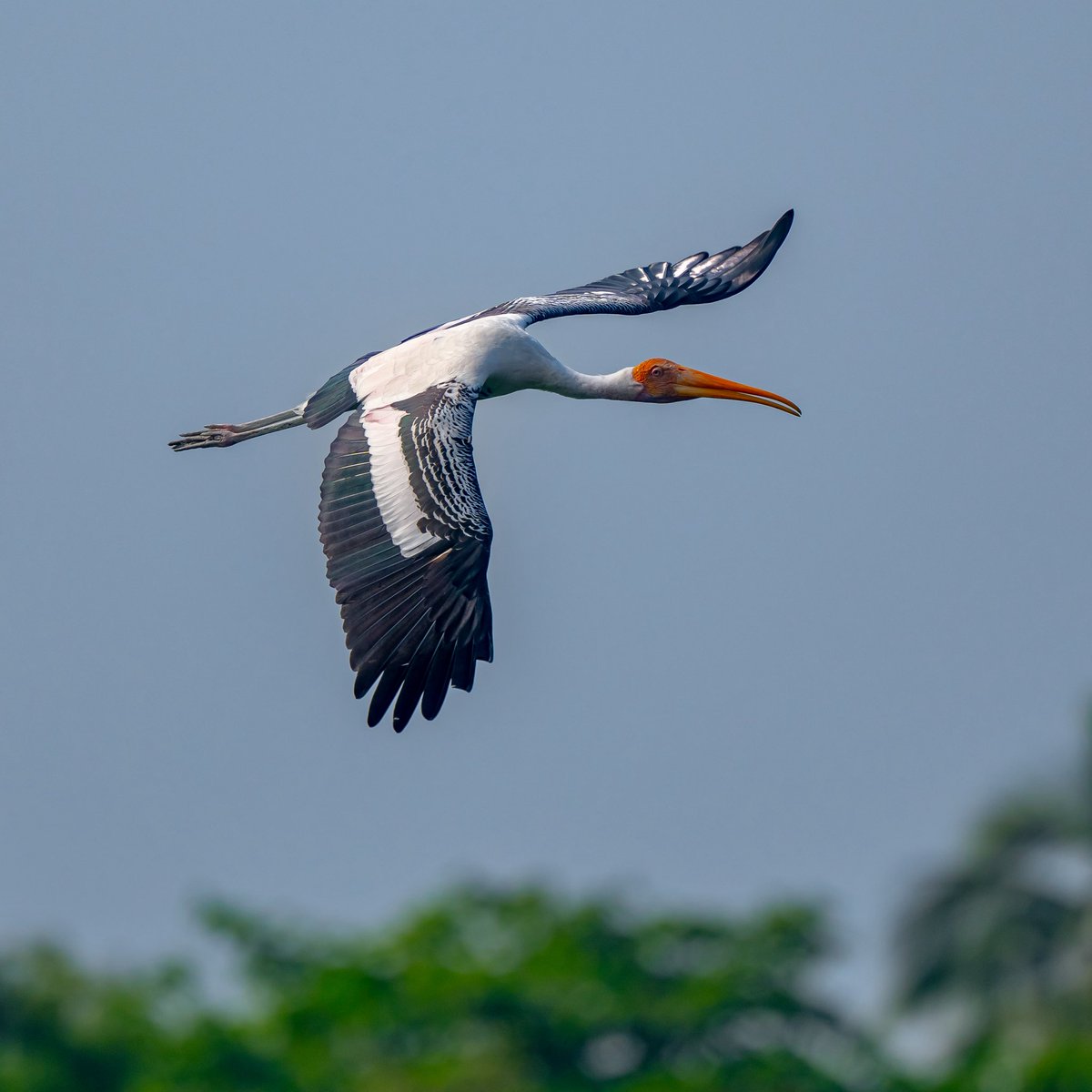
A beautiful morning unfolds in the wetlands as the Purple Heron, Grey Heron and graceful Egrets take flight, painting the skies with elegance and effortless flight dynamics. Meanwhile, the Asian Openbill enjoys its morning snack, foraging in the shallow waters for a fresh catch. A perfect glimpse of wetland biodiversity, rich birdlife and the fascinating rhythms of nature. Every moment captures the beauty of wildlife, avian behaviour and the magic of a thriving natural ecosystem.
#WetlandBirds #BirdsInFlight #WildlifePhotography #BirdPhotography #NatureLovers
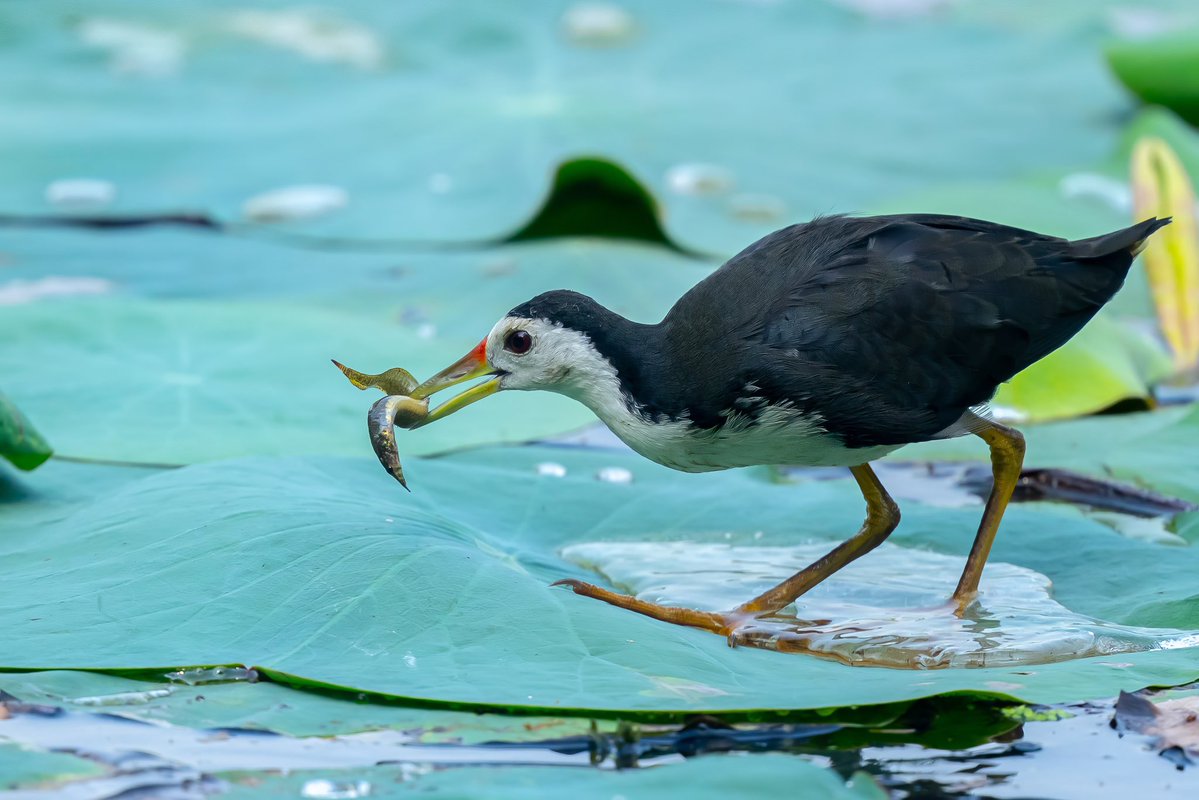
The elegant Pheasant-tailed Jacana gracefully roams across the wetlands, walking effortlessly over floating vegetation with its remarkably long toes. Its slender silhouette and beautiful plumage create a mesmerising sight as it explores the water, searching for food amidst the lush aquatic plants. A true jewel of the wetlands, bringing life and elegance to every moment in nature.
#PheasantTailedJacana #WetlandWonders #BirdPhotography #BirdsOfIndia #WildlifePhotography
@davidlei Thanks David for addressing the weaponization of “ethical birding” and associated hypocrisy. Sadly most of the vitriol is wrongly directed toward Manhattan Bird Alert. I as well as countless others including the “haters” have learned so much by following MBA. #birdcpp
I strive to enjoy nature on its own terms and have been rewarded for that countless times.
There’s some healthy discourse going on about owlwatching etiquette. My thoughts below.
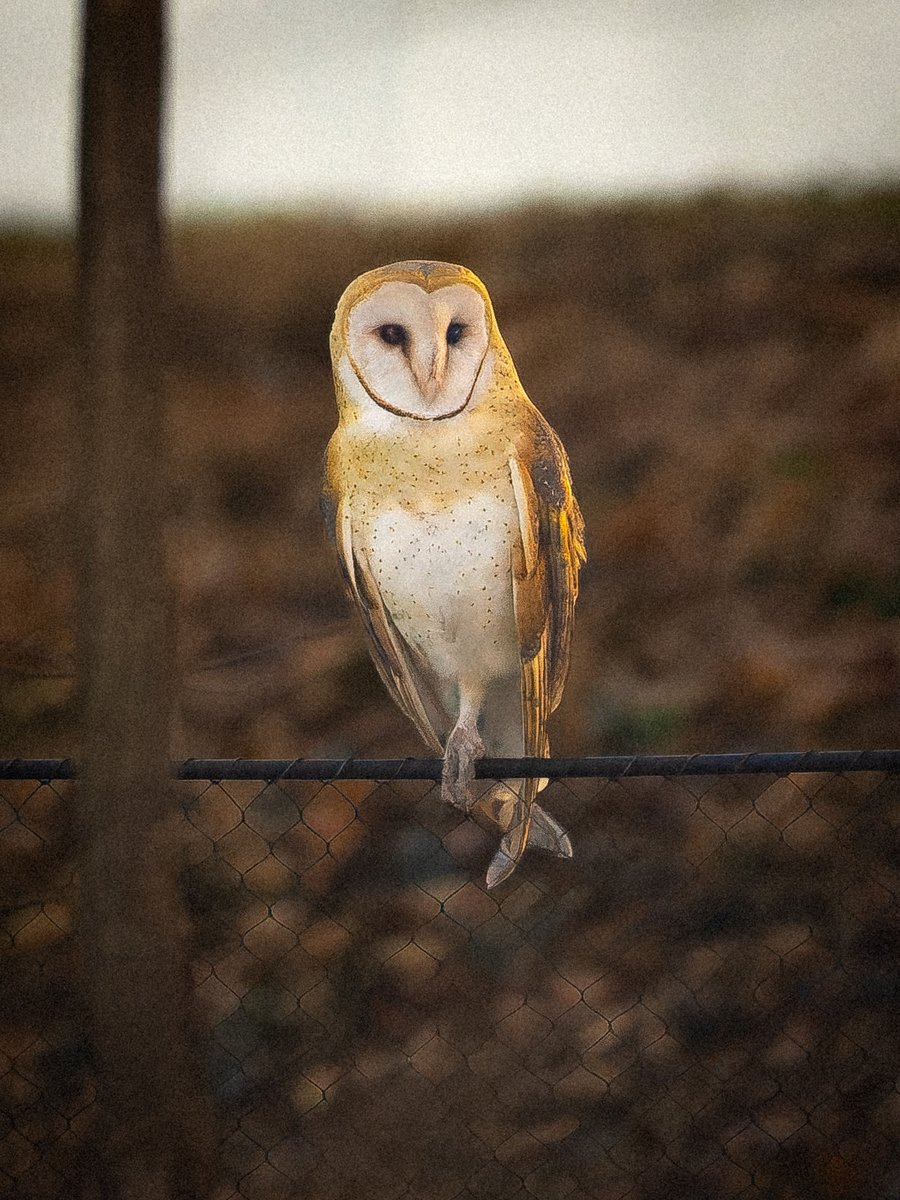
(Photo of one of the UWS barn owl adults out hunting in Central Park.)
#birdcpp#nature#wildlife
The UWS barn owls have understandably attracted a lot of public interest. Interest was high when they were in distant view on top of their water tower nest. And interest remains high now that one of them is occasionally found roosting in Central Park in closer view.
This owl can be observed with less stress for everyone—owl and people alike—if we are willing to:
- Keep daytime visits brief. Barn owls are highly nocturnal and they need to rest well during the day to face the challenges of city life at night. They also do very, very little during the day. Camping out for hours and hours is not nice to the owl and not a productive use of your time!
- Be quiet around the owl. Owls have incredible hearing. Right underneath an owl roost is not a good place to chit-chat and socialize. Being quiet is also a courtesy to other birders who may be recording video and audio.
- Do not use any illumination to observe or photograph the owl. A sudden light can be startling and distressing. Remember to turn off the flash on your camera or phone before you take a picture. Many cameras have red or green AF-assist illuminators that activate when it is dark as a default setting. I do not recommend you use autofocus to photograph an owl in the dark anyway and an AF-assist illuminator is highly unlikely to help. Turning off your AF-assist illuminator is also a courtesy to other birders who may not want it shining in their photos and videos.
- Respect park rules and stay out of fenced areas. People have been going over fences to get better views. Even if these views are further away from the owl—and it’s good to keep a respectful distance—he or she may be disturbed by the constant trampling of leaves, branches and brush. We also should not so carelessly damage the habitat or disturb other birds and wildlife to get our looks. I’m honestly not a stickler for the rules but they are important in situations like this. One person jumping a fence to get a better view can quickly turn into a dozen. Finally, going for a better view by jumping a fence may not work out for you anyway because you will be less able to reposition if the view changes.
We and others have asked the Urban Park Rangers and the Central Park Conservancy Rangers to start monitoring the owls and enforcing the rules if needed.
Finally, you may have noticed that I haven’t used phrases such as “birding ethics” or “ethical birding” in this post (up to this point). That’s because I find that these words are often weaponized to gatekeep and even bully or harass others. Some of the loudest voices using these words here are also the most hypocritical. They resent when birds get mainstream attention but pretend they do not contribute to it by posting their own photos and videos to social media constantly. They decry social media bird alerts, but they secretly monitor them and will literally come running for a bird they want to see.
Am I worried about the public interest that owls get here? No. The largest twitch I’ve ever seen for owls wasn’t even in Central Park—not by a long shot. The crowds will subside as people get their looks. But I hope interest in the owls and their welfare continues. We need all the owl fans we can get to advocate for a rodenticide ban.
Am I worried that some of the naughty behavior I mention above may be endangering the welfare of the owl? No. I think it’s unfortunate and not very kind to the owl but does not currently rise to that level of concern.
Some say that a special bird like a barn owl is a privilege that should only be enjoyed by “experienced birders.” I don’t subscribe to that notion. But let’s take a gentler approach with a smaller footprint. And let’s be kinder to each other too.