Wildlife photographer and writer. Co-author of the photo book Finding Flaco: Our Year with New York City's Beloved Owl. See link in profile for more info!
Getting a book review from the New York Times is a dream come true for us and a testament to how much Flaco meant to so many. The review (link below) includes some fun stories we haven’t shared before.
This morning @davidlei and I received an early Christmas present — a lovely book review by Elisabeth Egan at the New York Times Book Review (link below). We’re grateful for the enthusiastic and heartwarming words of support readers have shared with us. Happy Holidays!
Happy Thanksgiving!
Finding Flaco: Our Year with New York City’s Beloved Owl is on sale at Amazon for 35% off list price until Cyber Monday. This will be the lowest price through the holidays, so it’s a great time to buy a copy as a gift. Cont’d
#birdcpp
Happy Thanksgiving!
Finding Flaco: Our Year with New York City’s Beloved Owl is on sale at Amazon for 35% off list price until Cyber Monday. This will be the lowest price through the holidays, so it’s a great time to buy a copy as a gift. Cont’d
#birdcpp
Two years later, we are nearing the end of our self-publishing journey for the book with only about 10-15% of the print run remaining. Many thanks to those who backed the Kickstarter or bought a copy subsequently. We are thankful for all the support. Cont’d
Amazon link: https://t.co/bInrD7jGzb
@kicks126 Thank you for saying this! And it’s okay! I make mistakes too. Unfortunately, there are people who knowingly jump the fences for a slightly better look. I wish they had the sensitivity you show to respecting the birds and their habitat.
I strive to enjoy nature on its own terms and have been rewarded for that countless times.
There’s some healthy discourse going on about owlwatching etiquette. My thoughts below.
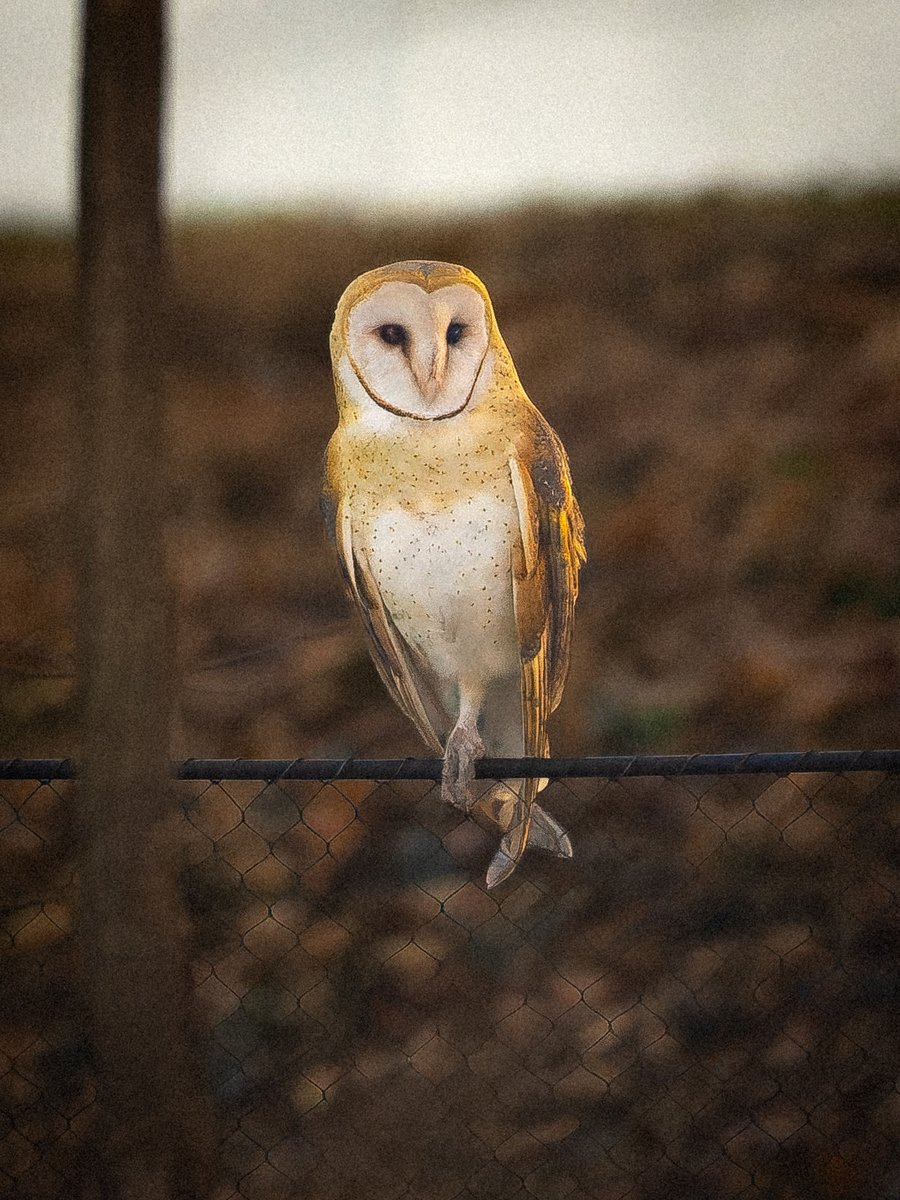
(Photo of one of the UWS barn owl adults out hunting in Central Park.)
#birdcpp#nature#wildlife
Spotting an owl in Central Park can be magical, but the most important thing is keeping these delicate birds safe.
Support our feathered friends by maintaining a respectful distance, being as quiet as possible, avoiding sudden movements & flash photography.
📷 @jacquelineUWS
Help us keep Central Park a safe habitat for this family of barn owls (and other wildlife) by respecting their space, keeping dogs on leash, and never entering fenced off areas.
📷 @davidlei
@davidlei Thank you for this, David! The one thing I’ll add is, if you observe people disturbing owls and do not feel comfortable talking to them, you can: talk with any Conservancy staff member and request Central Park Ranger assistance or call the Rangers: 212-360-2774.
The UWS barn owls have understandably attracted a lot of public interest. Interest was high when they were in distant view on top of their water tower nest. And interest remains high now that one of them is occasionally found roosting in Central Park in closer view.
This owl can be observed with less stress for everyone—owl and people alike—if we are willing to:
- Keep daytime visits brief. Barn owls are highly nocturnal and they need to rest well during the day to face the challenges of city life at night. They also do very, very little during the day. Camping out for hours and hours is not nice to the owl and not a productive use of your time!
- Be quiet around the owl. Owls have incredible hearing. Right underneath an owl roost is not a good place to chit-chat and socialize. Being quiet is also a courtesy to other birders who may be recording video and audio.
- Do not use any illumination to observe or photograph the owl. A sudden light can be startling and distressing. Remember to turn off the flash on your camera or phone before you take a picture. Many cameras have red or green AF-assist illuminators that activate when it is dark as a default setting. I do not recommend you use autofocus to photograph an owl in the dark anyway and an AF-assist illuminator is highly unlikely to help. Turning off your AF-assist illuminator is also a courtesy to other birders who may not want it shining in their photos and videos.
- Respect park rules and stay out of fenced areas. People have been going over fences to get better views. Even if these views are further away from the owl—and it’s good to keep a respectful distance—he or she may be disturbed by the constant trampling of leaves, branches and brush. We also should not so carelessly damage the habitat or disturb other birds and wildlife to get our looks. I’m honestly not a stickler for the rules but they are important in situations like this. One person jumping a fence to get a better view can quickly turn into a dozen. Finally, going for a better view by jumping a fence may not work out for you anyway because you will be less able to reposition if the view changes.
We and others have asked the Urban Park Rangers and the Central Park Conservancy Rangers to start monitoring the owls and enforcing the rules if needed.
Finally, you may have noticed that I haven’t used phrases such as “birding ethics” or “ethical birding” in this post (up to this point). That’s because I find that these words are often weaponized to gatekeep and even bully or harass others. Some of the loudest voices using these words here are also the most hypocritical. They resent when birds get mainstream attention but pretend they do not contribute to it by posting their own photos and videos to social media constantly. They decry social media bird alerts, but they secretly monitor them and will literally come running for a bird they want to see.
Am I worried about the public interest that owls get here? No. The largest twitch I’ve ever seen for owls wasn’t even in Central Park—not by a long shot. The crowds will subside as people get their looks. But I hope interest in the owls and their welfare continues. We need all the owl fans we can get to advocate for a rodenticide ban.
Am I worried that some of the naughty behavior I mention above may be endangering the welfare of the owl? No. I think it’s unfortunate and not very kind to the owl but does not currently rise to that level of concern.
Some say that a special bird like a barn owl is a privilege that should only be enjoyed by “experienced birders.” I don’t subscribe to that notion. But let’s take a gentler approach with a smaller footprint. And let’s be kinder to each other too.
If you live on the UWS and your television reception is mysteriously cutting in and out, you may want to check your antenna for a barn owl. You never know…
*Photo from the other week
#birdcpp#nature#wildlife
Owls enjoy @PublicTheaterNY’s Delacorte Theater just as much as @davidlei and I do! On a recent night, we saw Bramble the barred owl perching on the exterior facade of the theater. I was reminded of the time we saw a barn owl near the theater last winter. Cont’d
Owls enjoy @PublicTheaterNY’s Delacorte Theater just as much as @davidlei and I do! On a recent night, we saw Bramble the barred owl perching on the exterior facade of the theater. I was reminded of the time we saw a barn owl near the theater last winter. Cont’d
Answers to some additional FAQ about the UWS barn owl nest.
1) Was the water tower operational when the owls nested in it?
Yes, it was, and the original work on 10/28 and 10/29 was described to residents as “scheduled maintenance.”
Cont’d
#birdcpp#nature#wildlife
We understand that, earlier this year, water in the tower’s pipes froze and there was a big leak. Some residents reportedly had water pressure issues too. And the access door was missing, of course, which is how the owls were able to get inside. Nevertheless, the water tower was operational.
We believe the nest was simply the floor of the crawlspace or attic under the roof of the water tower. We do not believe the owls or the nest were in contact with the water in the water tower.
2) What is the current condition of the water tower?
We understand that, on 10/29, workers not only removed the water tower’s roof but also opened a hatch in the floor under it before the DEC arrived and issued a stop-work order. This left the water in the water tower exposed to potential contamination. Residents in the building received a boil water advisory from the DOH. The hot water was also shut off.
Once it was evident the owls were gone anyway, DEC allowed the workers to empty, disinfect, refill and close up the water tower on 11/2. However, the boil water advisory was still in place up to this weekend.
As previously noted, the building’s property management reportedly knew about the owl nest and should have contacted DEC before they ordered the work. They also should not have defied the DEC’s original stop-work order. Their actions caused suffering not only for the owls but also for the residents of the building.
Finally, while most of the water tower’s roof support structure remained in place, members of the owl family continued to perch on it occasionally at night, as pictured above. That structure was removed the other day, presumably so that the replacement of the roof can be completed soon. Perhaps the owls will resume perching on the water tower afterwards, though they will not be able to roost or nest in it again.
3) Are the owls using the nest box?
Not that anyone has seen. The owls are roosting on buildings nearby or in the park. Maybe the adults will check it out and use it the next time they nest.
Barn owls seem to want to live in Manhattan. If we can make the city safer for birds of prey by curtailing the use of rodenticides, perhaps we can fund the installation of nest boxes on water towers in different neighborhoods and in Central Park. I think that some of the establishment views on which species can and cannot succeed here are a bit antiquated!
More than 1,600 people have signed the rodenticide petition that can be found at the link in my bio. Many of these people were specifically motivated to sign the petition because they are concerned about the long-term welfare of the UWS barn owls!
Answers to some additional FAQ about the UWS barn owl nest.
1) Was the water tower operational when the owls nested in it?
Yes, it was, and the original work on 10/28 and 10/29 was described to residents as “scheduled maintenance.”
Cont’d
#birdcpp#nature#wildlife