Mom first. ISU Extension Field Agronomist second. Loves agriculture and all things weeds related. Occasional tweets about Cyclone sports. Opinions are mine!
Are you in Iowa and want some traps to monitor corn rootworm beetles this summer? I have some for you - details on how to sign up here: https://t.co/UCmc9qAdO8.
@ErinHodgson_ISU
@dikesmarshfarm This was for a headed out cover crop with soybeans planted in it. Not much for weeds underneath, so the plan was to come back with an early 2nd POST + residual to control weeds once the rye is dead.
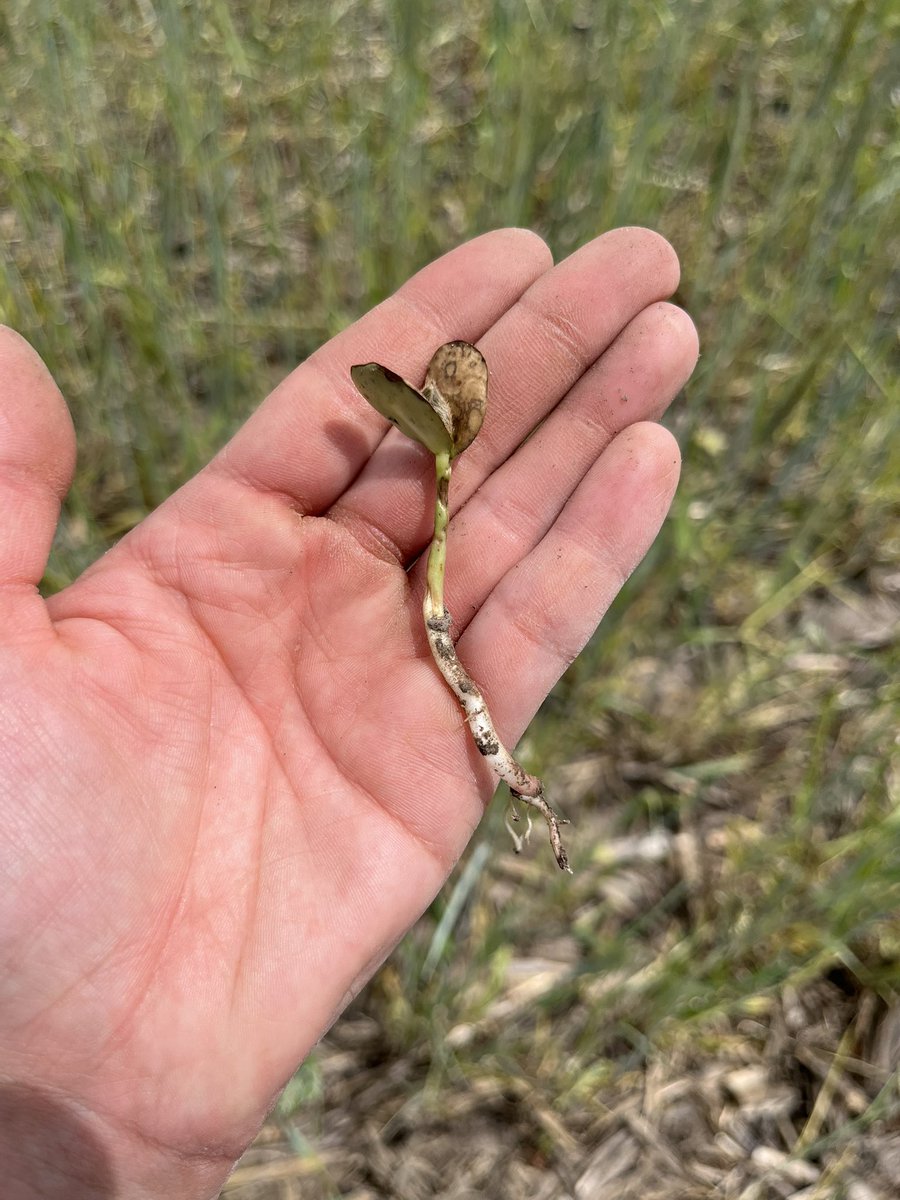
A recent glyphosate-only burndown herbicide application for cereal rye had some contamination that resulted in contact burn to emerged soybean seedlings. Tank/boom/etc. contamination is common as we switch from PRE to POST apps. #ISUCrops
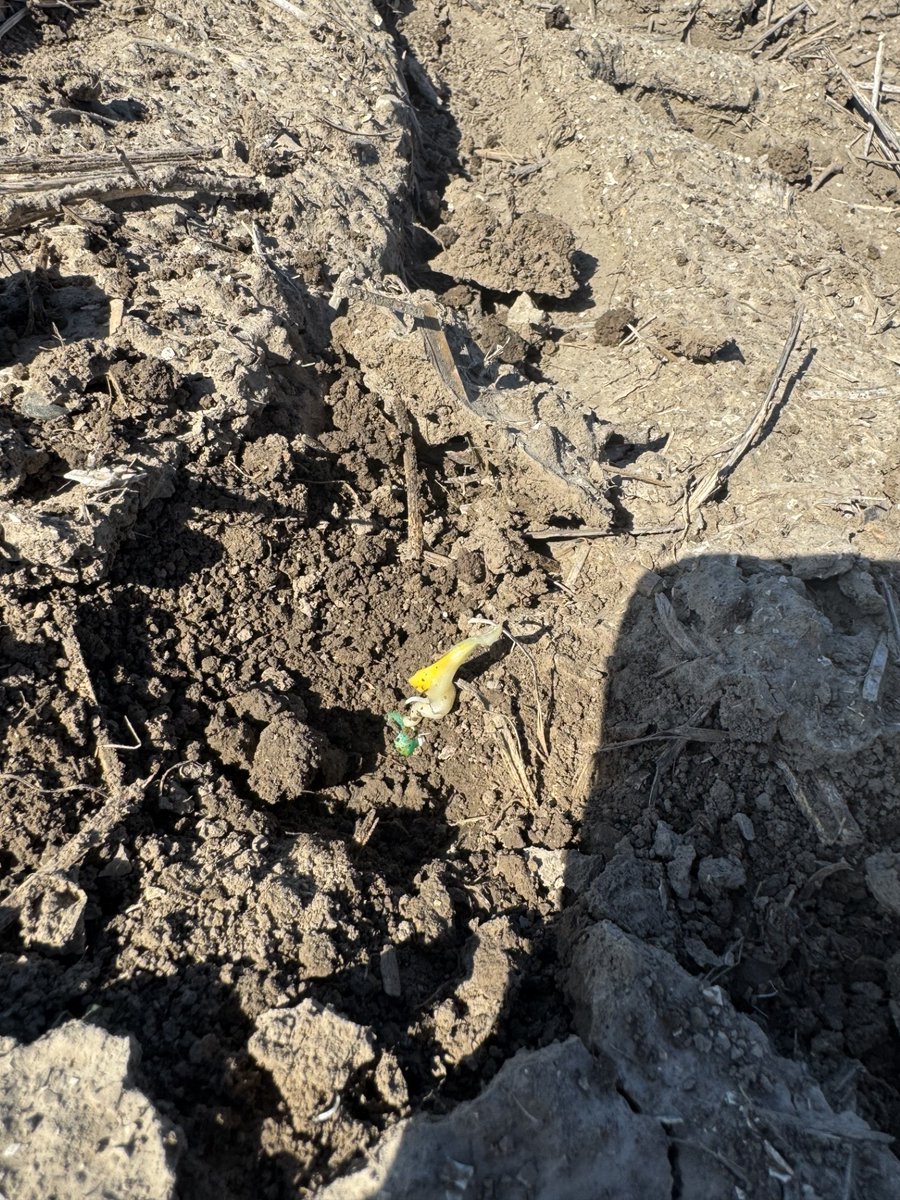
Scouting shortly after emergence is an incredibly useful exercise. Sometimes you find surprises, like a pass that was planted without the downforce engaged. #ISUCrops
@Jake8420T@nciacrops This looks like it could be clammy groundcherry, but I’m not certain from the image. It’s a perennial with rhizomes belowground and densely fuzzy leaves. https://t.co/aBs29Wx66K
This will be a big week for corn postemergence herbicide applications to really ramp up. We’ve got morningglory, velvetleaf, and grasses emerging in these management plots at @ISUFieldLab. #ISUCrops
Low soybean stands don’t always mean replanting is the best answer. This new ICM Blog breaks down when to leave it, repair it, or replant 👇
https://t.co/FRCweVkZNI
#IAag#soybeans#agronomy#standassessments#standcounts
Join us for the annual ISU Weed Science Field Day on July 1! This year will feature herbicide efficacy plots, herbicide resistance updates and mgmt., and new technology. Learn more: https://t.co/WF75LvGehl. #ISUCrops
The ISU Weed Science Field Day returns for 2026 on Wednesday, July 1! Get registered today for this event, provided at no cost thanks to the ISU Weed Science Program! #ISUCrops
➡️Learn more & register today: https://t.co/AEYd6ty5ys
@XtremeAgFarming@AgricenCo I hope Kelly is also testing the -40 units of N without the Agricen to see how that alone compares with the biological product and the higher N rate. 🤞
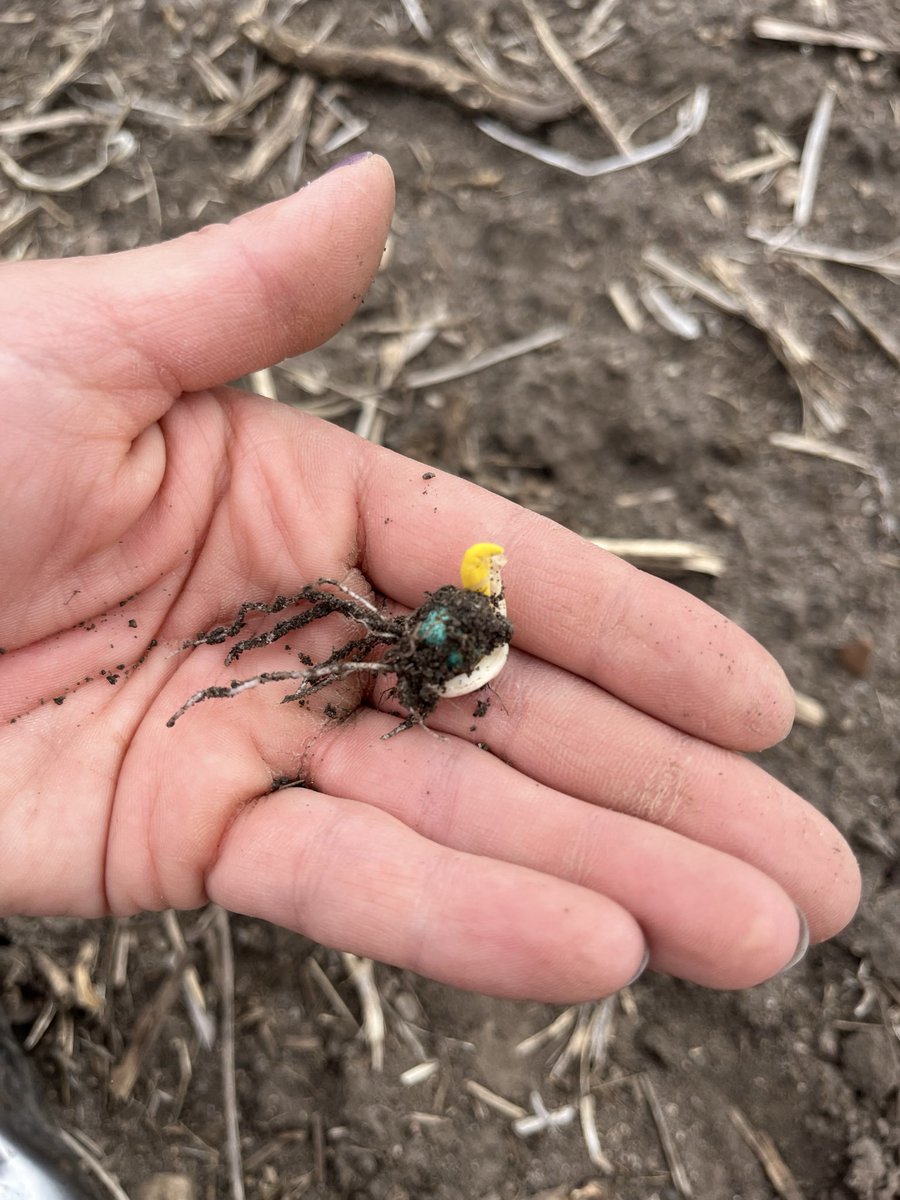
Soil crusting + sidewall compaction may look different—but both limit emergence, root growth, and early vigor. With reports of both coming in from the field, take time to check your fields!
👉 Read more from: https://t.co/YmwC830zLA
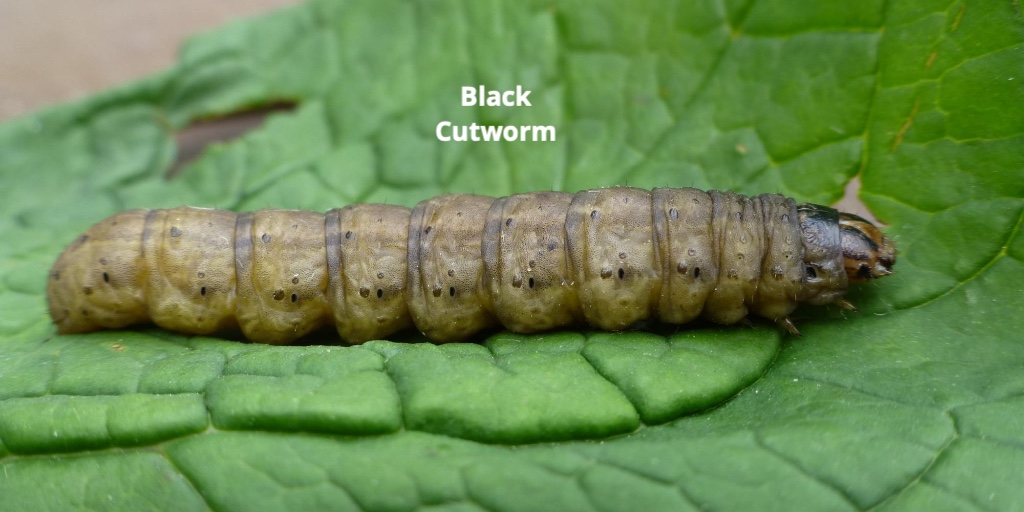
We've had reports of cutworms activity. While we focus a lot on black cutworms (migratory) in corn, they are't the only species! There are also bronzed and dingy cutworms (native).
Read more about how to ID different cutworms and scouting tips: https://t.co/1AW8u21Pfo
@alex_woodall@nciacrops This was on a pretty light soil, which played a big role in how few plants were affected. I’m sure it could’ve been much worse with heavier rain or heavier soil!
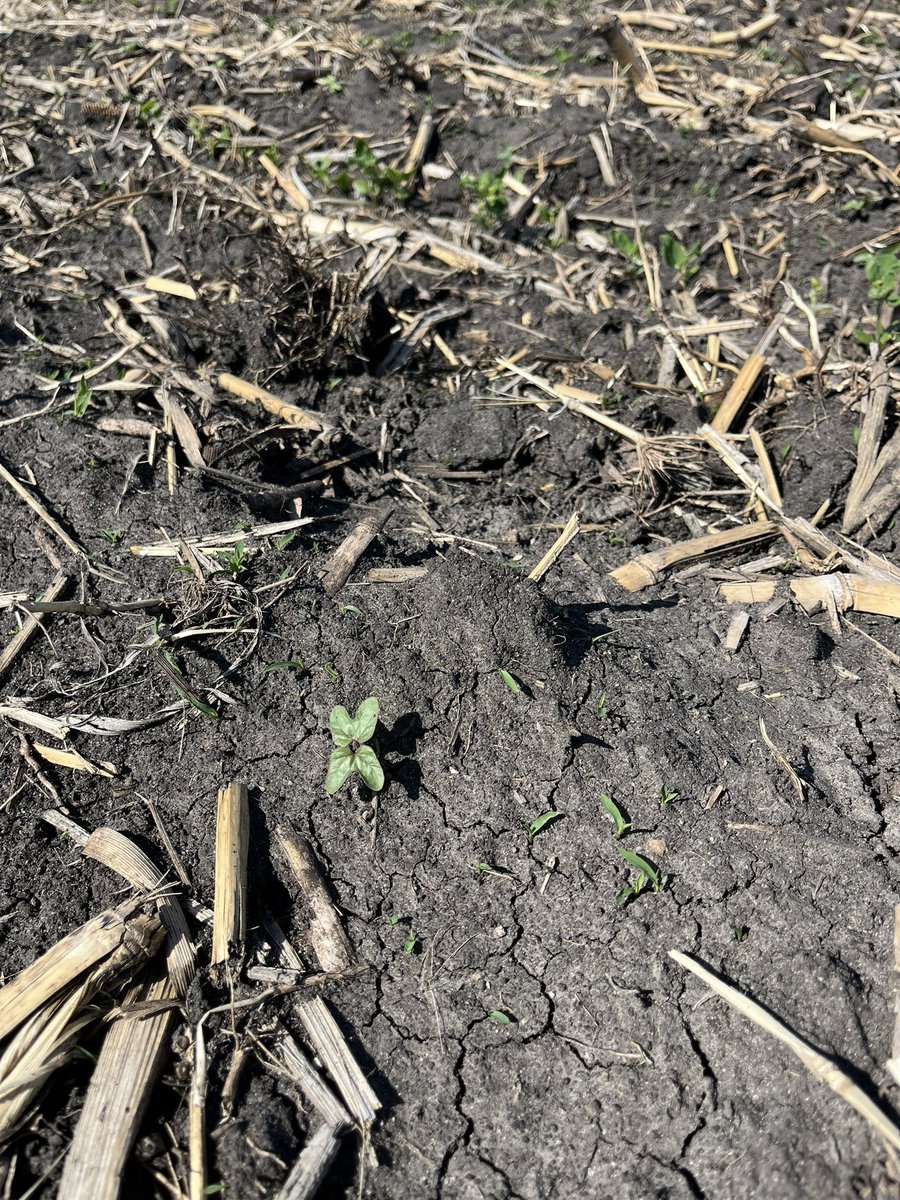
Soil crusting wasn’t as big a problem in this field but it did have about 2% of the population leafing out underground or emerging late. This was planted April 22. #ISUCrops
https://t.co/huyZjOKB6x