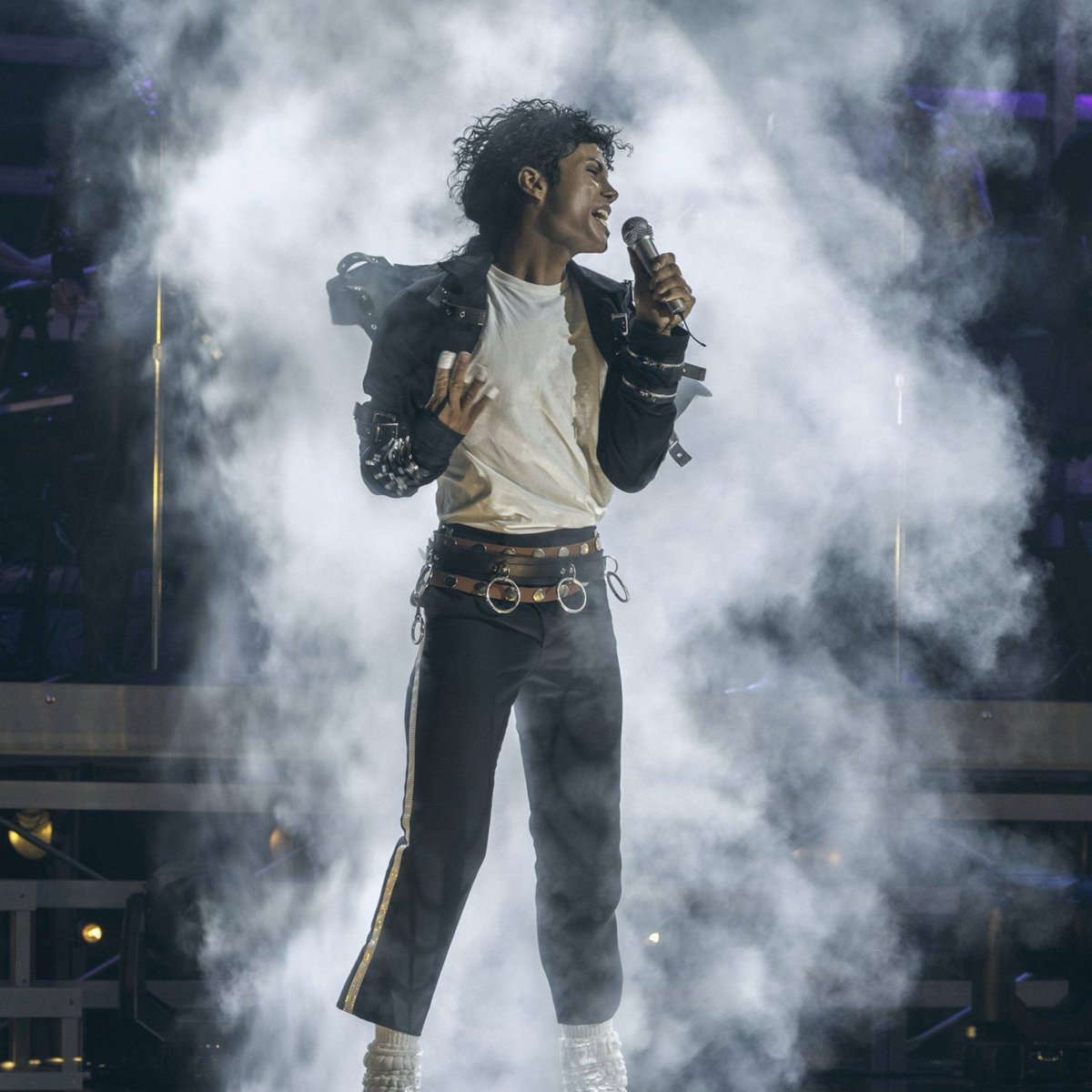
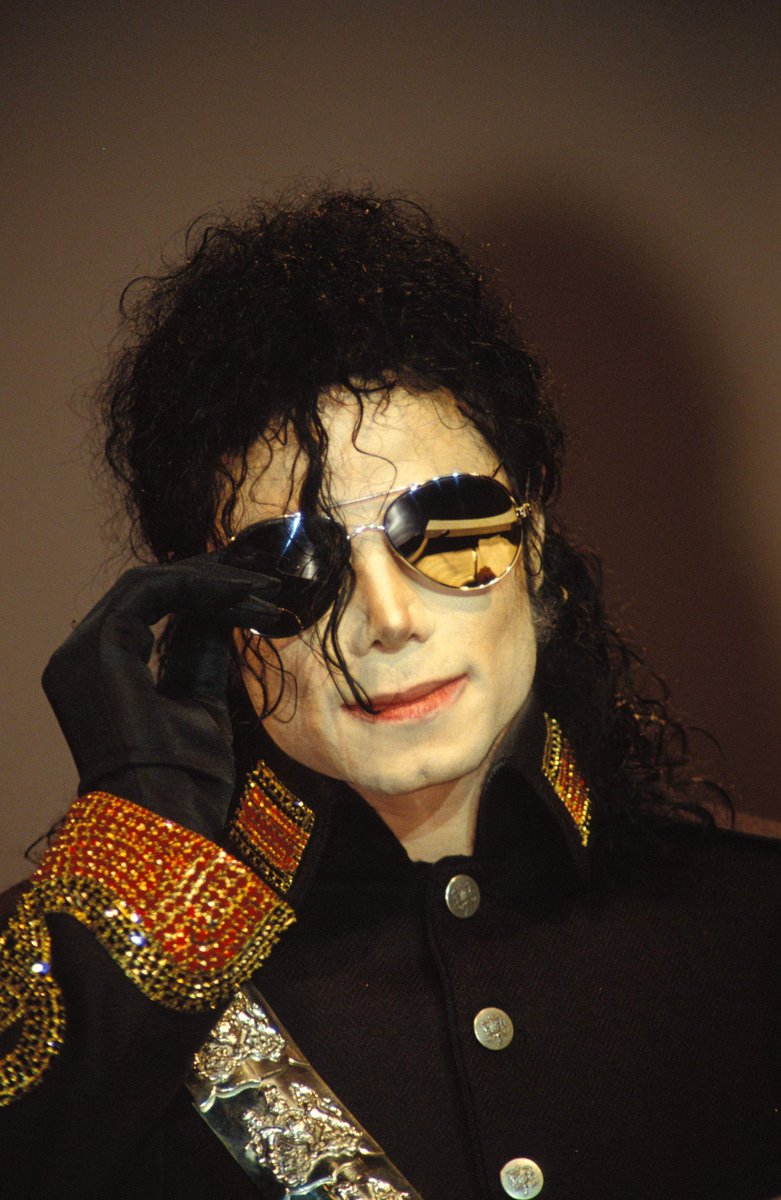
In the spirit of the US holiday Thanksgiving, it’s a great time to celebrate your friends, family and blessings in your life. What are you grateful for today?
Released this week in 1991, Michael Jackson’s “Dangerous” album showcased his versatility across 14 tracks spanning new jack swing, R&B, hip-hop, pop, rock and gospel. How well do you know the album? Which 3 tracks are missing from this graphic based on its back cover?
Turn any phone, drone/action camera into a real 3D scanner.
Accord: builds accurate metric maps live at 18fps, no tuning required.
-Zero tweaking
- Clever self-correction
- True physical measurements
- No LiDAR needed:!
https://t.co/aBHIUr2JRW
🎬 Turn ordinary videos into editable 3D character animations, fix sliding feet, and export directly to Blender, Unity, or Unreal.
Meet RGB MoCap, an open-source Windows application that brings multiple AI motion capture models into one practical animation workflow.
Most video-to-motion systems have a frustrating problem: even when the overall movement looks correct, characters often slide across the floor, float above it, or place their hands incorrectly.
RGB MoCap lets you fix these problems after reconstruction, without running the AI model again.
🧠 Multiple motion capture engines
The application supports:
▪️ ExMR: Full-body reconstruction with detailed finger and foot motion.
▪️ FlowHMR: Human motion reconstruction with articulated hands.
▪️ GVHMR: World-space motion estimation, with optional hand refinement.
▪️ MAMMA: Motion capture from multiple synchronized cameras.
▪️ PromptHMR: Joint reconstruction of multiple interacting people.
▪️ PEAR: Experimental real-time body and finger tracking from a webcam or video.
The last two offline models require additional setup. PEAR is currently limited to live preview and doesn't support the normal export pipeline.
🦶 Fix the details that AI gets wrong
After motion reconstruction, you can:
▪️ Inspect the original footage alongside the reconstructed skeleton.
▪️ Identify when feet or palms should remain in contact with a surface.
▪️ Manually edit contact intervals on a timeline.
▪️ Apply corrections to reduce foot sliding and floating.
▪️ Compare the original and corrected animations.
▪️ Reapply corrections without repeating expensive AI inference.
This is particularly useful for walking, running, crouching, and interactions with the environment.
🎮 Export actual animation assets
RGB MoCap supports:
▪️ FBX: Export character animations for Blender, Unity, and Unreal workflows.
▪️ BVH: Skeletal animation with Generic/Blender and 3ds Max Biped profiles.
▪️ VRM: Retarget motion to humanoid avatar rigs.
▪️ PMX → VMD: Export motion for MikuMikuDance.
▪️ Blender projects: Save animation, source footage, and camera information together.
You can also retarget captured motion to existing Mixamo characters without rerunning reconstruction.
🤖 Works with coding agents
The repository includes AGENTS.md and a dedicated guide for Codex and other coding agents.
An agent can help install dependencies, configure models, troubleshoot errors, and prepare the application.
However, this isn't a fully autonomous MCP animation pipeline. The supported workflow still centers on the graphical Windows application.
💻 Requirements
▪️ Windows 64-bit.
▪️ Compatible NVIDIA GPU and OpenGL 4.3.
▪️ Blender and FFmpeg, installed automatically by the setup script.
▪️ Approximately 42 GiB for the three main model runtimes and their supporting files.
▪️ Additional storage for optional models, projects, and caches.
The application's own code is MIT-licensed, but individual AI models have separate licenses and usage restrictions.
The interesting part: AI motion capture is becoming less about generating a rough skeleton and more about producing animation that artists can actually correct, retarget, and use.
For indie game developers and 3D animators, that's a meaningful improvement.
💻 GitHub: https://t.co/lCRumMZUO9
#MotionCapture #GameDev #3DAnimation #OpenSource