New paper in JASA (Theory & Methods) on new multivariate spatial covariance models that fix key limitations of existing methods. Started as a high-risk high-reward project, it works pretty well. Follow-ups coming soon
https://t.co/tkQzjATLMu
@Uber driver takes off without opening the trunk, leaving me without my luggage. then, @Uber wants to charge me and reward the driver for bringing my luggage back. make it make sense.
my work typically includes contributing open-source R packages that implement new methods. I just found this 10-year post about linux but I find many points are valid for the R community as well. https://t.co/PoVXnpGh5H
@mguindani and what a weak statement. what courses are we talking about? what "course content"? what "course description"? and who was crying about cancel culture? (since when does the syllabus need to be 100% accurate? that can rarely happen since it is written at term start) -- absurd.
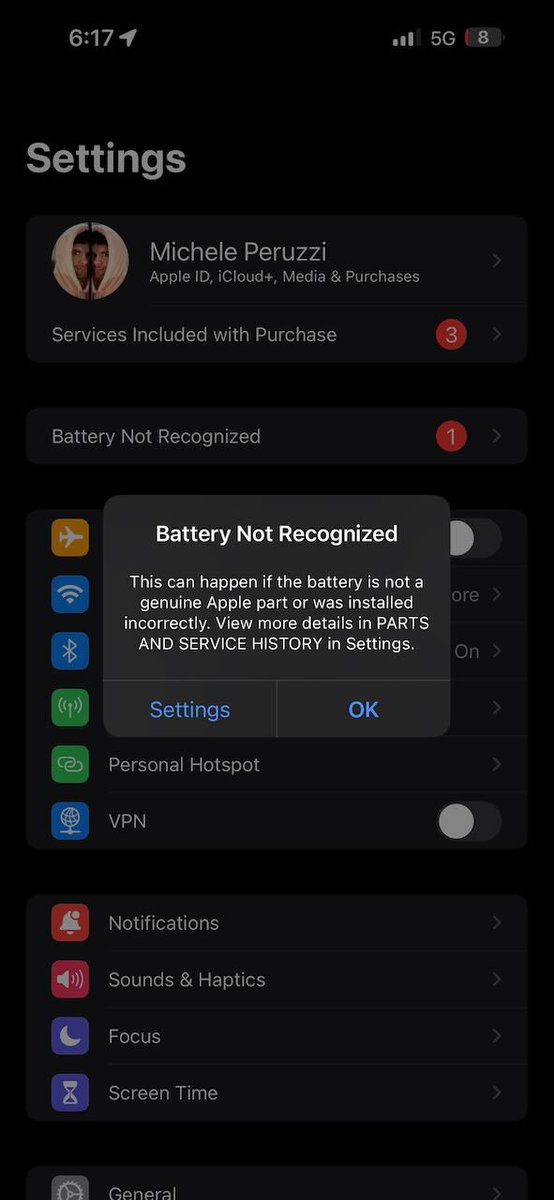
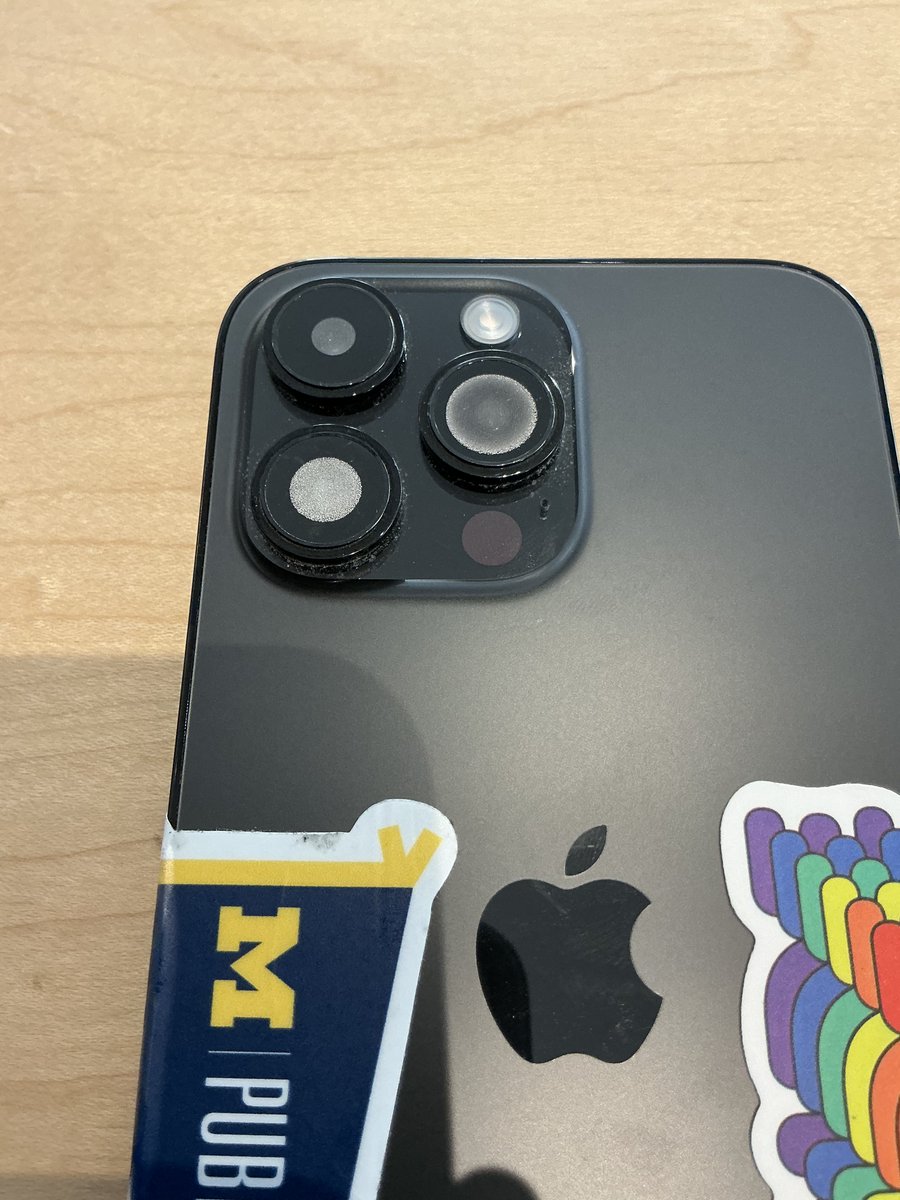
@Apple@AppleSupport 10 minutes of rain, phone just barely wet, and woops. My guess? Sloppy screen repair at the Apple Store in Troy, MI, since I had zero issues in worse rain before. (same appt changed my battery and when I got the phone it said it wasn't genuine. lol)
RadGP is appealing because it unlocks new theory on the accuracy of approximating a parent Gaussian Process. Yichen will present the paper at JSM 2023 in Toronto. Also check out our R package for modeling spatial data using RadGPs: https://t.co/AhbvLJs1cK
Proud of Yichen for being a winner of the 2023 ASA-SBSS Student Paper Competition. In the paper (https://t.co/B8uyyEV0f8, with Cheng Li and @DavidDunson7) we introduce a new method for GP approximation using sparse DAGs
🚨SIGN-ON: NSF is refusing to move forward with collecting LGBTQ+ data on its national STEM workforce surveys to ensure the equity of LGBTQ+ scientists. It has made its final decision.
Please sign this open letter to the NSF Director and share widely! https://t.co/vDVIlnZUmX
https://t.co/z7BN4slWyt has the most condescending steps to add recommenders who are not on their database. Yes, the name is correct, yes they're not that other person, yes I'm sure, yes I really am sure, yes here's their page, yes req an account for them, yes I'm not an idiot.
I just came across this fantastic article by @freemanjb which perfectly summarises my feelings & experience as I'm approaching the academic job market, esp. re: DEI statements & diversity initiatives
https://t.co/4tXUSiQfRr
@amyhherring Thanks Amy! Some were asking for a template: I have updated the Gramar R package github page (https://t.co/ZhDu51ppYr) with the source .indd file along with a simplified template and the fonts I used for the poster. Reproducibility!
or, do I not cite their otherwise relevant work, do I avoid their cool conferences & workshops? wouldn't that be academically unethical? wouldn't that hurt my own research?
seriously. in doing academic research (collabs, jobs, conferences, citations), how am I supposed to deal with people who associate with institutions in countries with extremely poor track records on human rights? specifically, lgbtq+ rights. see eg https://t.co/f0XR9Wot4R
do I cite their work, go to their conferences, participate in workshops and similar events, business as usual & ignore all the background on human rights? wouldn't that contribute to SA's reputation laundering?