Our WCS-@WHOI acoustic monitoring buoys picked up North Atlantic right whales in NY Bight yesterday. This triggers slow zones, crucial to protect the whales. https://t.co/XlYxjPPOLM
Last week in this area, @NOAAFish_NEFSC saw a mother (Accordion, #4150) with her first calf.
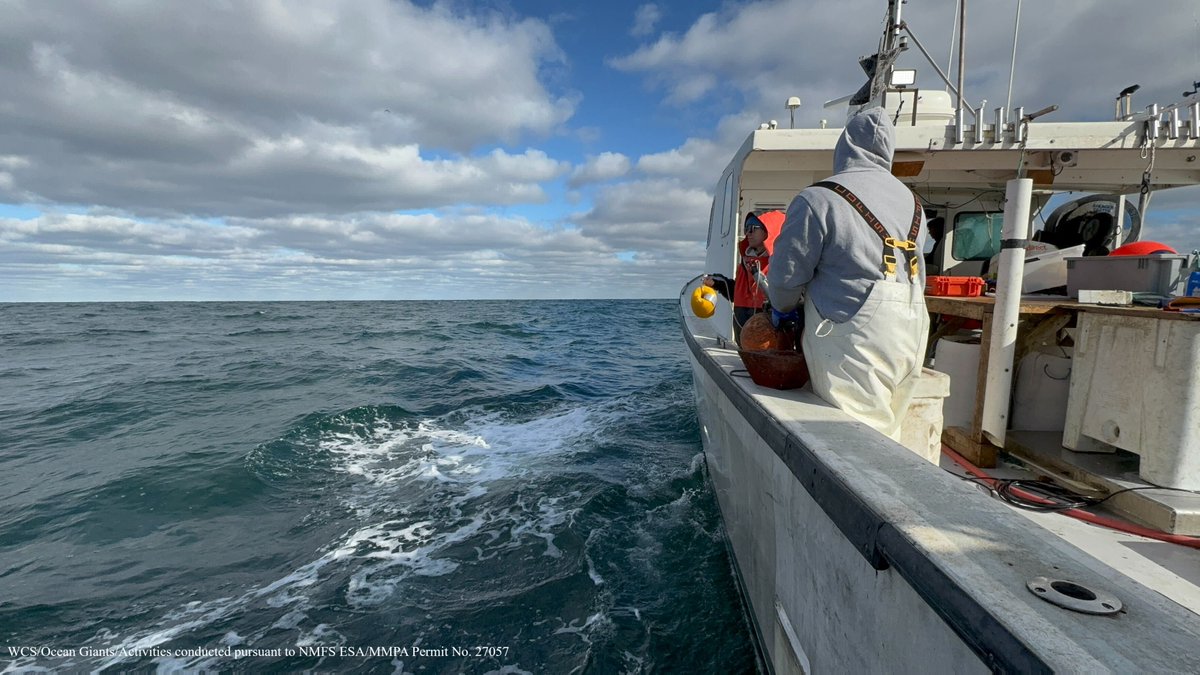
This winter, the @WCSOcean Giants team retrieved and redeployed 6 acoustic monitoring instruments for a two-year project, supported by @NYSERDA.
The data helps create baseline info on marine mammal species and ocean noise in offshore wind lease areas, guiding best practices.
Great news! We just deployed 7 acoustic recorders as part of a @NYSERDA-funded New York Bight (NYB) passive acoustic monitoring project.
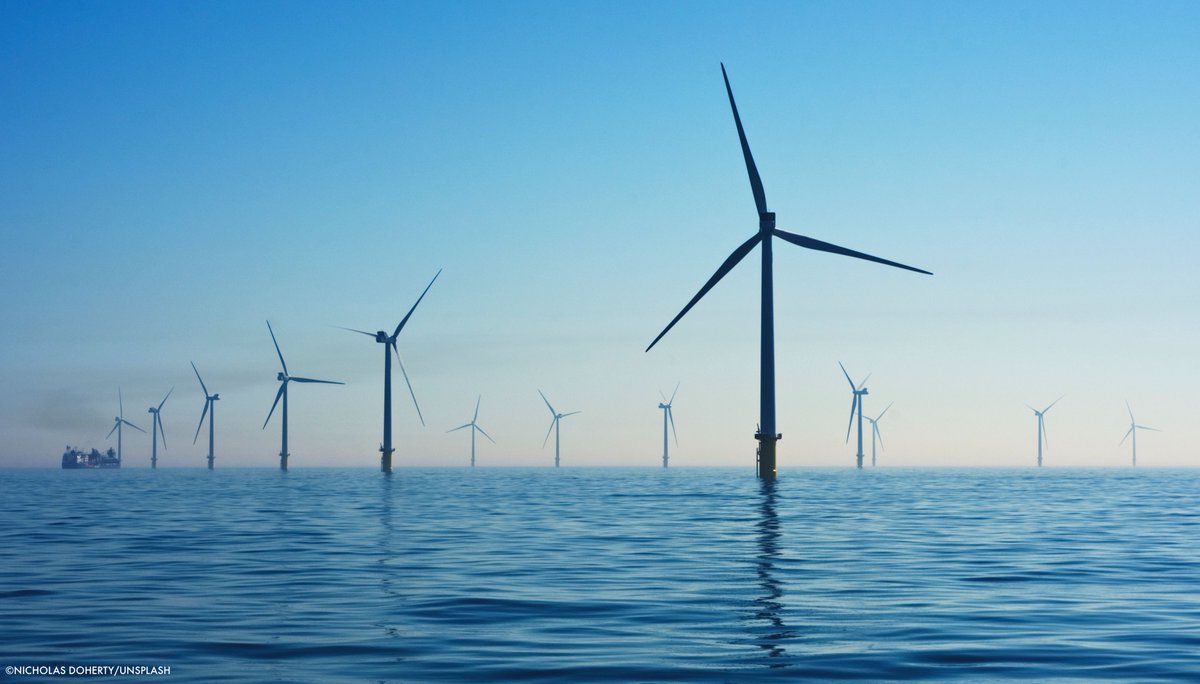
We are monitoring for whale and ocean noise within the NYB offshore wind lease areas. What we learn will help with management decisions.
Endangered fin whales, the 2nd-largest animal ever to exist, live in the New York Bight year-round, shows new @WCSOcean Giants co-authored research. This research can be used to inform best practices and help develop effective management strategies. https://t.co/DJmeMAJ7My @WHOI
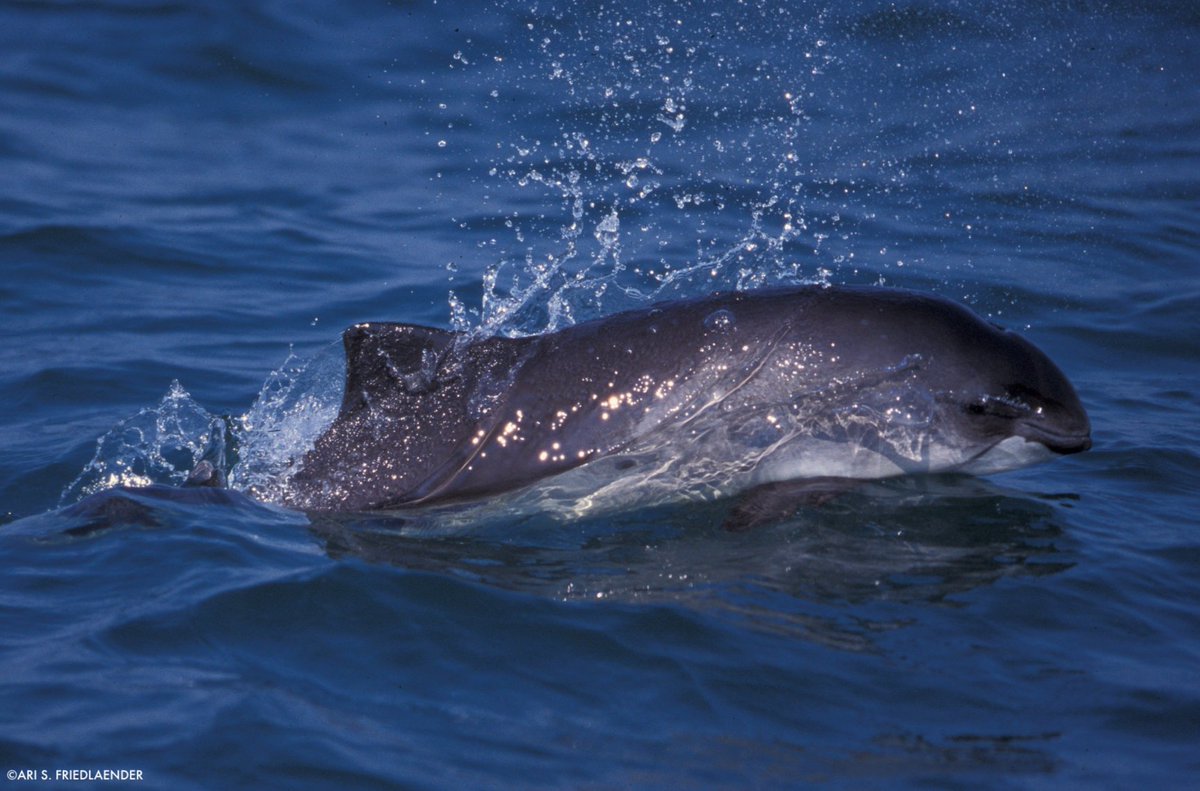
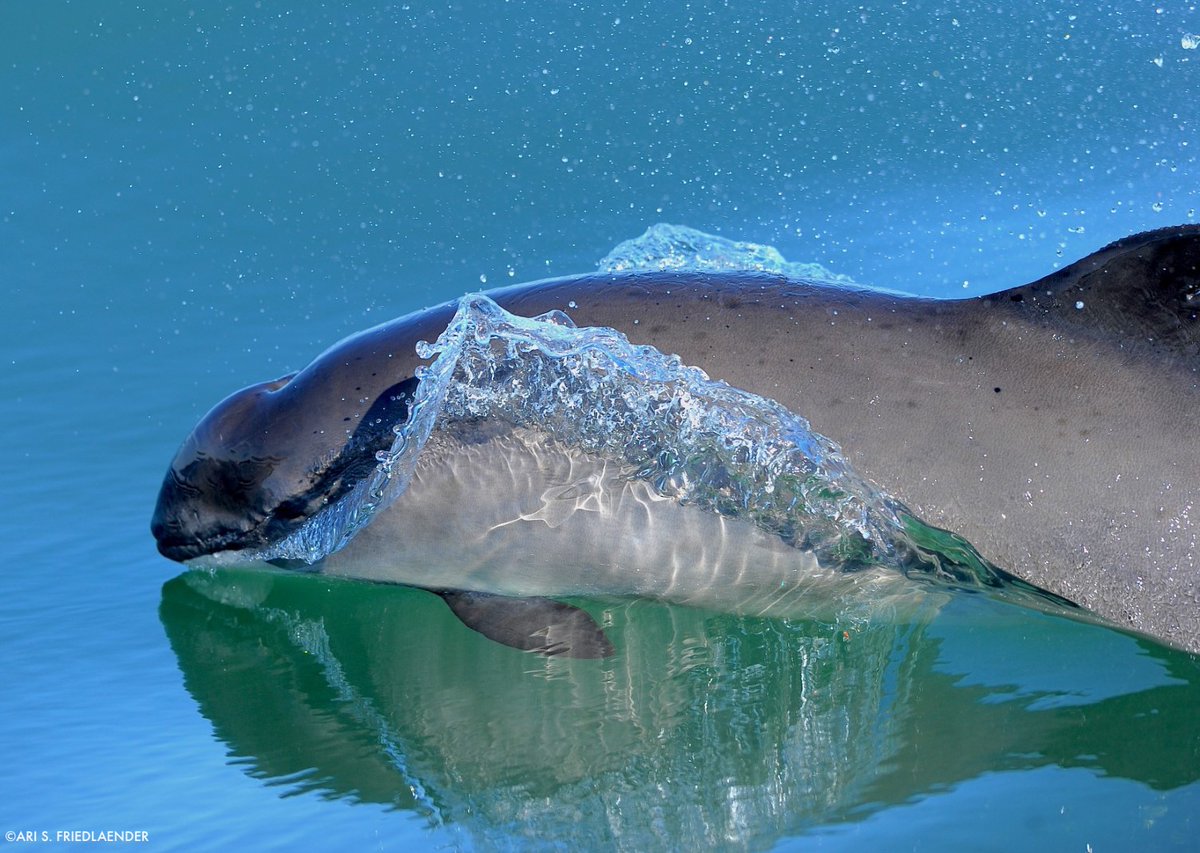
Harbor porpoises, which are vulnerable to ocean noise and human disturbance, are surprisingly living in the busy New York waters, WCS researched confirmed earlier this summer.
Read an interview with @mlrekdahl of @wcsocean Giants Team by @harborestuary: https://t.co/MezwVFBeC6
Did you know: #HudsonCanyon's deepest point is 10,500 feet below sea level.
📏 That's more than 7 Empire State Buildings stacked end-to-end from the seafloor to the surface.
Learn more and speak out for this important place off New York/New Jersey: https://t.co/l2XxzhIIlq
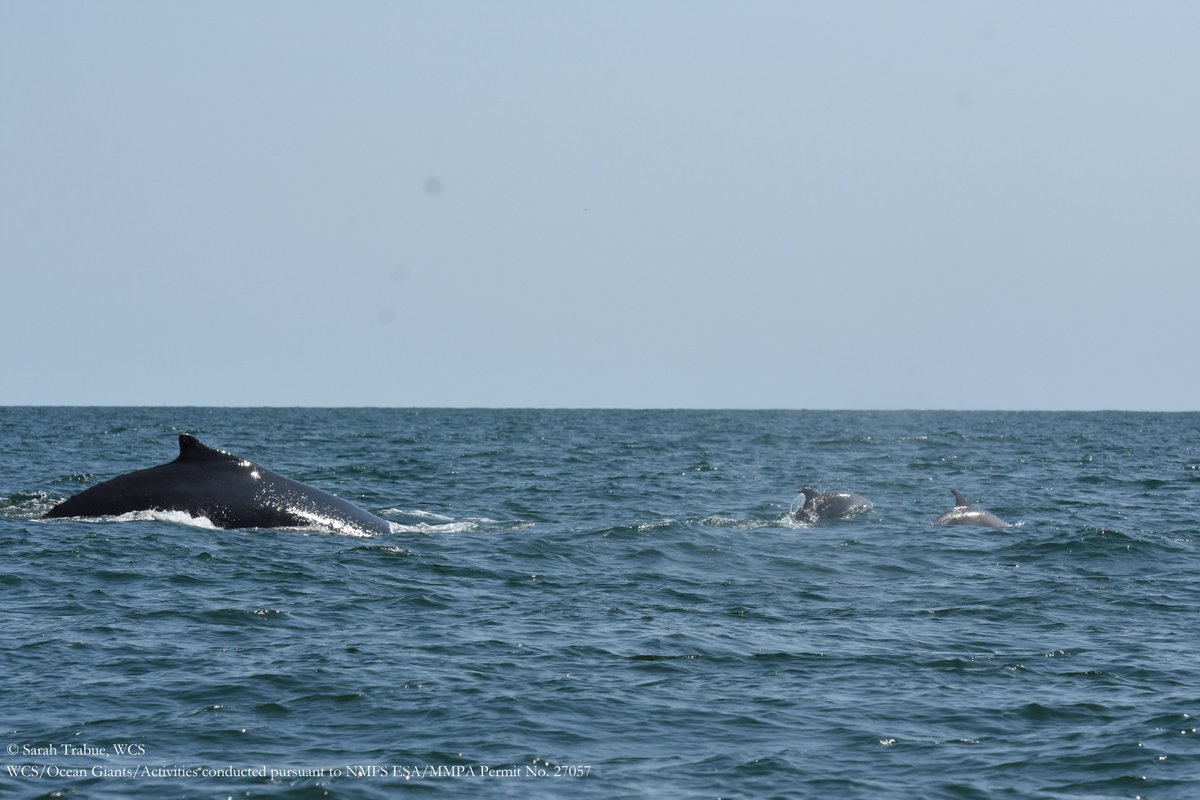
Scenes from @WCSocean Giants version of Wed/Sat matinee. The team’s ‘off-broadway’ sightings included humpbacks, dolphins, and even a young fin whale so close to NYC!
The @WCSocean Giants program develops research informing policies to protect whales, dolphins, and now harbor porpoises in New York waters. Recent research confirms these shy porpoises live in the New York/New Jersey estuary year-round. https://t.co/HCMsb3AbIM
Some news you may have missed this week:
▶️ Hardly seen, often heard. Harbor porpoises in New York waters. https://t.co/l9qfCss8Ya
▶️ Conservation in Congo via @FinancialTimes. https://t.co/87AtAclTLH
▶️ New decree in Laos PDR to save biodiversity. https://t.co/NRYcHDRgUE
Check out our new paper just out on Harbor porpoise acoustic presence in the human-dominated waters of the New York-New Jersey Harbor Estuary. Found year-round with peaks in presence February - June.
https://t.co/pDDSKf1RGR
Harbor porpoises, which are vulnerable to ocean noise and human disturbance, are surprisingly living in the busy, heavily trafficked New York waters throughout the year, new WCS research confirms for the first time. https://t.co/l9qfCss8Ya
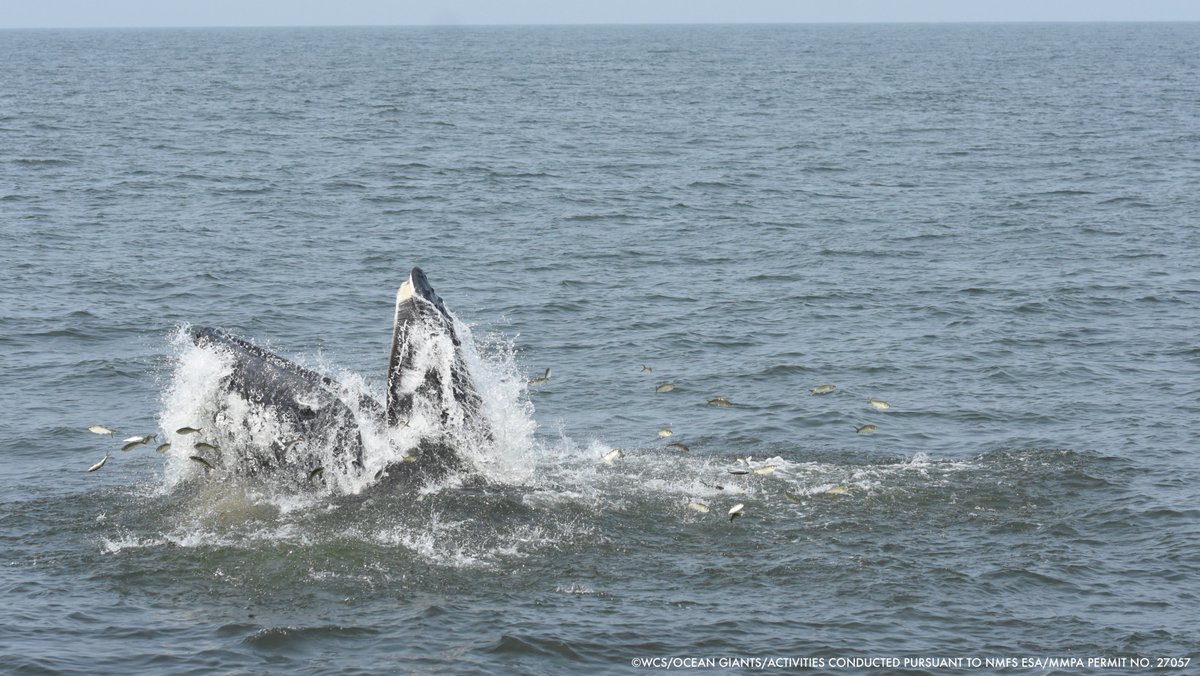
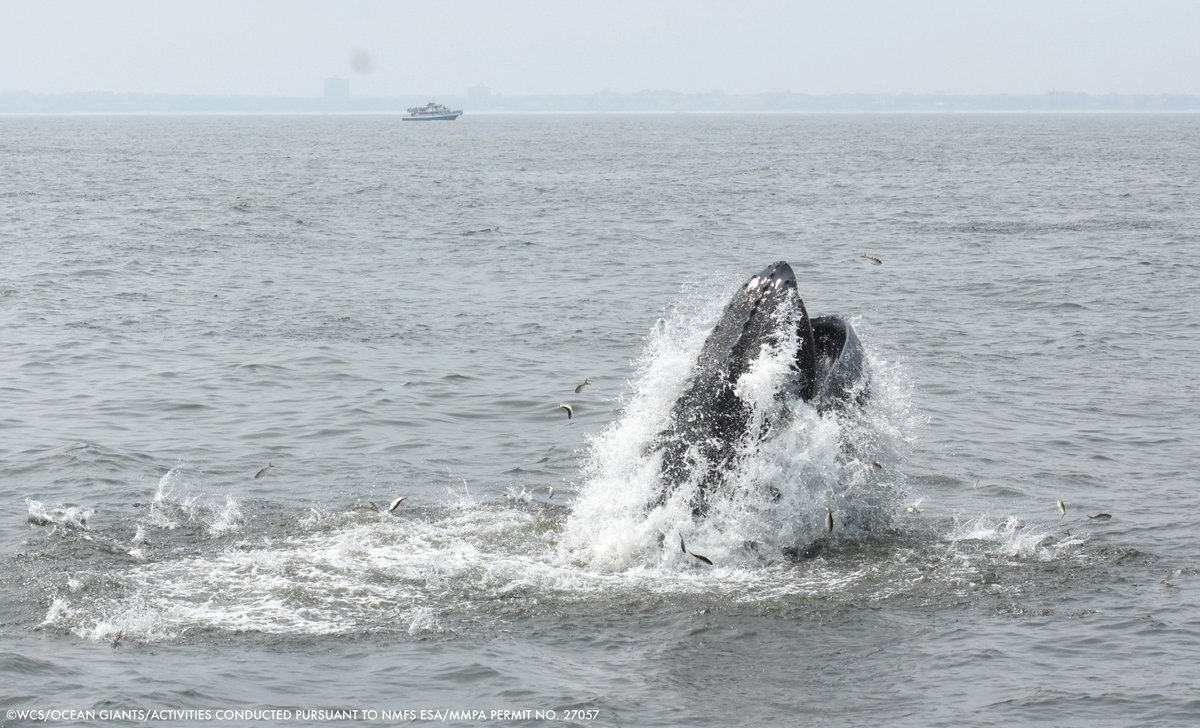
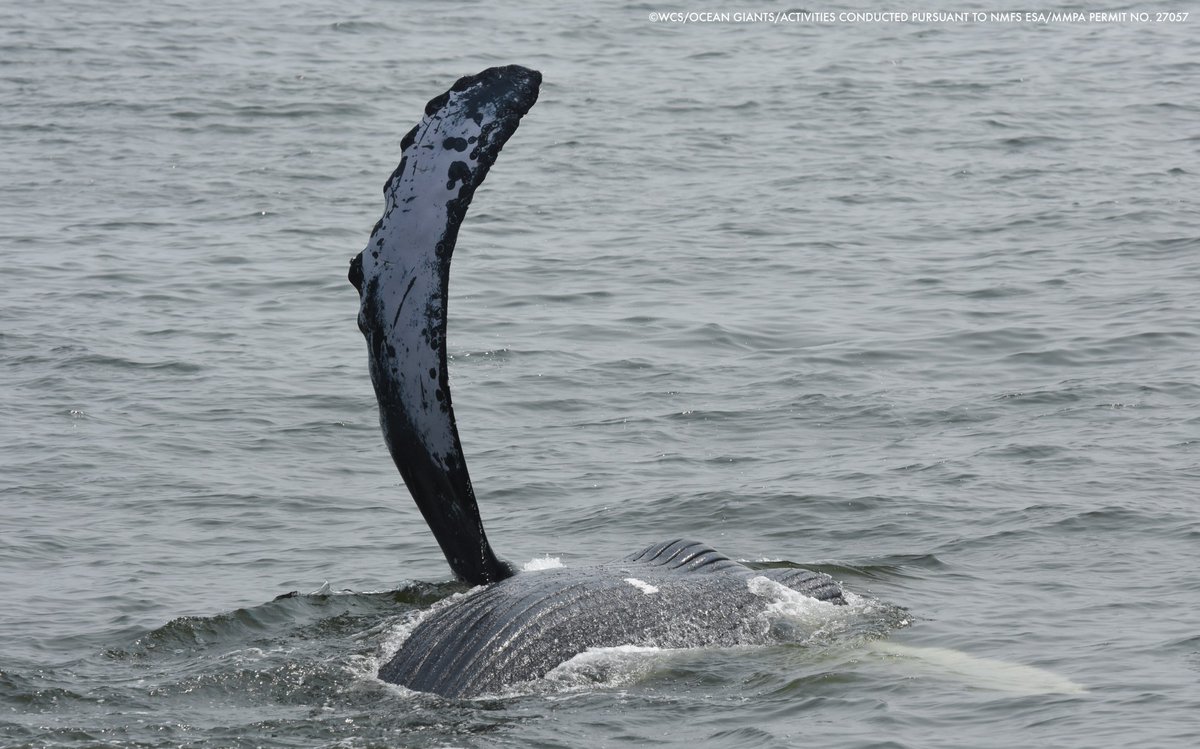
Another great day in the New York Bight for @WCSOcean Giants team. Some nice early morning sightings of bottlenose dolphins followed by identification of 5 different humpback whales—one slapping the water with its pectoral fins, and others lunge feeding on Atlantic menhaden.
NEW RESEARCH: For bottlenose dolphins like these, #NewYork-#NewJersey estuary is a dining hotspot during summer and autumn months, reports @WCSOcean Giants team. https://t.co/SbODo4Quf6
"We hope the final COP decision is strengthened even further in its ambition and commitment to meet the urgency of the moment."
Read our statement on the draft #COP26 decision proposed by the UK Presidency: https://t.co/MwBLgBTPfR
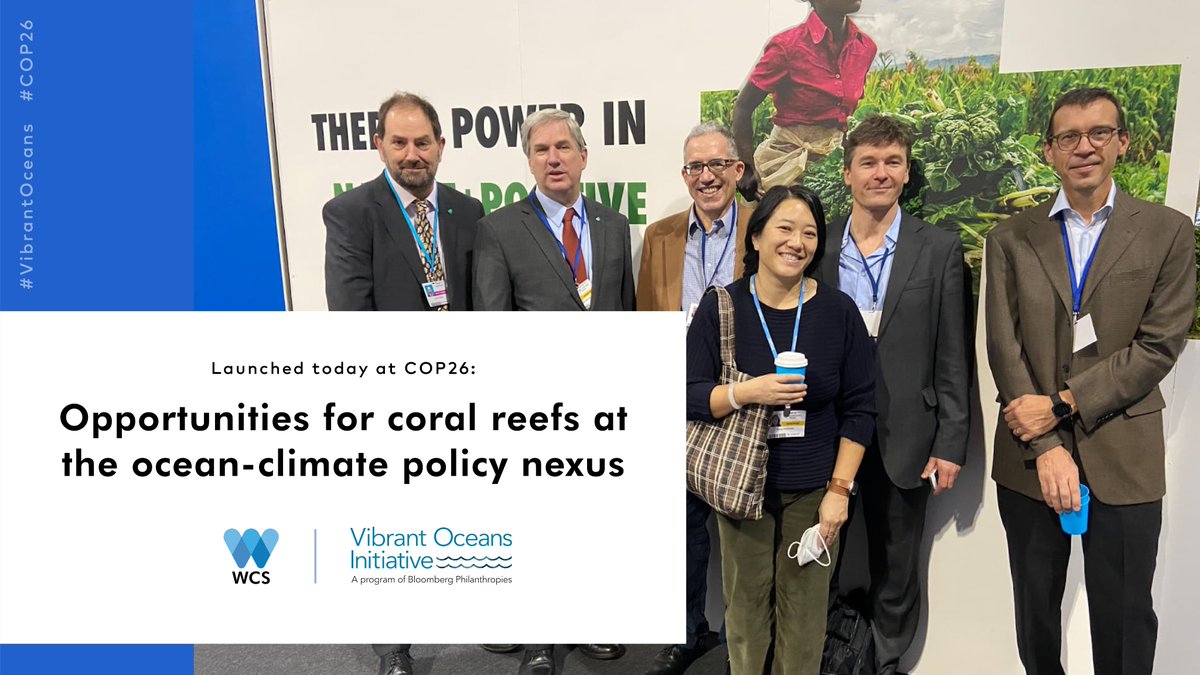
Launched today at #COP26, our new white paper gives clear and actionable recommendations to help mobilize protection of our oceans in the face of climate change.
Read it here: https://t.co/6mbg5SzPd7
"Critically Endangered North Atlantic right whales were detected outside Seasonal Management Area (SMA), originally designed to reduce vessel strike risk; the SMA should be reassessed to provide safer passage through the NYB," Dr. Anita Murray presenting & panelist @ #NARWC2021
We're partnering with @DukeEnvironment and others on the Wildlife and Offshore Wind Project (WOW).
Move to #renewables is urgent and important, but we must take steps necessary to protect wildlife.
Thank you to @ENERGY for supporting this initiative. https://t.co/qsQv8UdtEq
📣 New story out today about our recent #OECMs Nature Comment | "OECM concept may bring more inclusive approach to protecting biodiversity" via @Mongabay from @JimLTan
https://t.co/1ZnsgKK8MT
Political momentum is building for a global #30x30 target to protect 30% of the planet by 2030.
New Nature Comment argues that biodiversity needs every tool in the box, and outlines how #OECMs can help meet global goals alongside Protected Areas: https://t.co/7ewZtvtmDV
Devastating news for the critically endangered #vaquita as the Mexican government give up on the only conservation measures likely to prevent its extinction https://t.co/XfytomPPiL
In 2020, scientists discovered a sanctuary off the coast of Kenya and Tanzania - a deep channel of cool water where threatened species of corals, sharks, and whales still thrive amid climate change.
This #WorldOceansDay explore East Africa's coral refuge: https://t.co/2KMkzcCeCD