#medlibs and other librarians interested in evidence synthesis:
Interested in peer reviewing systematic reviews? Want to join your colleagues like @carrieprice78 in working to improve the literature? Sign up for the Librarian Peer Reviewer Database!
https://t.co/kLXwwFpWp7
@Llipke3 It's purposefully that way to differentiate quality of reporting from quality of methods. Of course, it influences the quality of the methods if stuff's not there to assess. ROBIS includes missing information as part of their tool.
Epidemiological characteristics and prevalence rates of research reproducibility across disciplines: a scoping review of articles published in 2018-2019 | eLife https://t.co/KvDIOYz7KE
@katemsaylor As an FYI, pretty much all of the major AIDS conference abstracts used to be in NLM Gateway, but it doesn't exist anymore; the data, however, does: https://t.co/2iCyDHO4Af (so that's where I found it)
@DFanDaBiasedMan@LexBouter Agreed, exact reproduction of a database search is unattainable due to database changes over time. That being said, if the number of results is over 1000% different, it's a pretty good sign the search reported wasn't the search conducted
@carrieprice78 @libraryvines Sad, but true. I keep hoping if #medlibs start citing PRISMA-S, it will get mimicked in the literature and a few people here and there might read it and learn. Even we aren't always on top of naming databases searched, though (e.g., only listing Web of Science, Cochrane Library)
If fact it's much worse: only 1 in 100 systematic reviews provided the necessary details for all database searches to be fully reproducible. See: https://t.co/Qg2ngqOhqi @mlrethlefsen @dmoher @cochranemthds @cochranecollab
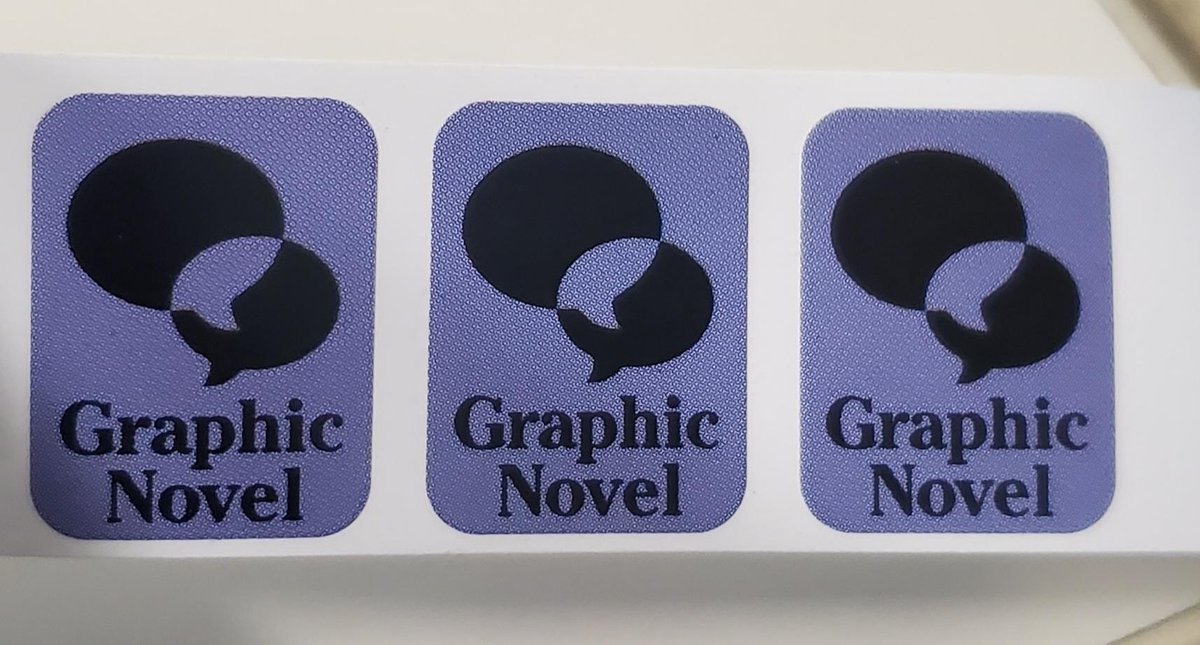
We now have a Graphic Novels collection located on the 4th Floor between the General and Media collections. Look out for our Graphic Novels sticker and check out the great collection we have! #graphicnovels
@amybethreyes I have heard some libraries are permanently transitioning to keycard access only by directive of their institutions, with public access via appointment
First medical student class taught in the original Health Sciences Library (formerly the Library of Medical Sciences), 1964. #FlashbackFriday#UNMHistory#PhotoArchives