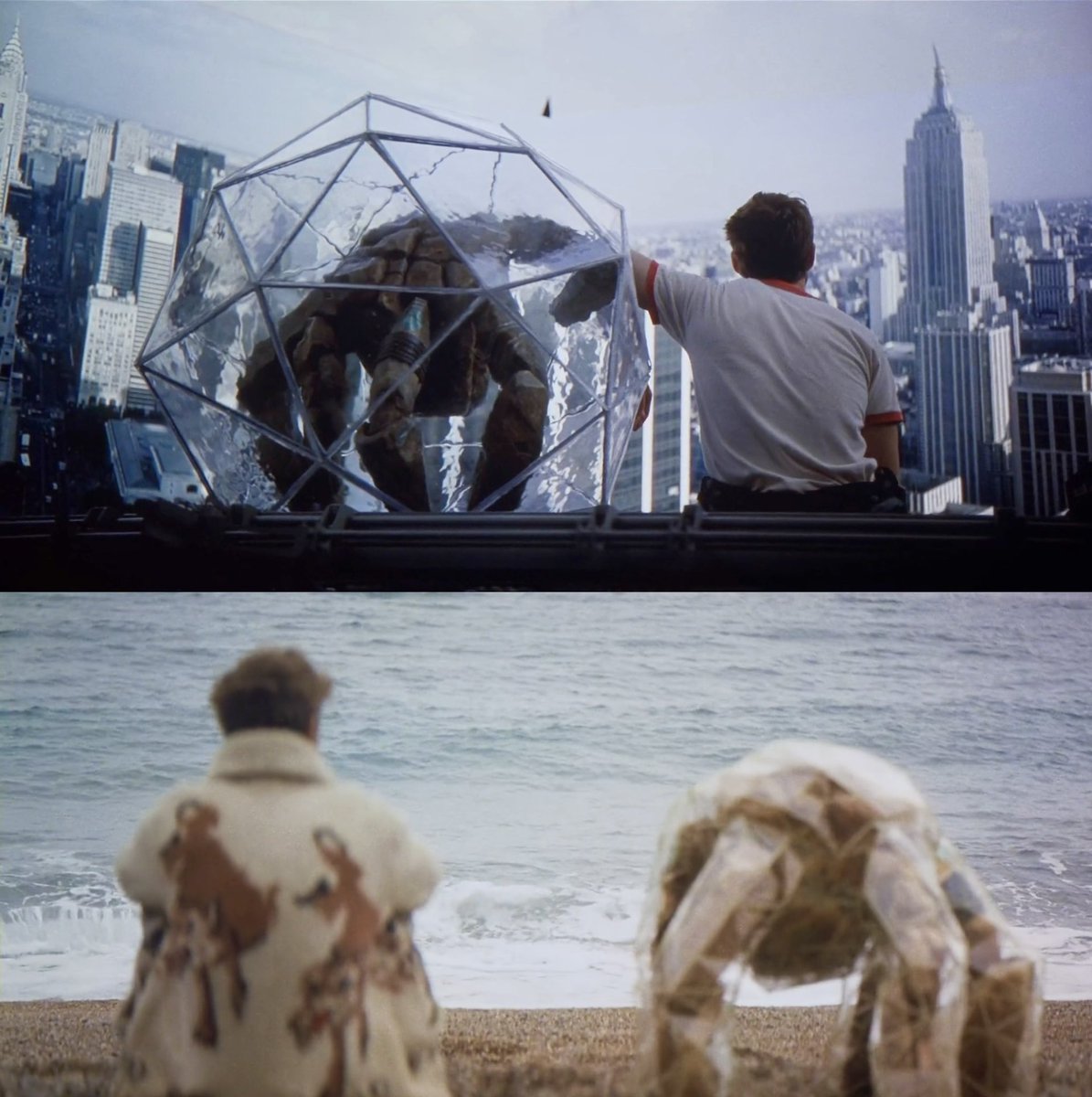
เซทนี้น่าจะใช้กล้อง Fujifilm GFX100RF
เซนเซอร์ Medium Format (ใหญ่กว่า Full Frame)
เรียกว่าเป็นตัวจบของสาย point and shoot
ราคาไม่แพงเท่าไรเลย 174,990 บาท เองครับ
*SPOILER*
People complaining about the ending of the film Project Hail Mary (or the book for that matter) do not understand the creative way Andy Weir employed and turned the Hero's Journey on its head (in a very effective way).
Anyone who has studied the hero's journey knows that the beginning of his story begins with the main character's refusal of the call to action. The hero eventually does choose to go on their journey, slays the dragon, and returns home a changed version of himself.
Project Hail Mary is cleverly told in both the main character's (Ryland Grace) present timeline, but also in a series of flashbacks. While this is a common storytelling trope, it is used well in both the book and the film. It is used to not just reveal hidden information, but to build tension and character motivation.
The chronological story begins with Grace learning about astrophage and then explaining it to his students. He is at home here in his classroom and clearly loves what he does for a living. We are led to believe Grace's refusal to the call to action happens in his past when Stratt attempts to recruit him to study Astrophage. He then chooses the call when he asks her to continue studying it and officially joins the project's task force.
However, the true refusal of the call is revealed later in the story. Grace is tapped to sacrifice his life and go to space to save the Earth. He refuses, dramatically so, and he is forced to go anyways. He never chooses this call.
Grace later finally embraces the call once he has undergone his archetypal character change. He slays the dragon of his own low self-worth, finds someone and a purpose worth choosing the call for, saves Earth, does *not* return home, and instead chooses to save his friend's home planet instead.
As Grace does not return to his home, the hero's journey only works if he returns to a version of that home in its place. Remember, his home is in the classroom. He has returned to what he loved (teaching), but as a better "changed" version of himself. Thinking that the story should not end here, shows a complete failure to understand the oldest narrative archetype and storytelling structure in human history.