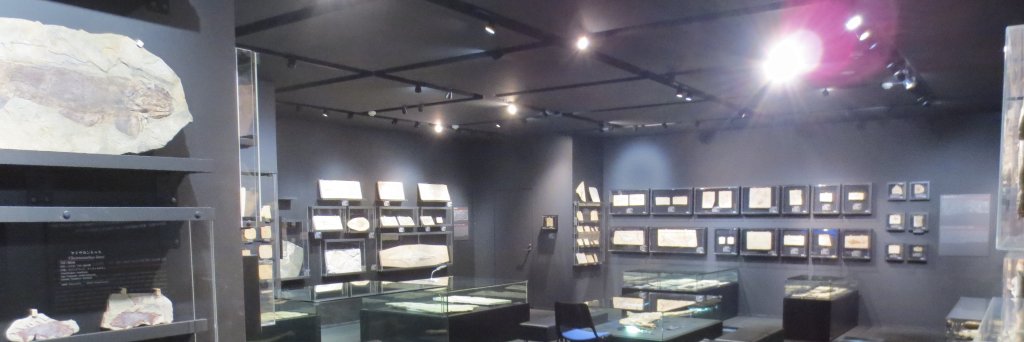
Meet Eryops megacephalus. Evidence including strong limbs and trackways that may have been made by this critter suggest it was one of the most terrestrial early tetrapods. It lived ~280 mya during the Early Permian.
🦖 Daily Paleo 🦖; Hystrix makapanensis
From Pliocene to Early Pleistocene Africa, the giant African porcupine was the largest species of porcupine known, being 25% larger than modern Cape porcupines. It would have coexisted with formidable predators like the bear Agriotherium
I'm not joining the "it's mid" bandwagon
While it's for sure flawed, its focus on lesser known events, time periods, and species who are reconstructed beautifully makes Surviving Earth well worth a watch. Plus, the storytelling did "get me", especially in episodes 3 and 4
Here is my take on some described and named Plesiosauria:D
Note: made a few size adjustments on some of them. Enjoy and happy to hear some feedback as I'm learning in reconstructing fauna🤙🏽
Diver me for scale ~2m
#paleoart#sizecomparison#marine#marinereptile#plesiosauria
El dia de ayer se publicó un nuevo artículo describiendo un Arcosaurio basal marino de nombre Austronaga minuta, siendo un Tenysaurio del Triásico de China, así mismo el ejemplar presento presencia de tejidos blandos conservados.
Btw Buenos dias
"Cruel Sea" redux. Fixing the anachronism from the original was pretty easy, by just replacing all the Oxford Clay taxa with relatives from Kimmeridge Clay.