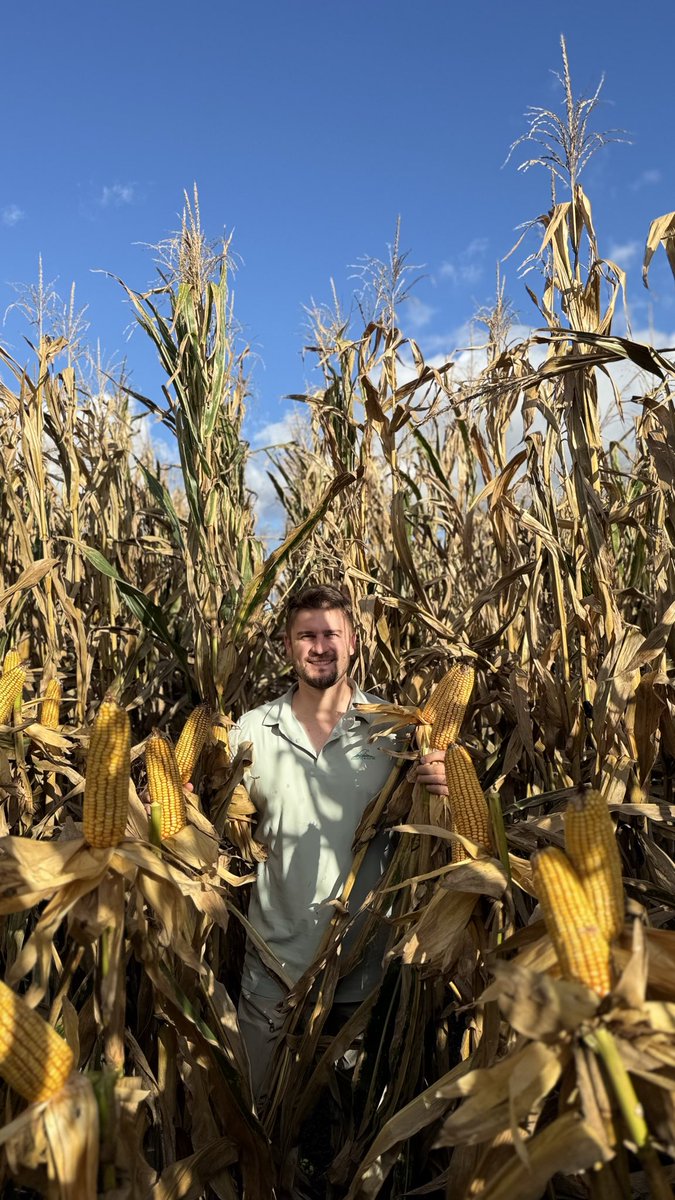
Familia Busilli: así resisten al viento los nuevos maíces de alta performance.
@bayeragro
🚜
Canal 13 Satelital | Sábados 09 horas
Metro | Sábados 13 horas
Youtube | Instagram | X | Facebook | LinkedIn
@agrotvcomar
Toda la tecnología agropecuaria en acción
#agrotvcomar
🚨NUEVA ALERTA ROJA: Brassica rapa
Resistencia múltiple y primer reporte mundial a diflufenican (PDS), en el sudeste de Bs. As. (Tandil).
🗂️Investigadores: Ing. Agr. M. Sc. Victor Juan, Ing. Agr. Lucía Ledesma e Ing. Agr. M. Sc Federico Núñez Fré (@UNICEN_Oficial )
📲 Conocé más ingresando aquí: https://t.co/rQL80tjOUL
Bloomberg Intelligence team did a nice deep dive on Brazil agriculture: 2026 outlook, global food and fuel demand, and the extension of the boom in the $500 billion sector.
Brazilian agribusiness can do five things no other country on Earth can replicate.
The first: two harvests on the same land in the same year.
About 40% of Brazil's soybean fields are immediately replanted with corn after the soy harvest.
In Mato Grosso, irrigated farms are now growing three crops per year on the same hectare.
The second: eucalyptus that matures in 6 to 7 years.
Pine in the U.S. South takes 22 to 40 years.
Pine in Canada and Scandinavia takes 60 to 100 years.
The third: cattle finished primarily on grass.
About 78% of Brazilian beef still comes from grazing systems.
In the United States, almost all beef cattle pass through feedlots in their final phase.
The fourth: sugarcane that produces both sugar and ethanol on the same crushing run.
Brazilian flex plants switch the output ratio between sugar and ethanol based on which price is higher.
The fifth: coffee, soy, beef, cellulose, and orange juice all grown on the same continental landmass.
Brazil is the world's largest producer or exporter in every single one of those categories.
Brazil functions as an agricultural civilization.
Climate, soil, and decades of breeding research at Embrapa built it.
Three structural advantages no other country can replicate.
The world's quiet bread basket is operating at a scale most investors have never measured.
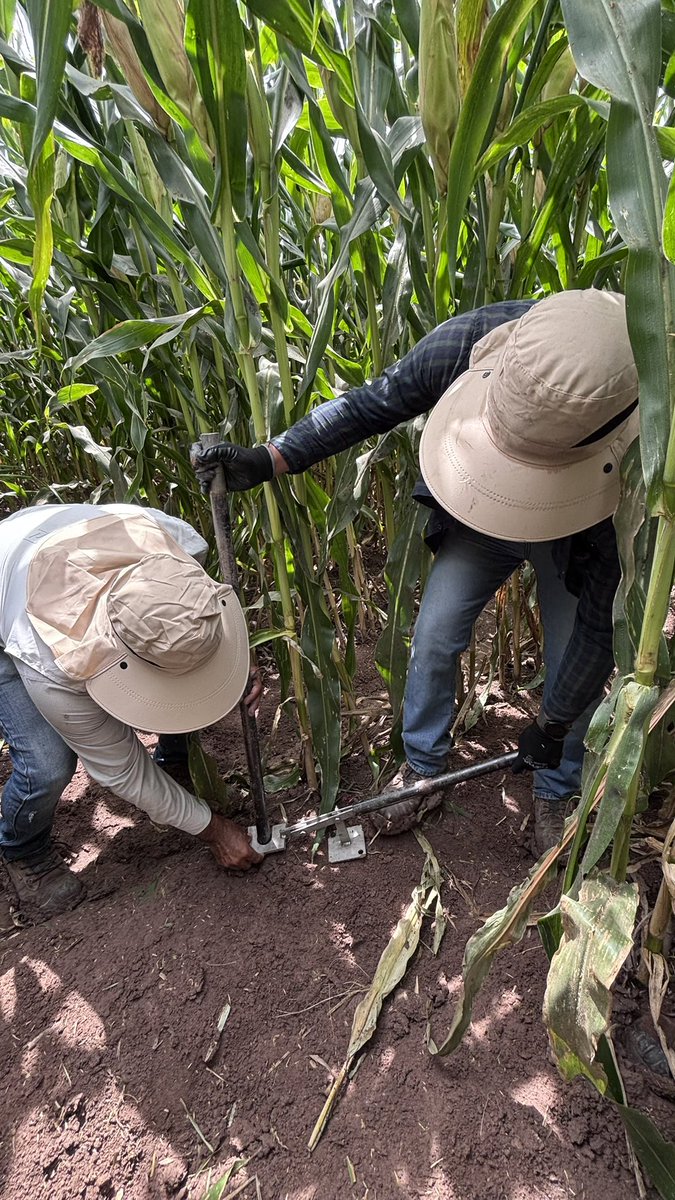
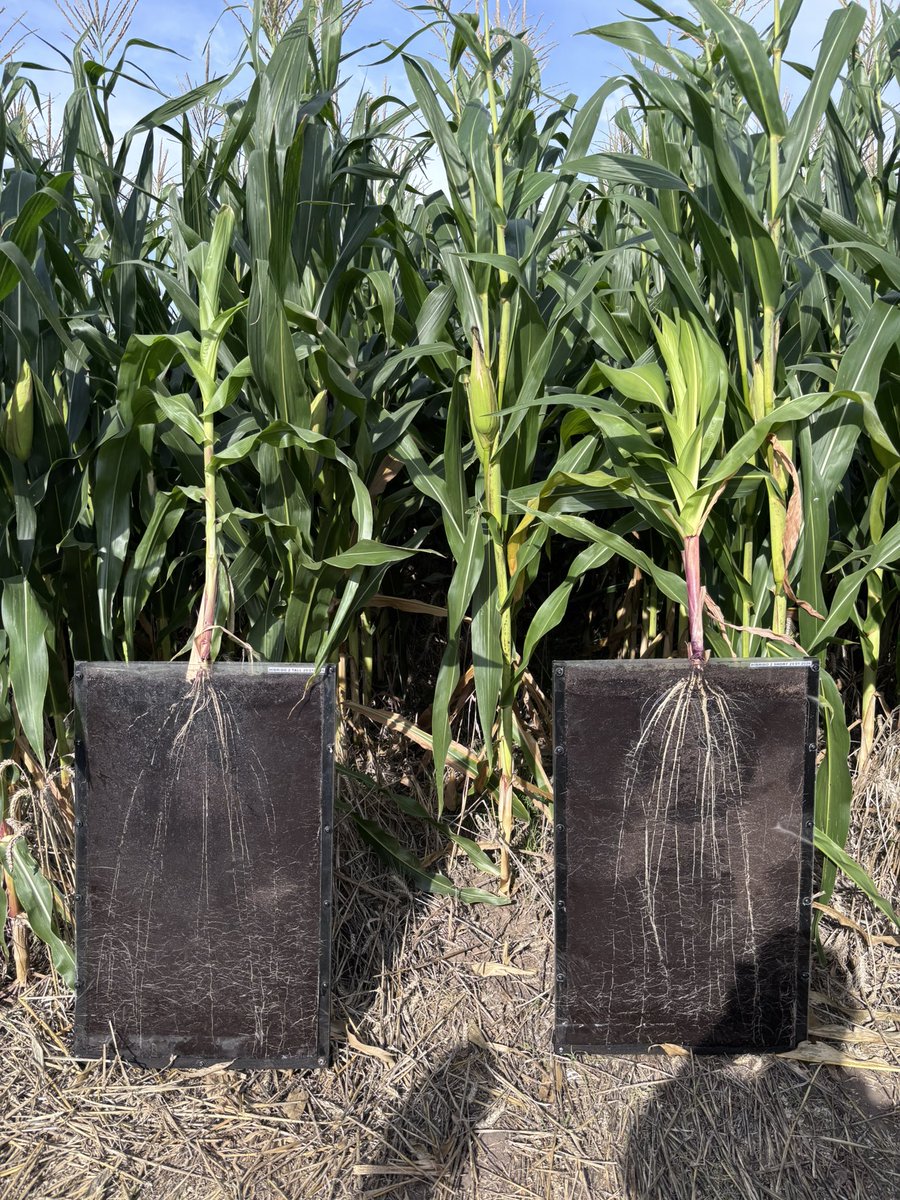
Proyecto 3I (internacional, interdisciplinario e interinstitucional) sobre Short Corn. Juntos la Universidad de Sinaloa, la Facultad de Agronomía UBA, Bayer México y Bayer Argentina para responder las preguntas de los productores Argentinos y Mexicanos sobre esta nueva tecnología
🚨 Detección
Nuevo biotipo de raigrás (Lolium multiflorum) con resistencia múltiple a glifosato y graminicidas (FOPs, DIMs, DENs) en Pergamino (Bs. As.).
👉 Clave: monitoreo y manejo integrado para frenar su avance.
#MalezasResistentes#INTA#Raigrás#Campo#Manejodemalezas
Es falso lo que intentan instalar algunos diciendo que si no existiesen los DEX todo el mundo se inclinaría por sembrar sólo soja.
Eso no ocurre en ningún lugar el mundo, porque el rinde de soja se incrementa si el antecesor es maíz y el del maíz se incrementa si viene de soja.
El último informe de la Red Nacional de Monitoreo de Dalbulus maidis (" chicharrita del maíz") muestra un incremento exponencial de la plaga en el cultivo de maíz.
https://t.co/55rB2MGWyT
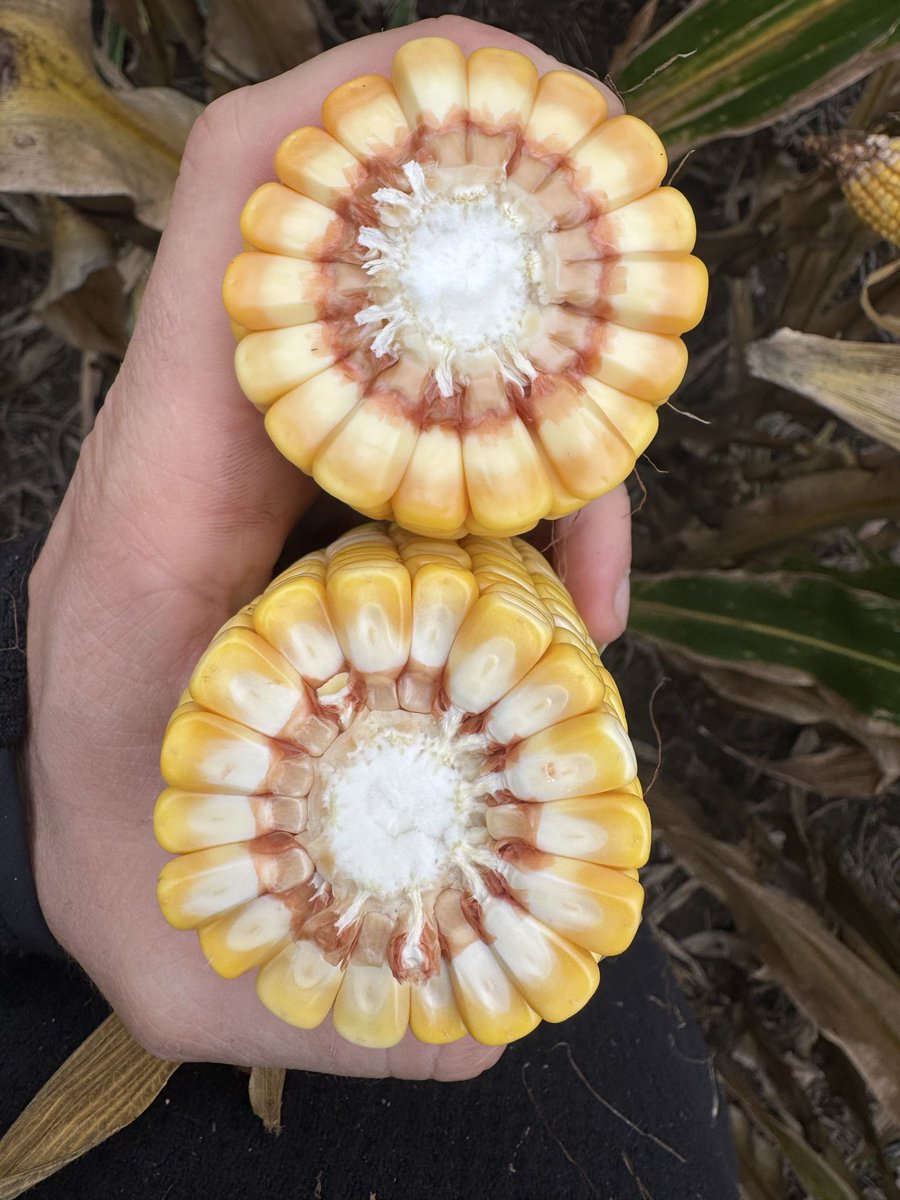
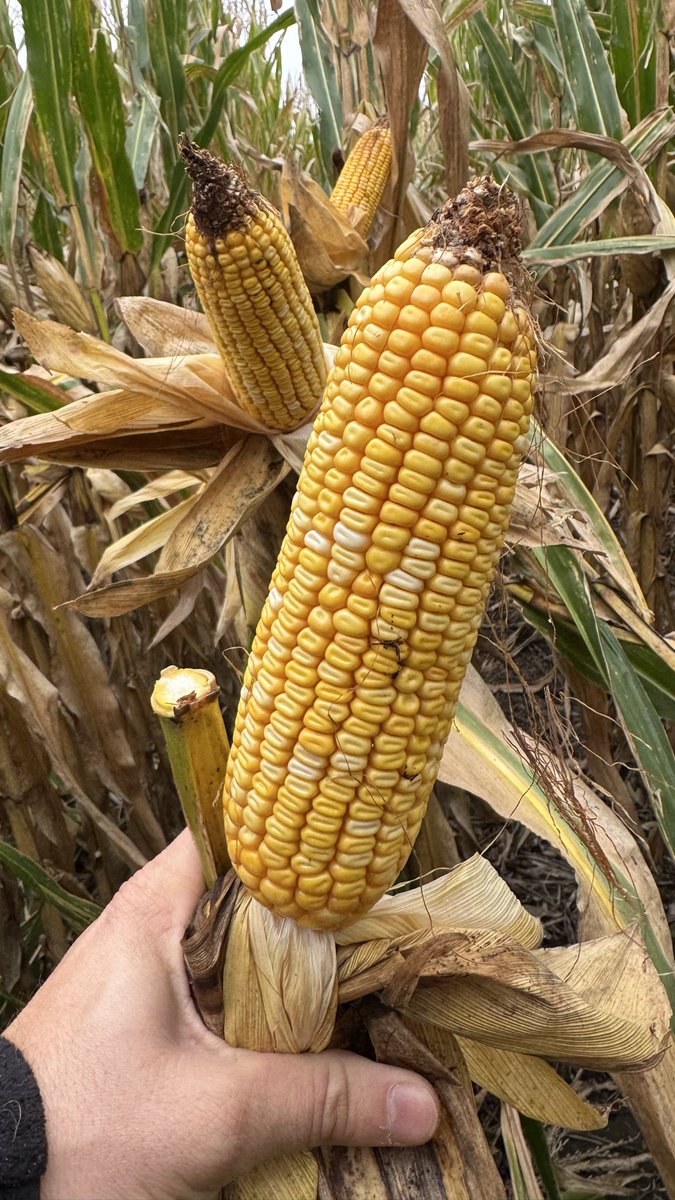
Una de los pilares del Sistema Preceon de Bayer es asegurar que los híbridos Short Corn rindan lo mismo o más que los híbridos convencionales. Y estas fotos hablan por si solas.
Sigo👇
A big moment in Argentina 🇦🇷
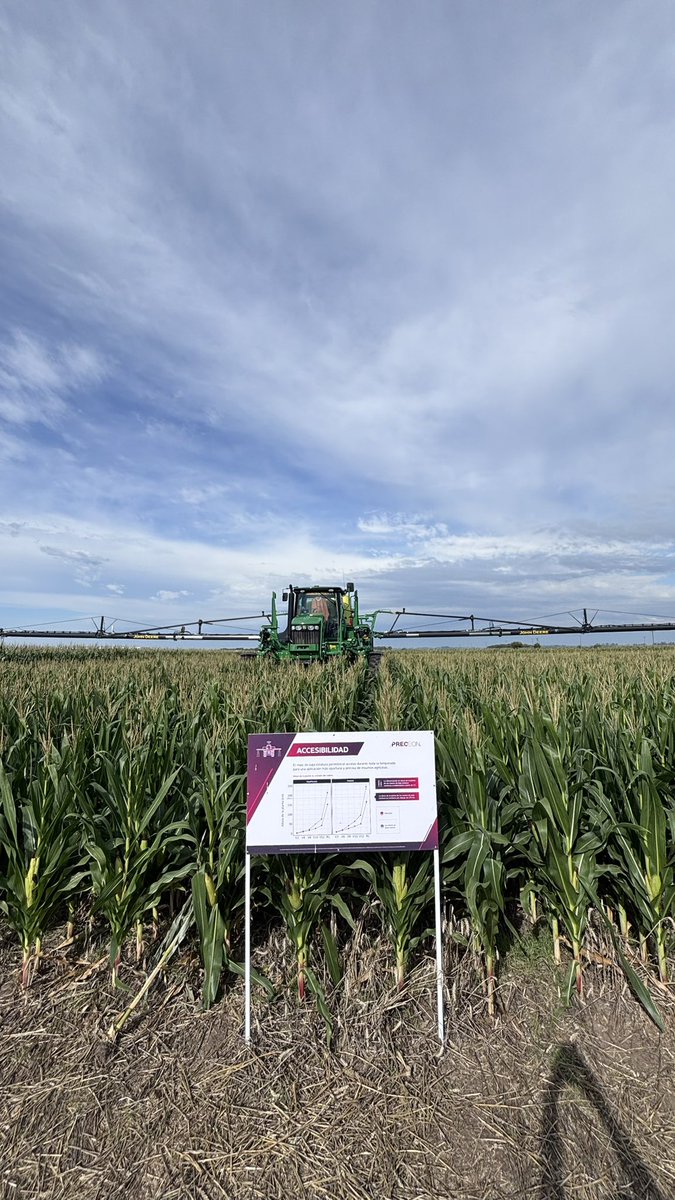
After 10+ years of work, we have launched Preceon with our “Catalizadores” farmers in Pergamino - those willing to go first and shape what comes next.
More yield, better standability, smarter decisions with FieldView.
#TeamBayer
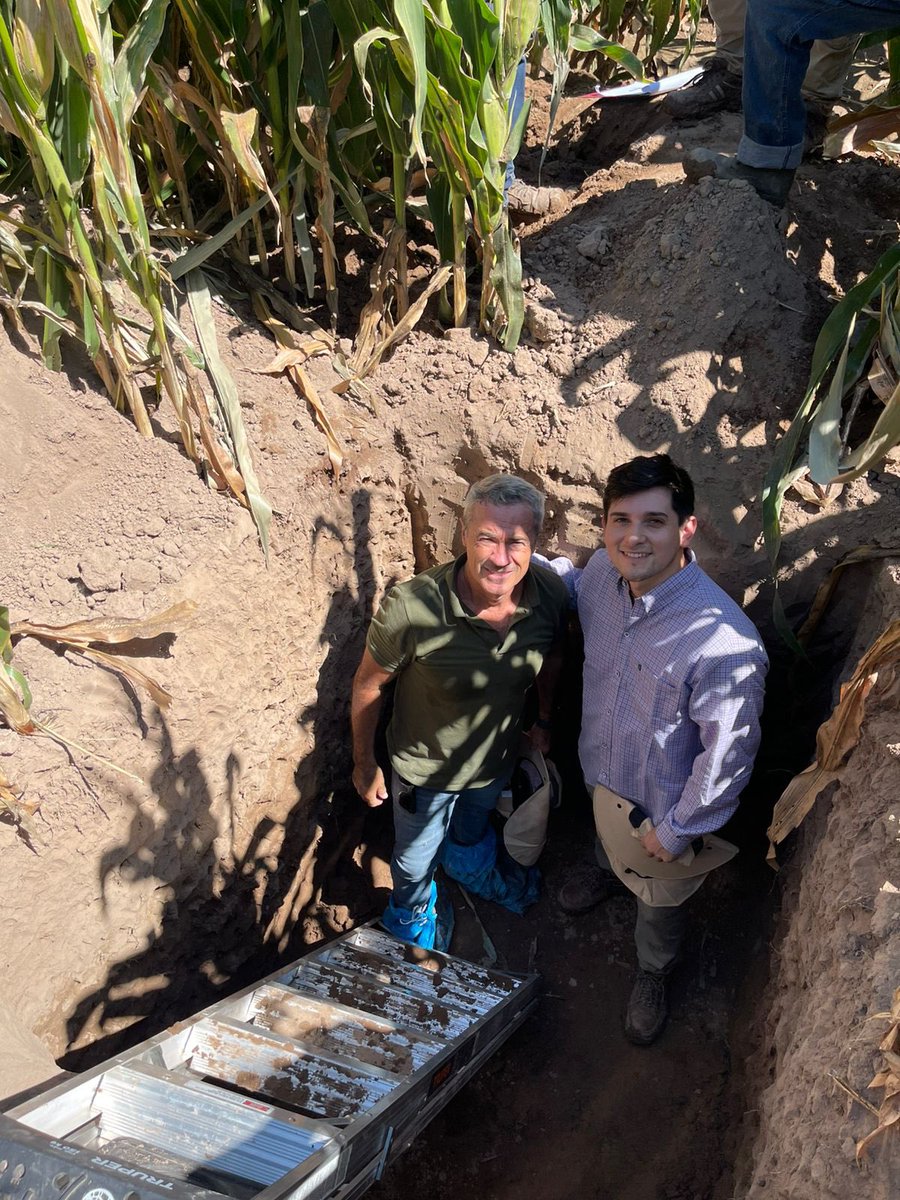
Campo experimental de @bayeragro visitando ensayos de short corns (híbridos de🌽 de baja estatura). Junto con @villavicencioj_ (tesis doctoral) y @juan_ignacio_cagnola analizamos el impacto del gen de enanismo sobre el rendimiento, balance de carbono y nitrógeno.
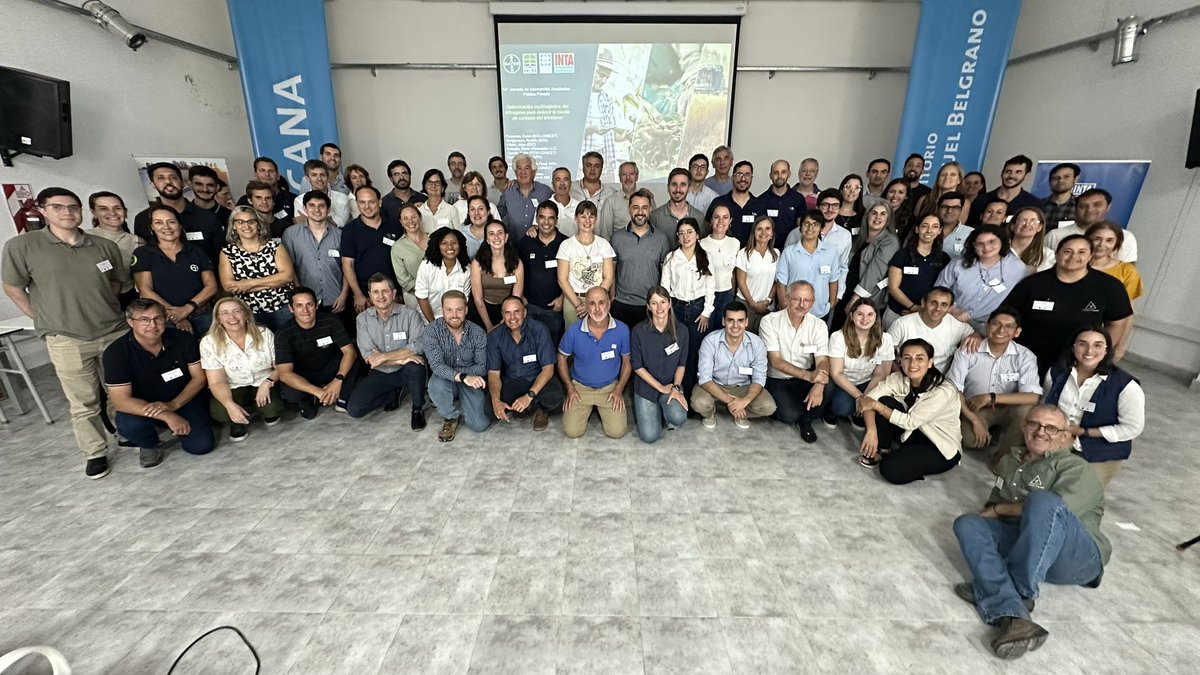
14 Jornadas de Intercambio Académico Público Privado. En esta ocasión con sede en @ecanaunnoba e INTA Pergamino con auspicio de @fauba_oficial y apoyo de @bayeragro. Alumnos de postgrado de 8 universidades del país presentaron sus proyectos en diferentes disciplinas.