Píšu o sportu (hlavně ⚽️ a 🏒), jídle, 🇮🇹, Praze, médiích, společnosti, politice, ekonomii a inovacích. Běhám, fandím @juventusFC.
Mám pod křídly @affilport
@chyba_systemu 1) když vám přijde, že nějakou informaci už všichni znají a není potřeba ji zmiňovat, obvykle tomu tak není
2) mít k dispozici data ještě neznamená mít správně interpretovaná data
3) to, jak se firmy a jednotlivci prodávají na soc. sítích, je často jen pozlacená fasáda
#TIL Pad thai není žádný prastarý recept s bohatou tradicí, ale spíše produkt státního marketingu. Ve 30. letech ho thajská vláda začala propagovat jako národní jídlo. O několik desetiletí později se z něj stal celosvětový symbol thajské kuchyně a tahák pro turisty. 🇹🇭🍜
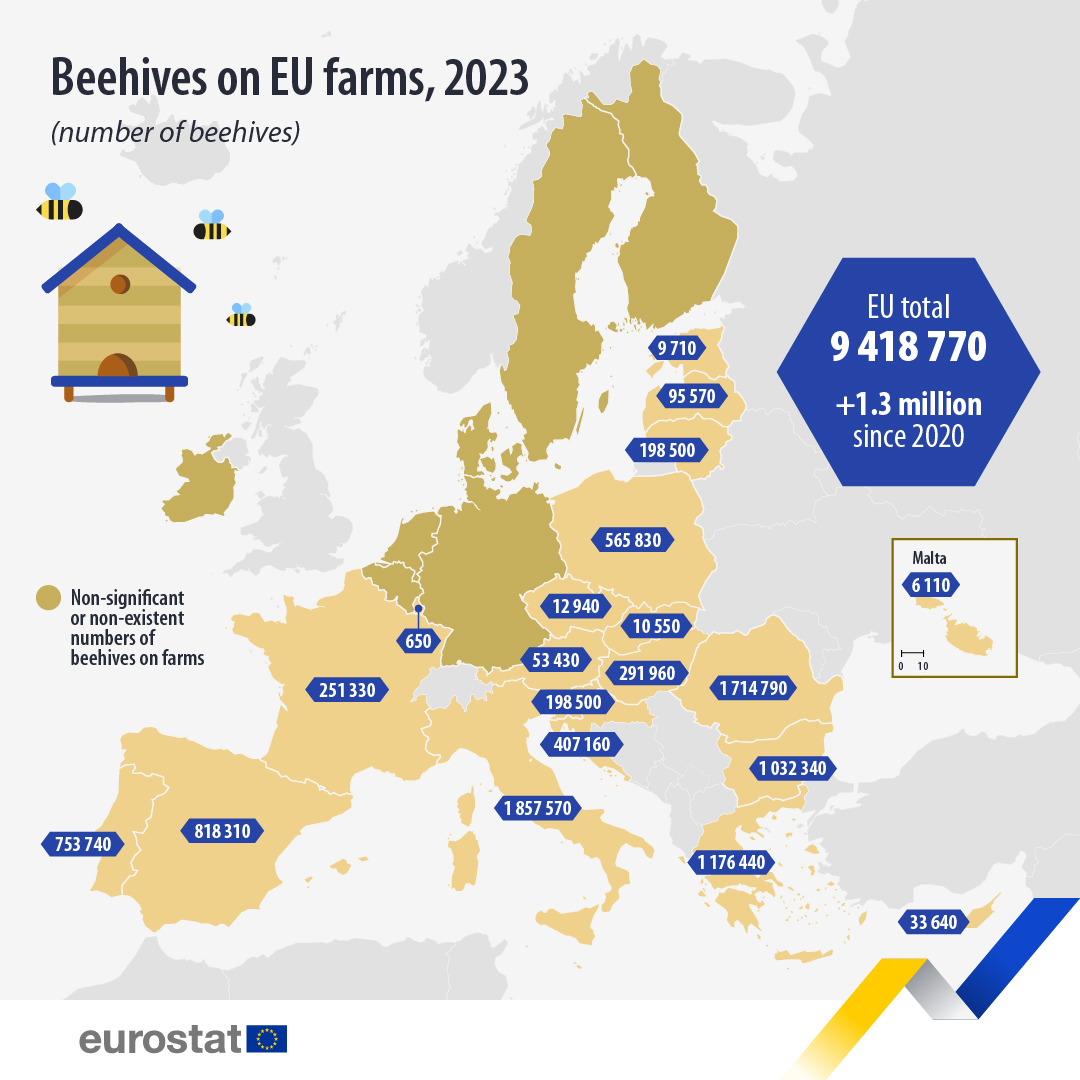
There were 9.4 million beehives on EU farms in 2023. 🐝🐝
Highest numbers among EU countries in:
🇮🇹Italy (1.9 million beehives on farms
🇷🇴Romania (1.7 million)
🇬🇷Greece (1.2 million)
Read more 👉https://t.co/I9Ge2VuGFl
#WorldBeeDay
While sharing centuries of royal court and regional culinary history the division of the peninsula created distinct flavor profiles. The cooler North relies on minimal seasoning and fermentation resulting in clean earthy dishes like Baek Kimchi whereas the warmer South utilizes heavy spices fish sauce and intense chili heat as seen in Baechu Kimchi.
@nadstavenycas To jo, ale tak starej ja nejsem 😄. Vlastně i v Mexiku je to za mého života už podruhé, ale ten první mundial jsem nesledoval, protože mi byly 2 roky
Evropští fanoušci často nahlížejí na USA s despektem, že je to nefotbalová země.
Moje životní zkušenost ale nesouhlasí. Blíží se start již 10 MS, které budu sledovat, a za tu dobu se teprve v první zemi bude hrát turnaj podruhé. Ano, v USA ⚽️🇺🇲 #soccer
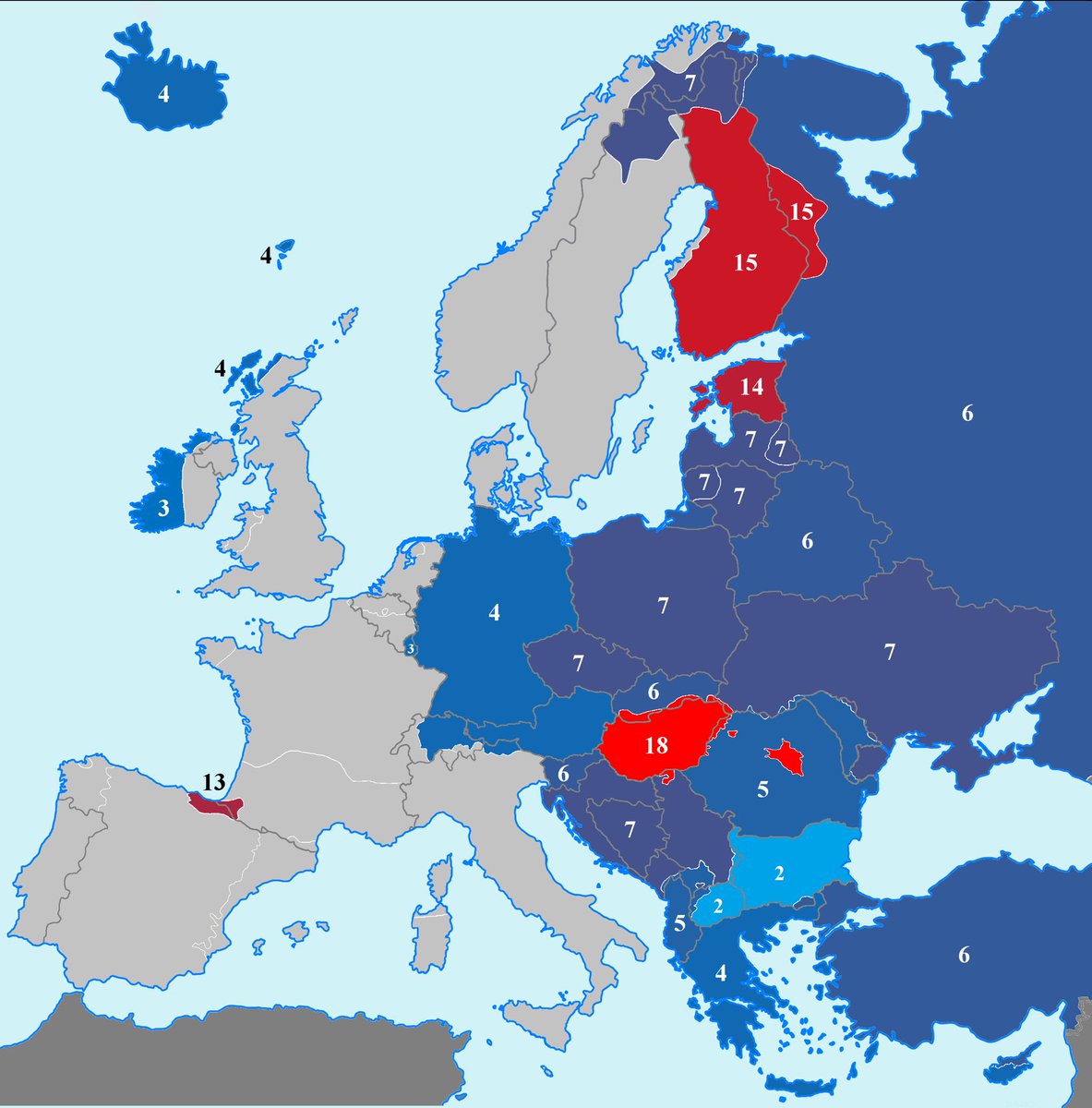
European languages by number of grammatical cases.
The map is a bit simplified, but still interesting.
Also keep in mind that in aggulative languages (Hungarian, Estonian, Finnish) most cases kinda replace prepositions. Only 3-5 are mainly "grammatical".
In many of the world’s great culinary traditions, the definitive test of a cook’s skill is the quality of the caramelized crust left at the bottom of the vessel. In Spain, this layer is known as socarrat—derived from the Catalan verb socarrar, meaning "to scorch"—and it is the absolute hallmark of an authentic paella, concentrating the essential fats, saffron, and fond from the broth.
The appreciation for this texture is entirely universal. Across Latin America and the Caribbean, it is fiercely defended at the dinner table as arroz pegao or concolón. In Persian cuisine, it is elevated to an art form known as tahdig, while East Asian traditions celebrate it as guoba or nurungji, often serving the crispy residue as a distinct delicacy or snack.
What appears to the untrained eye as a culinary mishap is actually a deliberate masterpiece of heat control and the Maillard reaction, proving that across diverse cultures, the most coveted flavor always hides at the bottom of the pan.
Credits: @reverie.rest
@sazkarik@Libpod@bratricek vidím to spíš opačně. Pokud měl bitcoin někdy nádech sektářského Ponzi, tak dřív. Dnes má mnohem větší podporu mezi institucionálními investory, fondy a firmami, takže je podle mě o něco blíž mainstreamovému aktivu než před 10 lety. Samozřejmě to neříká nic o tom, kam půjde cena
🇭🇺 Naprosto vynikající rozhovor @PetrosKecyaPoli s @oliver_adamek v nejnovějším díle podcastu Kecy a politika 👏
O Maďarsku za Orbána i po Orbánovi, ale vlastně i o Česku a snaze o zavedení místního orbánismu, v jejímž čele stojí Babišova přísná "maminka" Tünde Bartha.