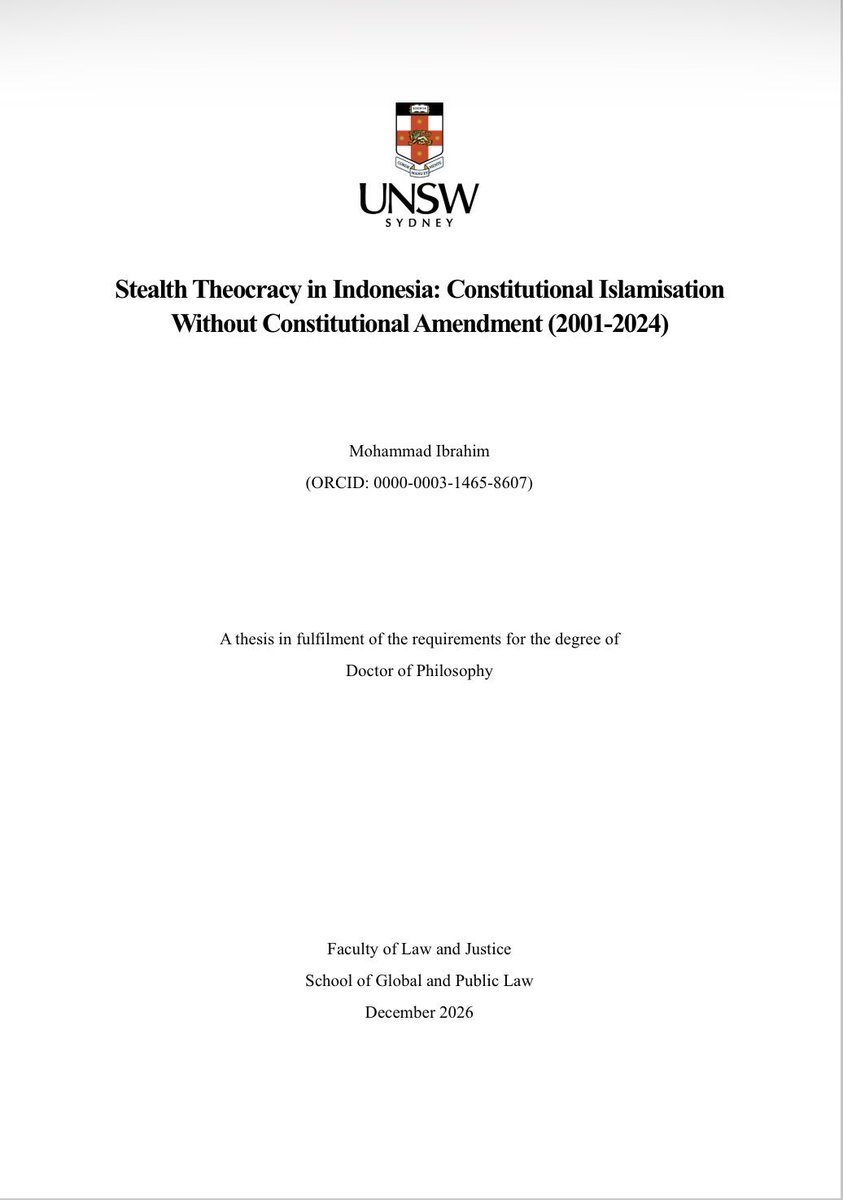
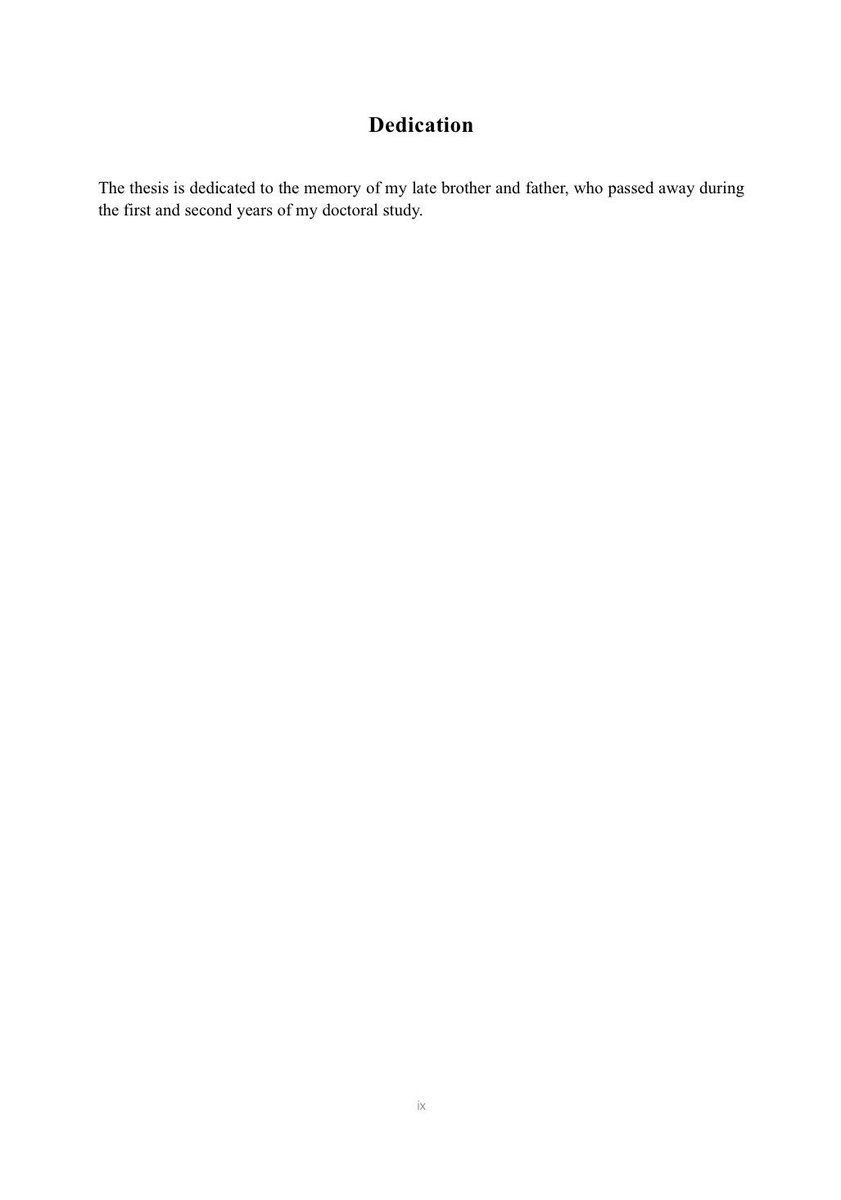
@MLagranskiy Thank you. It probably won’t be publicly available for 2 years after thesis submission. But I’ve submitted some of the substantive chapters to academic journals. I may post them on SSRN if they get accepted for publication.
As someone with a family history of cardiovascular disease and high LDL cholesterol, I found this very interesting and useful.
The Proof with Simon Hill: The Portfolio Diet: 4-Food Stack That Matched a Statin for LDL Reduction... https://t.co/dP2FI0RW8I via @YouTube
Wonderful plenary with the Chief Justice of New Zealand, the Chief Justice of Australia’s Federal Court and a Justice of Papua New Guinea’s Supreme Court at @VicUniWgtn
The discussion covered judicial diversity, the role of courts in society and the challenges they face today.
I'm an associate editor of Philosophy & Public Affairs, but wasn't involved in the decision to publish Simon Goldstein's largely AI-written piece the other day. That was an interesting experiment, but it caught us before we'd come up with a policy on this obviously pressing issue. We've now formulated a policy, which goes into effect as soon as it's up on the website, but I'll share it here too, with the editor-in-chief (Jason Brennan)'s permission.
TLDR: We don't want substantially AI-authored papers to be submitted to P&PA; we define what we mean by that, and how we'll enforce it. If you like using AI to write philosophy papers, and want to publish them in an academic journal, we encourage you to start your own.
If, at any point from submission to after a paper is published, we discover that a (human) author's declaration that AI *wasn't* used to write the paper was false, we will reject or retract the paper and ban the (human) author from submitting to P&PA in the future.
Here's the policy:
Academic journals serve at least two functions: the promulgation of new knowledge, and identification and credentialing of talented researchers. There are many other means available to share new knowledge, but few for credentialing talented researchers, where "talented" means roughly: able, on their own or together with other researchers, to make and communicate significant progress on fundamental problems. Submitting AI-authored essays makes the task of identifying talented researchers harder.
In addition, while it is at this time possible for a researcher to use AI to author a paper that is itself high quality, it is disproportionately unlikely that they will do so, and much more likely that the paper will have all the surface appearances of sophisticated work, but ultimately be insubstantial or incoherent. This makes it harder to peer review, and makes the task of peer review in general more onerous, at a time when it is already under significant strain.
Those who enjoy and value the products of AI writing have many other places where they can publish such work, notably online. There may also be a case for creating journals of AI-authored research. So there are very few benefits to publishing AI-authored work in existing academic journals, and, given the above, significant costs.
Our policy is therefore to prohibit the submission of AI-authored content to Philosophy & Public Affairs. We define AI-authored content as papers that are substantially written by AI. We distinguish this from the use of AI for light copy-editing (which we in general define as reorganising or condensing written work without rephrasing). We also emphasise that authors are entitled (indeed encouraged) to use AI while conducting their research, in whatever ways they choose.
To implement this policy, we require authors to declare that they have not used AI to author their paper, and to explicitly describe how they have used AI in the process of conducting the research that led to the paper. We will use the leading AI detection software at the time to verify the truthfulness of the former declaration. We note that AI detection software, including updated models, may be used throughout the review process, up to and including after publication. If at any point we discover that the author's declaration that AI was not used to author the paper's content was false, the paper will be rejected or retracted, and the author will be banned from further submission to Philosophy & Public Affairs.
“Bill Maher Says Islam Is “The Mother Lode of Bad Ideas” and Fareed Zakaria Fires Back”
Bill Maher: Which gets us back to my idea of Islam is the mother lode of bad ideas. Fareed?
Fareed Zakaria: I've written a lot about the problems in Islam. My problem with the way you approach it is, I don't think you're going to reform a religion by telling 1.6 billion people, “Your religion is the mother lode of bad ideas. It's a terrible thing. Shape it up and change it.”
If you really want to change that religion, then what you have to do is push for reform, but also with some sense of respect for the spiritual values that people take.
If you tell everybody, “You suck, your religion sucks, clean it up,” they're going to get their backs up.
Bill Maher: Let's say there's a social club that believes women are second-class citizens, gay people should be put to death, you should be put to death...
Fareed Zakaria: But that's not all 1.6 billion people. Because if they felt that way, you'd have a lot more than a few terrorists out there.
In that same Pew survey that you quote every time, 99% of Muslims in the world say that it is not a widespread belief that death is the appropriate response to...
You go to Indonesia, the largest Muslim country in the world, and they have lived happily with minorities. Women are given respect.
Yes, is it as advanced as the West? No. But you don't have a huge problem with jihad there.
The biggest problems you have are in pathologically dysfunctional Arab societies which have had 40 or 50 years of repressive dictatorships.
I have always said there is the word I've used is , there is a cancer within Islam. Our difference is, how are you going to fix it?
Bill Maher: Well, first with honesty...
Fareed Zakaria: You're not persuading people with what you're doing. You're getting applause lines in the West.
Bill Maher: That's insulting. That I'm doing this for applause lines.
Fareed Zakaria: What I'm telling you, the reality is you're not changing those people.
📢 Call for papers|11th Asian #Constitutional Law Forum (7 - 8 December 2026 at Melbourne Law School)
The deadline for proposal submission is 31 July 2026! If you want more information and submit your proposal, please register here: https://t.co/6UkI0OslIA
Intensely socratic classrooms without electronic devices (and in-class, curved exams), while also learning how (and when) to usefully layer AI on top of one's own abilities and skills.
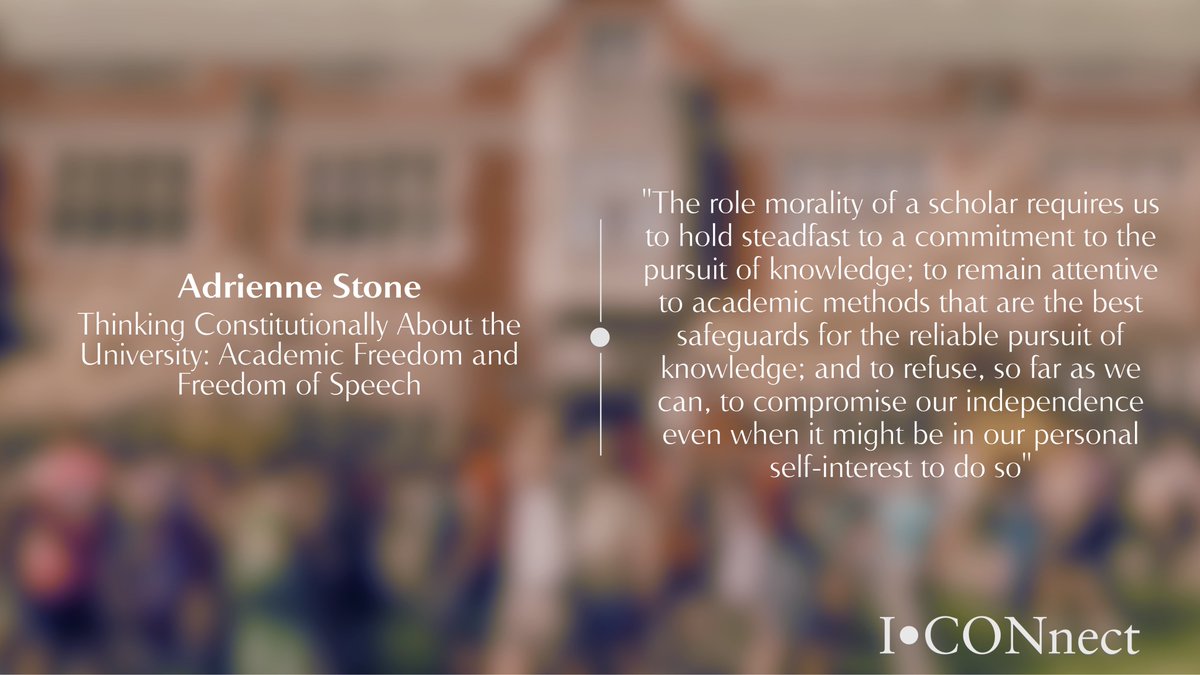
⚖️ New on ICONnect: "Thinking Constitutionally About the University: Academic Freedom and Freedom of Speech"
Next in our #ICONS2026 plenary series, Adrienne Stone argues that universities are vital to democracy's knowledge framework
https://t.co/ZUXEd0n1ra
#AcademicFreedom
Former Indonesian Education Minister and Gojek co-founder Nadiem Makarim was found guilty of corruption over a pandemic-era procurement of Chromebooks for schools, a ruling likely to intensify investor concerns about how Southeast Asia’s largest economy distinguishes graft from disputed policy and business decisions. https://t.co/SkL3nGWoMz
📷: Yasuyoshi Chiba/AFP/Getty Images
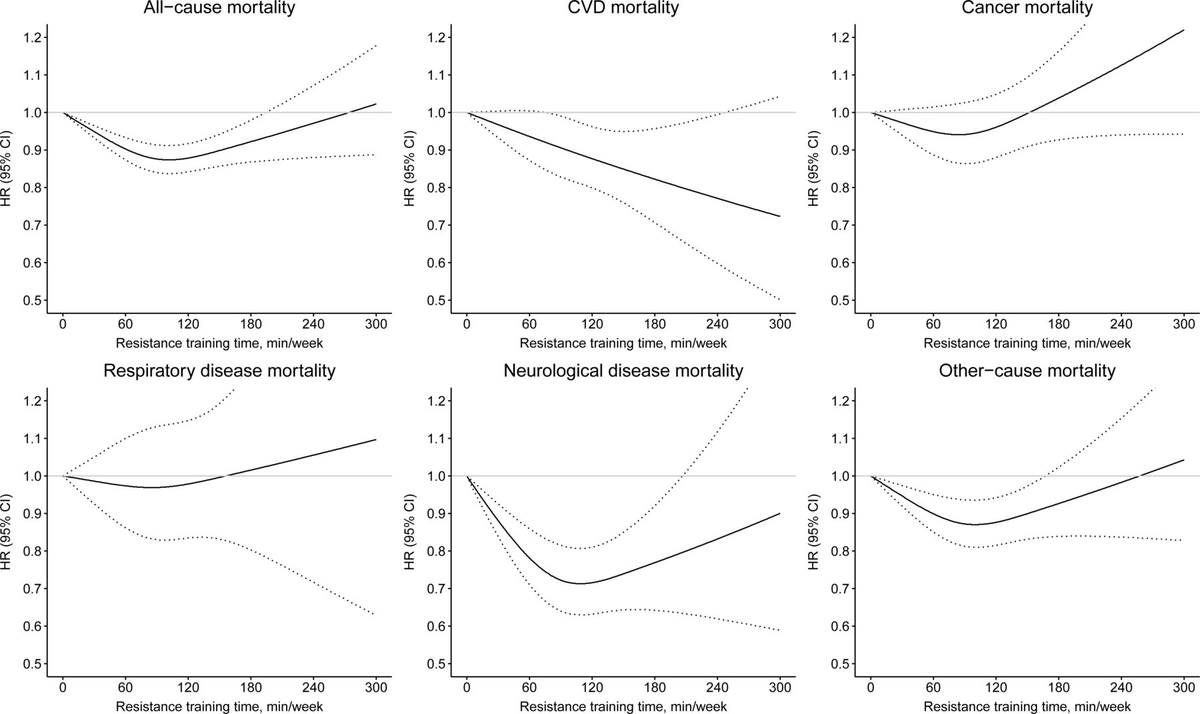
Strength training for 90-120 minutes per week is associated with up to a 30% lower risk of death from all causes, CVD, cancer, and neurologic disease.
That seems to be the upper limit - no additional benefit was observed above 120 minutes of strength training per week.
These benefits were independent of total aerobic activity, but combining strength training with ~5-15 hours of moderate-to-vigorous-intensity aerobic activity reduced all-cause mortality risk by 45%!
Clear message here is: "do both."
Ran was extremely prolific, so there are a lot of great articles to choose from. But his signature contribution was pushing comparative law scholars to take methodology seriously. You can get his core argument from this short article: https://t.co/pPvAKdyCvN (2/3)
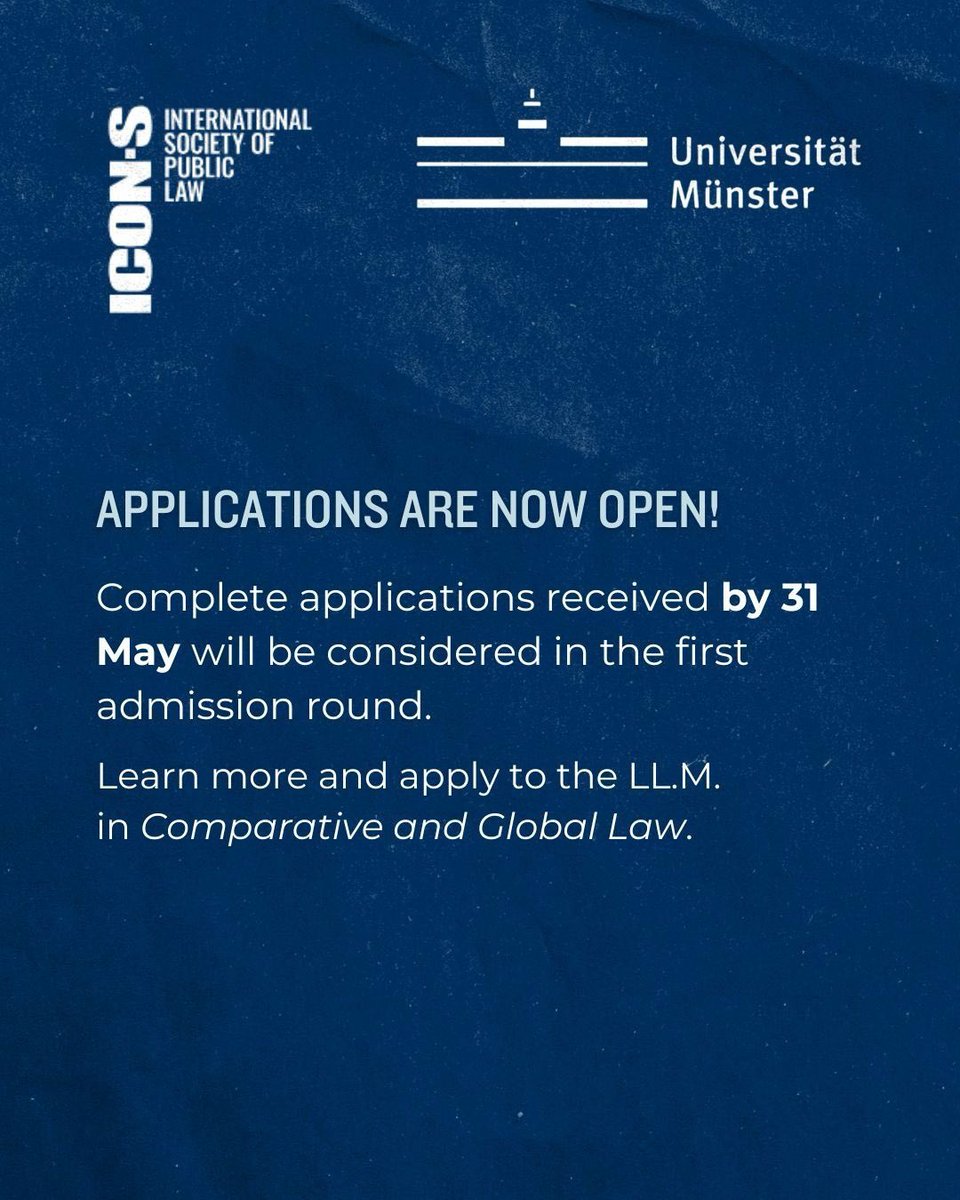
The University of Münster, a supporter of the ICON·S 2026 Annual Conference, is inviting applications for its tuition-free, English-taught Master’s program ‘Comparative and Global Law (LL.M.)’.
Learn more and apply!