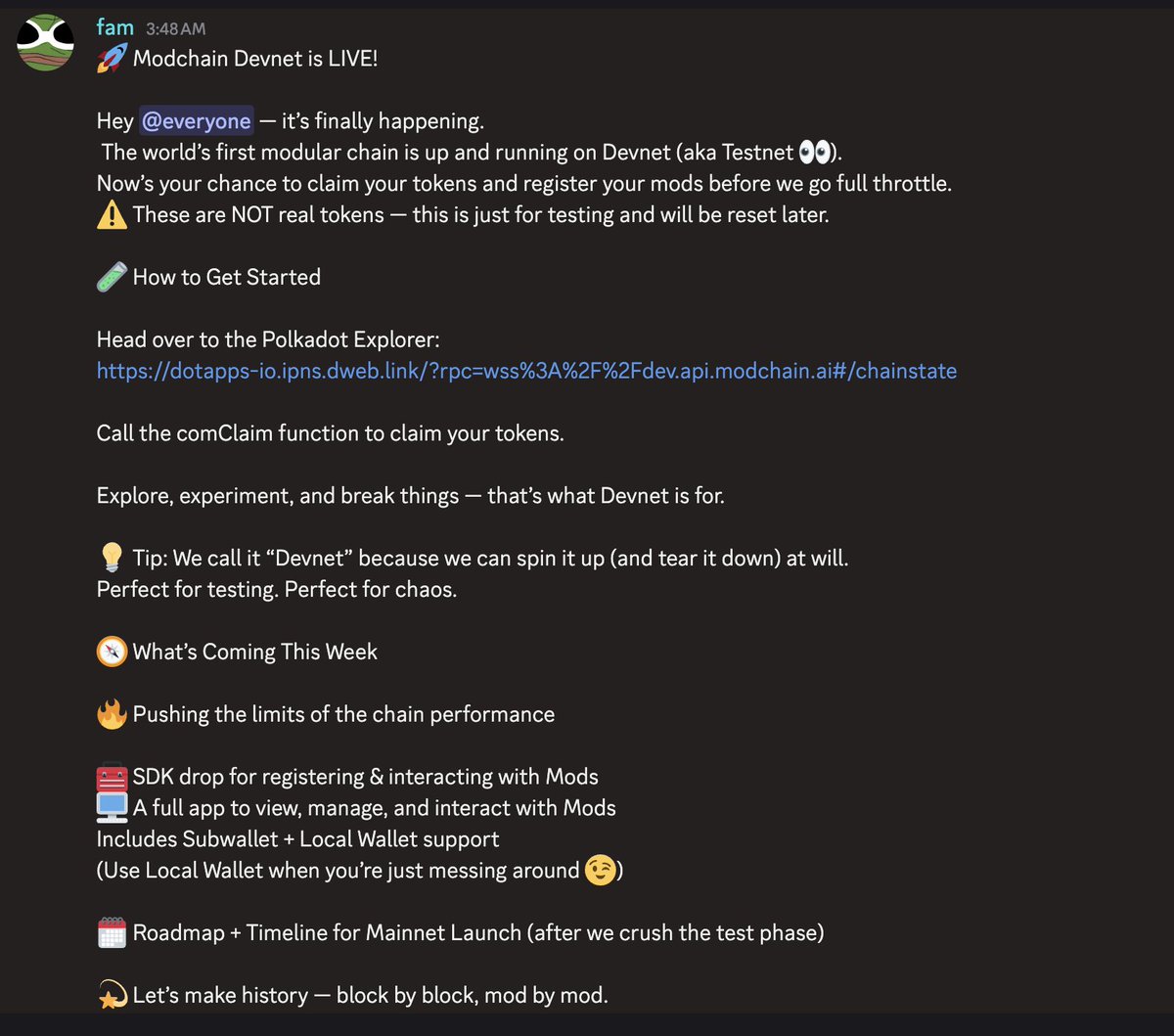
The DMM protocol is unique to $TUSDT.
No other stablecoin is being built with subnet miners as decentralised market makers simultaneously maintaining the peg.
Do you think other AI blockchains will adopt this model? 👇
Algorithmic stablecoins are backed by confidence.
Confidence is not collateral.
$TUSDT is being built to be reserve backed and overcollateralized. Every $TUSDT backed by more $TAO value than it represents. 150% collateral ratio.
Real assets on @bittensor's chain. Not an algorithm or a market sentiment.
Do you trust collateral backed stablecoins more than algorithmic ones? 👇
There are subnets in #Bittensor with whitepapers longer than most books.
And interfaces that can't answer a single user question without documentation.
$TAO
Length is not depth. Clarity is.
Controversial :
Some subnets in #Bittensor are designed to look productive without being productive.
Impressive whitepapers. Beautiful emissions.
Zero external demand.
The market will figure it out. $TAO
Repost if you've noticed this. 🔁"
$TAO : every week I see a new subnet launch.
Great model. Great team. Great mission.
No visual identity. No clear UI. No onboarding.
The tech is ready. The presentation isn't.
That's fixable. DMs open. #Bittensor 📩
$TAO : the #Bittensor projects I trust most aren't the ones with the longest threads.
They're the ones where every touchpoint — website, UI, socials — feels like the same intentional hand.
Consistency is credibility.
Governance attacks have one goal.
Change the rules before anyone notices.
Lower the collateral ratio overnight. Approve worthless collateral. Drain the treasury through a parameter no one was watching. It has happened multiple times across multiple protocols.
The attack works because most governance systems execute changes immediately after a vote passes. By the time the community notices, the damage is done.
TensorUSD doesn't execute changes immediately.
Every approved governance change goes through a multisig timelock. Parameters are visible before they execute. The community has time to review. Time to respond and to exit if something looks wrong.
TUSDT holders submit proposals. SN113 alpha holders vote. Neither can act alone and even after both agree, the timelock runs before anything changes.
Three layers between a bad actor and your vault parameters.
Proposal. Vote. Timelock.
In that order. Every time.
What governance attack do you think did the most damage to DeFi? 👇
As TensorUSD moves toward a DAO, we've been working through how governance actually functions.
Here's how voting works.
Your voting power comes from your SN113 alpha holdings: quadratic voting, so no single holder dominates. But it's not just about how much you hold. The longer you've held, the more your conviction weight grows. Long-term participants have a stronger voice than short-term ones. That's intentional.
Two voting cycles run the protocol:
Monthly: Operation Fund and buyback decisions. The community stays actively involved in where resources go, not just at launch but on an ongoing basis.
Every two years: Maintainer elections. Long enough for maintainers to show real work. Accountable enough that the community decides who stays.
No team moves funds unilaterally. No insider controls the outcome. The people most committed to TensorUSD, the ones who hold longest and show up most have the most say in how it runs.
More details on the full governance structure are coming soon.
$TAO : I opened 10 subnet interfaces last week.
3 had broken mobile layouts.
6 had no clear explanation of what they actually do.
1 felt designed with intention.
One. #Bittensor
MakerDAO built DAI on Ethereum using CDPs in 2017.
It became the foundation of DeFi on Ethereum. Billions locked. Entire lending markets built on top of it.
The CDP wasn't just a product. It was the primitive that made everything else possible.
@bittensor now has the same primitive.
TensorUSD vaults are CDPs; Collateralized Debt Positions. Lock TAO. Mint $TUSDT. The vault tracks your collateral and your debt until you close it.
Simple mechanic. Enormous implications.
Every DeFi protocol that gets built on Bittensor, lending markets, yield products, borrowing platforms starts here. With a vault. With a CDP. With locked $TAO backing stable TUSDT.
MakerDAO's CDP changed what was possible on Ethereum.
TensorUSD's CDP changes what's possible on Bittensor.
What do you think gets built on Bittensor once there's a native stable layer?
Know Your Protocol · Non-Custodial Substrate Smart Vaults
Most stablecoins ask you to trust a custodian holding the keys. TUSDT runs as a Substrate pallet on @bittensor mainnet, so every minter controls their own vault: no middleman, no trusted party, just code.