CHARLES HAUGHEY: GLORY, GREED AND GUNS, my new biography of one of the most influential, divisive and fascinating figures in modern Irish history.
Drawing on decades of reporting, political analysis and personal observation, I examine Haughey's rise to power, the controversies that surrounded him, and the lasting impact he had on Irish politics and public life.
A story of ambition, charisma, power and contradiction, this is an account of a man who helped shape modern Ireland. Out 22 Oct 2026.
Pre-order now via the link in bio.
It's been a year since I wrote about my dad for Father's Day. Sometimes, I forget he's gone, and the loss hits as if it happened yesterday. Grief is a strange beast, always changing.
https://t.co/dXVMMQ2lx0
So, I bring news! (and it's a first for me)
On April 18th, when the 1926 Census is released for public inspection - I will be going on IrelandAM (national TV... 😅) on Virgin Media One, speaking about the 1926 Census at about 10:45am.
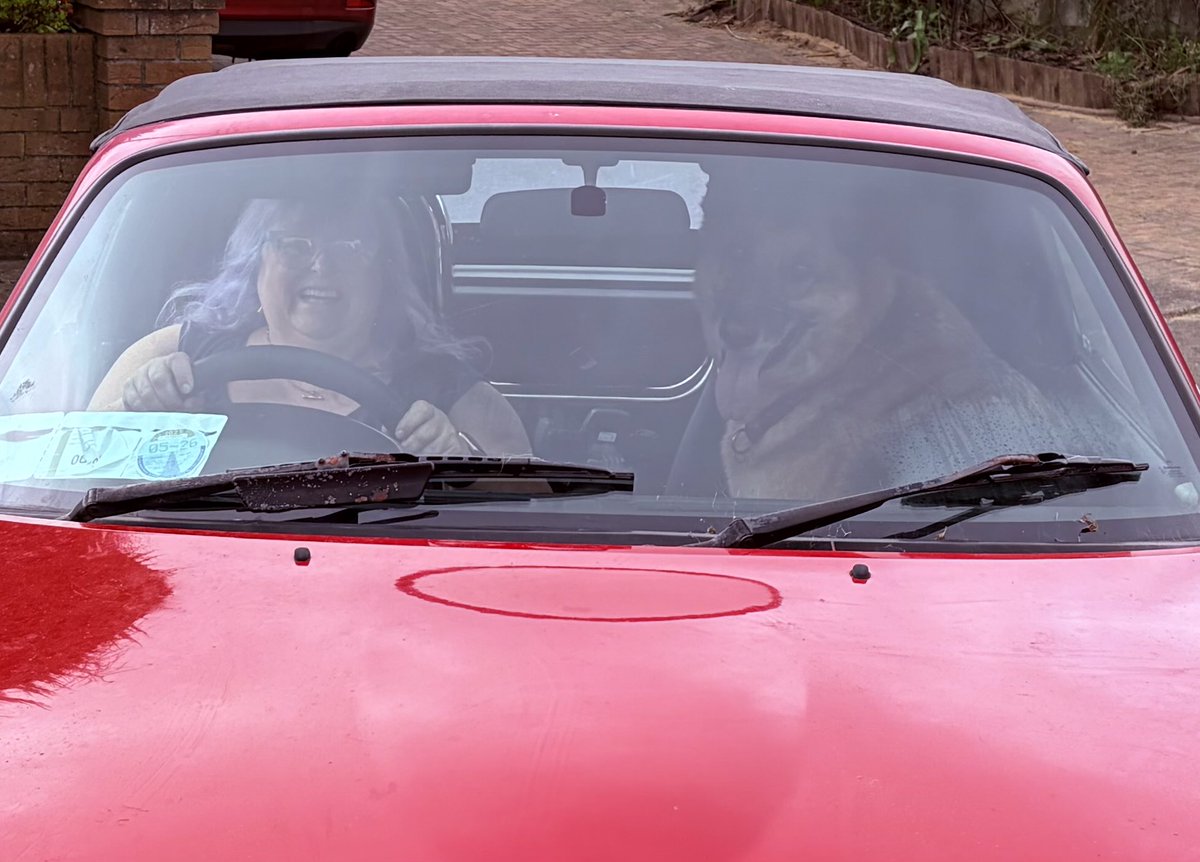
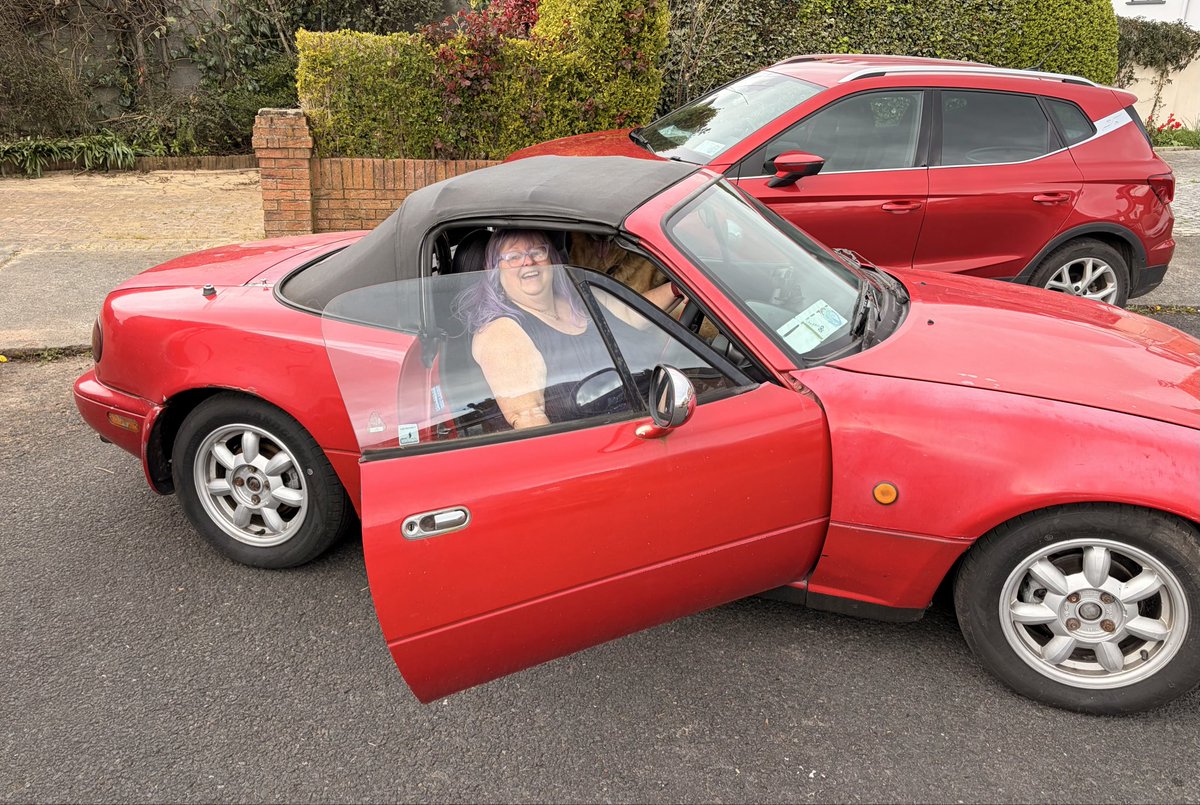
#LittleRed is back. I’ve now lost enough weight to get into her, get out of her, use the clutch & manual gearbox, even with the bad hip.😁
She’s a project though, needs new brakes, new electrics, indicators, windows and paint! (& somewhere to put a wheelchair!).
Hi guys. I’m looking for a bit of help. Unfortunately I lost my iPhone on Monday Night at Drumcondra Train Station. I think it was on the platform around 10:45pm, if anyone finds it I’d really appreciate if you get in touch. It’s in a blue case 😢 @IrishRail
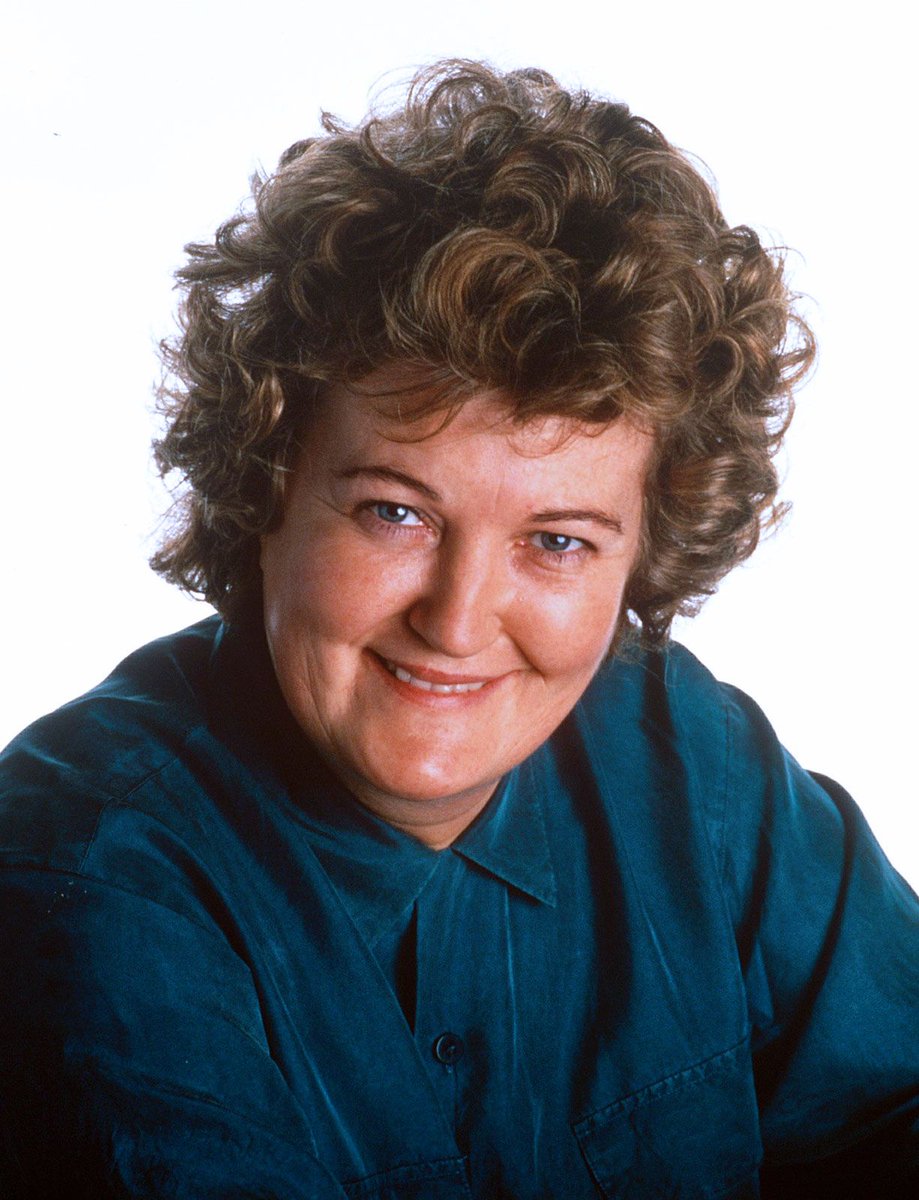
For a certain generation of Irish people Brenda Fricker embodies the strong Irish mammy on screen. For younger people she's a movie icon for other reasons. But neither idea comes close to the full story. Fricker has six decades of stage and screen work, over thirty films, and one Oscar, which she won on this day in 1990.
Born in Dublin in 1945, she started out in journalism. Her father Desmond was a journalist at the Irish Times, her mother Bina taught at Stratford College. By nineteen, Brenda was assistant to the art editor at the Irish Times, eyeing a reporter's desk. She fell into acting by chance.
Her first screen role was uncredited in the 1964 British film Of Human Bondage. She honed her craft at the Abbey Theatre, then crossed to England with the National Theatre, the RSC, and the Royal Court. In 1977 she appeared as Nurse Maloney in Coronation Street, attending the birth of Tracy Barlow.
The role that made her a household name was as A&E nurse Megan Roach in Casualty, which launched in 1986. She played the character for 65 episodes across four years, a realistic combination of toughness and compassion that made her fellow cast look amateur on a good day, though she'd never say so herself.
Everything changed in 1989 when Jim Sheridan cast her as Bridget Brown in My Left Foot, the fiercely protective mother of Dublin artist Christy Brown. Fricker became the first Irish actress to win an Oscar, taking Best Supporting Actress. She beat Julia Roberts, Anjelica Huston, Dianne Wiest, and Lena Olin. Her acceptance speech was short and memorable. She thanked Christy Brown simply for being alive, then noted that any woman who gives birth 22 times deserves one of these.
Later that year she appeared in The Field alongside Richard Harris. Years later, asked which films had genuinely moved her forward as an actress, she named three: My Left Foot, The Field, and Cloudburst. Not a Hollywood blockbuster among them. American fame brought offers like Home Alone 2 in 1992, where she played the Pigeon Lady. She was honoured with the Maureen O'Hara Award at the Kerry Film Festival among others. She was no Hollywood robot. Before the Weinstein scandal broke she said publicly he was repulsive, and he would have known it.
Fricker has been open about a difficult life. A teenage car accident put her out of action for nearly two years. She battled tuberculosis and had a kidney removed. She was married to director Barry Davis for fifteen years. They divorced in 1988, partly due to his alcoholism, reconciled in 1990, and he died the following year. During their marriage she suffered six miscarriages.
Fricker played the quintessential Irish Mam on screen while enduring a childhood defined by severe physical abuse at the hands of her own mother Bina. She had self-harmed since childhood, linking it to self-hate and the Catholic imagery of suffering she was raised inside. She made over thirty attempts on her own life before finding a psychiatrist she could trust. She still lives with chronic daily pain, and has described what she goes through as a dreadful death.
I don't want to overshadow her achievements, but it want people know she is not living the comfortable life the label of national treasure might suggest. She lives quietly in the Liberties. She loves her dogs, Guinness, reading poetry, and snooker. She once beat seventeen members of the My Left Foot crew at pool, one after another. I genuinely wish Brenda Fricker a beautiful life, and all the goodness she deserves. We love you Brenda X
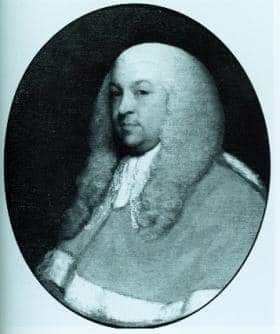
The name "Copper-Faced Jack" evokes strong images for Dubliners. Today, we discuss the evil barrister/judge, not the sticky-floored spawning ground culchie petri-dish of a nightclub, owned by former Garda Cathal Jackson.
Tipperary-born Jack Scott was an 18th-century hanging judge, notoriously rude drunkard, glutton, & gobshite. His extravagant living rendered him so overweight and intoxicated that he needed servants to carry him to bed at night.
Loathed by his peers, the pathological social climber was at various times attorney-general, lord chief justice, & Earl of Clonmel. His palatial gaff was Clonmell House on 17 Harcourt Street, Dublin.
He got the nickname from his complexion during his furious rants starting in 1765, where his ruthless intelligence made him a very wealthy and famous barrister. In 1767, he married a wealthy widow, Mrs. Catherine Anna Maria Roe. She died 3 years later. He was elected M.P. for Mullingar in 1769. He remarried another wealthy mot Margaret Lawless in 1779.
An example of his aggressive nature was his role in inventing the frequently fatal sport of bayonet fencing. Even when he was Attorney General he defended it when other lawmakers tried to outlaw it.
In 1779, during trade riots in the city, a mob tried to murder him. He escaped, but his Harcourt Street gaff was smashed up. He became Viscount Clonmell in 1789. As he rapidly climbed the professional and political ladders, his vindictiveness was notorious.
One contemporary described him as "a malevolent outcast from all social intercourse of life, driven to madness by spleen and vanity, forlorn in reputation, and sunk in abilities."CFJ was arrogant in court and whilst still a barrister was disrespectful to his peers. He was so rude to one called Hackett that a resolution was passed that the whole court system couldn't restart until he apologised.
Unsurprisingly, this belligerent brute had many enemies, and he wasn't shy about bending the law and subjecting them to his own brand of "justice" and political witchhunts. The eccentric owner of the Dublin Evening Post, John Magee. Magee was sued for libel by Francis Higgins, one of CFJ's rare mates.
Magee called Higgins a ‘Sham Squire'. He also criticised him in his newspapers. CFJ abused his position as chief justice to persecute and financially ruin Magee. However, the case was seen as vindictive, the punishment greatly reduced, and new laws created to prevent abuses of power like that.
When he got out of prison in 1789 he (very publicly) swore vengeance. Soon posters began to go up all over town, reputedly from John Magee bizzarely announcing he had a massive budget of £10,000 to retaliate.
One of CFJs many properties was a beautiful home in Blackrock called Temple Hill. This was a peaceful pad outside of the city where his lordship could relax. Naturally, the vengeful Magee bought the plot of land next door called Fiat Hill. Advertisements announced it would be the site of a free carnival!
Word of the dastardly scene quickly got about & thousands of people, many of them enemies of CFJ, converged for a weekend of debauchery. They were greeted by huge carnival tents hosting bands & booze.
There were entertainment booths of every description & sport which could be bet on, from boxing to "slippery pig catching" Magee announced that anyone who caught them could keep them, and he released the huge greasy porkers in the direction of CFJs pristinely manicured gardens!
Tragically, it appears at the end of his life he figured out that he had been the villain all along. In his last diary entry, he described himself as: ‘a helpless, ignorant, unpopular, accursed individual: forsaken by government, persecuted by parliament, hated by the bar…deserted by your oldest friends.’ On the 23rd of May 1798, the day of Wolfe Tone's failed rebellion, CFJ died, aged 59. He is buried in St. Peter’s on Aungier Street.
Buy the Dublin Time Machine a pint and support the DTM Book https://t.co/U7jtCrOTtb
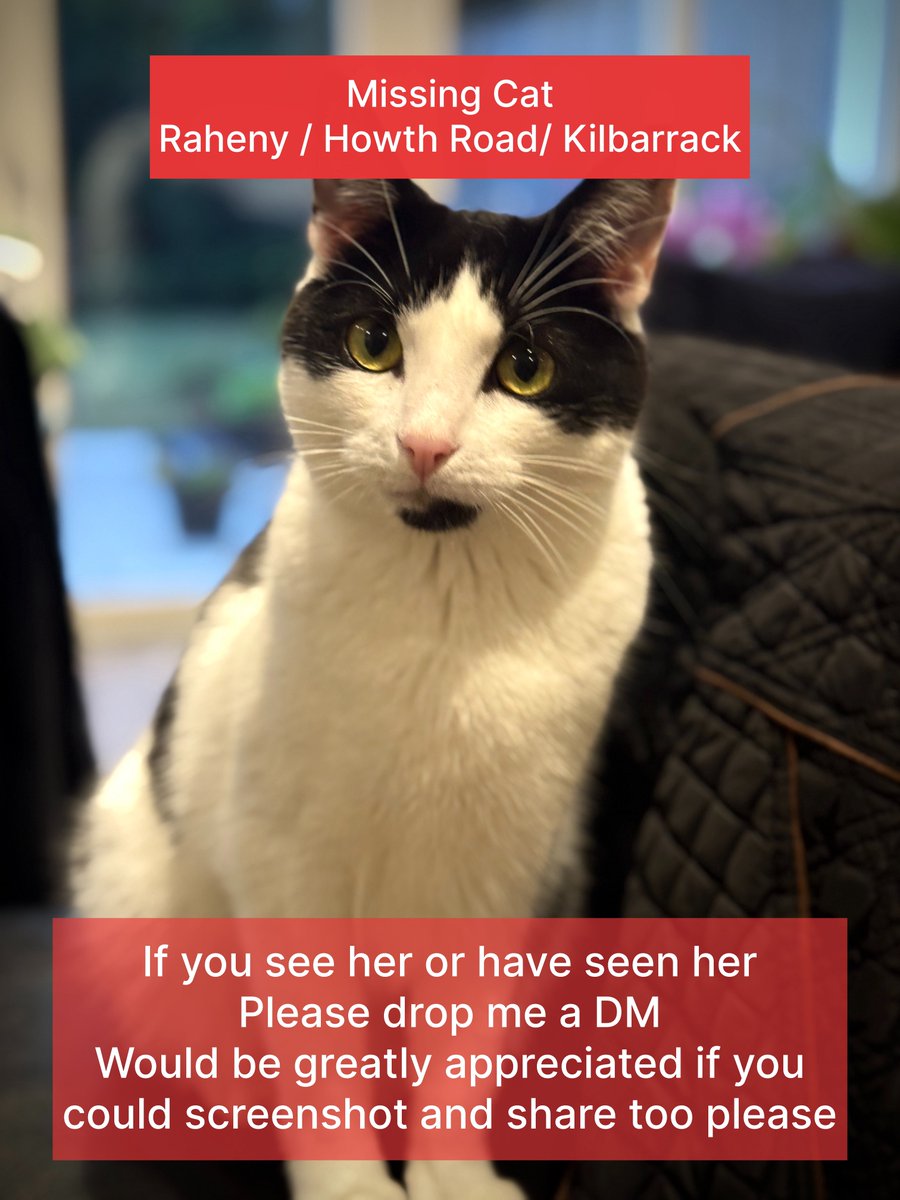
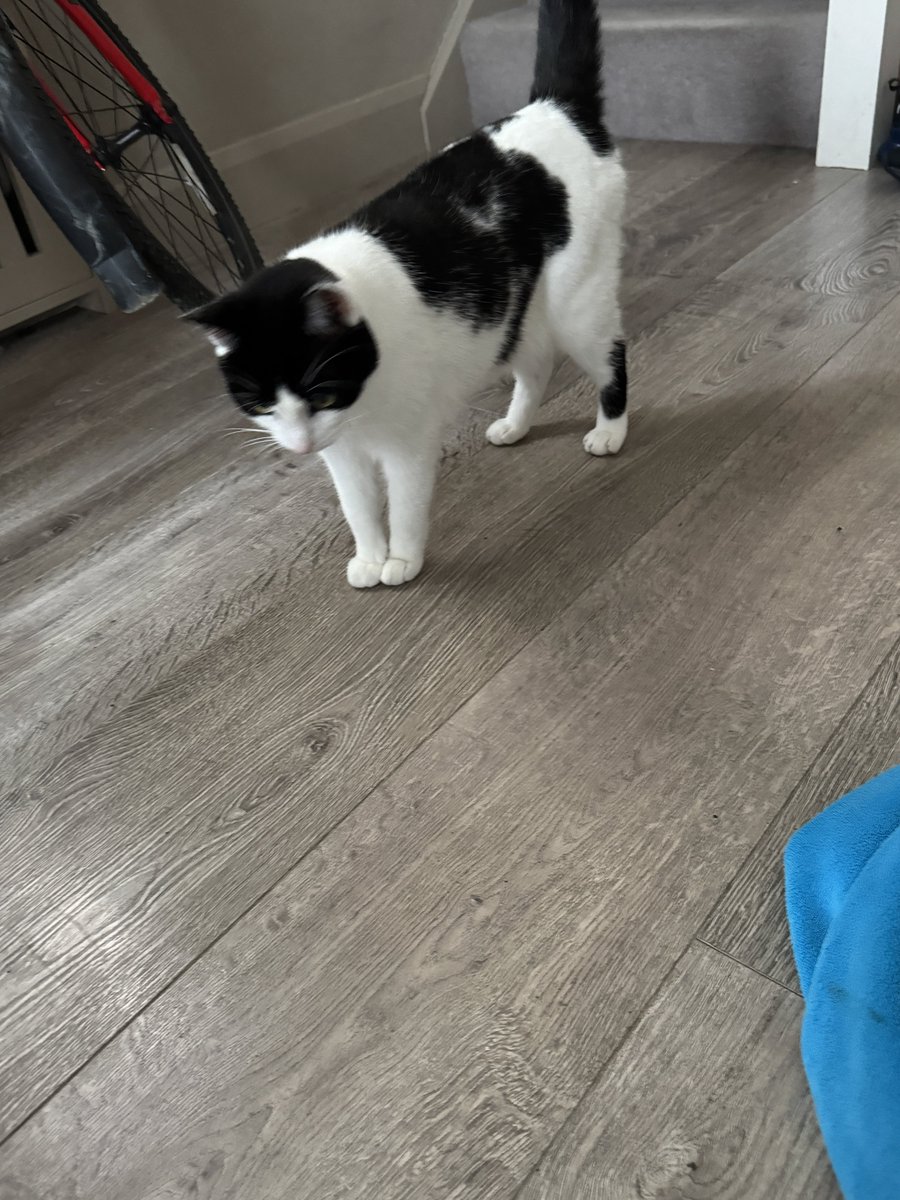
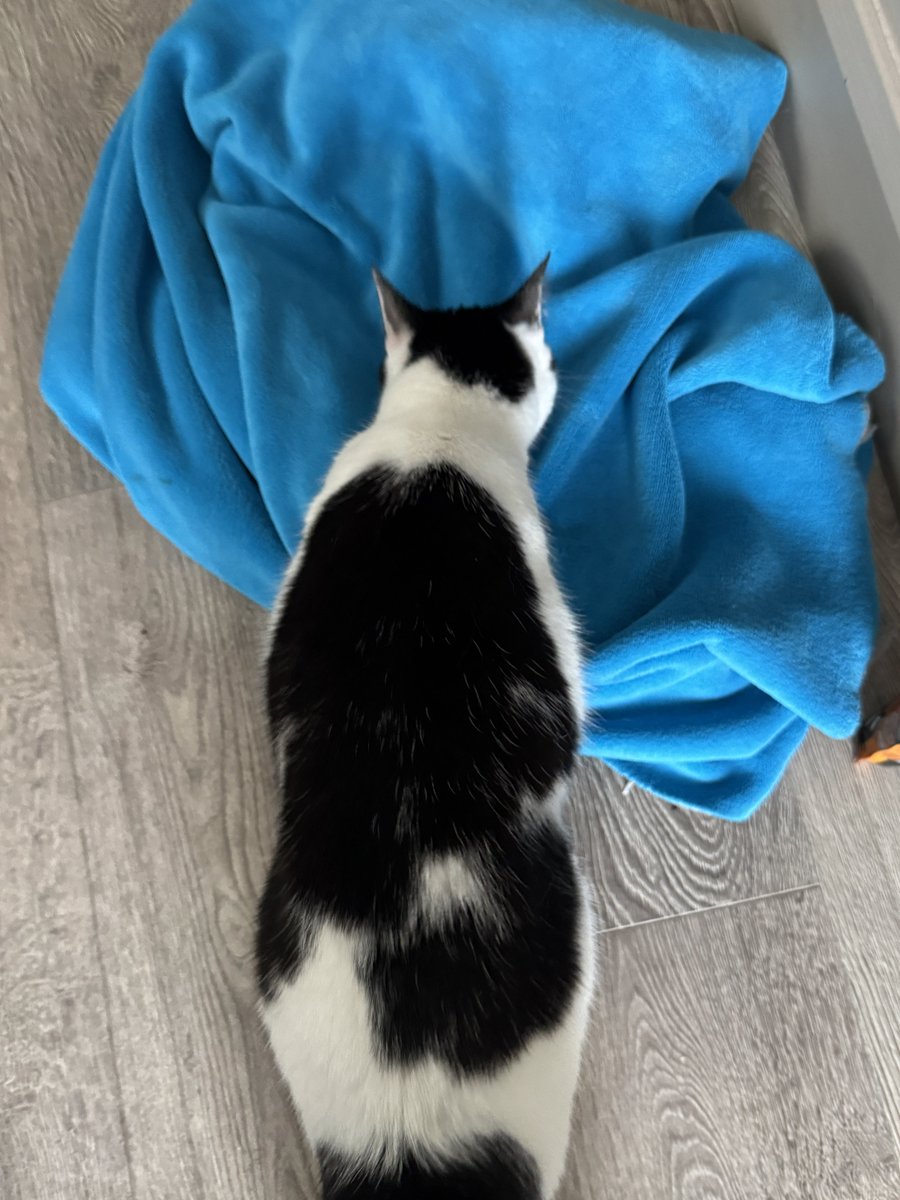
Unfortunately still no Chloe home
I really appreciate all of the tips/ litter box/ groups etc, you are all so sound
We’re all clinging to the hope that she’s found soon & just comes sauntering back
We look like eegits walking around psss pssss pssss’ing for her but we don’t care
31 October 1973. 1st episode of the 26-part classic ITV documentary series World at War was broadcast. It was narrated by Laurence Olivier with music by Carl Davies. It cost £900,000 (worth £11 million today).
Tonight, as always on the clock change, I'll light a candle in the garden for all of us: that we, and those we love, may be here and well when they change again. May the Winter dark be good to us.
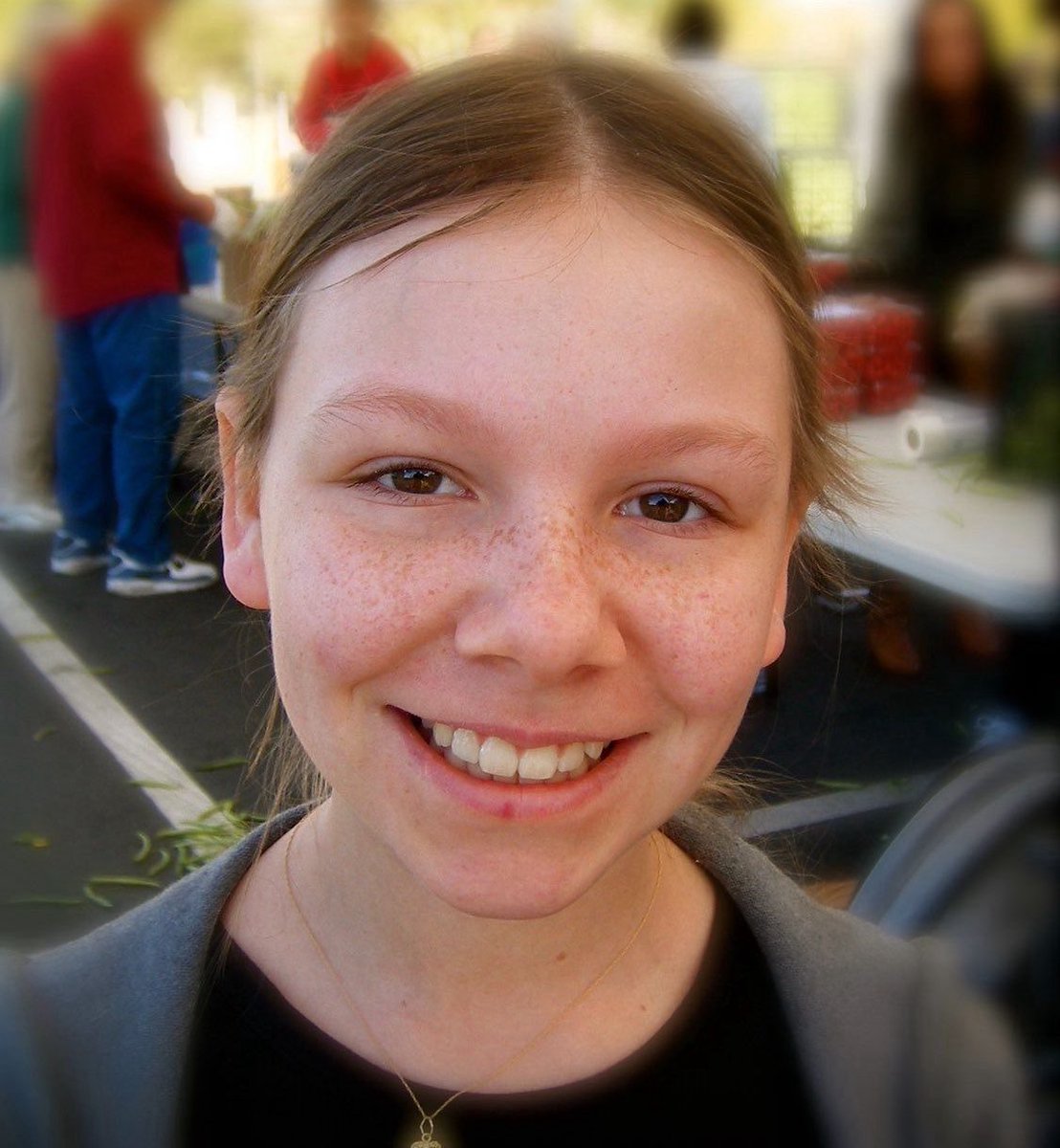
My 13 year old Daughter died from #BrainCancer 4,679 days ago. 💔
I would LOVE to see my Ashley’s name 4,679 times in comments for all the days she’s been missing.
When you lose a Child, the most beautiful word you can hear is their name. ❤️
A Repost & Follow would mean the world to us to keep our Ashley’s story alive.
💜 𝒜𝓈𝒽𝓁𝑒𝓎 💜
Did you really think I’d forget Shane Lowry? This one’s for all the Fckwits who booed the lads. 💥 A like, share & follow goes a long way—it means I can keep drawing more of these! #RyderCup#ShaneLowry#rorymcilroy#RyderCup2025#PGA#Golf
Where were you when you first heard Wild Horses - and how did it make you feel?
Here’s the Stones hearing the playback for the very first time at Muscle Shoals, Alabama, December ’69 - after an intense three-day recording session. (Captured in the Gimme Shelter documentary.)
More than fifty years later, the song still resonates with new generations - proof that some songs aren’t just written for the moment…they last forever.
https://t.co/i1rkYl82t1
Today in 1921 a truce in the Irish War of Independence between the Irish Republican Army and the British Crown Forces was called. After two and a half years of ambushes, raids, and retaliatory terror the cautious formal announcement came from Richard Mulcahy, the IRA’s Chief of Staff: “In view of the conversations now being entered into by our Government with the Government of Great Britain, and in pursuance of mutual conversations, active operations by our forces will be suspended as from noon, Monday, 11 July.”
Behind those words lay secret negotiations, conducted through intermediaries like Archbishop Patrick Clune, Jan Smuts, and Lord Derby. They had shuffled messages between Éamon de Valera, Arthur Griffith, and British Prime Minister David Lloyd George. A critical moment came on the 4th of July, when de Valera received a letter proposing talks. Within days, the framework for a ceasefire was in place.
The truce was signed by Éamonn Duggan and Robert Barton for the Dáil, and on the British side by General Sir Nevil Macready, Colonel J. Brind, and A. W. Cope. Its terms were precise but fragile. It was, in essence, a military stalemate turned political handshake.
By mid-1921, both sides had reason to pause. The IRA was stretched thin. Low on guns, ammunition and men. British forces, especially the dreaded Black and Tans and Auxiliaries, had provoked outrage not only across Ireland but abroad. Cities like Cork had been burned, civilians murdered and headlines across America and Europe condemned British tactics.
But not everyone celebrated the truce. In Cork, IRA officer Liam Deasy recalled hearing the news with foreboding: “I well remember that my personal feeling was one of disappointment, and I must admit I foresaw defeat and trouble ahead.”
He was not alone. The truce, though welcomed by the public, split the ranks of the IRA. Some saw it as a victory. Others feared it was the beginning of a sell-out. And even as the ink dried, violence flickered. On the 10th of July, just one day before the ceasefire took hold, a bloody encounter in Castleisland, Co. Kerry left nine dead. Five IRA men and four British soldiers.
Still, at noon on Monday the 11th of July, the fighting largely stopped. The truce allowed the Dáil to meet openly. The IRA could quietly reorganise, recruit, and train. Though arms imports remained forbidden. British troops, meanwhile, remained stationed throughout the country but stood down from active operations. In the North, sectarian violence flared unchecked.
In Dublin, de Valera, along with Barton, Austin Stack, and Griffith, prepared for a journey to the belly of the beast, London. The road ahead would lead to the Anglo-Irish Treaty, signed that December, which established the Irish Free State but shattered the republican movement.
The truce had revealed a truth more dangerous than war: the revolution was no longer united. It had forked, silently, between those willing to compromise and those who would accept nothing less than a full republic. That split would soon become a chasm.
The Truce of July 1921 was a watershed in Irish history. It ended a war that neither side could win outright. It marked the beginning of diplomacy but also the countdown to civil war. It gave Ireland a glimpse of peace, even as it exposed the irreconcilable tensions at the heart of its independence movement.
WE NEED YOUR HELP!! Leon got heartbreaking news recently and has no more treatment options. When days get dark, we need to create light.
Leon loves GAA jerseys, all of them! Is there any way we can get as many counties to gift Leon a signed jersey from their team?
Cillíní were secret graveyards for babies denied a dignified burial by the Catholic church. Scattered across Ireland’s landscape, in overgrown fields, along lonely coasts, by abandoned ruins and near megalithic cairns are the cillíní. At first glance a cillín appear as nothing more than a pile of stones, shallow dips in the earth, or a moss-covered clearings. These burial sites, unconsecrated, unofficial, and often unnamed, were the final resting places of stillborn and unbaptised infants.
The Church taught that unbaptised babies were trapped in Limbo, a kind of eternal spiritual waiting room. Neither hell nor heaven, just a theological nowhere. Denied the basic empathy of entry into consecrated ground, these children were laid to rest in secret, usually at dusk or dawn. Quartz pebbles, seashells, or small rings of stone often marked their graves at these liminal or sacred spaces now abandoned. Tender tokens of humanity in the face of crushing silence.
The word cillín comes from cill, meaning a small church or monastic cell. Other names for these locations were calluragh, lisín, cealltrach or kyles. Across Ireland, over 1,400 such sites have been documented, 500 in County Galway alone, 250 in Kerry. Excavations of sixteen cillíní between 1966 and 2004 confirmed the practice dated back at least to the mid-1500s, and likely intensified during the Counter-Reformation, when Catholic doctrine became especially rigid.
By the 19th century, things began to shift. Maps, oral traditions, and parish records started to preserve the locations of these sites, though many were lost to farmland, or forgotten as rural populations declined. The 1863 Act mandating birth and death registration complicated the practice but did not extinguish it. In Glasnevin Cemetery, over 115,000 children lie in common graves.
By the 1940s and ’50s, families had begun memorialising these plots. Leaving teddies and candles. In Tuam in Galway, the 2012 revelation of 796 children buried in a disused septic tank at a former Mother and Baby Home forced modern Ireland to face these ghosts. As proper excavation begins the Catholic Church will have the opportunity to address and confess its sins to its every decreasing congregations.
Since the Second Vatican Council (1960s), the Church has formally relaxed its stance. By 2007, Limbo magically no longer existed. Today, many cillíní are being located, studied, and for what comfort it may bring some have been consecrated, others preserved as archaeological monuments, or commemorated in literature, like Tom Murphy’s Bailegangaire or Mary Leland’s The Killeen. Many of these locations also accommodated others deemed unworthy of a “good death”. Victims of suicide, beggars, criminals, shipwrecked strangers, women who died in childbirth outside marriage, and even those considered mentally ill.
There’s a line by writer Nuala Ní Dhomhnaill: “What cannot be said must be wept.” And in every cillín, tucked tenderly into the folds of the earth, are those unsayable sorrows. Silent grief and love denied, finally given recognition.
New edition of @ThePhoenixMag on shelves and online today, teasing out issues in the news with the odd new nugget, and the best collection of current affairs funnies and sarks in the land.
https://t.co/lKvQhWjDPm
My first article regarding the use Artifical Intelligence (AI) in Genealogy has been published in the latest edition of Irish Roots Magazine - covering the evolution of AI, current tools and practical use cases.
@IrishRootsMag
If you are not yet using AI in your family history research, now might be the time to dive in and have a go!
Seriously, you try to do something nice for someone and all you get is "You forgot the lamp!"
I know I forgot the f**king lamp, I’m sorry, okay!! Here’s one with the bloody lamp! 🛋️💡🥰@philipnolan1#HappyNow#ForgotTheLamp