For the past year, I've posted every Tuesday and Friday highlighting the depth of soccer history in Illinois.
I will continue sharing research via "Soccer History Lives Here" FB page as well as https://t.co/1ZcfVAkaFs website I’m developing in 2025.
#SupportLocalSoccer
Extra IL coalfield history: Equity
Males often coach female sports teams though women rarely get the opportunity to coach male athletes.
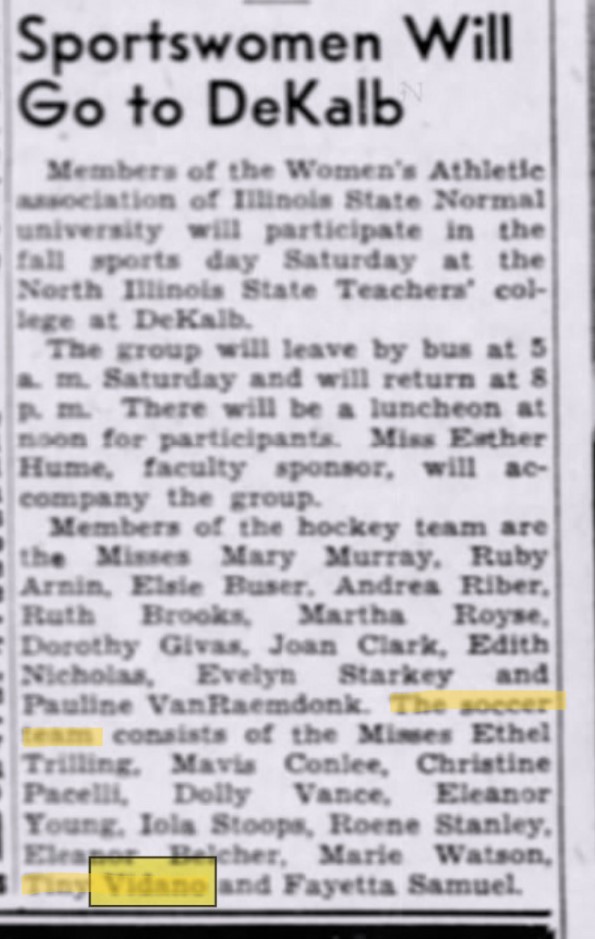
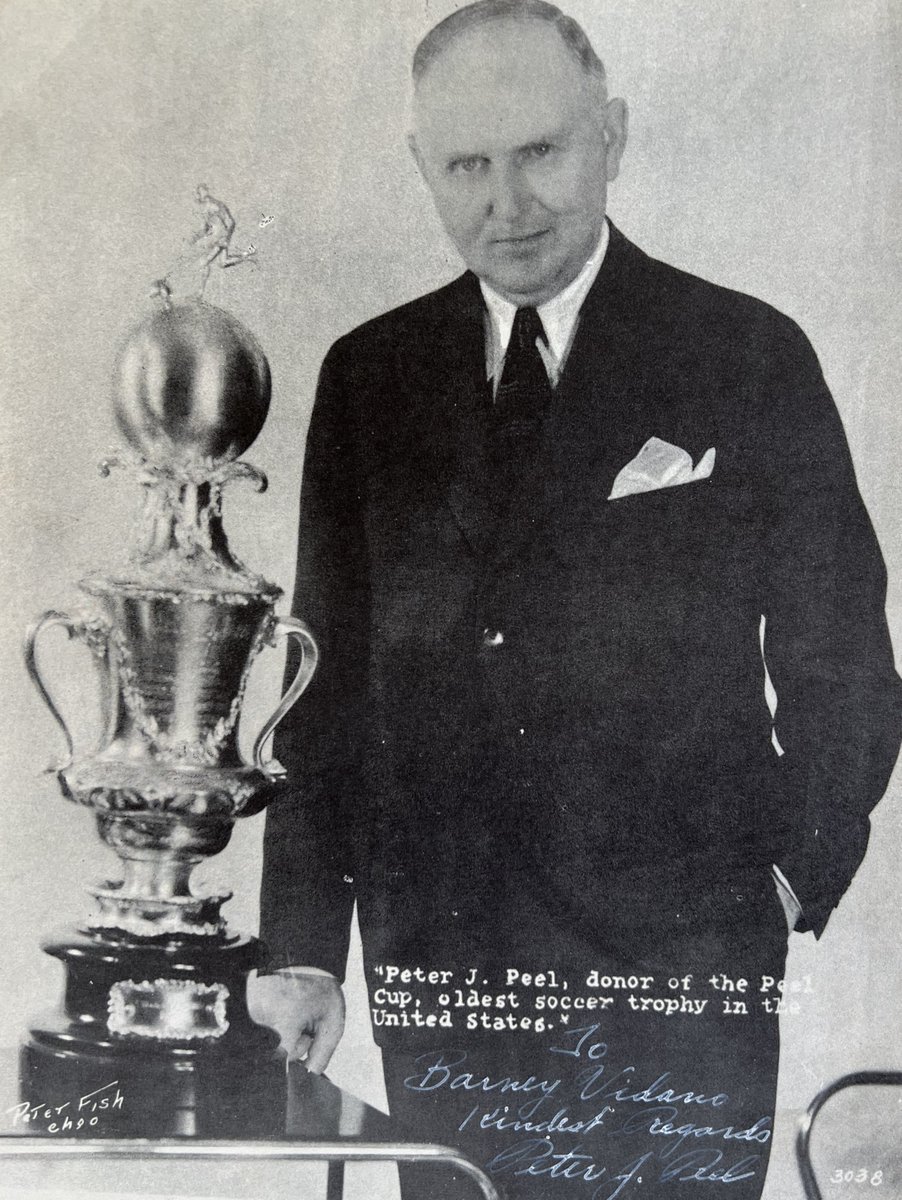
Elvira “Tiny” Vidano, whose father Barney was a coalfield soccer legend, bucked that trend and made national news as a boys basketball coach.
From the 1890’s to the 1940’s, at least one Tallman brother played on the most competitive teams in the Midwest.
Andrew aka “Yan” (1887-1918) played in Europe with a US military team, but gave ultimate sacrifice during World War I when he died from wounds suffered in battle. 2/2
52 Weeks of IL mining towns soccer history Post 52:
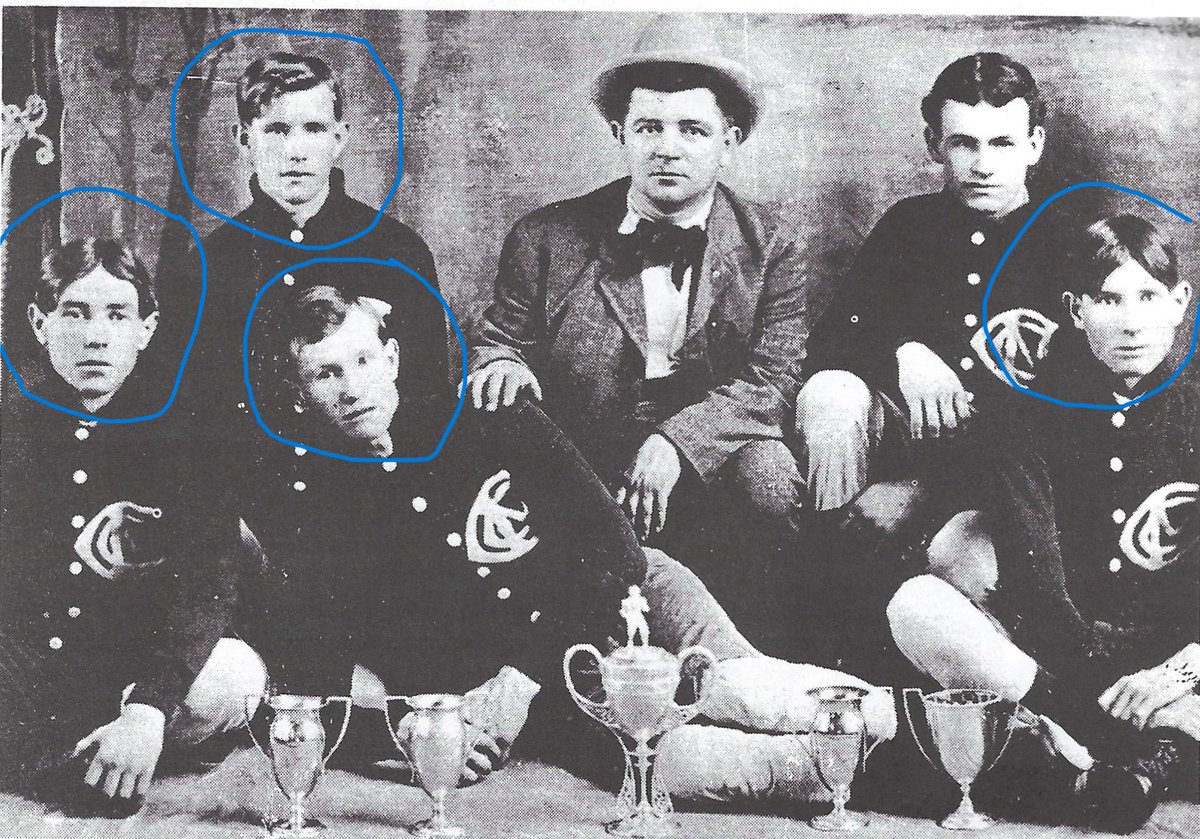
I finish this year of weekly coalfield posts with a short memorial to a member of Carbon Hill’s (1920 pop: 382) most prolific soccer family, the Tallman brothers: George, Henry, William, Andrew, Stewart, John and Hugh. 1/2
Extra, extra IL coalfield history: Holidays
It could not have been easy for the Tallman family of Carbon Hill to choose who to root for on Christmas Day!
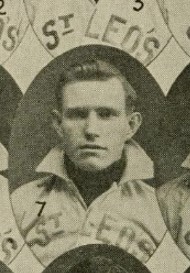
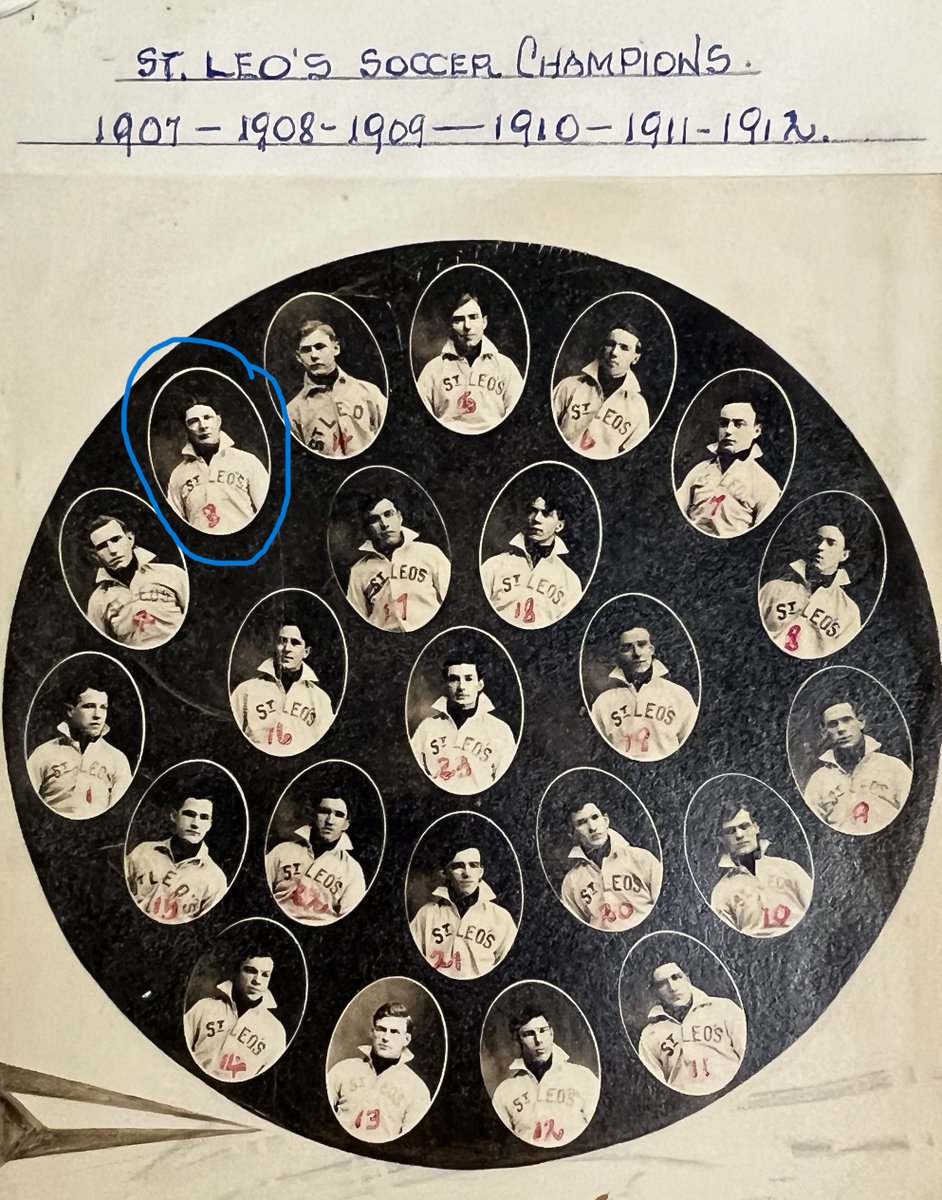
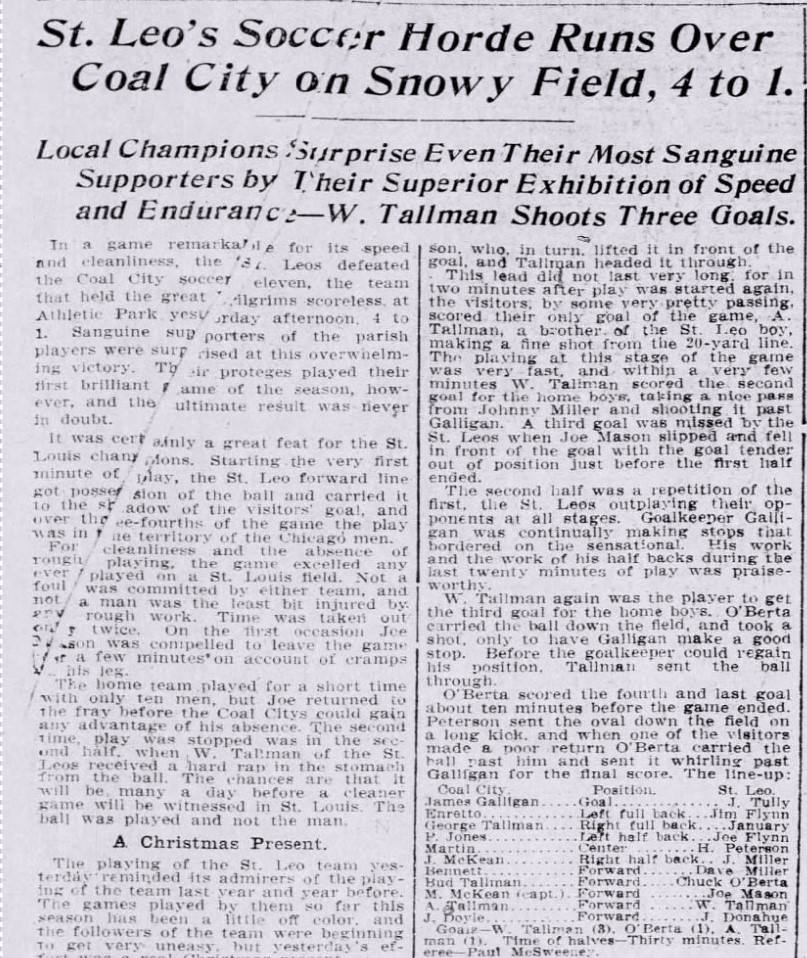
In 1909, 3 Tallman's were on Coal City, while Will Tallman got a hat-trick for St. Leo’s in a 4-1 win for the Mound City men.
Extra IL coalfield history: Holidays
Soccer was a big event on holidays in the Illinois coal fields from 1880’s to Word War II: Decoration Day, July 4th, Thanksgiving, New Year’s Day, etc.
Christmas was no exception as this December 25th match between Coal City and Benld shows.
The largest city near Carbon Hill is Joliet, which has had an active Black community since the 1850’s. Black baseball was important, but teams were segregated.
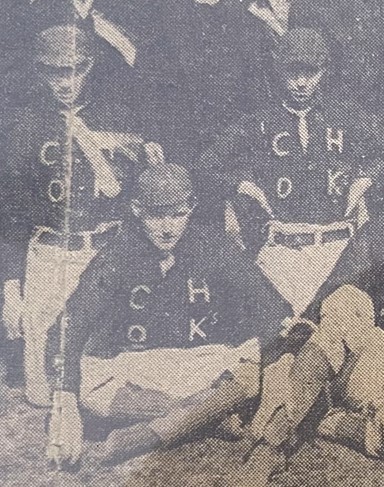
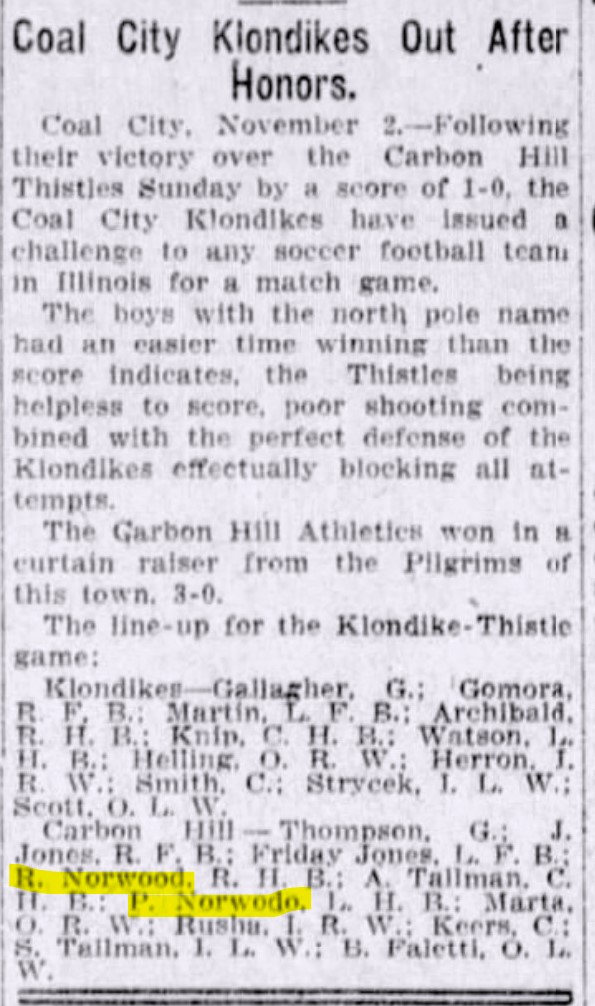
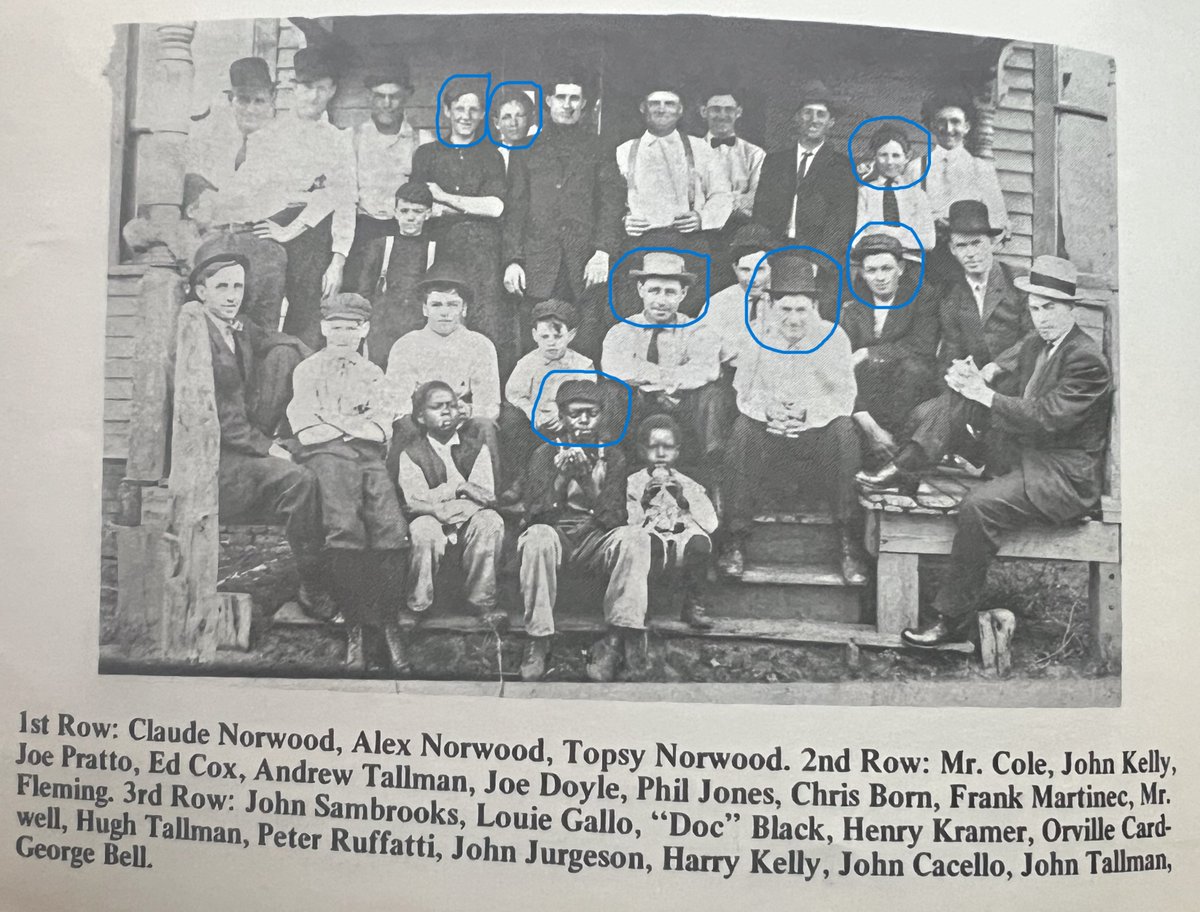
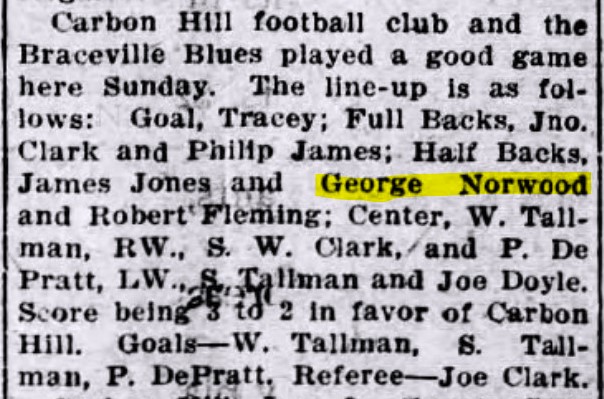
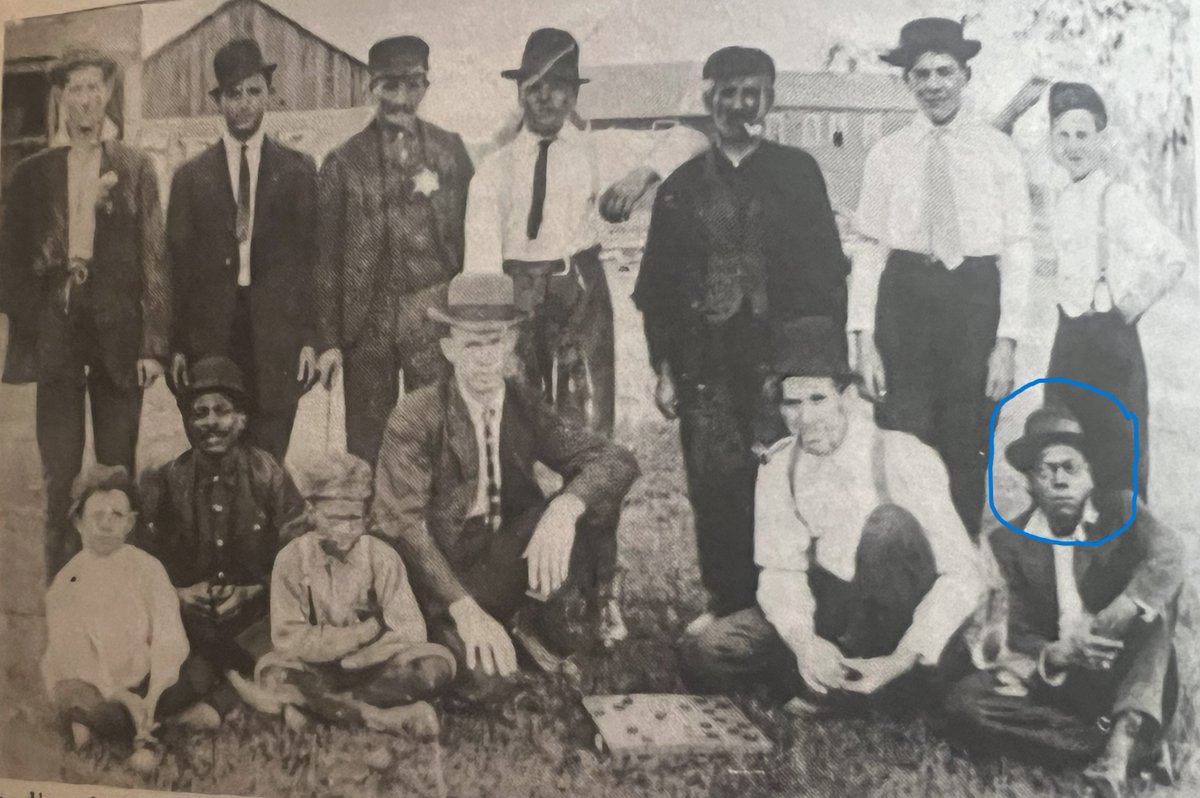
In the early 1900's Carbon Hill, as the Norwood brothers show, had integrated soccer teams, open to all men in town. 2/2
52 Weeks of IL mining towns soccer history Post 51:
In 1907, America’s Pastime, Major League Baseball, was 40 years from racial integration. In 1907, Carbon Hill's (1900 pop: 1,252) quality soccer team was already integrated by George Norwood, a Black coal miner from Alabama. 1/2
Extra IL coalfield history: Race
Carbon Hill (1920 pop: 281) produced many excellent soccer players in the early 20th century.
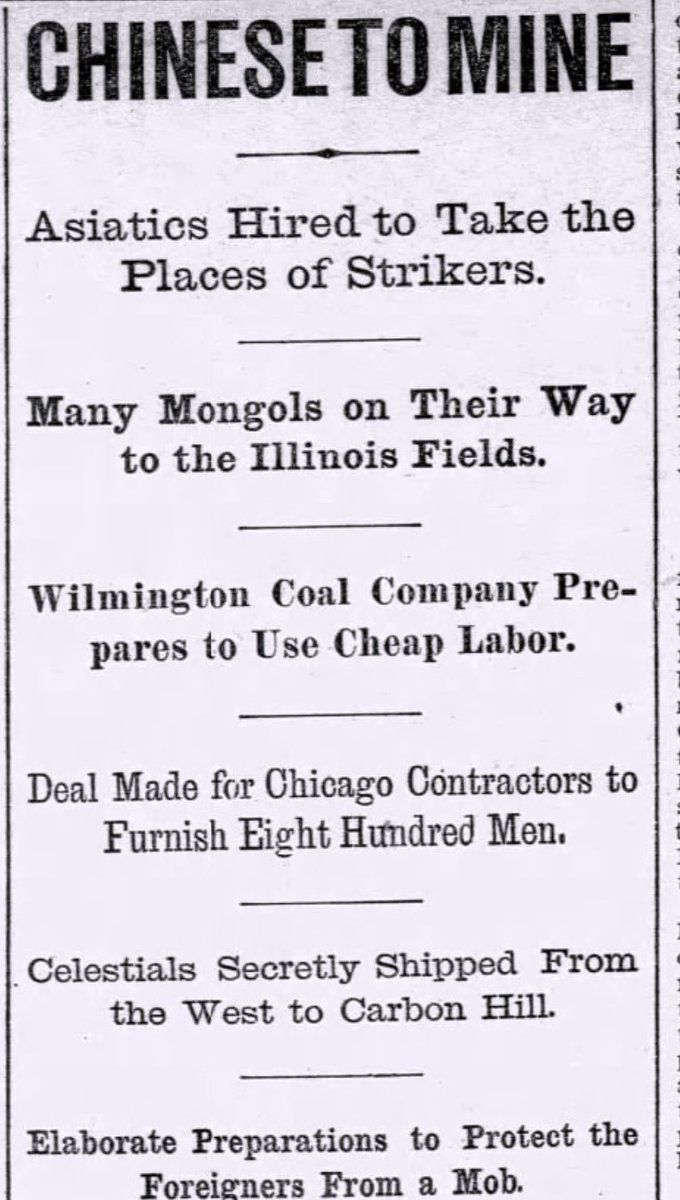
New immigrants, however, were not always welcomed. During an 1897 miner strike/lockout, newspapers reported Chinese miners would be met with violence.
Carbon Hill was incorporated in 1892 and had 4 coal mines around town. By 1893, soccer was part of the community and USA born players like Art Kelly, "Friday" Jones, the Tallman (all 6!) and Vidano brothers influenced soccer in the Midwest for decades. 2/2
#SupportLocalSoccer
52 Weeks of IL mining towns soccer history Post 50:
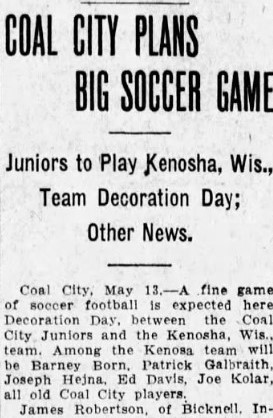
While the small town of Coal City (1910 pop: 2,667) hosted local, national and international matches in the 1900’s, an even smaller town nearby, Carbon Hill (1910 pop: 820), supplied a lot of the talent. 1/2
#SupportLocalSoccer
Extra IL coalfield history: Quality Sport
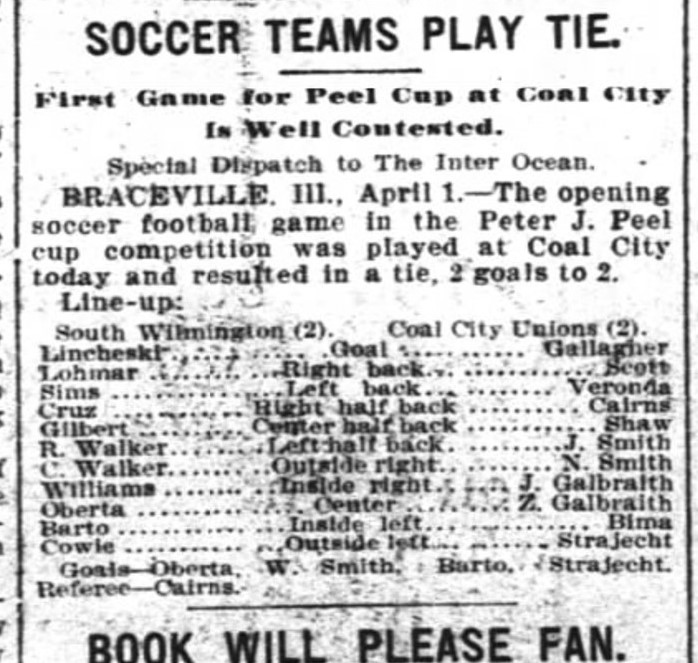
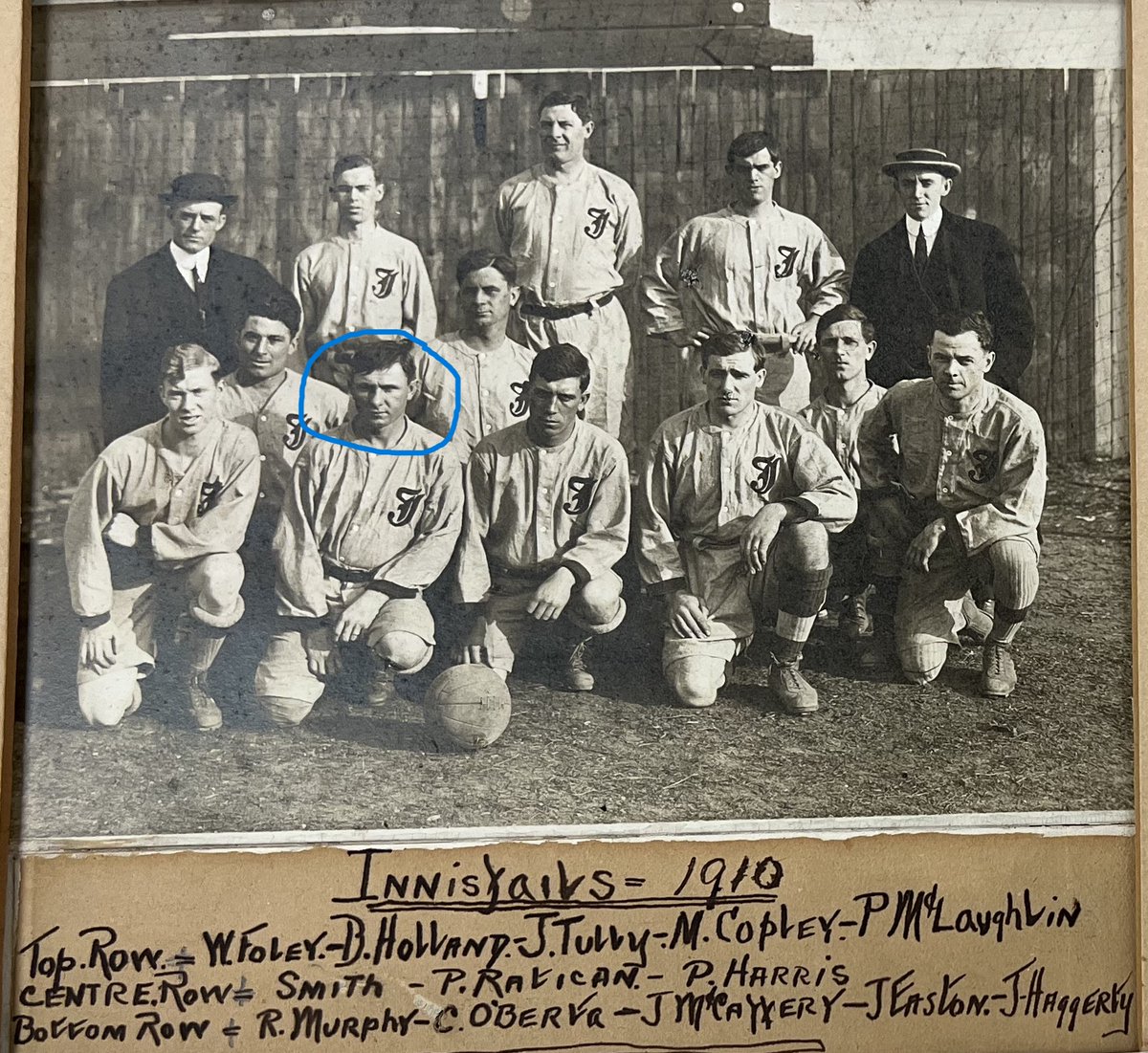
Knockout games are a chance for players to prove their skill. When Eileen (1910 pop: ~600) drew 2-2 with South Wilmington in the inaugural Peel Cup game, Chuck O’Berta shined. He then had a career at highest levels of soccer in Midwest.
The Peel Cup, founded in 1909, was envisioned as a “Championship of the Midwest.” While Chicago provided the majority of participants, coal field teams were included.
Eileen Unions played in the first ever Peel Cup game when they tied South Wilmington 2-2 on April 1, 1909. 2/2
52 Weeks of IL mining towns soccer history Post 49:
In 1984, Eileen, which was incorporated in 1901 around the Big 4 coal mine, became a neighborhood in the Illinois soccer hotbed of Coal City.
While Eileen disappeared, its 1900’s soccer history has not. 1/2
#SupportLocalSoccer
Extra IL coalfield history: Equity
I've no record of 1930 #USMNT player Alex Wood actually playing a soccer match in town. However, Streator had a long history of soccer competition, including HS girls, despite limited resources, hosting an interscholastic tournament in 1939.
1930 World Cup player Alex Wood, born in Fife, Scotland married Mildred Marshall in Streator, IL in 1930.
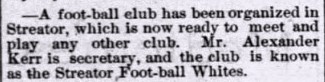
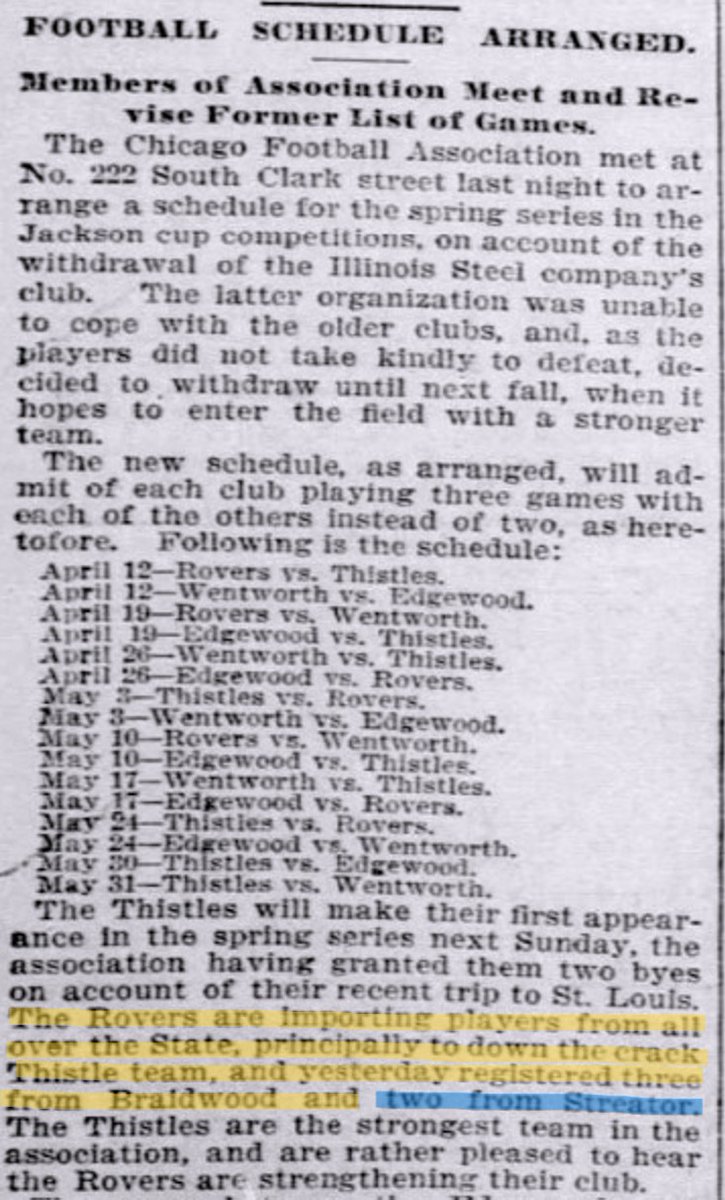
In 1885, 45 years before that soccer-related wedding, Streator White Football team was organized, and Streator players were recruited by Chicago teams during the 1890’s. 2/2
52 Weeks of IL mining towns soccer history Post 48:
The 1930 #USMNT World Cup team had 3 players who played for teams in the Illinois coalfields. A 4th player, Alex Wood, also had a connection to a coalfield town, Streator, one of the oldest soccer playing towns in IL. 1/2
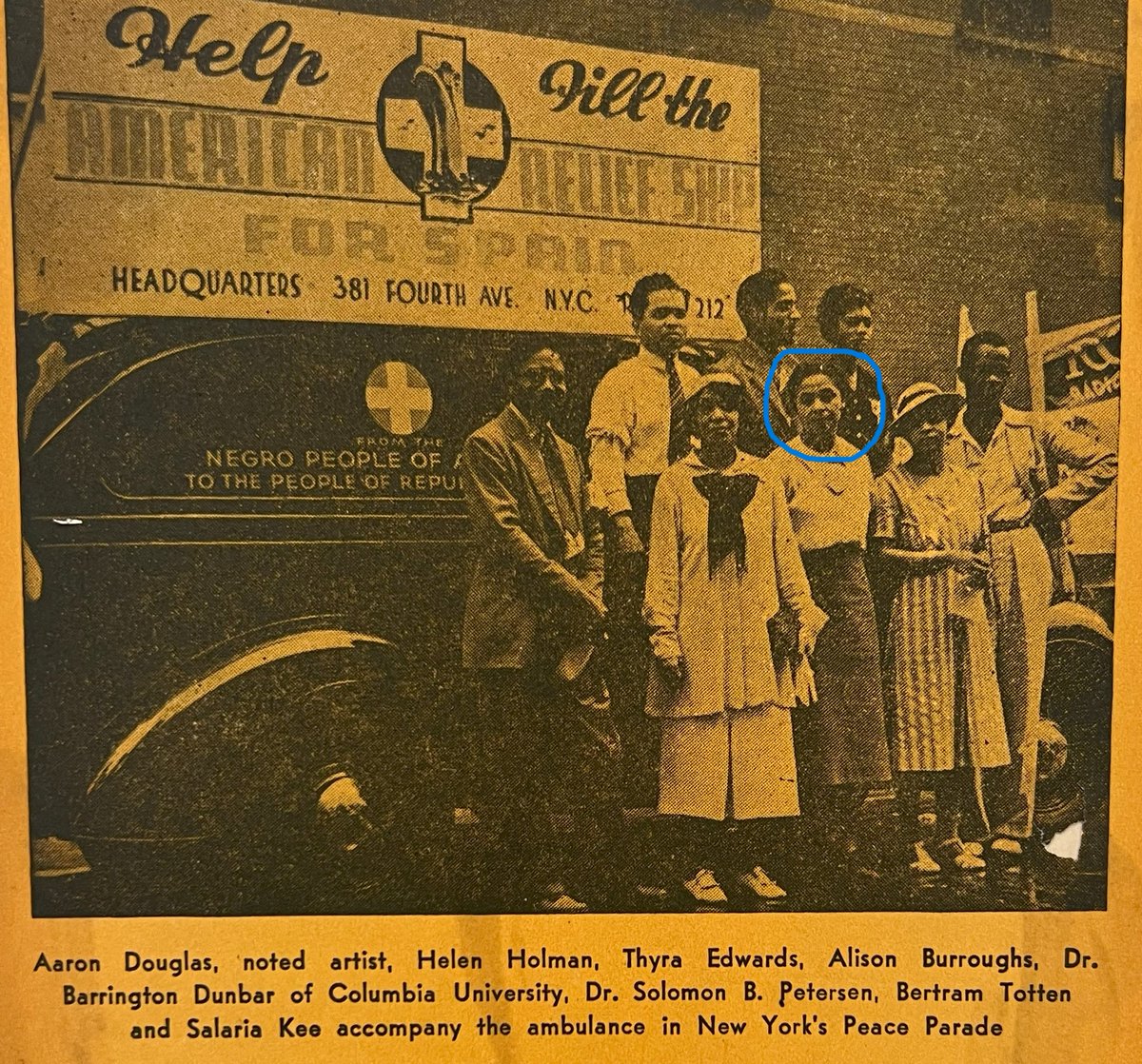
Thyra Edwards only stayed a few weeks in IL coalfields, but found women open to multi-racial activism. Yet, when she reported on her 1934 trip to Nazi Germany (which she found appalling), she felt the racism in Southern Illinois was even stronger than that totalitarian state. 2/2
Extra IL coalfield history: Racism
Eldorado, IL, which competed in 1924 Open Cup, was a Sundown town, meaning Black people had to be out before the sun went down. In 1933, activist Thyra J Edwards came to Southern Illinois to help organize wives of Black miners in the area. 1/2
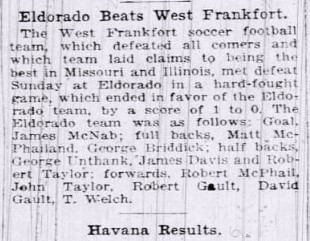
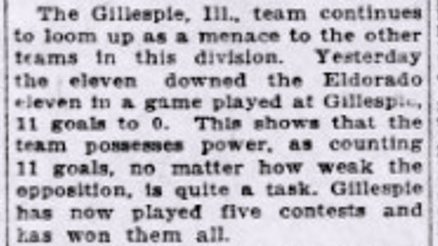
Eldorado SC had success by beating a tough West Frankfort team in 1919. However, in 1923 they ran into another IL coal mining side with a longer and more successful history: Gillespie. Eldorado were thrashed 11-0, and the town never entered the Open Cup again. 2/2
#SaveTheCup
52 Weeks of IL mining towns soccer history Post 47:
Southern Illinois coal mining towns such as Dowell and Eldorado competed in the statewide Farrington Cup competition.
Eldorado SC decided to expand competition options beyond the coalfields by entering the 1924 @opencup. 1/2