The Prophet ﷺ is reported to have said: "A time will come upon the people when no one remains except that he consumes interest, & whoever does not consume it, its dust will reach him."
Source: Sunan Abī Dāwūd (3331); Sunan al-Nasāʾī (4455); Sunan Ibn Mājah (2278); al-Mustadrak.
FYI disputed. Its chain is al-Ḥasan al-Baṣrī from Abū Hurayrah, & the imams differed on whether he heard from him. al-Ḥākim said it is ṣaḥīḥ if he did; al-Dhahabī said in al-Muhadhdhab that it is not authentic. A related authentic hadith in al-Bukhārī (2083): “A time will come when a man will not care whether his wealth is from the lawful or the unlawful.”
Source: Nuʿaym ibn Ḥammād, al-Fitan (61), through Baqiyyah ibn al-Walīd, from Ṣafwān, from Shurayḥ ibn ʿUbayd, from Kaʿb.
FYI this is Kaʿb’s own statement, not a hadith, & its chain is weak. Baqiyyah is a known mudallis, as al-Haythamī says, & here he narrates with “ʿan.” It’s often misattributed online to Shurayḥ the judge, but the Shurayḥ in the chain is Shurayḥ ibn ʿUbayd al-Ḥaḍramī narrating Kaʿb’s words.
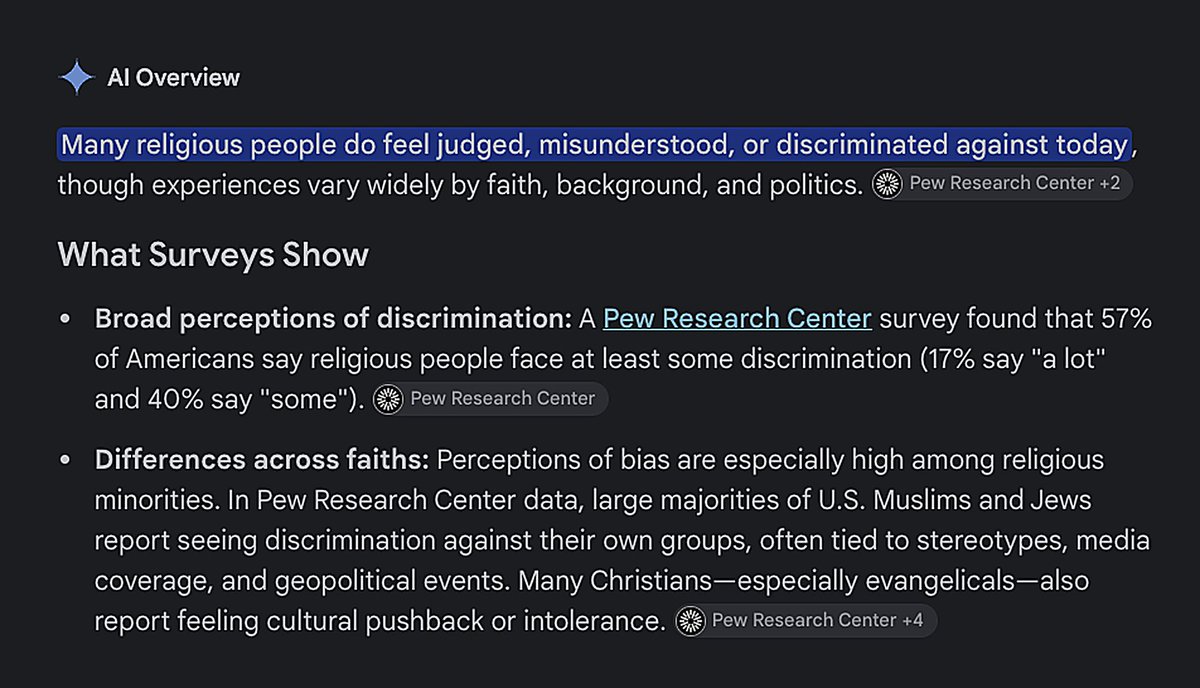
Context: the key word is yuʿayyar, “shamed” or “taunted.” Kaʿb says the believer will be taunted for his faith the way a sinner is taunted for his sin, “until it is said to a man: ‘You’re a believer, a faqīh!’” The “until” shows how far it goes: the words that used to be praise, believer & person of fiqh, become the taunt itself. Today that’s “ok sheikh,” “look at Mr. Halal,” “here comes the mufti.” It’s calling someone religious to mock them. That’s why I added this long context bc without it, ppl would read it as a compliment instead of sarcasm.
Kaʿb said: “A time will come upon people when the believer is shamed for his faith the way the sinner is shamed for his sin today, until it is said to a man: ‘You’re a believer, a faqīh!’”
Source: Abū Nuʿaym, Ḥilyat al-Awliyāʾ (3/358).
FYI weak. Abū Nuʿaym said only Faraj ibn Faḍālah narrated it, & al-ʿIrāqī & Ibn Ḥajar weakened it. ʿAlī also listed “divorce becomes common” among the signs before the Dajjāl (al-Dānī, al-Sunan al-Wāridah, no. 428), with a very weak chain.
It is narrated from Ḥudhayfah ibn al-Yamān رَضِيَ ٱللَّٰهُ عَنْهُ that the Prophet ﷺ said: “From the Hour drawing near are 72 traits: when you see people neglect the prayer & divorce becomes widespread.”
Source: Tārīkh Dimashq by Ibn ʿAsākir (21/274); al-ʿUqūbāt by Ibn Abī al-Dunyā (no. 340)
FYI Its chain was graded lā baʾsa bihi (acceptable) by al-Ṣāliḥī (Subul al-Hudā 10/168).
Source: Nawādir al-Uṣūl by al-Ḥakīm al-Tirmidhī (attributed to the Prophet ﷺ); Muṣannaf ʿAbd al-Razzāq (no. 5132) & al-Zuhd by Ibn al-Mubārak (no. 797) (as Abū al-Dardāʾ’s words)
FYI The attribution to the Prophet ﷺ is not established. al-ʿIrāqī said it is Abū al-Dardāʾ’s saying (Takhrīj al-Iḥyāʾ 3/500), & al-Subkī said he never saw it attributed to the Prophet ﷺ.
Dyeing black: Sunan Abī Dāwūd (no. 4212); Sunan al-Nasāʾī (no. 5075); Musnad Aḥmad (no. 2470); FYI Its chain was graded jayyid (good) by al-ʿIrāqī. Ibn al-Jawzī listed it as fabricated, and Ibn Ḥajar refuted that in al-Qawl al-Musaddad.
Pigeon’s tail: Iḥyāʾ ʿUlūm al-Dīn by al-Ghazālī, Kitāb Asrār al-Ṭahārah; FYI A saying of Kaʿb al-Aḥbār, quoted by al-Ghazālī without a chain. Not from the Prophet ﷺ. Al-Ghazālī quotes it after saying some trim their beards “to adorn themselves for women and for show.”
Ibn ʿAbbās رَضِيَ ٱللَّٰهُ عَنْهُمَا reported that the Prophet ﷺ said: “At the end of time a people will dye black like pigeons’ crops. They will not smell the scent of Paradise.”
Kaʿb said: “Men will trim their beards like a pigeon’s tail & shape their sandals like sickles.”
Fake hair: Ṣaḥīḥ al-Bukhārī (no. 3468); Ṣaḥīḥ Muslim (no. 2127); FYI Ṣaḥīḥ, agreed upon by al-Bukhārī & Muslim.
Wooden legs: Muṣannaf ʿAbd al-Razzāq (no. 5114); FYI Graded ṣaḥīḥ in its chain by Ibn Ḥajar (Fatḥ al-Bārī 2/407).
Muʿāwiyah رَضِيَ ٱللَّٰهُ عَنْهُ held up a lock of fake hair on the minbar & said: “I heard the Prophet ﷺ forbid this, & he said: The Children of Israel were only destroyed when their women took this up.”
ʿĀʾishah رَضِيَ ٱللَّٰهُ عَنْهَا said: “The women of Banī Isrāʾīl used to take legs made of wood to make themselves tall for the men in the places of worship, so Allah forbade them the places of worship.”
Source: Ḥilyat al-Awliyāʾ by Abū Nuʿaym al-Aṣbahānī (vol. 5, p. 187, al-Saʿādah print)
FYI Graded very weak by Abū Nuʿaym, who notes that Makḥūl never met Ḥudhayfah, so the chain is broken.
btw I post a sign of the Hour you’ve never heard of every night at 9 PM CT.
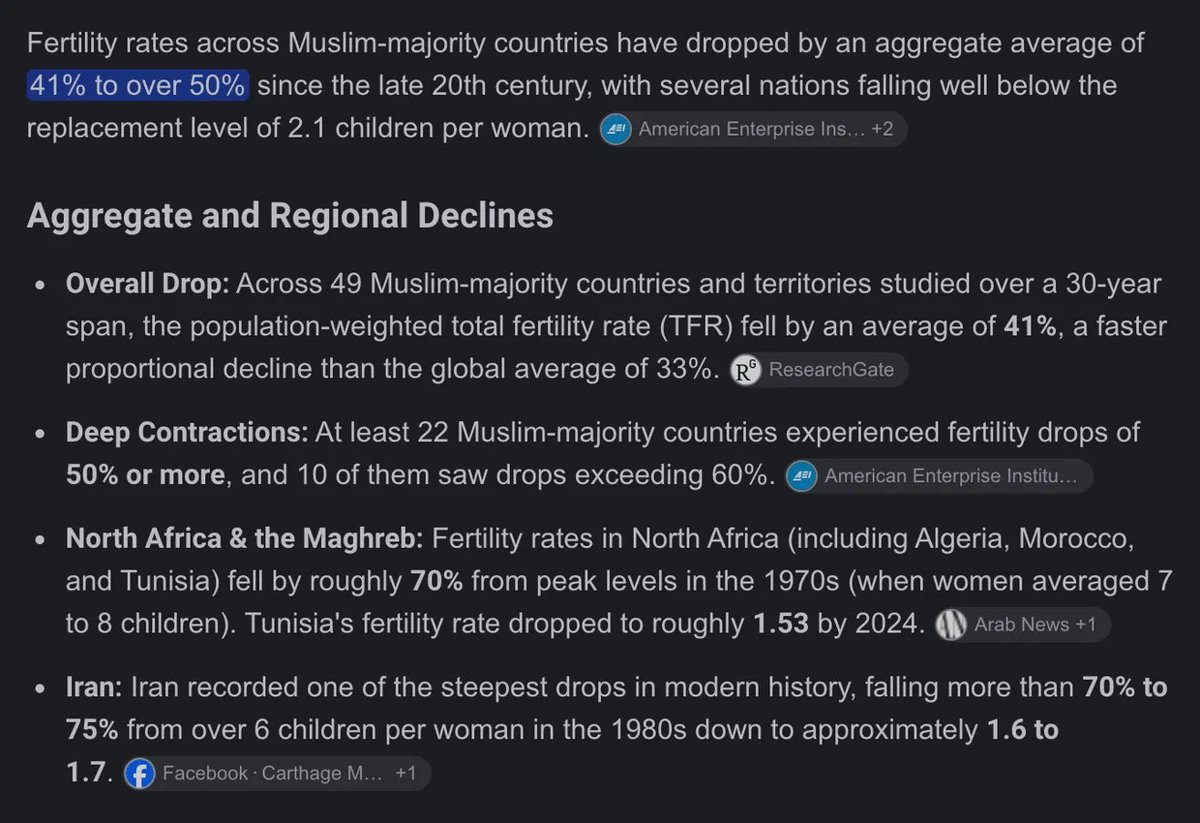
Ḥudhayfah ibn al-Yamān رَضِيَ ٱللَّٰهُ عَنْهُ reported that the Prophet ﷺ said: “The Hour will not come until the father of 5 wishes he had 4, the father of 4 wishes he had 3, the father of 3 wishes he had 2, the father of 2 wishes he had 1, & the father of 1 wishes he had no children.”
Source: Muṣannaf Ibn Abī Shaybah (no. 14306, ʿAwwāmah numbering); Akhbār Makkah by al-Fākihī (no. 1787)
FYI A statement of ʿAbdullāh ibn ʿAmr (mawqūf). Graded ḥasan by Muḥammad ʿAwwāmah.
btw I post a sign of the Hour you’ve never heard of every night at 9 PM CT.
ʿAbdullāh ibn ʿAmr رَضِيَ ٱللَّٰهُ عَنْهُمَا said: “When you see Makkah split open with tunnels, and you see the buildings rise above the tops of the mountains, then know that the matter is upon you.”