Is the UN still relevant? Feels like UNGA has become an event where world leaders deliver hollow speeches, condemn wars, reaffirm commitments & then return home without meaningful action. The world needs fewer speeches and more accountability, political will and concrete actions
SPEAKER ANNOUNCEMENT | GSEF 2026
We are delighted to welcome Mohamed Abdi, Country Director for the @NRC_Norway Kenya and Somalia Programme, as a distinguished speaker at GSEF 2026.
With extensive humanitarian and development experience, Mohamed brings valuable perspectives on resilience, livelihoods and sustainable development across Kenya and Somalia. We look forward to his insights on the GSEF stage.
📅 Dates: 24–25 October 2026
📍 Venue: Radisson Blu Hotel-Nairobi, Kenya🎟️
Register here: 👇
https://t.co/wWw55XuXjG
#GSEF2026 #Somalia #Governance #RegionalIntegration #EastAfrica
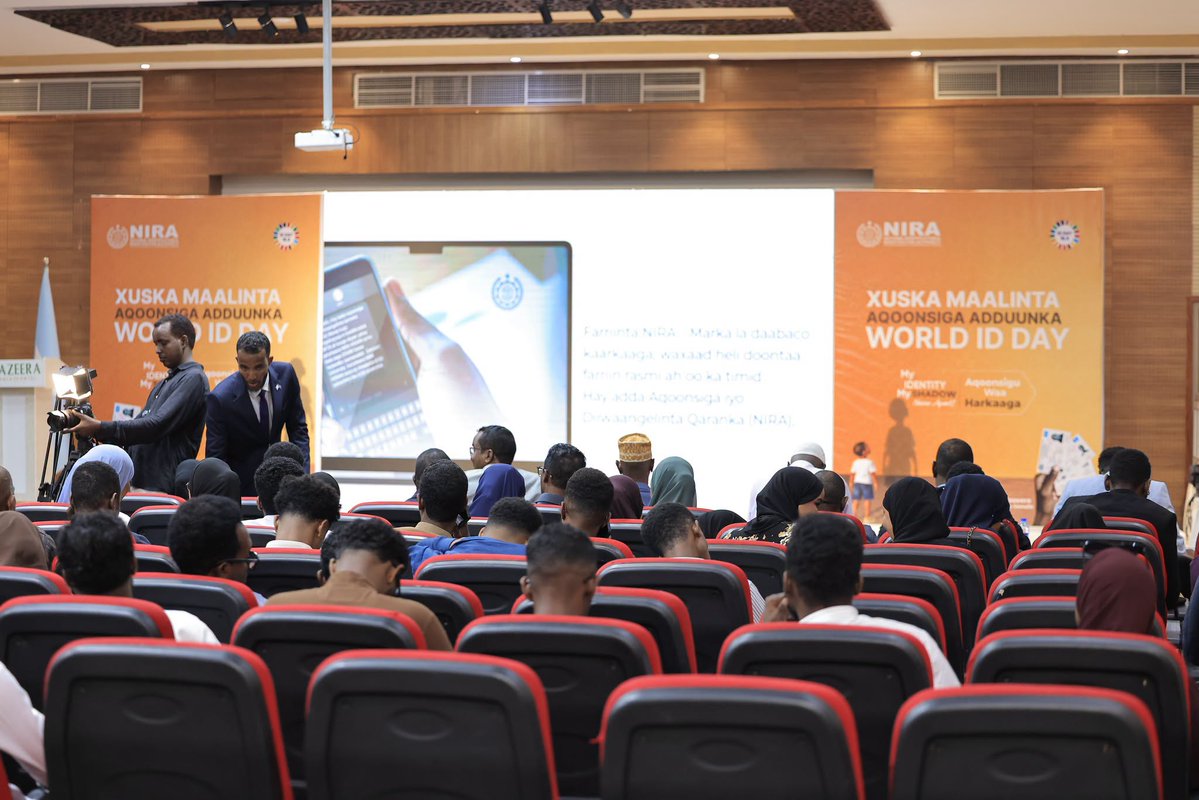
Identity Week 2026 has successfully concluded in Somalia under the theme “My Identity, My Shadow, Never Apart,” bringing together stakeholders to reflect on the importance of an inclusive and accessible national identification system.
NIRA extends its appreciation to all participants who contributed to the discussions and consultations throughout the week. We also thank government institutions, development partners, civil society organisations, and organisations representing persons with disabilities and vulnerable communities for their continued collaboration.
#IDDay #IdentityDay #MyIdentityMyShadow #IdentityMatters
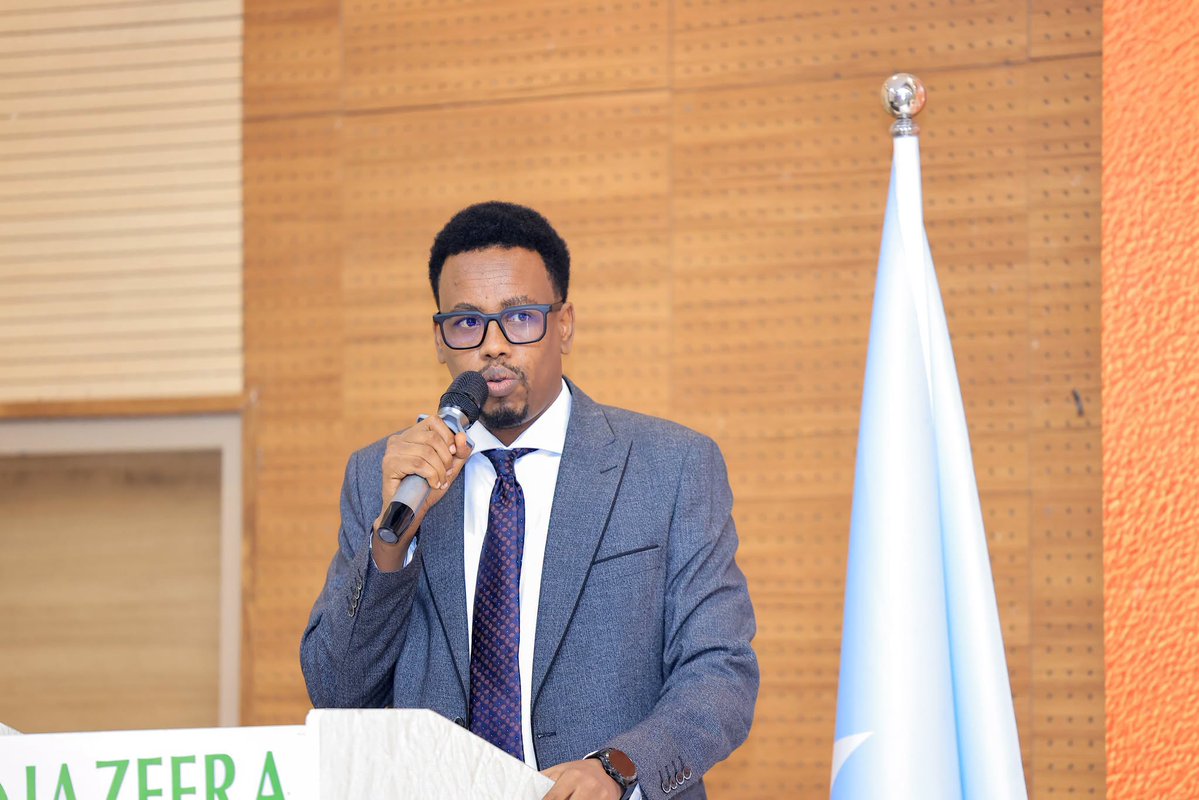
Today, I was honoured to deliver the keynote address at Identity Day, emphasising the need to provide national IDs to IDPs in Somalia. Legal identity is essential for their integration and economic empowerment. @NRC_Norway works closely with @NIRASomalia to make this a reality.
Tens of thousands of Somali families will survive the current drought and the coming floods due to effective resilience programs through NRC and others in Somalia. I took this photo last week from a dam in Juba-land that made displaced farming families survive the fierce drought
Kenya: the right of refugees to earn a living is at risk of being lost as part of a crack-down on foreign-owned small businesses.
NRC is calling for clarity, so that refugees can continue to exercise the legal rights that they already have, and which are vital for people trying to support their families.
Small trade is how many refugee families in Nairobi and other Kenyan towns survive.
Many live in rented accommodation, and a trader who loses their income this month can easily end up losing their home next month. We urge the government to make sure refugees are not caught up in a blanket crack-down.
Kenya's Shirika Plan has been a model for refugee self-reliance, recognising that refugees who can work and trade become contributors to society and the economy. We ask the Government to safeguard their opportunity to earn a living as enforcement begins.
Kenya has long been a generous host to nearly a million refugees, and careful implementation now will ensure that their example can continue.
Tørke. Vold. Sult. Og nå fare for ødeleggende flom.
6 millioner mennesker i #Somalia sulter, mens den humanitære innsatsen mangler 70% av den økonomiske støtten som trengs. @NRC_Egeland rapporterer fra Kismayo ⬇️
When we met Iftin in her home in Qam Qam camp in southern Somalia, she was trying to give her newborn twins some water with sugar under the mosquito nets.
She told us: "I have eaten so little of late that I cannot breastfeed.”
Iftin now has 7 children and no income, as she fled the drought and the violence in the lower Juba region. It was heartbreaking.
She now gets some NRC cash assistance so that the family can again eat, and so that Iftin can again nurse her newborn.
There are thousands of stories like this here in disaster and conflict-stricken Somalia.
Drought. Violence. Hunger. And now the threat of devastating floods.
6 million people in #Somalia are facing crisis levels of hunger or worse, while the humanitarian response is 70% underfunded. @NRC_Egeland reports from Kismayo ⬇️
I was greeted in perfect Norwegian when we met Director Moallim in the Somali Disaster Management Agency here in Mogadishu.
He is one of many able Norwegian-Somalis who have returned to build effective Somali state services.
I was impressed to see how SODMA, with small resources and limited foreign aid, is successfully promoting resilience and preparedness cross Somalia to meet accelerating droughts and floods.
Somalis did nothing to produce climate change, but are among the first and hardest hit.
NRC is proud to cooperate with SODMA.
Asha is a young widow with four children who fled Jamame in Lower Juba region, Somalia.
She walked for an entire week with her children to reach Qam Qam camp outside of Kismayo, three weeks ago. With nowhere else to go, distant relatives have given her a basic temporary shelter where she cares for her children alone.
Asha, having no other source of income, will receive cash assistance which will cover the most basic needs for the next three months.
Before the drought and the death of her husband, their livestock and husband’s daily work for other farmers provided them with a living. Now all that is gone and she is totally dependent on external assistance.
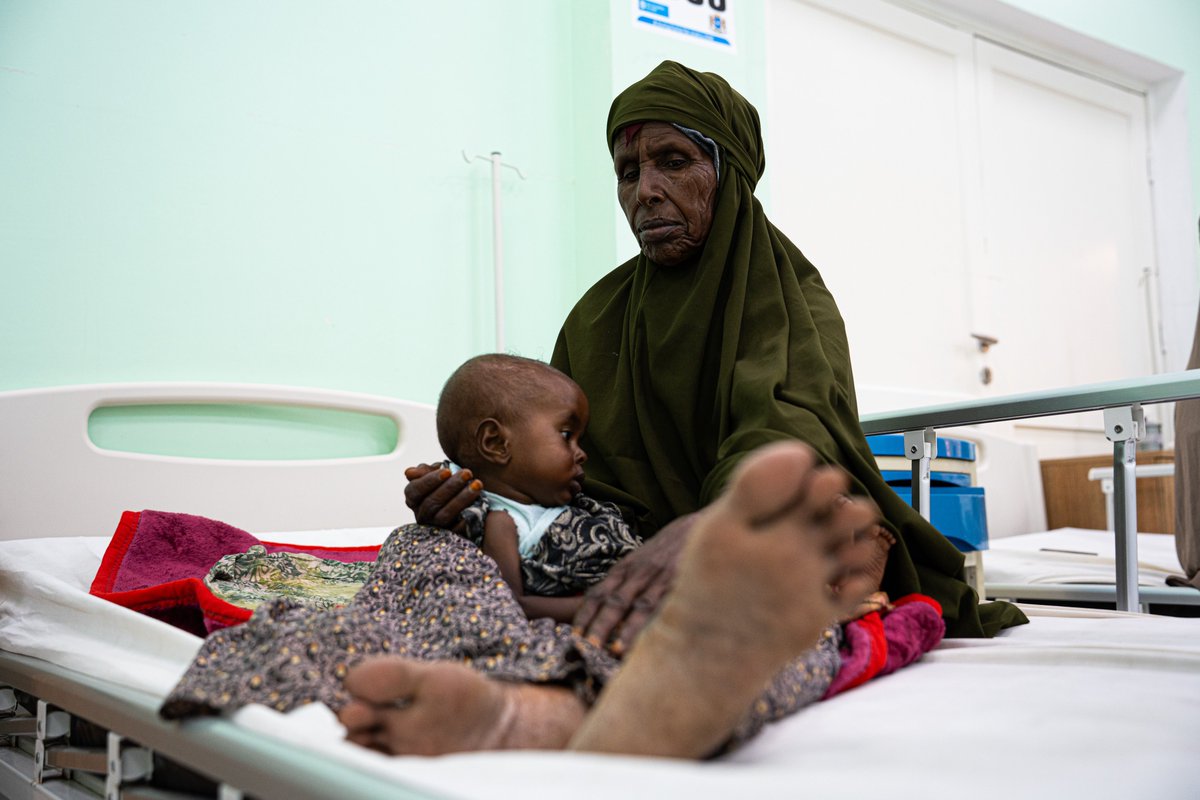
I met Nadifa, with the severely malnourished child Hawa, at the SOS Mother & Child Hospital outside Mogadishu.
Even though Nadifa is a mother of seven, she took in Hawa as a baby when she was newly born and abandoned near the riverbank close to her village during the previous drought.
Now Hawa has again relapsed into severe malnutrition, “because we have no food because our livestock and our harvest have all died”.
I am time and again struck by the incredible generosity the poorest of people give each other here in Somalia.
Here in Qam Qam camp in Jubaland new families arrive every day, exhausted and hungry, having fled the horrific drought and violence in the Somali countryside.
Conditions in the camp for the new arrivals are horrible: many live in improvised shelters built from whatever the previous arrivals can give them.
NRC is providing cash assistance, shelter and water/sanitation to the displaced but our resources are nowhere near enough to meet the needs of the thousands of newly displaced families.
We are desperately trying to prepare for the floods that are predicted to be much worse than in previous rainy seasons. The drought has made the soil dead and will make the floods even worse. We are asking donors that have cut aid to Somalia to come back with the needed funding to prevent massive, needless suffering.
Abdullahi - 9 months old - lost his mother shortly after childbirth and is now cared for by his grandmother Sharifa.
Sharifa comes from a pastoral community and once owned more than 28 cows, which enabled her to support her entire family from the milk and the meat.
The drought killed all of her livestock and she had to travel all the way from Hirshabelle State to Mogadishu, to get lifesaving care for her grandchild.
The drought has devastated one community after another, and aid cuts mean that many, many children will not receive care like little Abdullahi, and as a result are now succumbing to easily preventable death.
I met with Mr. @NRC_Egeland, SG of the @NRC_Norway to discuss Somalia’s humanitarian situation, including drought, floods, displacement and Super El Niño risks. We also explored stronger cooperation on disaster preparedness, response and support for vulnerable communities.
Somalia's drought survivors are about to be hit again, this time by flooding.
“We know it is coming and we know how hunger turned to famine in the past when Somalia was abandoned. What we don’t have is the funding to act on it.” - @NRC_Egeland
https://t.co/QPeOMULJDY
I am back in Somalia and am horrified by the devastation caused by the prolonged draught that has come on top of many years of violence and displacement.
Both in Jubaland and outside of Mogadishu you see acutely malnourished children and families that fled from their ancestral land when livestock and harvest all died.
Instead of increasing aid, as was always the case in previous times of massive suffering, we see the effects of enormous cuts in aid funding.
Too many organisations have had to cut back, and my NRC colleagues on the ground are completely overstretched and underfunded faced with a massive increase of needs.
We have to get a surge of funding before the devastating El Nino-fueled floods will come towards the end of this year.
See our latest:
⬇️
The link between armed conflict, violence & hunger is undeniable, with at least 266 mln people facing acute food insecurity in 2025, @antonioguterres warns.
Acting @WFPChief Carl Skau urged governments for new and bold action to break the vicious cycle of hunger and conflict.