JODER… esto va a romper internet.
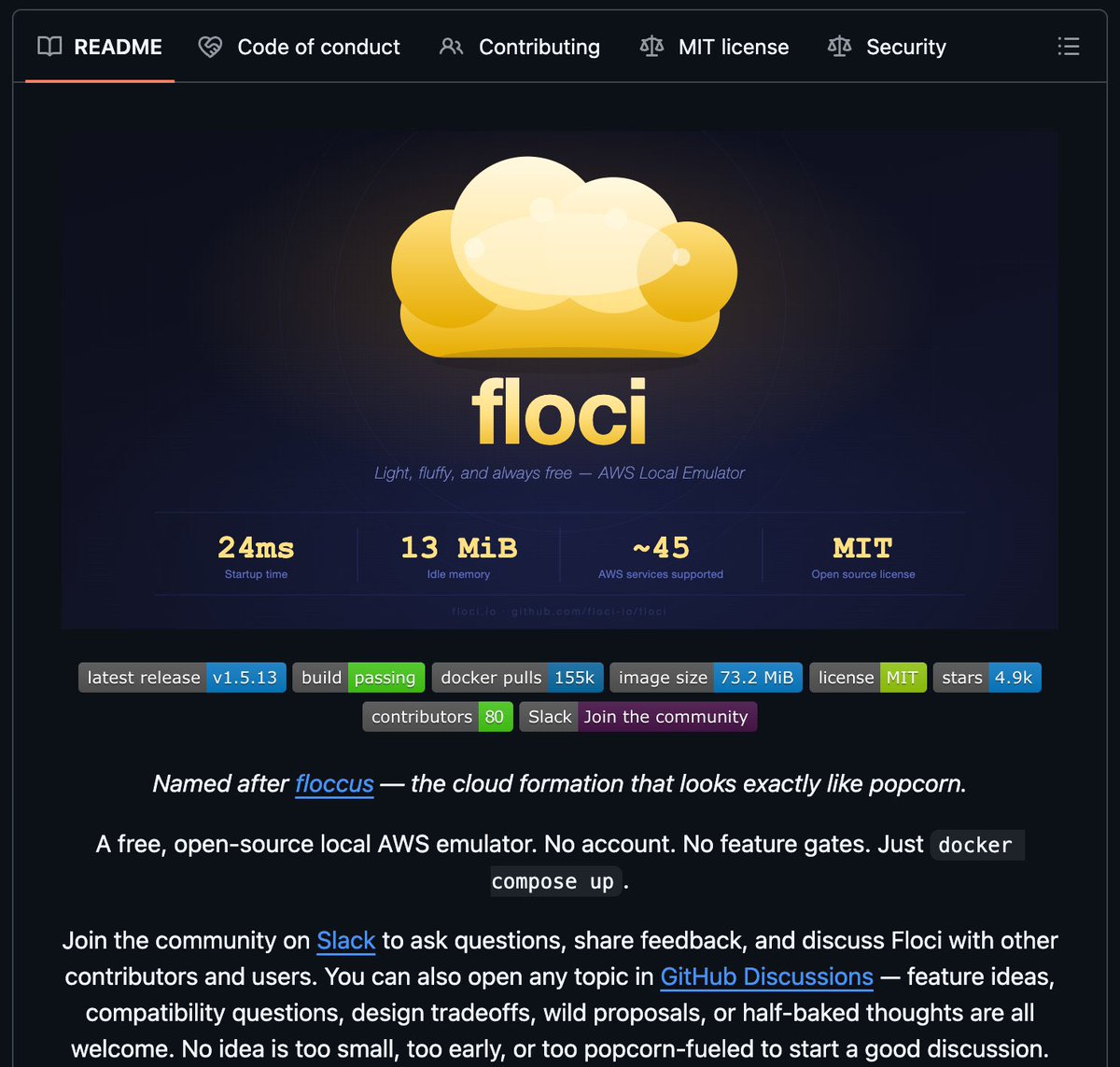
Un equipo acaba de tirar a la basura todo lo que conocíamos de emuladores de AWS. Se llama Floci.
Un solo binario de Go de 13 MiB que levanta 45 servicios de AWS (S3, Lambda, DynamoDB, SQS, SNS, IAM, CloudFormation, Step Functions y más) en menos de 1 segundo. Sin Docker. Sin LocalStack. Sin facturas. Sin 4 GB de RAM robados. Sin esperas de 30 segundos.
Solo descargas el ejecutable, lo lanzas y ya tienes toda la nube de AWS corriendo en tu laptop.
Por qué esto es una puta locura:
• 13 MiB de RAM total. Una pestaña de Chrome consume 200 veces más.
• Arranque en frío en menos de 1 segundo.
• Un solo binario. Cero dependencias.
• Compatible al 100% con AWS SDK y CLI. Apuntas el endpoint a localhost y todo sigue funcionando.
• Binarios para Linux, macOS y Windows. Descargas y ejecutas.
LocalStack Pro de $40/mes → muerto.
Docker Desktop comiéndose tu RAM → muerto.
Entornos de staging caros → muertos.
Y lo mejor: funciona en CI/CD. Levantas todo el entorno en pipelines en menos tiempo del que tardas en escribir el comando.
100% open source
Si eres developer de AWS y esto te ha hecho decir “joder, por fin”… dale like, RT y sígueme. Esto es solo el principio.
El local development con AWS acaba de cambiar para siempre.
Highly-recommended read.
Aligns with what I see in my own harness:
> Pi harness got the same success rate as harnesses from the LLM vendors with Opus and GPT, but at 2x less cost
> GLM 5.2 was a major step forward in open-source coding agent performance
The harness bloat/rot is real!
Introducing the Open Knowledge Format (OKF), an open specification that formalizes the LLM-wiki pattern into a portable, interoperable format.
AI is only as smart as the context we give it. As we build more advanced, agentic AI systems, they need accurate metadata and context to be useful. But in most organizations, that context is locked inside fragmented data catalogs, isolated wikis, scattered code comments, or the minds of senior engineers. Every time a new AI agent is built, teams are forced to solve the exact same context-assembly problem from scratch.
To solve this, we've announced OKF, a vendor-neutral, open specification that formalizes the "LLM-wiki pattern" into a portable, interoperable format. It provides a standardized way to represent the enterprise knowledge that modern AI systems rely on.
— Just markdown: readable in any editor, renderable on GitHub, indexable by any search tool
— Just files: shippable as a tarball, hostable in any git repo, mountable on any filesystem
— Just YAML frontmatter: for the small set of structured fields that need to be queryable: type, title, description, resource, tags, and timestamp
We’ve also shipped reference implementations to help you hit the ground running, including an enrichment agent for BigQuery, a static HTML visualizer, and live sample bundles on @github → https://t.co/ilhAMCrcTc
➕ Knowledge Catalog can now natively ingest OKF!
Stop reinventing data models and building bespoke integrations for every new AI tool. Here's more about how OKF works → https://t.co/FR4kJRsgEH
what is agent looping
for the last two years we prompted agents one task at a time. that is starting to change
instead of asking an agent to build the landing page and then driving every step yourself, you set up a loop that handles discovery, planning, the work, checking, and iterating until the goal is met
looping is a setup you build. almost any agent harness can run it, it just depends on how you wire it up
at its simplest, looping is one agent working on itself:
> researches
> drafts
> checks the draft against a goal
> fixes what is weak
> runs that cycle again until the work clears the requirements
you are not prompting each step anymore. the agent repeats the cycle for you
the bigger version is a fleet looping. you give an orchestrator agent a goal, it breaks the goal into pieces, hands each piece to a specialist agent, and those specialists hand smaller jobs to their own subagents
the whole tree keeps looping through discovery, planning, execution, and verification until the goal is met
one agent looping is like a person redoing their own draft. a fleet looping is a whole team running a project end-to-end
you create a goal, and the system runs the loop until it finishes within the reqs you set
open and closed looping:
OPEN LOOPING is exploratory. it still has conditions and a goal, but you give the agent or the fleet a wide space to move in. it can try different paths, discover things, build something you did not fully spec out
this is the exciting end, it is what Peter and others are doing, and tbh it is where I want to spend more time
the catch is cost, an open loop with real room to explore burns an insane amount of tokens. for the 90 percent of people without an unlimited budget it is not runnable yet, and pointed at projects with a loose standard it turns into a slop machine
CLOSED LOOPING is bounded. a human designs the end-to-end path first:
> clear goal
> defined steps
> an eval at each step
> a point where it stops or hands back to you (and feeds back performance data)
the agents still loop, but inside framework you built. it gets better every run because each pass feeds the next, and it runs on a normal budget because the path is tight.
for most marketing work, closed is the one that pays off today.
> the orchestrator owns the goal
> the specialists own the steps
> the subagents do the narrow work
> an eval gate make sure its not slop
1/5
I'm a cardiologist. I have spent twenty years watching cholesterol destroy arteries, trigger heart attacks, and kill people I care about.
Today, Eli Lilly presented data that may begin to end that era.
VERVE-102. A single infusion. One dose. It uses base editing to permanently turn off the PCSK9 gene in your liver.
Presented today at the European Atherosclerosis Society Congress:
88% reduction in PCSK9.
62% reduction in LDL cholesterol.
Sustained up to 18 months.
No treatment-related serious adverse events.
One infusion. Not daily pills you forget to take. Not monthly injections. One dose — and your cholesterol may stay low for the rest of your life.
Today, we're introducing Pomelli Catalog.📣✨
Add your products or services, and Pomelli will use them to generate personalized campaigns and high-quality photoshoots, tailored to your brand.
Free of charge. Available everywhere. Try it at: https://t.co/kLyndsPBpw
Usage limits are up, effective today we're:
1) Doubling Claude Code's 5-hour limits for Pro, Max, Team and seat-based Enterprise plans
2) Removing peak hours limit reduction on Claude Code for Pro and Max plans
3) Substantially raising our API rate limits for Opus models
TODAY: Amazon is opening its entire logistics network—freight, distribution, fulfillment, and parcel shipping capabilities—to every business, of all types and sizes. 📦
Amazon has built one of the most reliable and efficient supply chains on Earth. Now, Amazon Supply Chain Services gives all businesses access to the same infrastructure that moves, stores, and ships goods for hundreds of thousands of Amazon sellers.
Healthcare, automotive, manufacturing, retail, and more. Businesses across industries can now tap into Amazon's logistics network. Learn more here. ⬇️
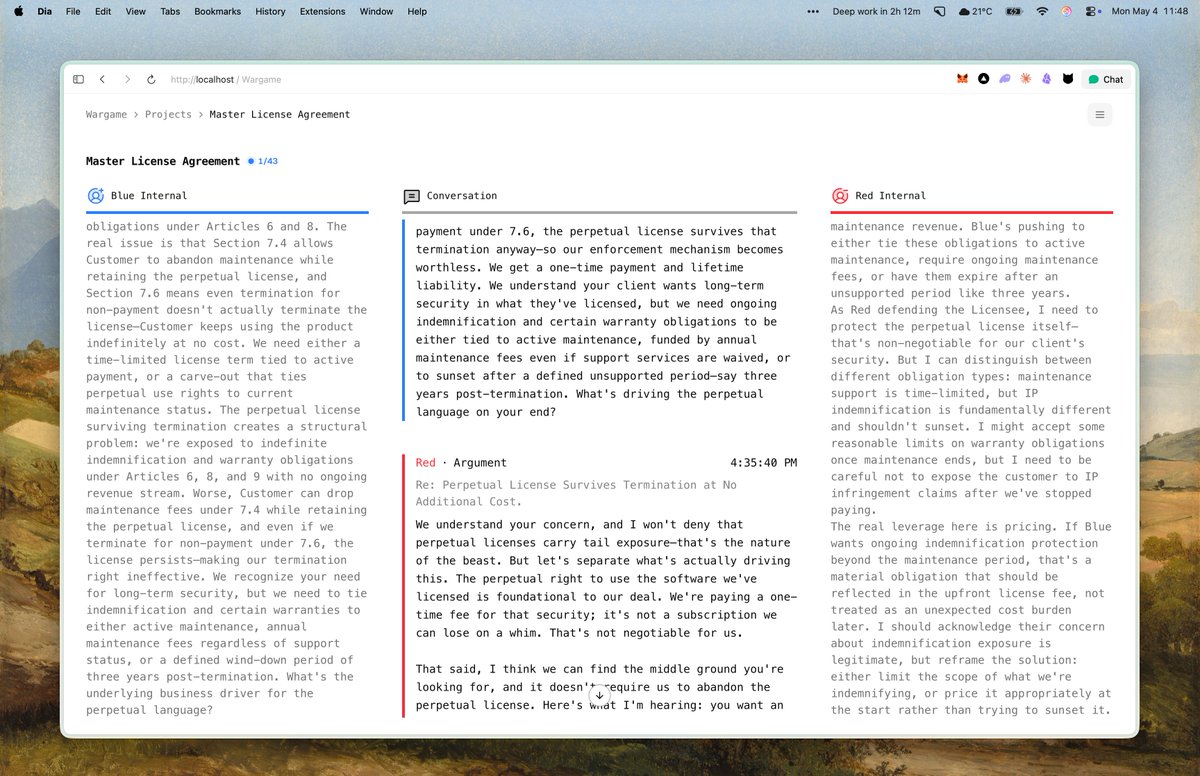
My new app https://t.co/BJSvukgqto pits two agents against each other in a contract negotiation. Each agent reviews the contract. They assemble a shared issues list. Then they negotiate each point, showing their internal reasoning and back-and-forth in real time.
Esto es interesante: los modelos de Anthropic sufren más el "hablar" otros idiomas a nivel de uso de tokens.
En español el número de tokens usados se multiplica 1.62x respecto al modelo de OpenAI en inglés.
10 open-source AI tools that feel illegal to be free.
Bookmark this before big tech buries it.
1. Fooocus
A Midjourney alternative that runs on your laptop. Three clicks from download to first image.
Repo → https://t.co/NDPJpIdYJs
2. ComfyUI
The image generator professional AI artists actually use. Studios use it for real production work.
Repo → https://t.co/yy1oRIvrOn
3. Ollama
A ChatGPT alternative that runs on your own machine. No internet. No API costs. One command to install.
Repo → https://t.co/gyZhUdzsnZ
4. OpenVoice
Clones any voice from 10 seconds of audio. Built by MIT and MyShell. MIT license means commercial use is allowed.
Repo → https://t.co/BWoiXvk0Bm
5. Penpot
A Figma alternative with real-time collaboration. Runs in your browser. Self-hostable.
Repo → https://t.co/Lx1CYUP4p4
6. AppFlowy
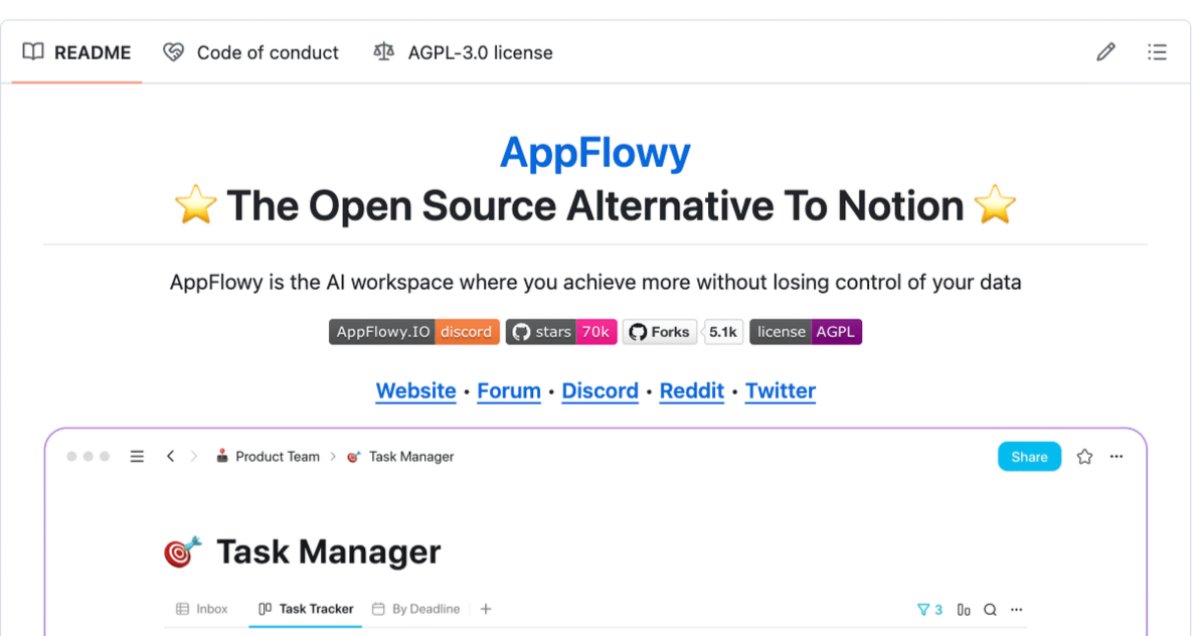
A Notion alternative where your data stays on your own machine. Local-first. Built in Rust.
Repo → https://t.co/IDMykTCkMU
7. n8n
A Zapier alternative with 400+ integrations and native AI nodes. Unlimited workflows when you self-host.
Repo → https://t.co/hdycABGGc1
8. Cal. com
A Calendly alternative with more features than the paid version. White-label it for clients.
Repo → https://t.co/haz8ihRsHm
9. Supabase
A Firebase alternative you actually own. Postgres, auth, storage, realtime, edge functions. All in one.
Repo → https://t.co/dFB2QvafA7
10. Cline
A Cursor alternative that lives inside VS Code. Reads your files, edits your code, ships your features.
Repo → https://t.co/hjjDVgiRd3
Here's the wildest part:
Add up what these tools would cost as SaaS subscriptions and you are looking at $300 to $500 every single month.
All of it. Free. Forever.
The only people who lose when you install these are the companies charging you $20 a month for what an open-source community built for free.
Save this post before you forget.
100% free. 100% open source.
اللي هتعمله في السنتين الجايين هو اللي هيحدد مكانك في السوق.
لسه مخلص بودكاست Lenny Rachitsky عن تصور شكل ال-Product Manager في المستقبل هيكون إيه.
لو إنت مهتم بالـ Product Management أنصحك تتابع شغل Lenny
الافكار المهمة إللي ناقشها:
* السنتين الجايين هيكون فيهم عدم إستقرار و لخبطة حقيقيين (12–24 شهر)… وبعدها الأمور هتبدأ تـستقر
* هيحصل layoffs كبيرة و بعدين هيحصل rehiring أقل بس AI-first
* لو دورك هو مجرد نقل معلومات فقط (PRDs، Stories، Status Reports). إنت في خطر. الأدوار دي بتختفي.
* دي مرحلة انتقالية… مش النهاية. دي ممكن تكون أفضل فترة للـ PMs "الصح". الـ Builders عندهم leverage (ميزة) غير مسبوق
* دور الـ PM بقى judgment (حُسن تقدير) مش coordination (تنسيق)
طيب إنت المفروض تعمل إيه دلوقتي؟
1) لازم تبقى up-to-date و hands-on
جرب tools، إبني، اكسر، واتعلم
مش رفاهية… ده survival (بقاء)
2) اكسر الحاجز النفسي
“التغيير صعب / مش وقته / أنا تمام كده”
الـ mindset ده أخطر حاجة دلوقتي
3) ادخل في التغيير بسرعة
الـ window (الوقت المتاح) قصير جدًا
واللي هيتأخر… القطر هيعديه
المرحلة دي هي مرحلة ال- smiling exhaustion
الكل تعبان… بس اللي فاه�� اللعبة مستمتع
الخلاصة:
الـ PM اللي جاي مش “مدير شغل”
ولا حتى مجرد “صاحب أفكار”
الـ PM اللي جاي = يقرر صح — يبني — يحقق نتائج
والسنتين الجايين؟
مش مرحلة راحة… دي مرحلة تحديد مكانك في السوق الجاي.