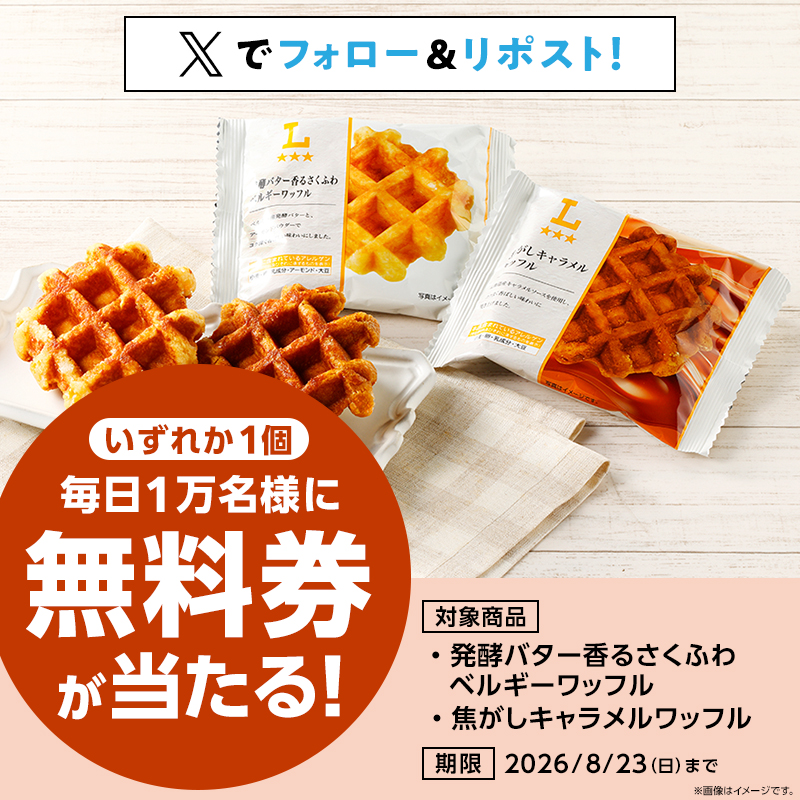
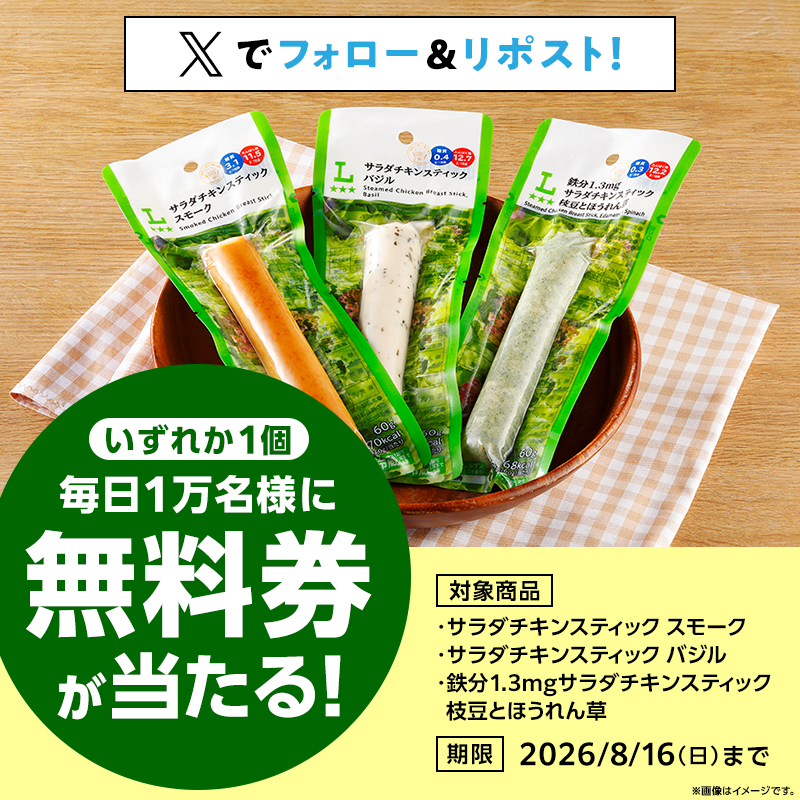
\7種類のアイスからランダムで無料券がもらえるチャンス!/
【応募方法】
① @akiko_lawson をフォロー
② この投稿をリポスト
③ ↓の画像をクリック。キャンペーンサイトの抽選に参加でローソンで使える無料券が当たる(^^)
※あたり無料券はサイトで確認
※リポストだけでは参加となりません
\7種類のアイスからランダムで無料券がもらえるチャンス♪/
【応募方法】
① @akiko_lawson をフォロー
② この投稿をリポスト
③ ↓の画像をクリック。キャンペーンサイトの抽選に参加でローソンで使える無料券が当たる(^^)
※あたり無料券はサイトで確認
※リポストだけでは参加となりません
Every marine biologist learns the physics problem whale mothers face:
How do you transfer liquid nutrients to your baby in an environment where liquids should instantly dissolve and disperse?
Whale milk contains 30-50% fat content. Human milk is 4%.
The evolutionary solution was to create something closer to toothpaste than liquid. When a whale calf latches underwater, the mother's mammary muscles contract like a hydraulic pump, shooting this dense mixture directly into the calf's mouth in concentrated bursts.
The milk forms temporary globules that resist mixing because of the extreme fat density. Surface tension creates a protective barrier around each droplet. The calf swallows before the ocean has time to break down the molecular structure.
But the real genius is the timing.
Whale mothers release milk in coordinated pulses with their calf's breathing rhythm. The transfer happens in the brief moments when both animals are positioned to create a sealed pocket between them. The mother essentially turns her body into a biological delivery system that operates in perfect sync with oceanic pressure and movement.
Millions of years of evolution solving a fluid dynamics problem that human engineers would need computer modeling to figure out.