A new shot literally regrows knee cartilage.
Researchers at Stanford Medicine have identified a novel strategy to regenerate articular cartilage in knees and potentially prevent or treat osteoarthritis (OA).
The method targets 15-hydroxyprostaglandin dehydrogenase (15-PGDH), an age-related enzyme—or "gerozyme"—that accumulates in aging tissues and drives degeneration.
In aged mice, small-molecule inhibitors of 15-PGDH, delivered systemically or via intra-articular injection, promoted cartilage thickening and regeneration of functional hyaline articular cartilage.
This occurred without recruiting stem or progenitor cells; instead, existing chondrocytes underwent transcriptional reprogramming to a youthful state, with reduced populations of inflammatory and hypertrophic/degradative cells and expanded matrix-producing articular chondrocytes.
The inhibitors also reversed natural age-related cartilage thinning, improved joint function, and—when administered after simulated ACL injuries—strongly mitigated post-traumatic OA progression and associated pain.
Human OA cartilage explants from total knee replacements responded similarly in vitro, showing decreased degradation markers and evidence of new articular cartilage formation.
Given that an oral 15-PGDH inhibitor has already completed Phase 1 safety trials for age-related muscle atrophy, the findings open a path toward disease-modifying, regenerative therapies that could delay or obviate the need for joint replacement surgery.
[Agarwal, P., Su, S., Ancel, S., et al. (2025). Inhibition of 15-hydroxy prostaglandin dehydrogenase promotes cartilage regeneration. Science. DOI: 10.1126/science.adx6649]
𝐀 𝐐𝐔𝐈𝐄𝐓 𝐑𝐄𝐓𝐔𝐑𝐍 𝐓𝐎 𝐓𝐇𝐄 𝐖𝐈𝐋𝐃
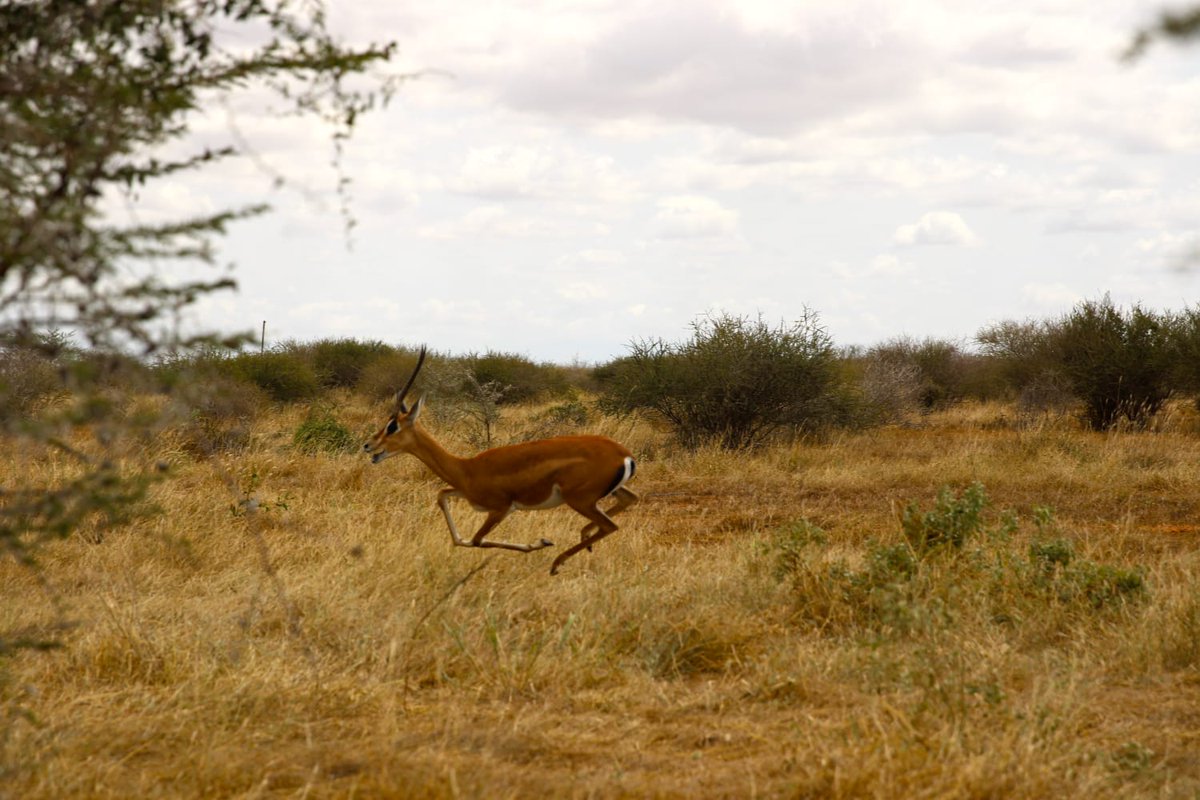
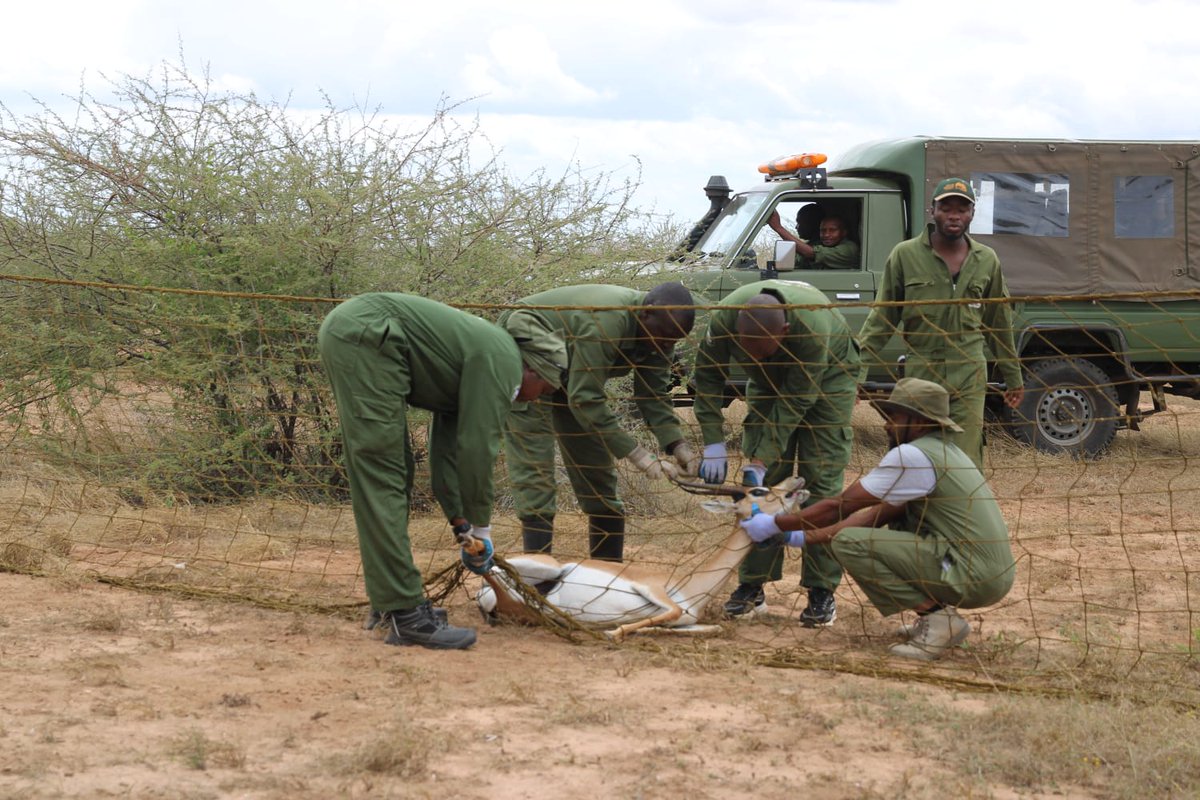
Before dawn broke over the Galana ecosystem, the KWS veterinary team led by Dr. Campaign Limo, moved quietly across the landscape to carry out a carefully coordinated operation to relocate Grant’s gazelles.
Guided by years of field experience and established wildlife management protocols the team safely captured and translocated 24 gazelles 9 females and 15 males to Tsavo East National Park as part of ongoing national conservation efforts.
The translocation reflects a broader commitment to restoring balance within fragile ecosystems while strengthening wildlife populations inside protected areas. It also responds to growing human wildlife conflict pressures. By easing wildlife pressure on surrounding farmlands the intervention helps reduce crop damage lowers the risk of illegal bushmeat hunting and supports more sustainable coexistence between people and wildlife.
Relocating the gazelles to a secure and ecologically suitable home in Tsavo East further strengthens the integrity of the landscape supports tourism value and contributes to long term recovery of wildlife populations across the ecosystem.
For the veterinary and ranger teams each successful translocation a is a quiet act of responsibility care and commitment. It reflects the mandate of the Kenya Wildlife Service to safeguard Kenya’s natural heritage, advance coexistence between people and wildlife and ensure that future generations inherit a resilient and thriving wildlife population.
#ThrivingWildlifeForever
@alleycatallies This is Teddy Roosevelt. He was a community cat I was feeding over the years. He never would let me pet him. He passed away last year. The vet estimated he was around 20.
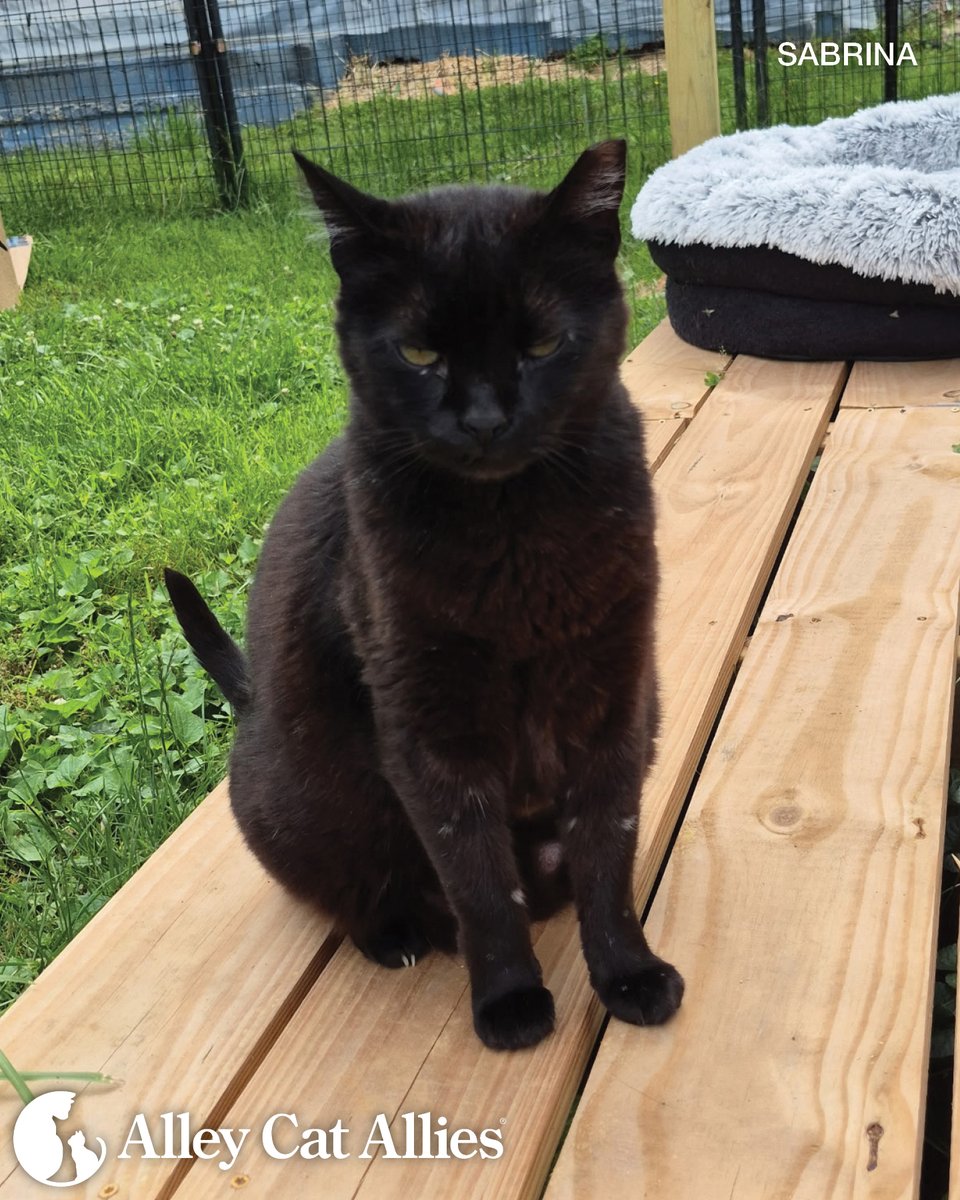
Thank you for all the guesses at Sabrina's age. Many of you were right on target...Sabrina is just about 16 years old! ✨
She's proof: Community cats can live long, healthy lives in their outdoor homes (we have more info about community cats to share at https://t.co/Abbs9iseqD). Sabrina was born outdoors and has never wanted it any other way. And she's still spry as ever, so we look forward to many more amazing years with her!
Here's to Sabrina, to all community cats, and to all black cats for good measure! 🐈⬛






![Rainmaker1973's tweet photo. A new shot literally regrows knee cartilage.
Researchers at Stanford Medicine have identified a novel strategy to regenerate articular cartilage in knees and potentially prevent or treat osteoarthritis (OA).
The method targets 15-hydroxyprostaglandin dehydrogenase (15-PGDH), an age-related enzyme—or "gerozyme"—that accumulates in aging tissues and drives degeneration.
In aged mice, small-molecule inhibitors of 15-PGDH, delivered systemically or via intra-articular injection, promoted cartilage thickening and regeneration of functional hyaline articular cartilage.
This occurred without recruiting stem or progenitor cells; instead, existing chondrocytes underwent transcriptional reprogramming to a youthful state, with reduced populations of inflammatory and hypertrophic/degradative cells and expanded matrix-producing articular chondrocytes.
The inhibitors also reversed natural age-related cartilage thinning, improved joint function, and—when administered after simulated ACL injuries—strongly mitigated post-traumatic OA progression and associated pain.
Human OA cartilage explants from total knee replacements responded similarly in vitro, showing decreased degradation markers and evidence of new articular cartilage formation.
Given that an oral 15-PGDH inhibitor has already completed Phase 1 safety trials for age-related muscle atrophy, the findings open a path toward disease-modifying, regenerative therapies that could delay or obviate the need for joint replacement surgery.
[Agarwal, P., Su, S., Ancel, S., et al. (2025). Inhibition of 15-hydroxy prostaglandin dehydrogenase promotes cartilage regeneration. Science. DOI: 10.1126/science.adx6649]](https://pbs.twimg.com/media/HMo-NMOWMAAHybT.jpg)