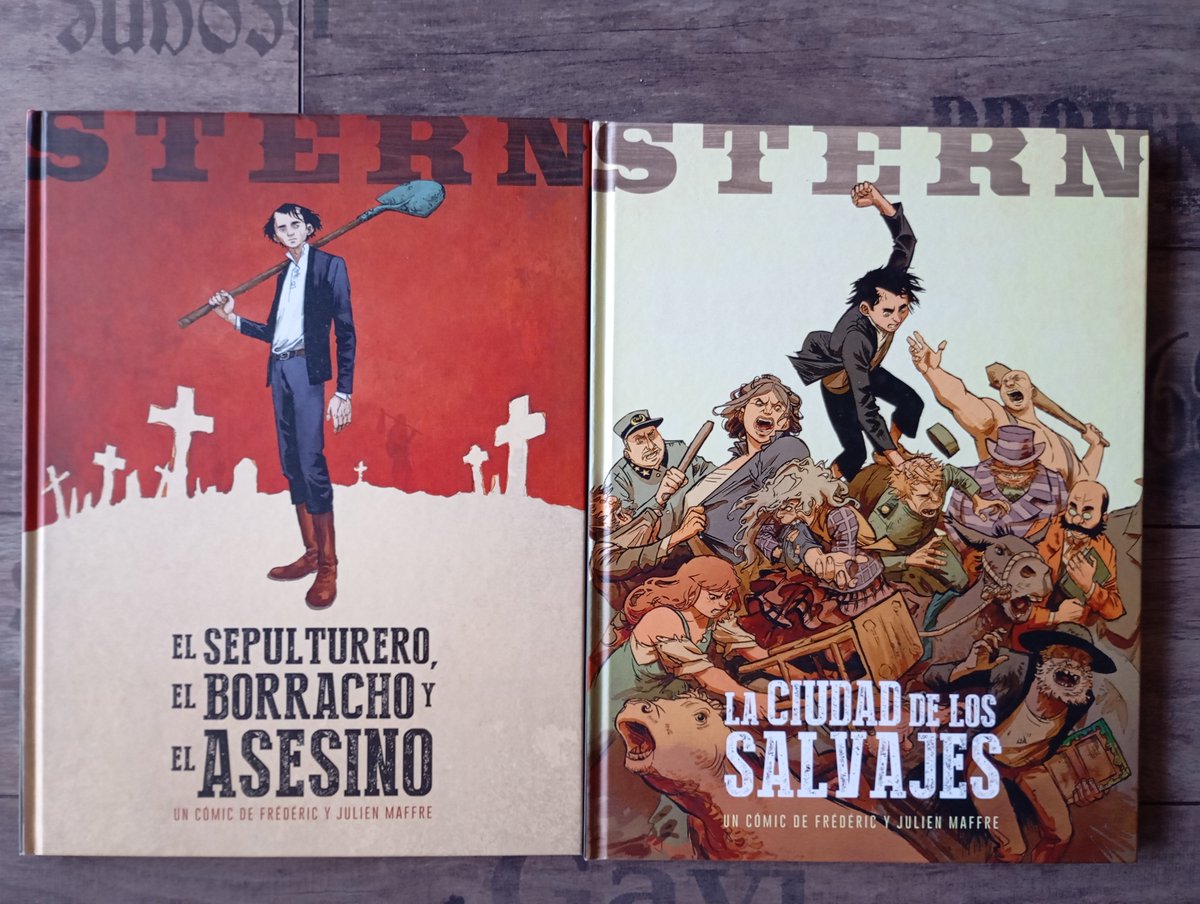
@PlanetadComic@Astiberri@EGigamesh@DolmenEditorial@2000AD@NormaEditorial 123-124. Stern, un dels millors westerns que norma ha deixat mes que penjat.
+a:
https://t.co/vhxYfpvSdk
8/10 per que sense estar acabada nompuc posar el 9 que sembla que es mereix.
Llegiu, gaudiu i aneu amb compte allà fora.
@PlanetadComic@Astiberri@EGigamesh@DolmenEditorial@2000AD 75 gentilesa de Ponent Mon i de la feinada dels seus autors Duval.i Pécau als guions i el immens Kordey al dibuix.
Ucronia, convertida en trama d'espies. +a
https://t.co/zG9bd00LpX
El teniu d'oferta, aprofiteu cal la pena.
8/10
Llegiu, gaudiu i aneu amb compte allà fora
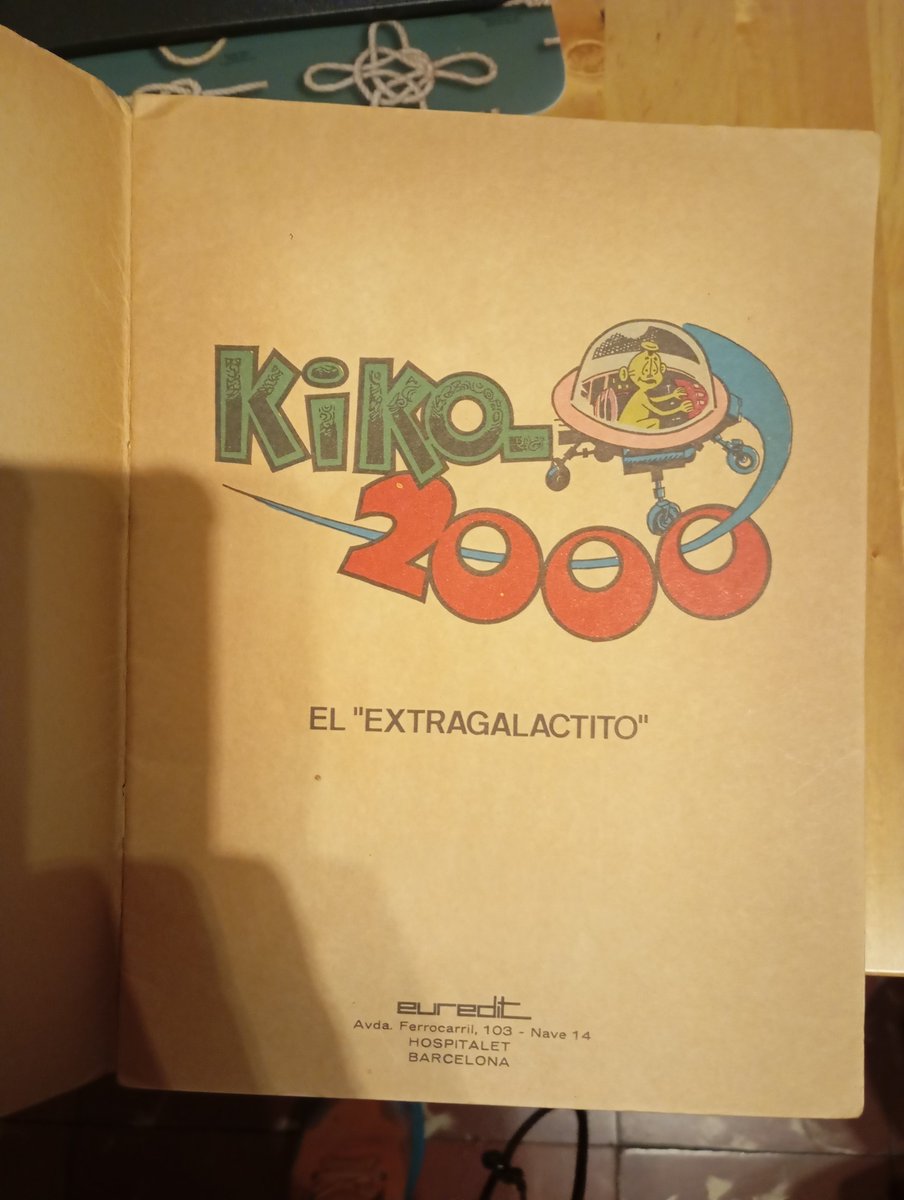
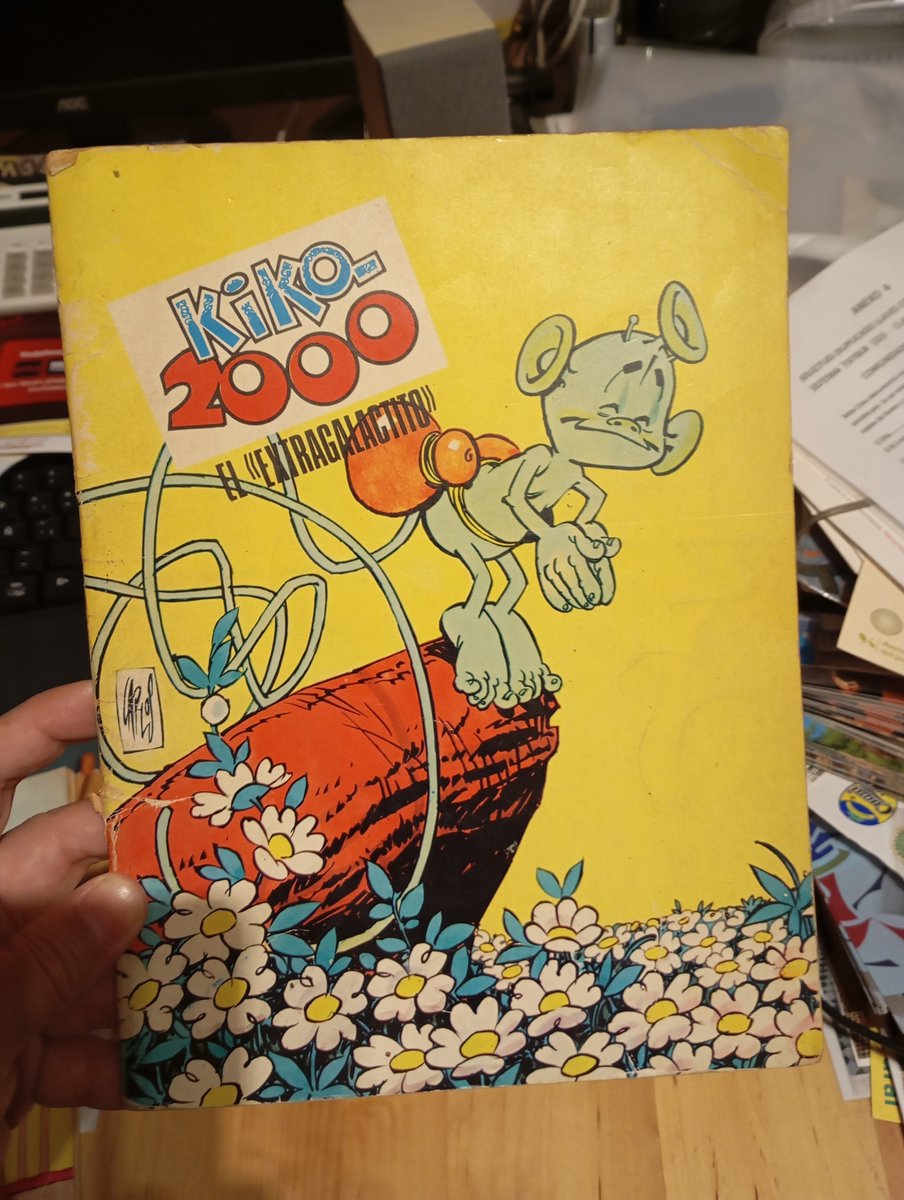
Repassant la cole, més que res, per trobar coses per vendre, he trobat Els números Kiko 2000, uns comics que mai més he trobat i que eren dels meus germans, mai he sabut quan numeros hi havia, ni que els signava. Però de petit els llegia un cop i un altre.
I per acaabr les.aventures de Clorofil·la editats per l'abadia de Montserrat, quan editava còmics més enllà del Xavall Fort, poder Dolmem Editorial podria recuperar-los a la Linia Fora Borda
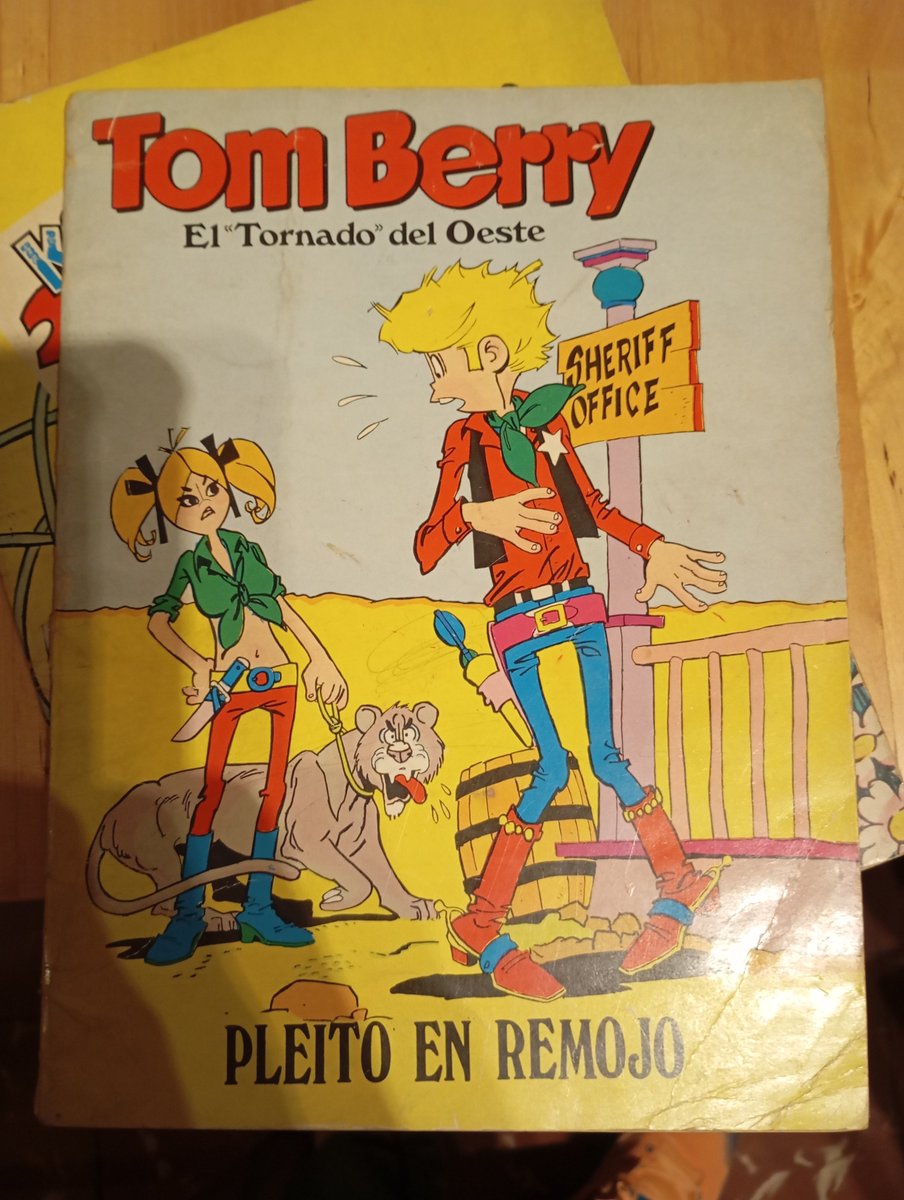
Amb la mateixa línia i editorial hi havia el Western Tom Berry, un sheriff que em recordaba a Lucky Luke, tot i que els personatges femenins eren més femenins...
In the winter of 1939, the Soviet Union invaded Finland.
The Soviets had one of the largest armies on Earth. Finland had a few hundred thousand men, not much artillery, and almost no tanks.
What Finland had was snow, forests, and a 5 foot 3 inch farmer named Simo Häyhä.
Before the war, Häyhä was a quiet man from a small village near the Soviet border. He farmed. He hunted. He'd served his required time in the army and joined Finland's civil guard, where he became known as a crack shot in shooting competitions.
When the Soviets crossed the border in November 1939, he was sent to the front near the Kollaa River.
The temperatures there dropped to 20, 30, even 40 degrees below zero. Days were short. Most of the light was gone by mid afternoon.
Häyhä thrived in it.
He dressed completely in white so he disappeared into the snow. He'd head out before dawn with a little food and stay out all day, lying motionless in the cold, waiting.
He used an old Finnish version of the Mosin-Nagant rifle. With iron sights. No scope.
That was on purpose. A scope's glass could catch the sunlight and give away his position. It also meant he had to raise his head higher to aim, and in freezing weather the glass could fog up. Iron sights let him stay lower and stay hidden.
He packed snow in front of his position so the muzzle blast wouldn't kick up powder and reveal him. He reportedly kept snow in his mouth so his breath wouldn't steam in the cold air.
The Soviet soldiers learned to fear that stretch of forest. Finnish propaganda gave him a nickname that stuck.
The White Death.
In roughly 100 days, Häyhä was credited with killing around 500 Soviet soldiers with his rifle. Some counts are higher if you include his submachine gun. Historians argue about the exact number, but even the conservative estimates put him at the top of every list of snipers ever recorded.
The Soviets tried everything to get him. Counter snipers. Artillery barrages on the areas where they thought he was hiding.
On March 6, 1940, they finally got him. A Soviet bullet hit him in the face, shattering his jaw.
Fellow soldiers who found him said half his face was missing. He was carried off unconscious.
He woke up a week later, on March 13, 1940.
The day the war ended.
He spent years recovering and needed multiple surgeries. But he lived. Finland's commander, Marshal Mannerheim, promoted him straight from corporal to second lieutenant.
After the war, he went back to a quiet life. He hunted, bred dogs, and lived near the Russian border for the rest of his life.
When asked late in life how he became such a good shot, he gave a one word answer.
"Practice."
When asked if he regretted the killing, he said he did what he was told to do, as well as he could.
He died in 2002 at the age of 96.
@FromHellComics@NuevoNueve Gracias por la aclaración, es que con twiter, que la critica queda tan corta se dan estas, para mi, contradicciones...merci, una vez más por las calaraciones..