@petergostev The raycasting gets the attention, but the real flex is 2,000+ lines of coherent SQL. Declarative code gives a model no local state to lean on — the logic has to stay globally consistent. That's exactly the long-horizon coherence that used to fall apart.
@thsottiaux Appreciate the specifics. The 272k → 372k line is the one builders should read twice: raising the context ceiling quietly raises spend on every turn — a bigger window means more tokens re-sent per step. Bigger context isn't free capacity, it's a bigger bill.
@unclebobmartin Matches the token math: swarming multiplies context, not just compute — every parallel agent re-reads the same background before doing its own work. That's why an allowance vanishes so fast. Curious whether Codex's curve holds up once you swarm there too.
@polynoamial 64 subagents, one hour, a 50-year-old conjecture. The headline is the proof, but the method is the story: hard problems are getting solved by orchestration, not by one bigger model. Parallel search with independent context is the new scaling axis.
A Claude Code habit worth building: when a task means reading half the repo, send a subagent. It works in its own context window and returns only the conclusion — your main context never fills with file dumps, so the agent stays sharp.
https://t.co/HjK0t41vqd
Claude Code's auto mode no longer needs an opt-in flag on Bedrock, Vertex AI, and Foundry — and Opus 4.8 is now the default there. Enterprise-cloud agents get background safety checks instead of permission prompts, out of the box.
https://t.co/OLSgMRf56B
Claude Code's desktop app just got a built-in browser. Your coding agent can now open the dev server, click through the UI it just built, and fix what looks wrong — no screenshots from you needed. The write→verify loop is closed.
Claude Cowork is coming to mobile and web.
Hand Claude a task at your desk and pick up the finished work from your phone. Close the laptop and Claude keeps going.
Beta is rolling out over the next several weeks starting with the Max plan, with more plans to follow.
Introducing Claude Tag, a new way for teams to work with Claude.
In Slack, Claude joins as a team member with access to the channels and tools you choose. Tag Claude in and delegate tasks to it while you focus on other work.
Everyone talks about AI coding as hype, benchmarks, or which model is better.
I wanted to test the real question: can AI (in my case it is #Codex ) help build something from scratch that is good enough to launch? Still needs work, but it’s live: https://t.co/MSGnQ9DGZQ
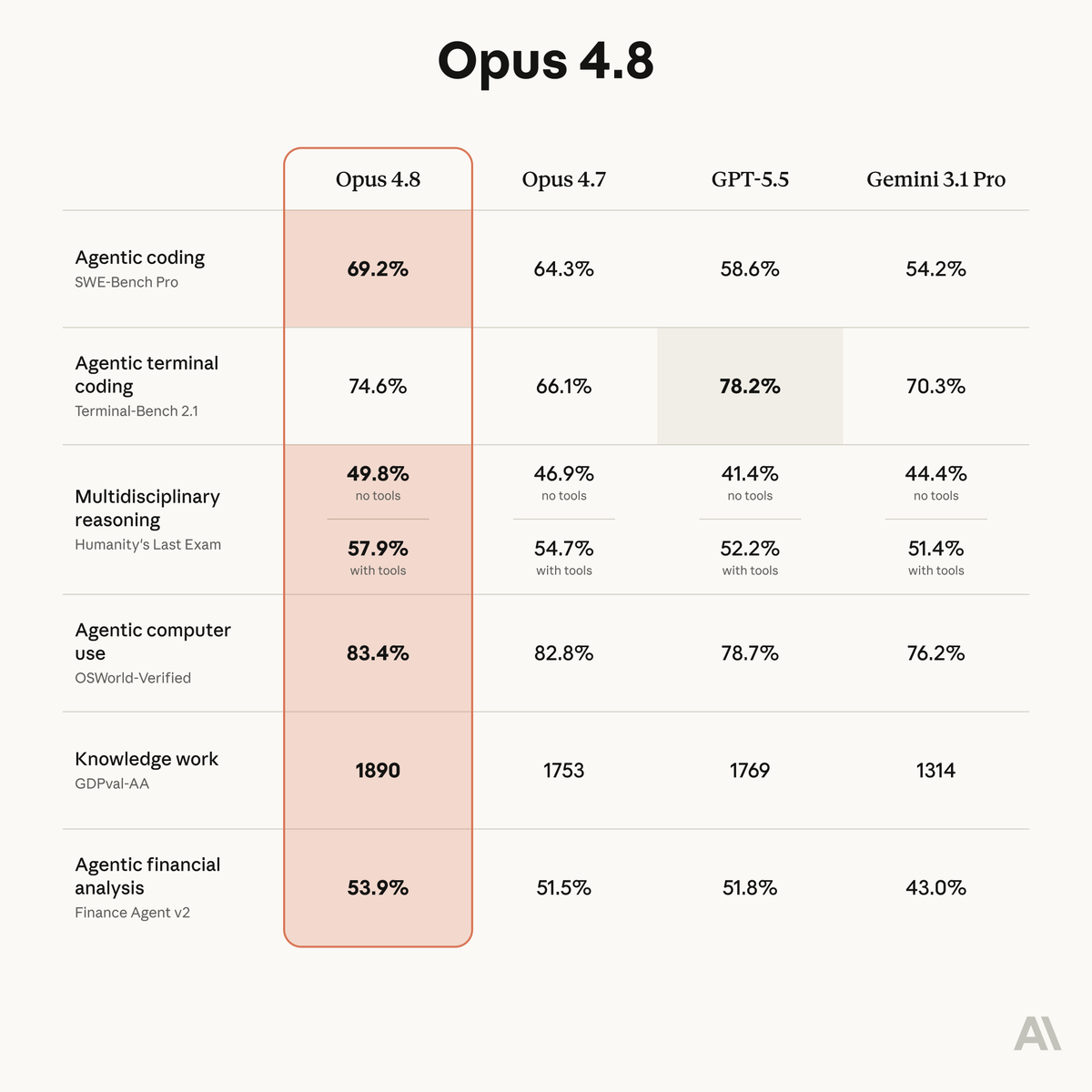
Introducing Claude Opus 4.8: it builds on Opus 4.7 with sharper judgment, more honesty about its own progress, and the ability to work independently for longer than its predecessors.
Available today at the same price.
Live from Code with Claude London: we're launching self-hosted sandboxes (public beta) and MCP tunnels (research preview) in Claude Managed Agents.
Run agents inside your own perimeter, with your security controls applied by default.
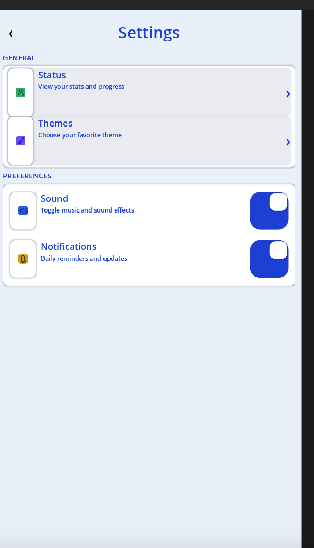
Tried a full vibe-code UI prompt for Codex just to see how it performs. Gave it the first screenshot + a ChatGPT-written prompt, and this is what it generated. Haven’t pushed it further yet, but yeah… UI generation still needs serious improvement. #codex#vibecoding
@trq212 This makes a lot of sense. it’s basically better UX for AI output. Not just what the AI finds, but how easily humans can understand and act on it.
This is more about AI output UX. how agents present what they found. Instead of giving a long wall of Markdown, they can generate interactive HTML reports, diagrams, PR reviews, or status pages that are easier for humans to understand.