Recordando a Raúl Pacheco-Vega
Dos textos de Pacheco-Vega sobre un tema que le interesaba –la gobernanza del agua– y una persona que lo influenció mucho – Elinor Ostrom
Descarga Ostrom y la gobernanza: https://t.co/Iwu67DVrsx
Descarga Agua embotellada: https://t.co/OeXDTuRJxX
Una convicción muy presente en @raulpacheco era la de lograr que la academia sea un espacio de apoyo, de diálogo, y libre de narcisismos. Anteponer el trabajo al performance, los resultados a los llamados a misa.
Hagamos que su sueño sea realidad.
X perdió hoy al tuitstar académico por excelencia, la academia pierde a un gran docente, investigador y divulgador del conocimiento. Cómo diría Khemvirg Puente, @raulpacheco representa(ba) todo lo que está bien en la academia Yo pierdo un colega, pero ante todo un gran amigo. DEP
The people in this photo aren't friendlier than you. Their apartments are just smaller. So small that Parisians basically gave up on living indoors and moved their living rooms onto the sidewalk. And that was the whole plan.
In the 1850s, a city planner named Baron Haussmann tore apart medieval Paris and rebuilt it. He widened streets into boulevards, capped every building at five stories, and added one rule that explains this entire photo: the ground floor of every building had to be a café, a bakery, or a shop. The apartments above were intentionally tiny. Some were single rooms carved out of old mansions. No garden. Barely any sunlight. A private balcony was something most Parisians would never have.
So the café became home. You ate breakfast there. Held meetings there. Received your mail there. By the late 1700s, Paris already had close to 2,000 of them. In 2002, there were still 1,907. Even now, after years of closures brought that number to about 1,410, the coverage is absurd: a 2020 city study found 94% of Parisians live within a five-minute walk of a bakery. When COVID shut indoor dining in 2020, Paris ripped out parking spaces, turned them into outdoor terraces, and let 9,800 cafés and restaurants keep them permanently.
An American sociologist named Ray Oldenburg wrote a book in 1989 called The Great Good Place. He had a name for spots like the Parisian café: "third places." Not your home, not your office, but the casual in-between spots where you actually get to know people. Cafés, pubs, barbershops, the corner store where the owner knows your name. His whole argument was that American suburbs were built with only two zones, your house and your job, connected by a car. No sidewalk café, no place to bump into a neighbor by accident.
The U.S. Surgeon General declared loneliness a national health epidemic in 2023. Being alone all the time is as bad for your body as smoking 15 cigarettes a day. Half of American adults say they feel lonely. Weekly socializing dropped from 5.5 hours in 2003 to just 4 hours in 2023, and it never bounced back after COVID. Americans between 15 and 29 now spend 45% more time alone than they did in 2010.
The scene in this tweet looks like a personality trait. It is a 170-year-old engineering project that works exactly as designed.
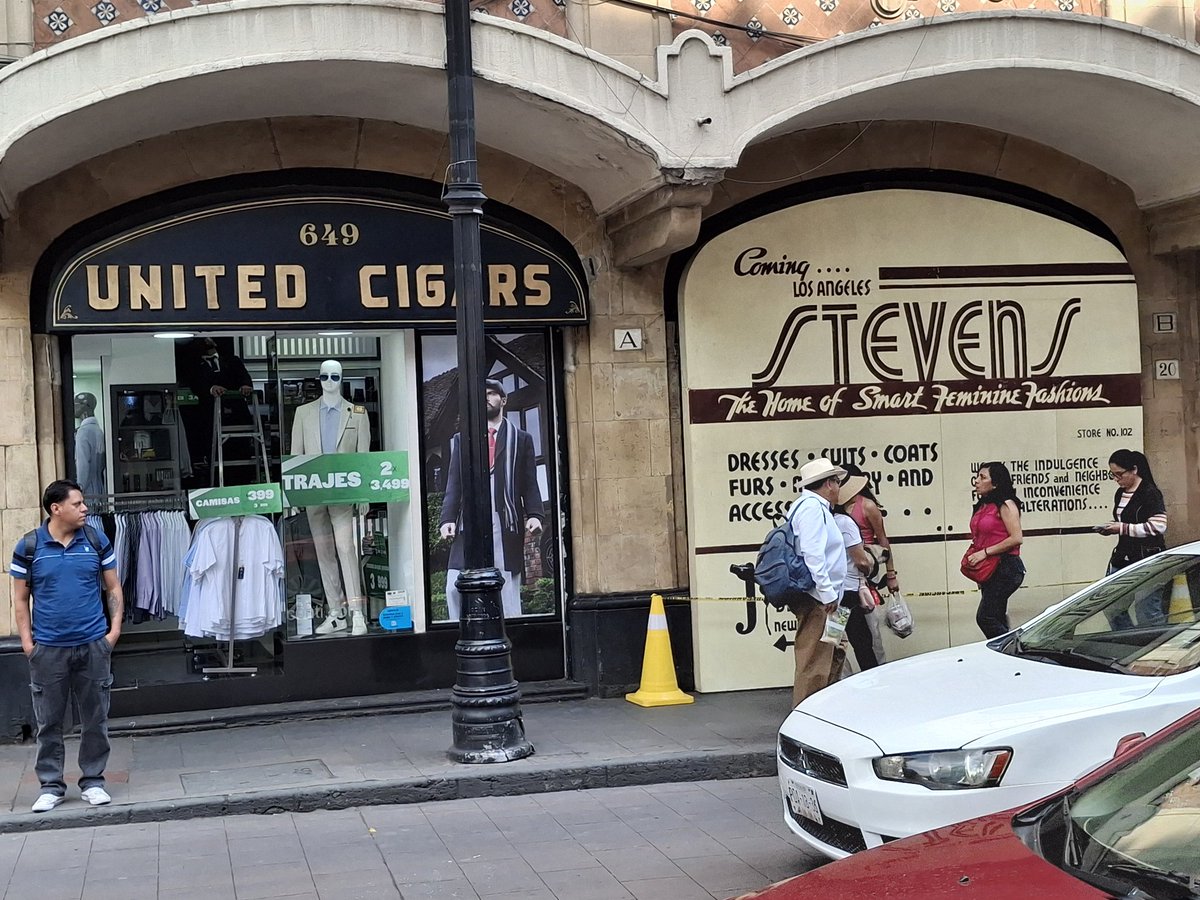
Para la película que está filmando Pedro Pascal en la CDMX, están transformando media cuadra del centro para que luzca como una zona comercial de los 40s/50s. Les está quedando cool.
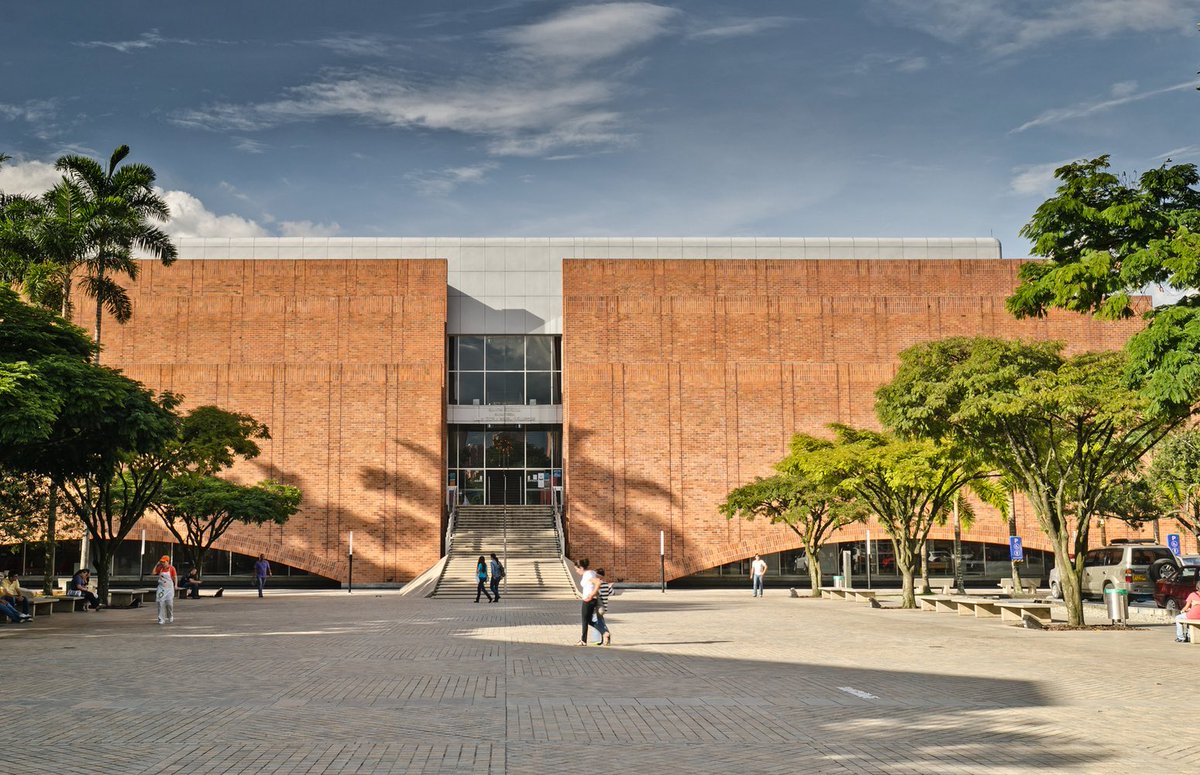
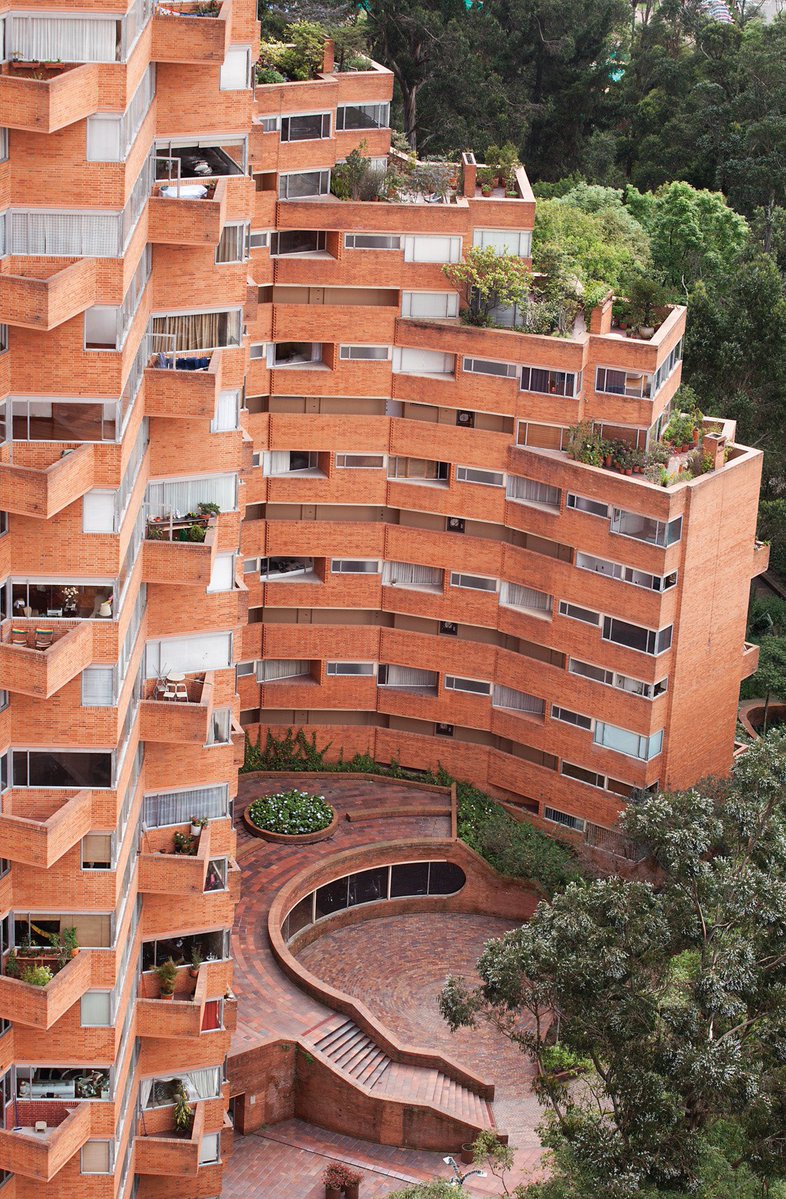
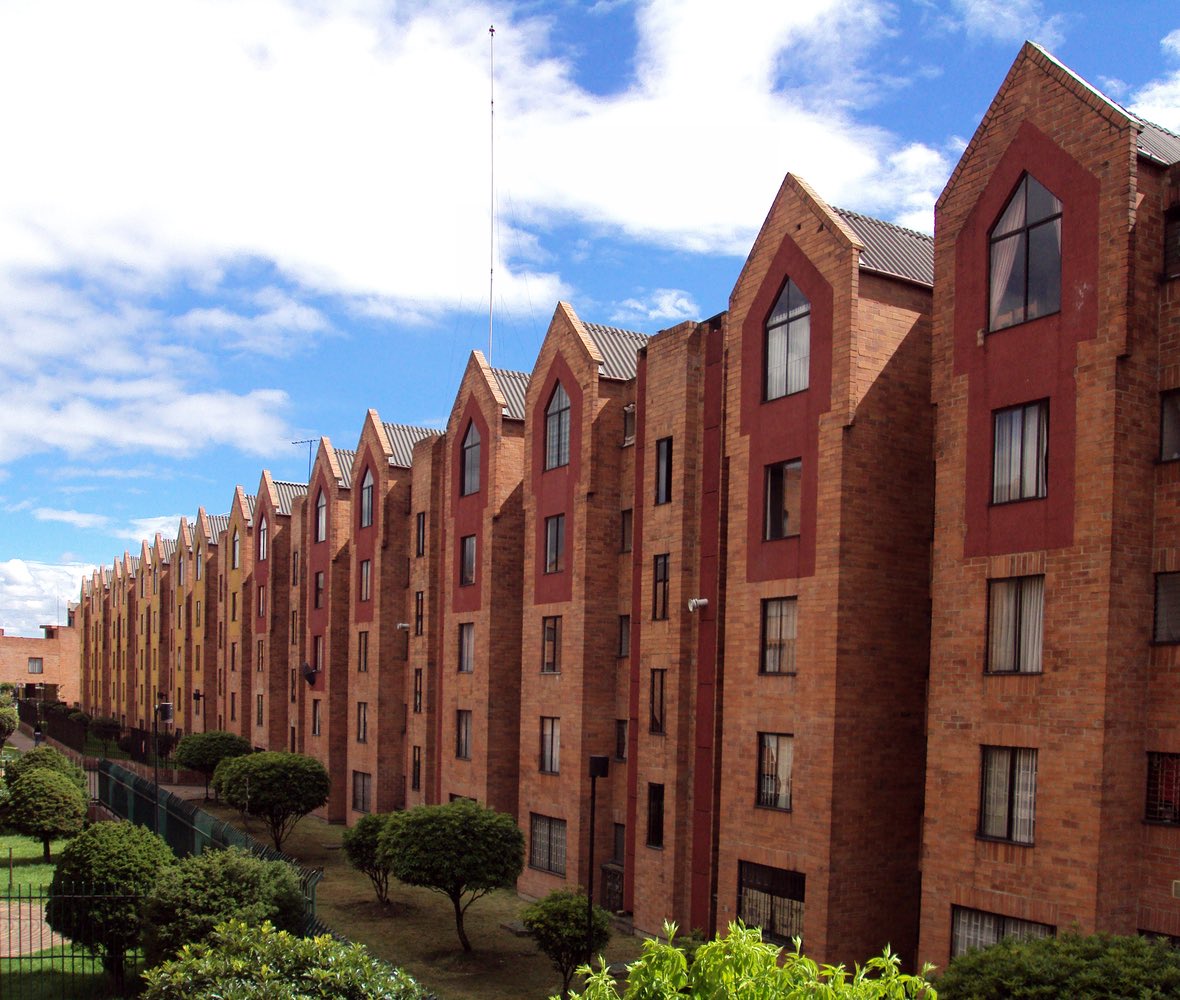
This is brick architecture in Columbia.
Colombia built universities, towers, housing blocks and music schools with it…
Our buildings will look this good too if we stop seeing brick as primitive.
Hola, me llamo Adolfo, soy un pequeño artista que vive en Zamora y hago ilustraciones como estas. Cuesta 0 euros hacer RT y la verdad es que me ayudaría mucho, gracias 🥺🥺🥺
No quiero daros envidia 😋, pero me gustaría compartir con vosotros una librería de segunda mano que tengo cerca de casa. El Siglo es mucho más que una librería📚: es teatro🎭, sala de conciertos🎶, sala de lectura📖, bar...🍷 En definitiva, un paraíso en la tierra 💙
El virus de la inmediatez nos comió la mitad del corazón y la mitad del cerebro. Con las mitades que quedan scrolleamos los días para que se acaben en chinga.
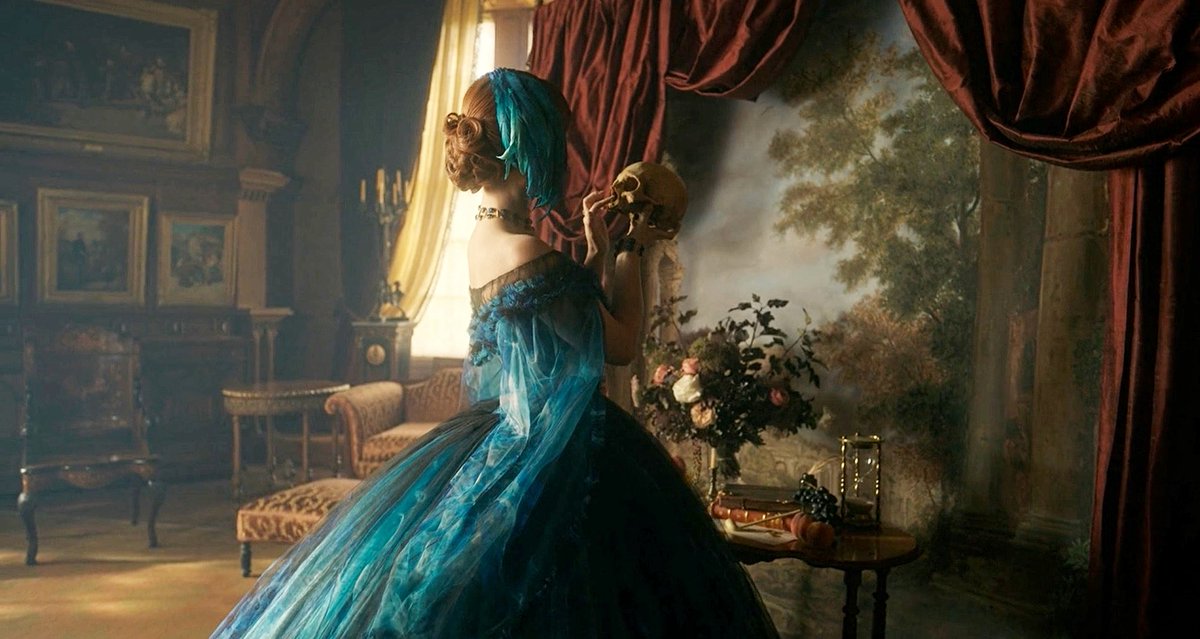
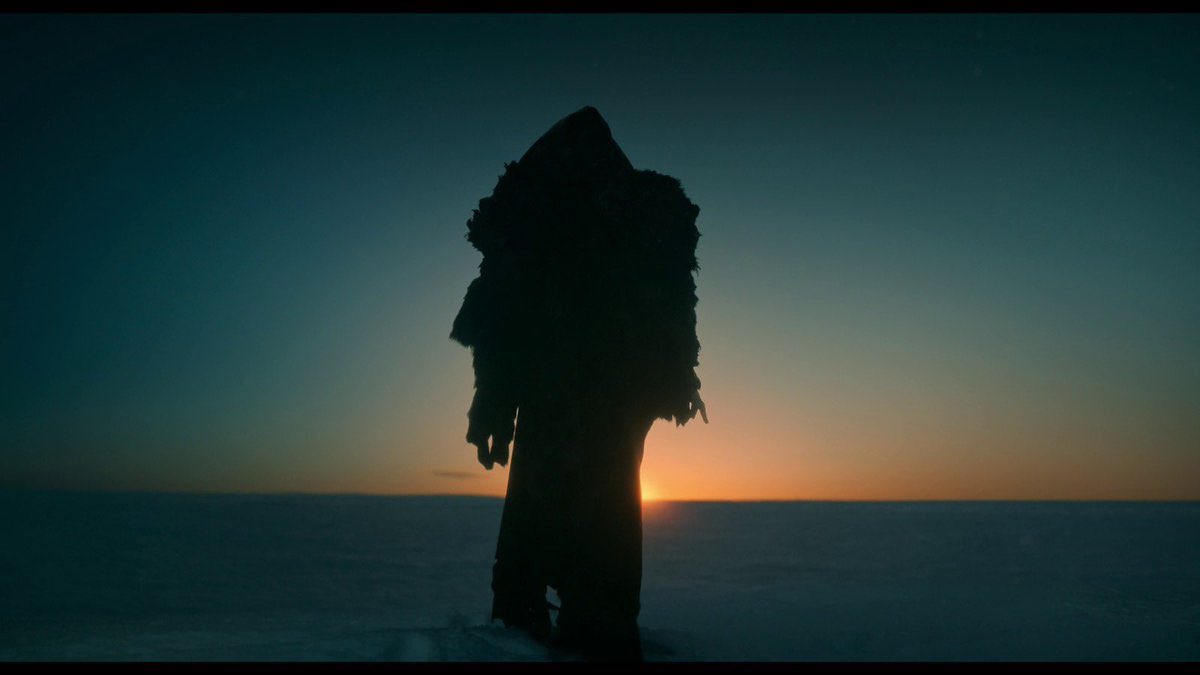
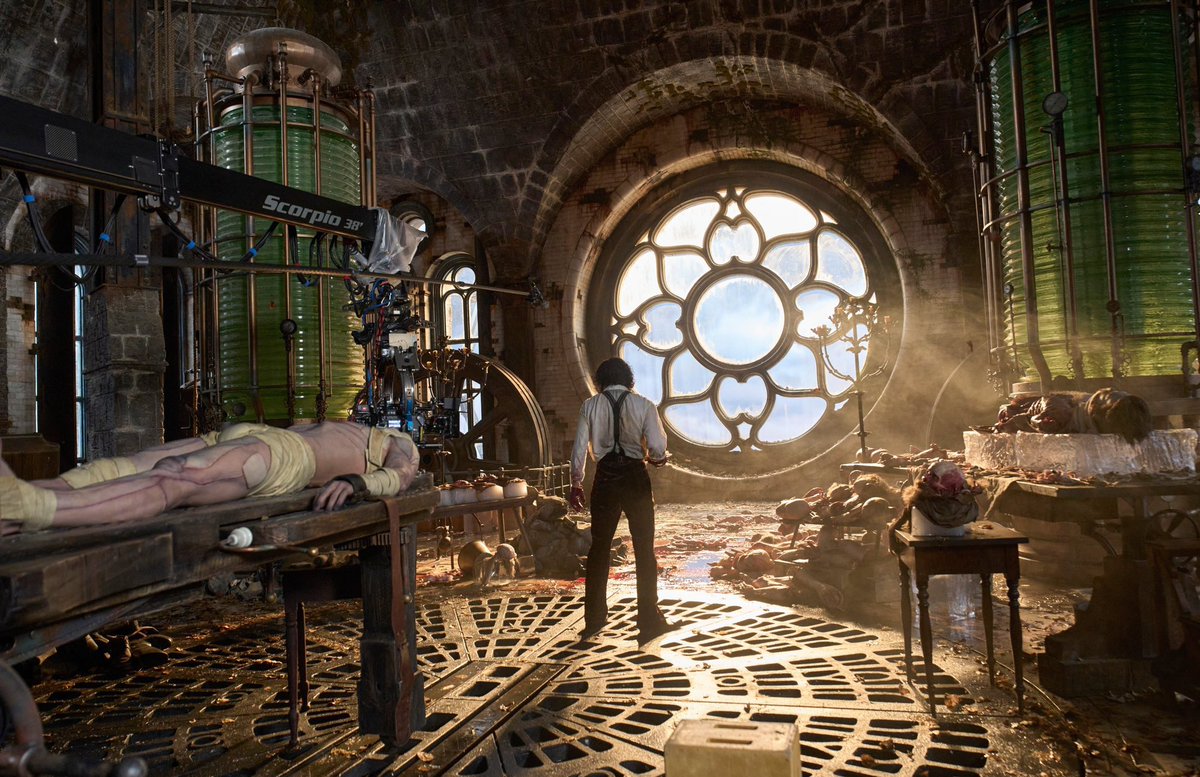
Decir que el “Frankenstein” de del Toro tiene estética de Netflix o telefilm, es no haber visto su obra de los últimos 20 años y tener poco aprecio por lo genuino.
Su cine luce así, tiene arte real, decorados reales, animatrónicos, vestuario, maquillaje, vida:
ARTE DE VERDAD