For some time now, tech elites have been dictating the terms of artistic “experimentation”: who speaks, how cultural knowledge circulates, and how heterogeneous audiences are positioned. Refuse the transmutation of technological instantaneity into epistemic indispensability
“That’s why writers have always hated critics—they think we’re trying to dictate something to them. We’re there to praise them—when they deserve it—and not to give them lessons of any kind.” —Fredric Jameson https://t.co/oxY6idWJis
One must acknowledge the force of images without ceding them sovereignty, resisting their destabilising pull before the boundary between image and psyche grows perilously porous
#ExperientialContinuum
Regarder, c’est toujours re-regarder, s’attarder dans les plis du visible et, ce faisant, découvrir des plis en nous-mêmes. C’est ce mouvement que le séminaire de Georges Didi-Huberman s’efforce de suivre: https://t.co/HiXcnHyiAv
Every artist who characterises themselves as post-Duchampian bears responsibility for reckoning with the ramifications of that innocuous designation. Duchamp was the messenger who, by historical contingency, did not get shot. A frail attempt to preempt consignment to posterity?
In classical painting, the eye’s movement is almost always foreordained; it presupposes order before seeing. Pollock, by contrast, begins in Bataille’s l’informe, where the gaze drifts freely and each path through the work implies an infinity of others, ever negating its own map
Much is left to be desired in this strain of indolent art historical scholarship, vacillating between dehistoricising formalism & contextualising historicism. It is time for an approach attuned to contingency, the flux of history, & the impermanent vitality of the object of study
Recently watched Wenders’ Alice in the Cities and was enthralled by Sibylle’s disembodied presence, gently threading through the IInd half of the film like vapor. The fragile memory of her voice, reminiscent of a career that never materialized, leans into questions like doorways
If it is effectively true that the historian’s epoch is one of anachronisms, then it would follow that her task is not to reconcile a world of unappeasable polarity, but rather to probe, with dialectical lucidity, the strangely sinuous passage between aberrations & sublimations
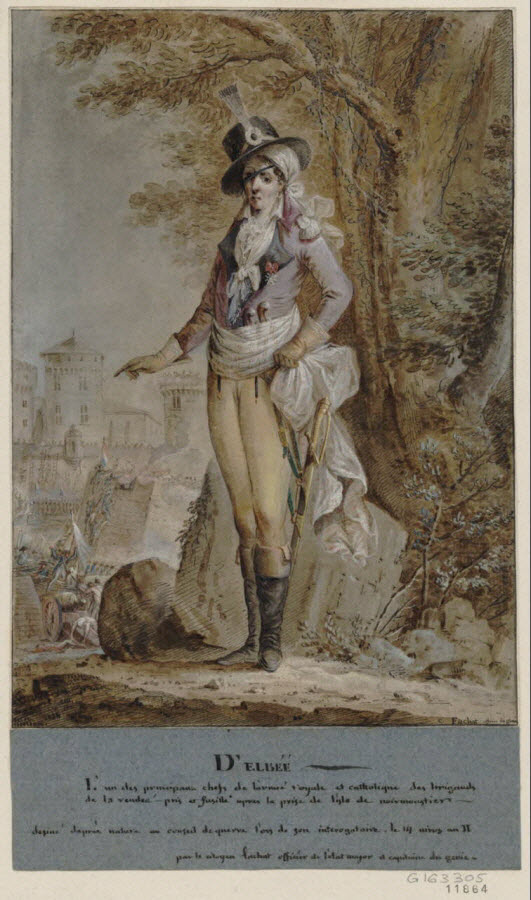
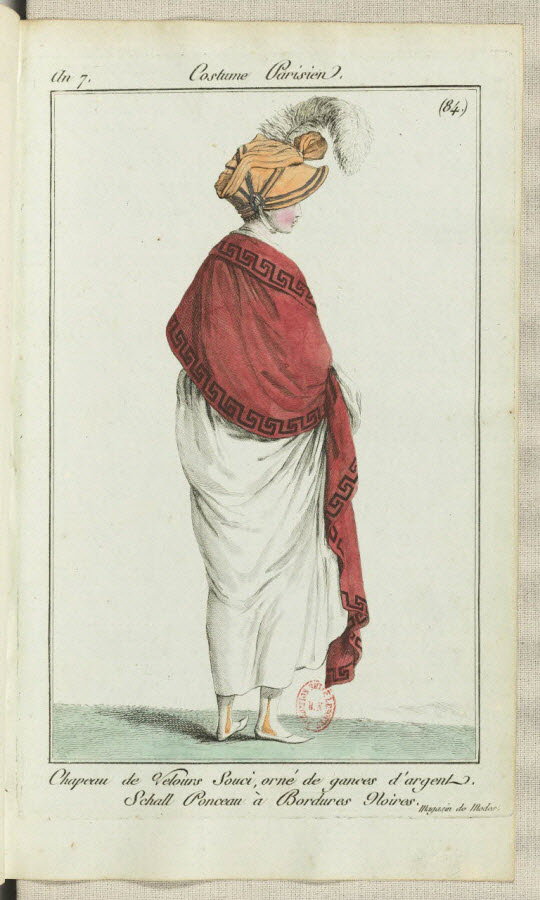
En ce 14 juillet, découvrez notre portfolio "S'habiller sous la Révolution". L’habillement sous la Révolution française va devenir un signe de changement et de rébellion : https://t.co/7HXyt9fWvS
How are the meanings of images assigned, conveyed and recognised?
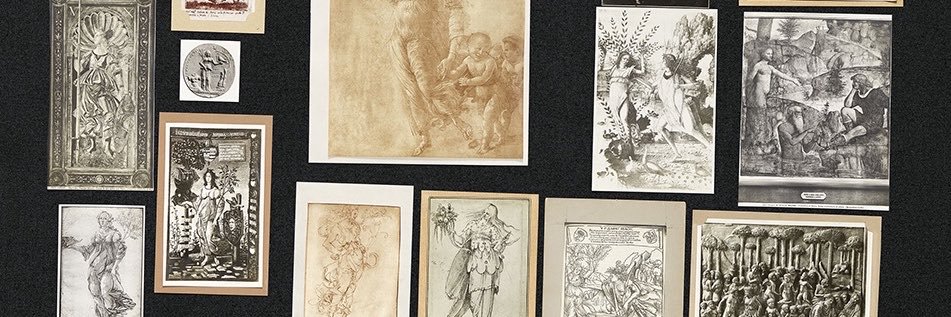
We are delighted to announce the publication of 'How Images Mean: Iconography and Meta-Iconography' by Paul Taylor, Curator of the Warburg Institute’s Photographic Collection
More info: https://t.co/V1OlbVHJ18
Excoriation and adulation, though rhetorically incommensurate, are interdependent forms of discourse that act as deus ex machina interventions in the subject’s relation to the Other. A frail attempt to restore coherence in the wake of the symbolic order’s collapse?
Netherclift’s vivid portrayal of lifeless, inert bodies in Vessel, her seminal collection of lyrical essays, has left me restless & bereft of speech. The weight of her imagery—cadaverous stillness set against the relentless motion of time—imbues the text with a haunting resonance
Many persist in the erroneous view that the creative act is one of creation ex nihilo rather than a process of transmutation. This reductive logic ignores intertextuality of artistic production & devalues the critical dialogue between historical precedents & contemporary practice
I am grieved by the coarsening and cheapening of the world. It is everywhere, in our language, in our clothing, in our cities, in our manners. Please resist it, at every turn, with the ancient warrior spirit of courtesy--living fully, graciously, and with strong heart.