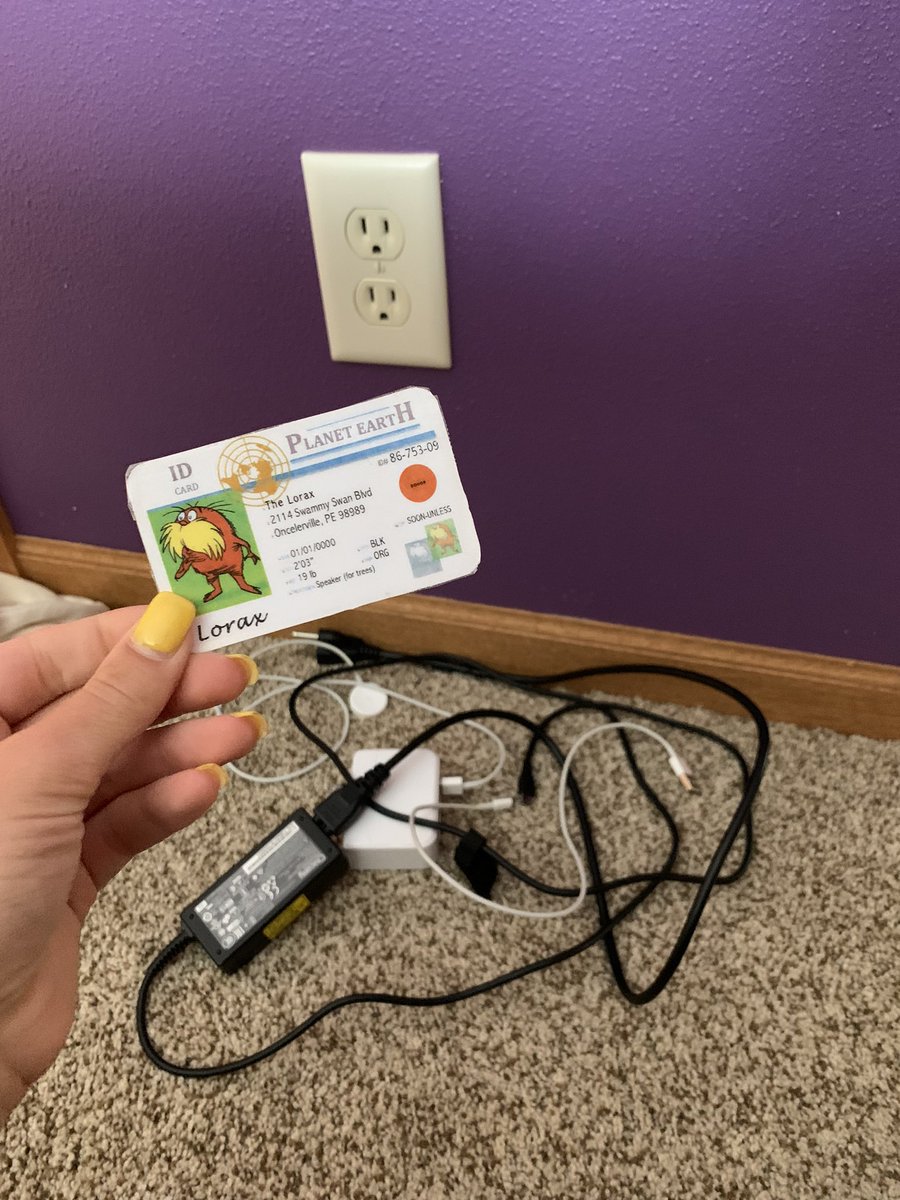
A microwave uses an average of 900 watts. If I used this microwave for one hour per day every day and the cost of electricity is 13.2 cents per kWh, it would cost me about $43.37 per year. @franklinlorax @apesenergy
When I’m not using all these chargers, I always make sure to unplug them. By unplugging chords, it can decrease energy bills and it also leads to less air pollutants from coal production. #apesenergy@franklinlorax
Our house uses a lot of natural lighting so that we don’t need to use as much power during the day to have light. This saves us money and decreases polluted CO2 used to burn coal for electricity. @franklinlorax#apesenergy
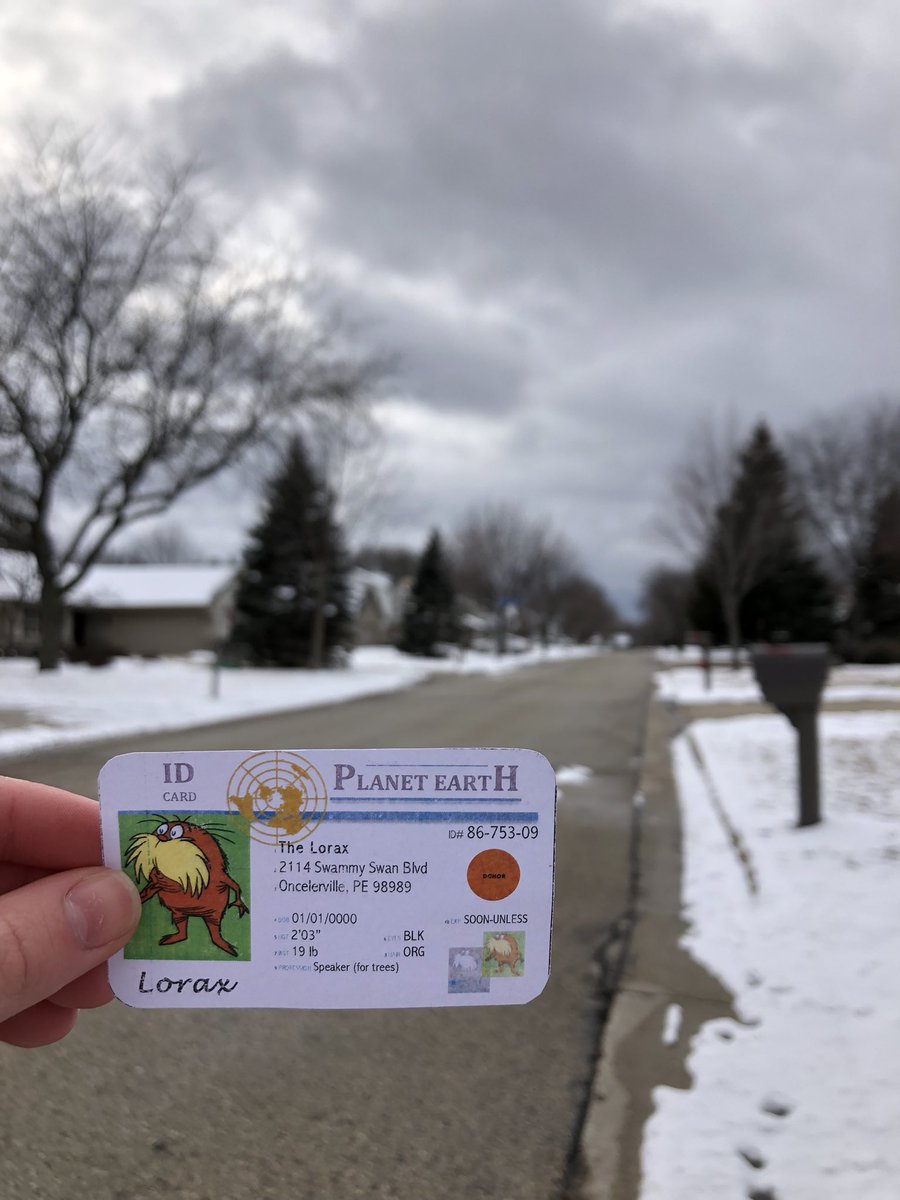
Many areas of Franklin have low density housing. This suburban housing is not sustainable because it uses a lot of land. A more sustainable option would be apartments or other forms of vertical housing. @franklinlorax#Apesland
This is an example of a residential zone by the area containing many houses. There are also many agricultural zones found through out Wisconsin meant for farming. #apesland@franklinlorax
these are definitely real wisteria flowers ;) to get their bright and healthy flowers the seeds need to be planted in soil that has good drainage and good levels of potassium, phosphorus, and nitrogen :00 #apesland@franklinlorax
In the summer I bike places rather than driving to help better my ecological footprint. I also carpool with friends to limit the amount of pollution I create. #apespop@franklinlorax
GMOs (genetically modified organisms) have dramatically increased the amount of people farmers can feed. However, some people avoid GMOs because long term health effects aren’t known. @franklinlorax#apespop
Although this is just a teddy bear, real bears are k-strategists, meaning that they only produce a small amount of offspring to take care and raise until they can be independent. This is different from r-strategists, who mass produce offspring at a time. #apeseco@franklinlorax
Many animal species are affected by global warming. One of these is geese, which are starting to migrate later in the year because of the rising temperatures in places such as Wisconsin. @franklinlorax#apeseco