Onze #DNS-engineers Stefan Ubbink, Jeroen Bulten en Niek Willems blikken terug op de geslaagde algoritme-rollover die ze uitvoerden voor .nl. Hierbij pasten we het #DNSSEC-algoritme waarmee de records in de .nl-zone worden ondertekend aan naar #ECDSA. https://t.co/44OiLTU2SC
Onlangs stapten we voor de #DNSSEC-beveiliging van .nl over naar een nieuw cryptografisch algoritme, dat moderner en efficiënter is. @moritzcm_, van @sidnlabs, onderzocht de, deels verrassende, effecten die de rollover op ons netwerkverkeer had. https://t.co/o7rrVNeqiA
Door malafide .nl-registraties automatisch te identificeren en te stoppen, kunnen we de veiligheid van .nl verbeteren. Daarom introduceert @sidnlabs#RegCheck: een systeem dat interpreteerbare risicoscores toekent aan nieuwe domeinnaamregistraties. https://t.co/YLFgZSqHra
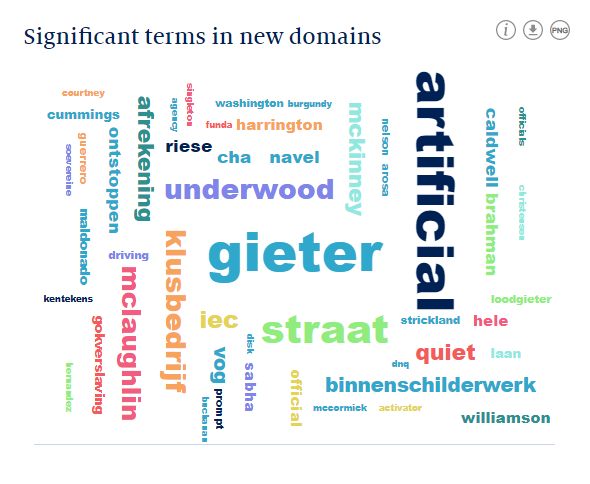
.nl rides the #AI hype train: significantly more newly registered .nl domain names contained the term “artificial” in the last month. Would #ChatGPT have registered them automatically? @sidnlabs
https://t.co/zj3bI5lTRJ
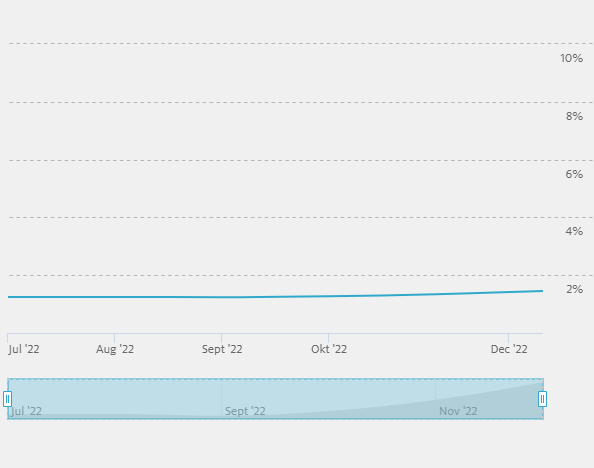
Security.txt is a new @ietf standard, providing contact details for reporting vulnerabilities or data leaks. #Securitytxt is currently only used by 1,5% of .nl websites containing content. We expect the deployment to increase quickly. @sidnlabs
https://t.co/Xa6w1EA9q2
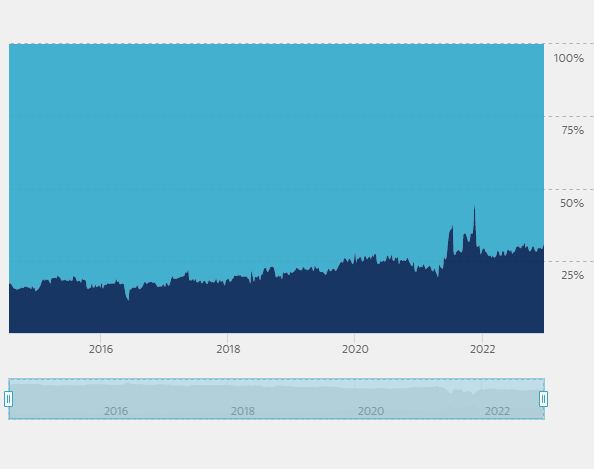
Room for improvement: Around 30% of recursive resolvers reach us via modern #IPv6. This number has doubled since 2014. https://t.co/E7kdSCZbz2 @sidnlabs
Op onze fonkelnieuwe versie van stats.sidnlabs(.)nl vind je maar liefst 50 grafieken die veel vertellen over het gebruik van .nl. In deze blog lees je wat we aan de site hebben veranderd en hoe we je helpen het dashboard regelmatig te bekijken. https://t.co/srlWRG5UW8
In opdracht van @ICANN voerden @sidnlabs en @NLnetLabs een #DNSSEC Deployment Metrics-studie uit. Hierin vatten ze samen hoe de #DNS-gemeenschap de implementatie en deployment van DNSSEC meet en geven ze aanbevelingen hoe dat in de toekomst nog beter kan. https://t.co/ByC82WOYT6
Where can ethical hackers report vulnerabilities at your organization? Publish a security.txt file and test it with Internet․nl.
Check the new @securitytxt test: https://t.co/wdKI2obMvq
@DTC_NL@AlertOnline#cybersecuritymonth
.@fragdenstaat
has published the list of domain names and urls of Russian media outlets that ISPs in Germany (may) block. More than 20 domain names are affected. 2 have been removed from the list again https://t.co/vVnguosrHq
It was a pleasure to spend three months as a guest researcher at @stiftelsen in Stockholm. I've written a blog post about my experience https://t.co/3RPlSN5UmX
Dit jaar werkte @moritzcm_ 3 maanden vanuit @sidnlabs als gastonderzoeker bij de registry van het Zweedse .se-domein, @Stiftelsen. In een blog deelt Moritz de inzichten die hij in dit traject opdeed en geef hij tips die hem hielpen het te organiseren. https://t.co/WctQtX2Gyw
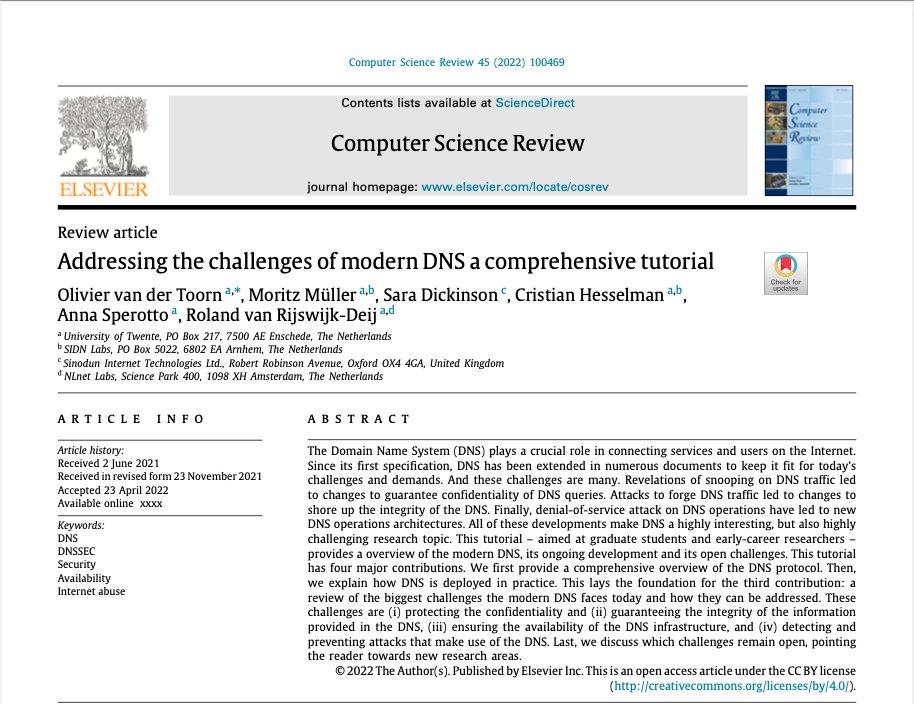
We've wrote a tutorial paper aimed at graduate students and early-career researchers about DNS!
Our goal was to explain how DNS is being deployed *today* and discuss its open challenges.
Two of our (former) PhD candidates (Olivier and Moritz) compiled an impressive tutorial on the challenges of modern DNS. With contributions by @SinodunCom, @hesselma, @asperott and @reseauxsansfil
Out now, and available as open access to everyone!
https://t.co/gT37NtyRXR