Gender and Social Organization in Eurasian Paleolithic Populations: A New Perspective through the Application of 3D Morphometrics to Female sculptures.
Last week, we attended the course on Geometric Morphometrics for Archaeologists given by @ICArEHB , @UAlg 💻💻. Applying these advanced tools is key to consolidating the methodological foundations of our research project. Exciting new challenges ahead! 🚀🏛️ #Archaeology
Backed by detailed micro-analysis, this discovery offers fresh insights into Paleolithic artistic techniques and symbolic expression. 🏺🔬 #Archaeology#PaleolithicArt#Prehistory
https://t.co/d2kCxeIuWT
What do we actually see when we look at the female statuette from Amiens-Renancourt 1 (27,000 BP)? ✨
The study reveals an exceptional chalk figurine featuring a clearly defined face with sculpted cheekbones, nose, and an upward gaze, breaking standard Gravettian conventions.
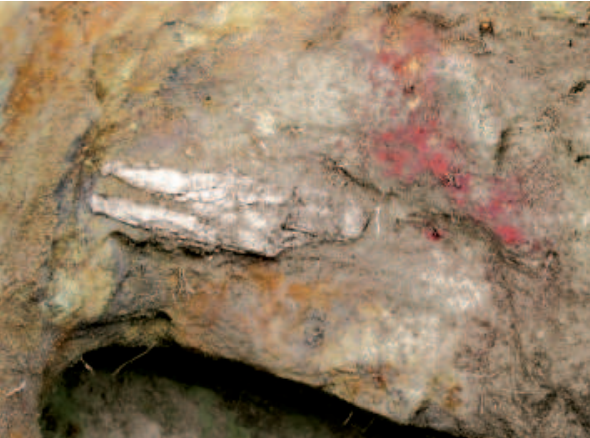
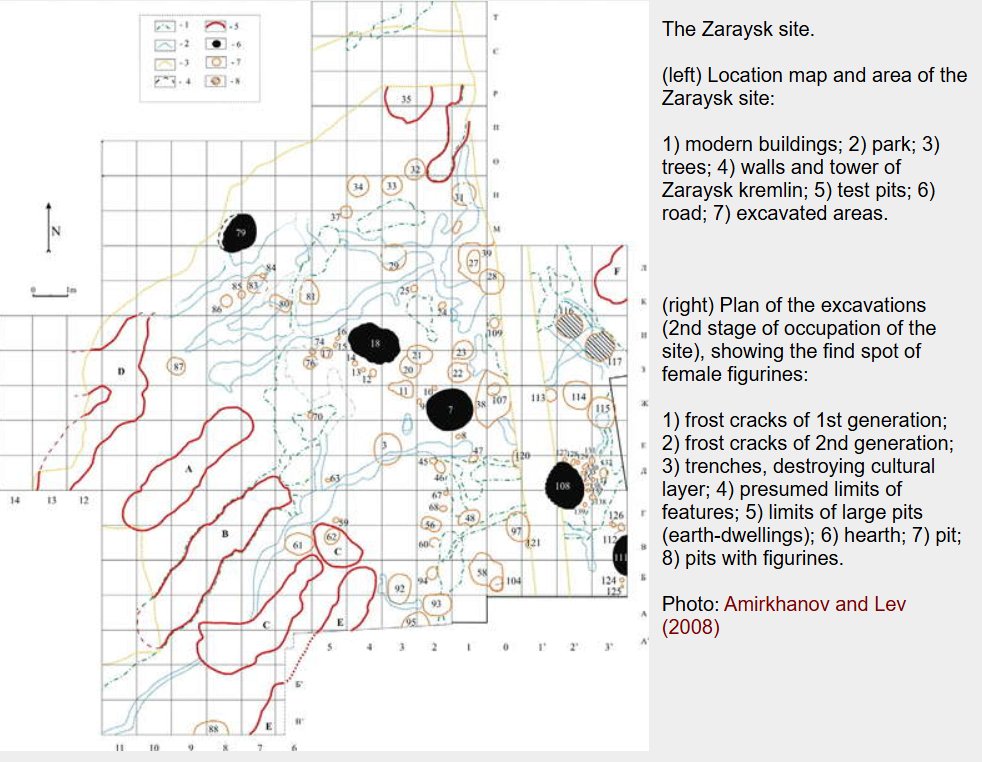
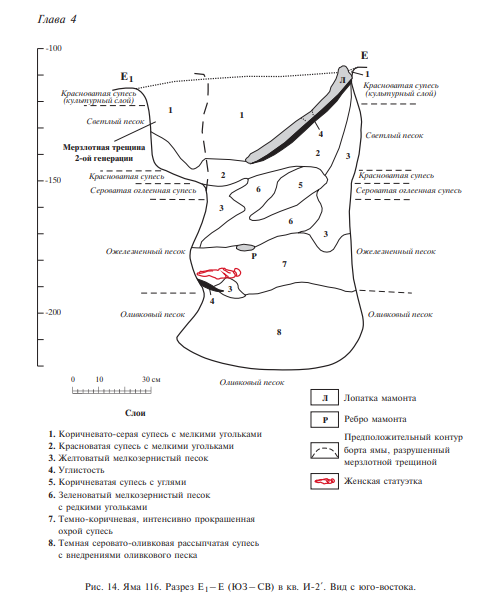
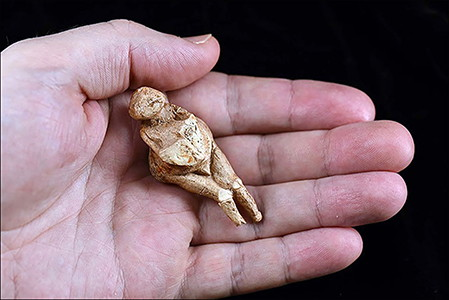
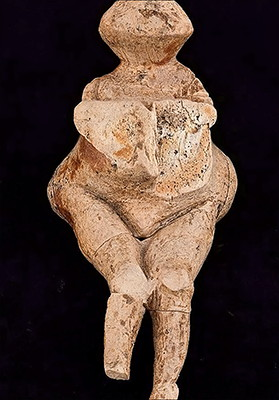
Inside storage pit 116 of Zaraysk site, a stunning female figurine made of mammoth ivory was found at a depth of 186 cm. A true masterpiece of Paleolithic art, originally covered and protected by a mammoth scapula!
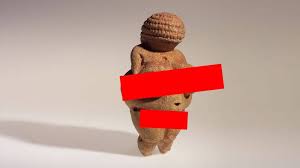
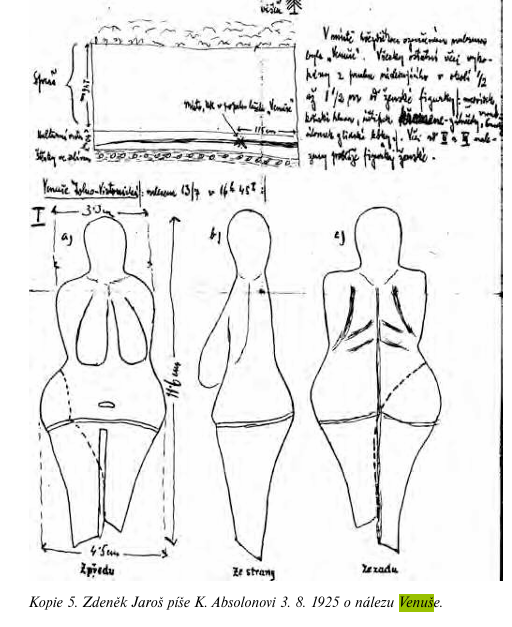
Annotated map of one of the sites at Dolní Věstonice, with the red arrow showing the place where the Dolní Věstonice Venus was found by Dr Karel Absolon in 1925.
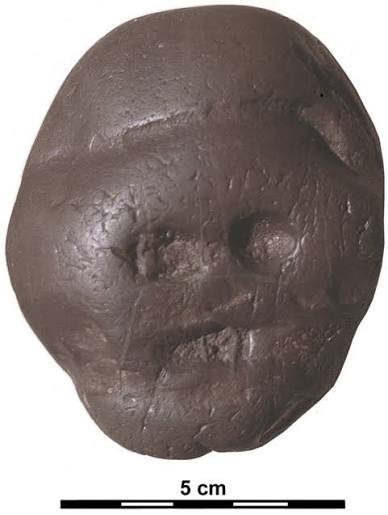
Did you know that 3 million years ago, an Australopithecus could have carried a red jasper pebble into the Makapansgat Cave in South Africa just because it looked like a human face?
It might be the oldest known example of "found art" and early symbolic thought!
Los niños como agentes liminales en el arte rupestre del Paleolítico Superior
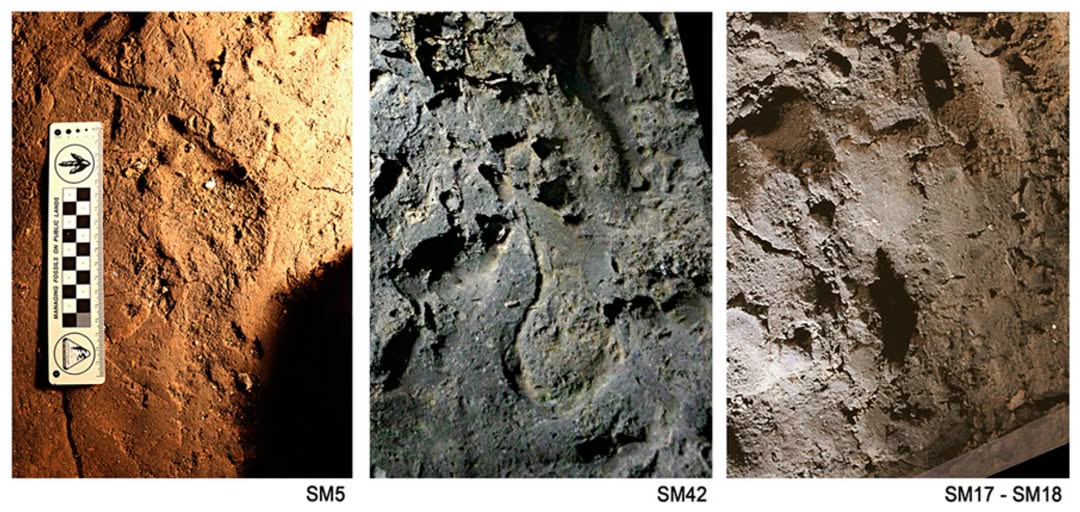
En las profundidades oscuras de las cuevas decoradas del Paleolítico Superior en Europa, evidencias arqueológicas como huellas, marcas manuales y trazados digitales confirman la presencia activa de
Fotografía de una representación zoomorfa trabajada sobre marfil del entorno de las curvas de Hohle Fels (Alemania). Temática: Oso o León de las cavernas. Técnica: Tallado/esculpido. Contexto cultural: Auriñaciense. Cronología: 35.000-40.000 años. En el verano de 2023 se ha
How have the media and popular culture portrayed Upper Paleolithic "Venus" figurines over time? 🗿📺
A fascinating look at how science, cultural biases, and mass media shape our views of these iconic prehistoric figures: 👇
https://t.co/f5NXp8RcQq
@NowellApril
Did you know? According to recent paleodemographic studies by Andreas Maier (2017), the population of Central and Western Europe during the early and middle Gravettian was estimated at only 1,700–3,700 individuals (median 2,800), with SW France hosting the largest group.
This head is not a fragment of a female statuette representing an entire body; rather, it corresponds to an intact work. In fact, there are burin marks on the fracture surface at the base of the neck (White, 2006).