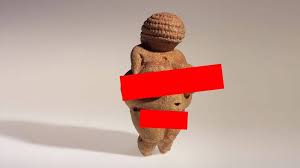
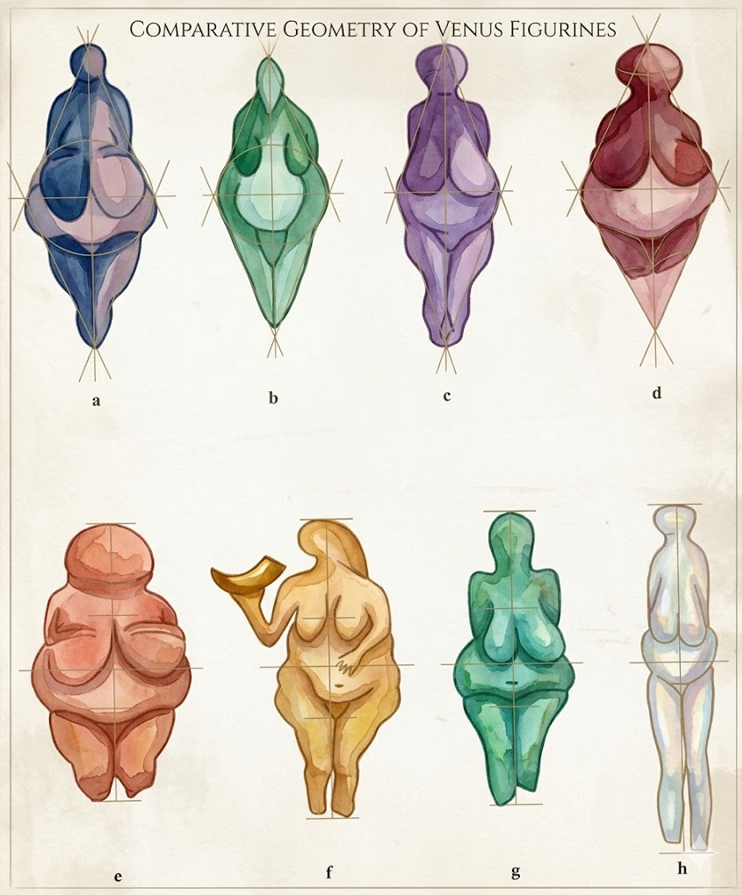
Gender and Social Organization in Eurasian Paleolithic Populations: A New Perspective through the Application of 3D Morphometrics to Female sculptures.
This past week we enjoyed the 30th Congress Prehistoric de France in Clermon Ferrand.
There we could show everyone the first results of the project 💜🔬.
Thought to be a Palaeolithic oil lamp, some of our most-read research from last year concluded this stone artefact was likely in fact a 13,000-year-old paint pallet, as it contains Europe's oldest instance of blue mineral pigment! #ThrowbackThursday
🆓 https://t.co/Nwi4r3aZTB
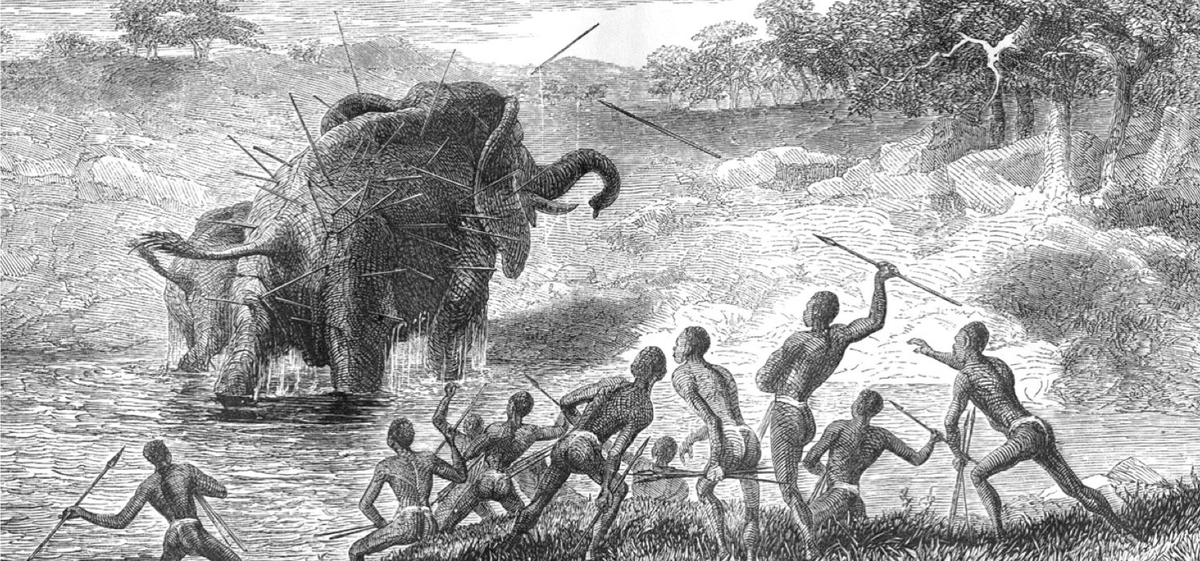
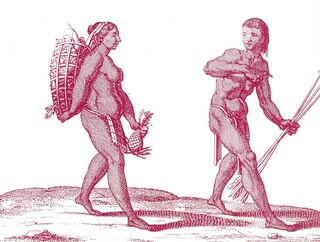
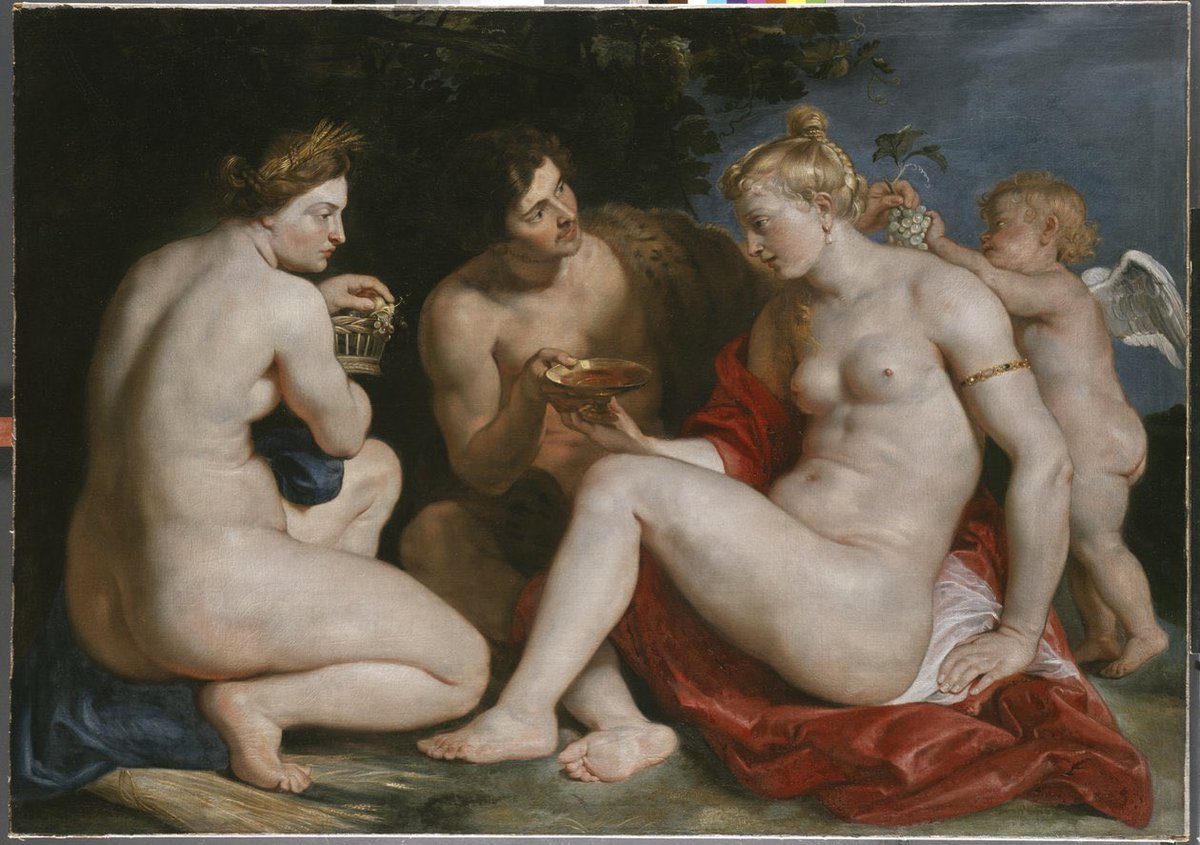
This conception rests on two basic ideas: the division of labor according to sex and the belief that the tasks performed by women were of lesser importance.
Men became the protagonists in the narratives of European prehistory, fulfilling what were considered the “primary functions” of human subsistence—chiefly toolmaking and hunting.
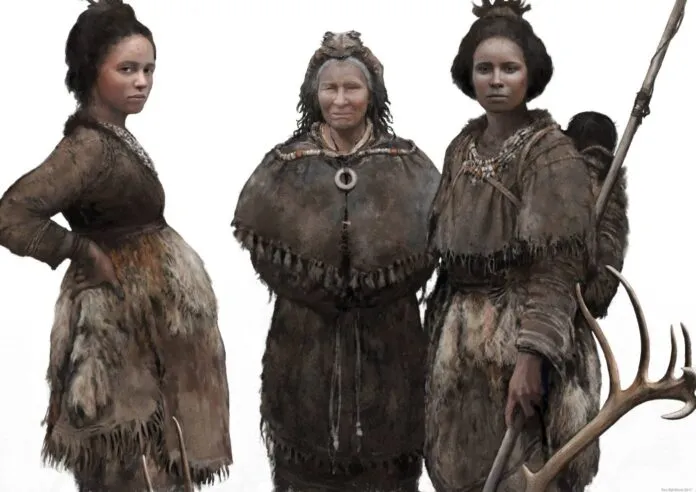
By contrast, the role assigned to women was linked to gathering, reproduction, and child-rearing, along with other activities regarded as “secondary. (Photo by Tom Björklund).
En el Paleolítico usaban conchas o pelvis de ciervo como recipientes de pintura🎨
Al analizar los restos de colorantes de estas piezas hemos descubierto que mezclaban los pigmentos con arcillas o cuarzos molidos, e incluso podían calentarlos para variar su color.
#PintarAltamira
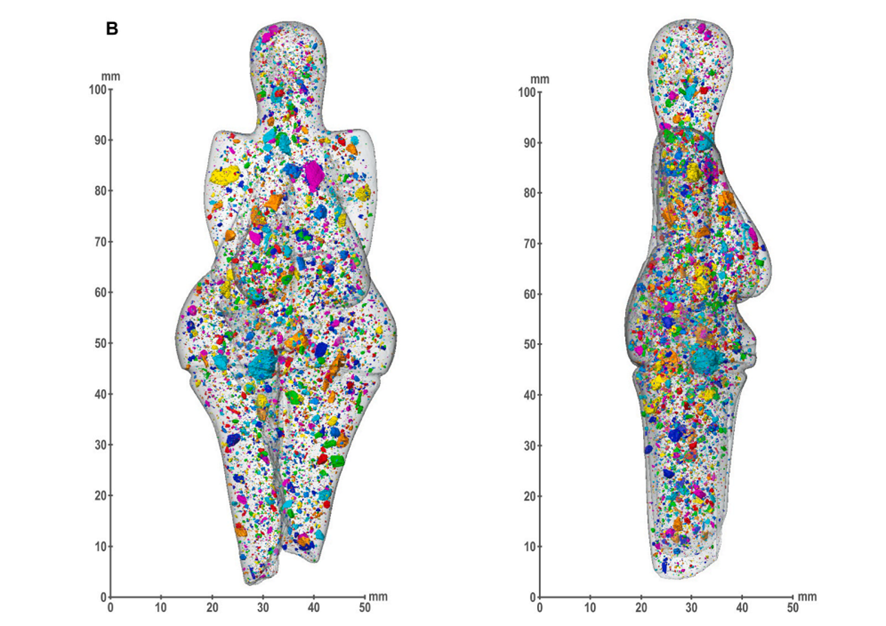
The use of CT technology is crucial for the analysis of many prehistoric artefacts, especially pieces of art. Considering their uniqueness and the high level of protection they are subjected to, any use of destructive techniques such as thin sections is impossible.
On the other hand, the analysis provided interesting results regarding the modeling technique of the statuette, suggesting that the most likely procedure was a non-additive technique.