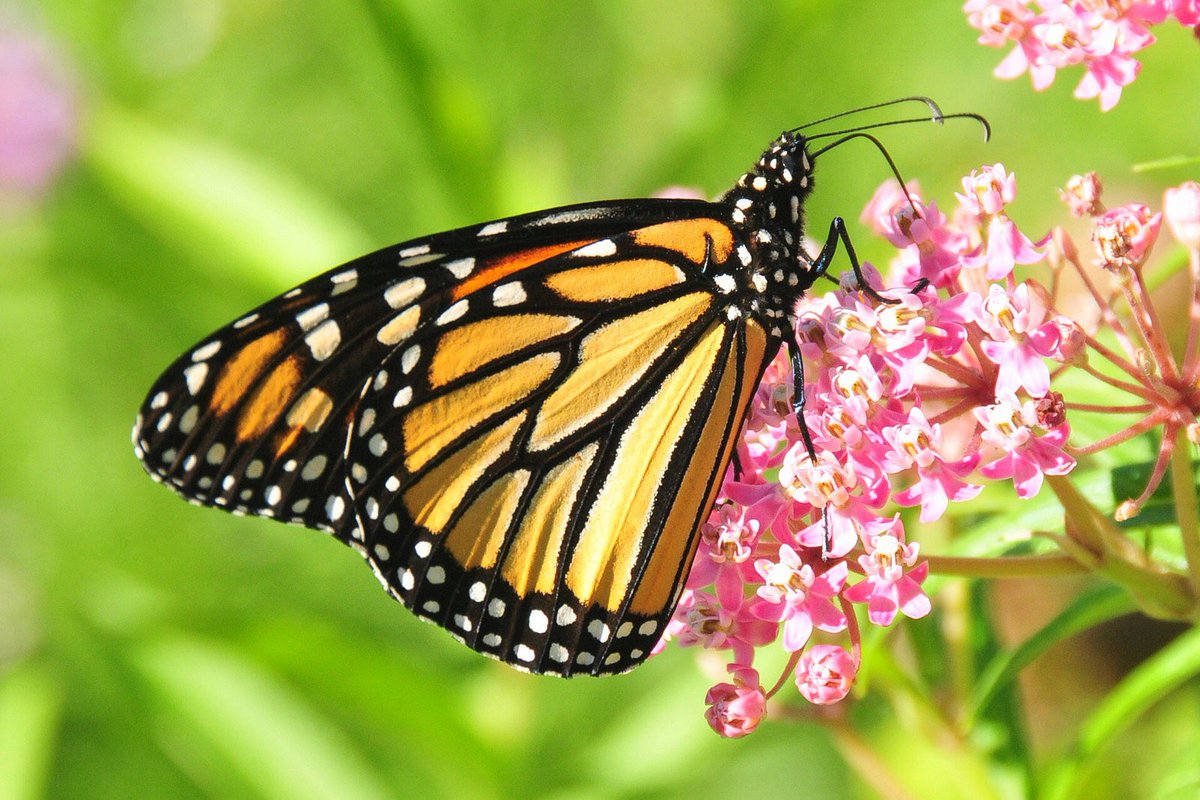
Another interesting fact! Monarch Butterflies Store a poison called “Cardiac Glycosides” that is only most of the time harmful to vertebrate predators. This poison is digested when they feed on leaves of the milkweed foliage in their larva stage. Wow!😮 #MortonPride@bio_otoole
Interesting fact! Did you know that Butterflies protect themselves from predators by using camouflage??😱They are almost impossible to spot when resting on a branch, wow! #MortonPride@bio_otoole
Did you know that Butterflies have two different types of eyes, single and compound?? Monarch Butterflies are unable to focus on an individual object. #MortonPride@bio_otoole
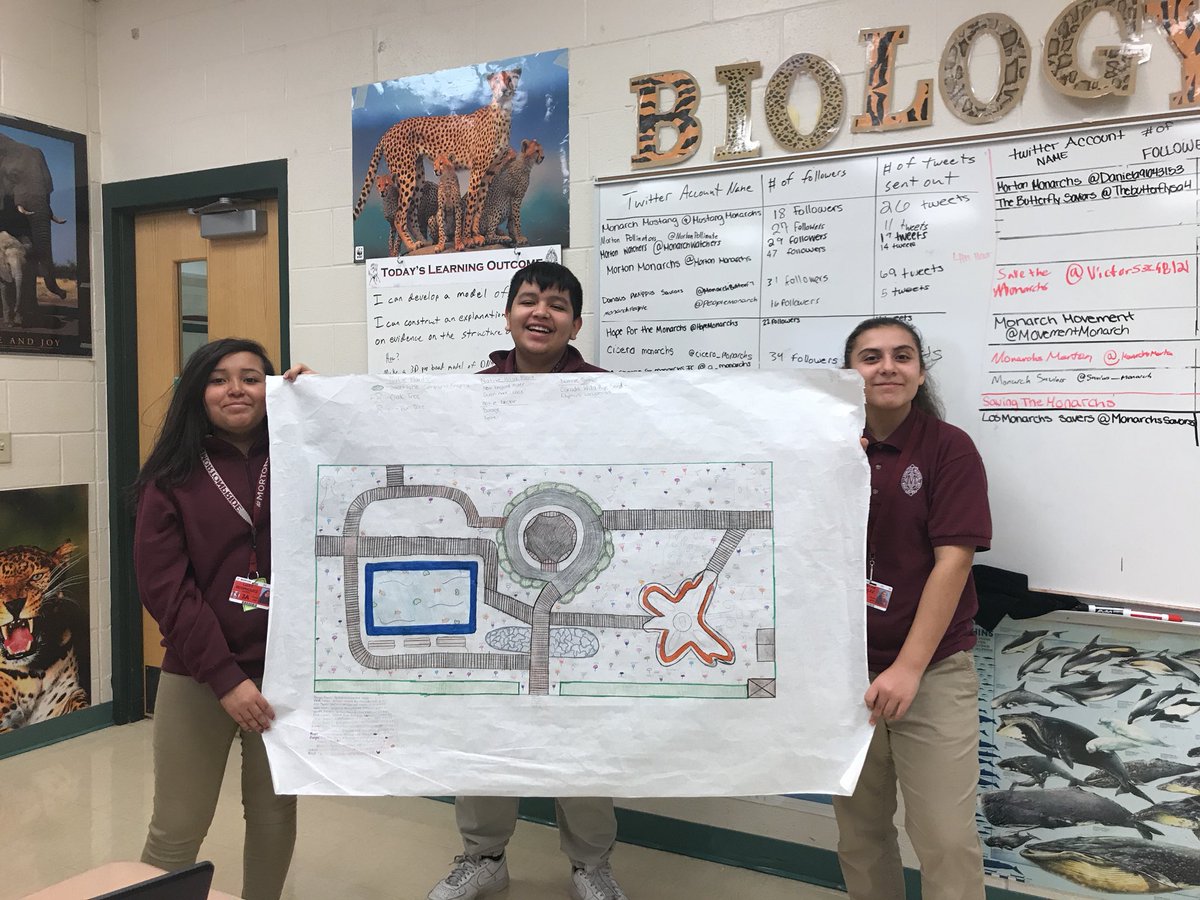
Our whole group did an amazing job on our design!! We are extremely excited for the next step of the construction of the garden!!! #MortonPride@bio_otoole
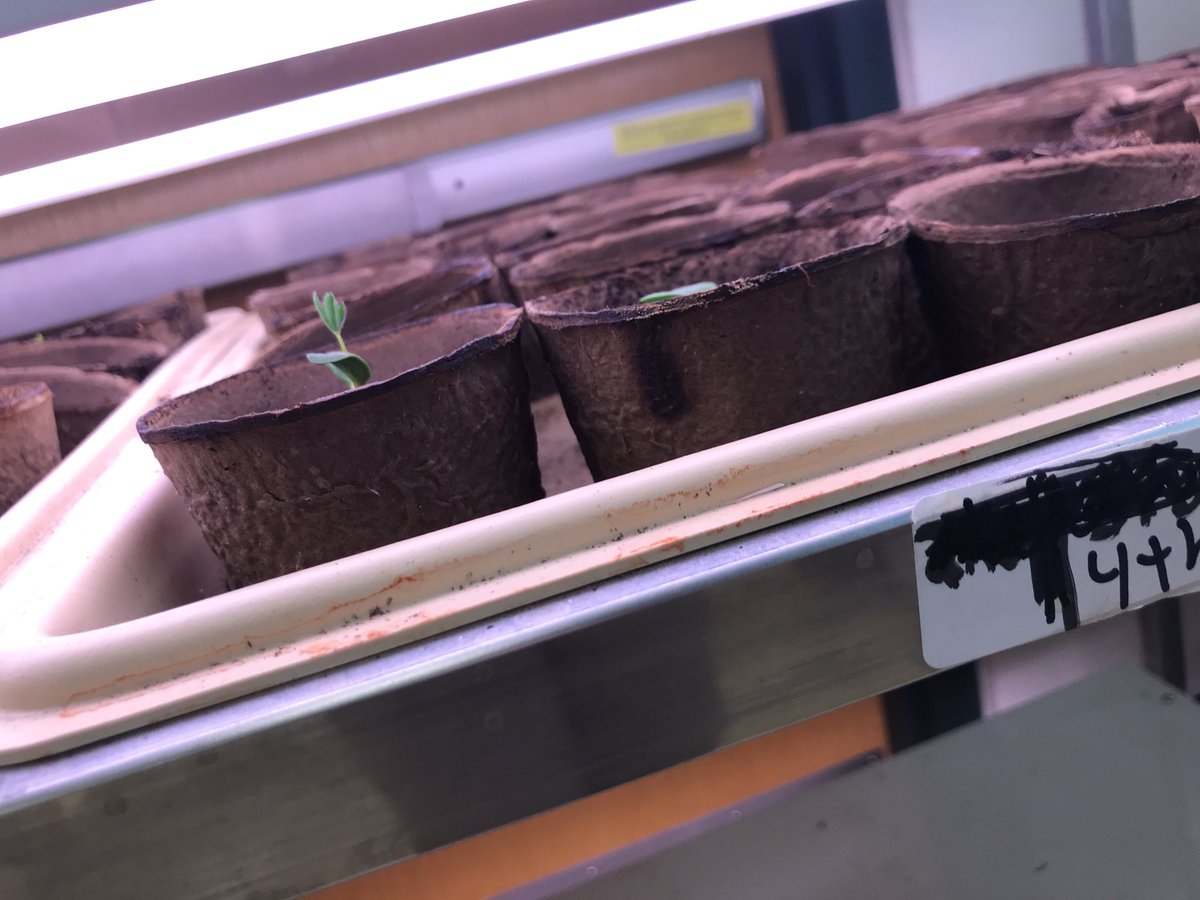
Plant of the day #4: Baptisia Australia Blue Wild Indigo!!! They can provide an early deep blue flare in spring in native planting’s where it’s bushy structure adds to the summer bloomers! #MortonPride@bio_otoole
Did you know that since Monarch Butterflies wings are thin, they tend to be really strong! Butterflies can be missing half their wing but still fly!! #MortonPride@bio_otoole
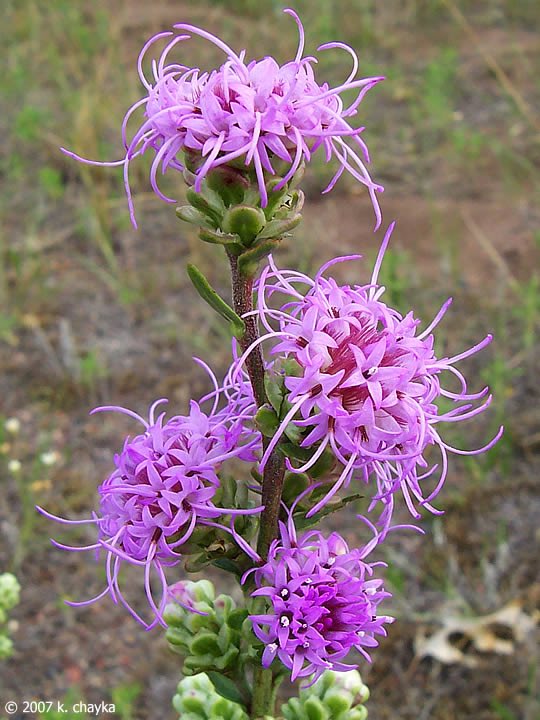
Plant of the day #3: Liatris Aspera Button Blazing Star!!!! Butterflies, hummingbirds, and bees are attracted to the flower. It grows 2 to 3 feet tall. #MortonPride@bio_otoole
Did you know that Monarch Butterflies live in North, Central, and South America as well as Australia, some Pacific Islands, India, and Western Europe?!!! #MortonPride@bio_otoole
Plant of the day #2: Fragaria Virginiana Wild Strawberry! This plant is found in patches in fields and dry openings which produces the finest wild strawberry! #MortonPride@bio_otoole
Plant of the day #1: Anise Hyssop! The leaves and lavender-blue flowers smell and taste like anise, but it’s square stems and opposite leaves tell you that they are an entire different flower! #MortonPride@bio_otoole