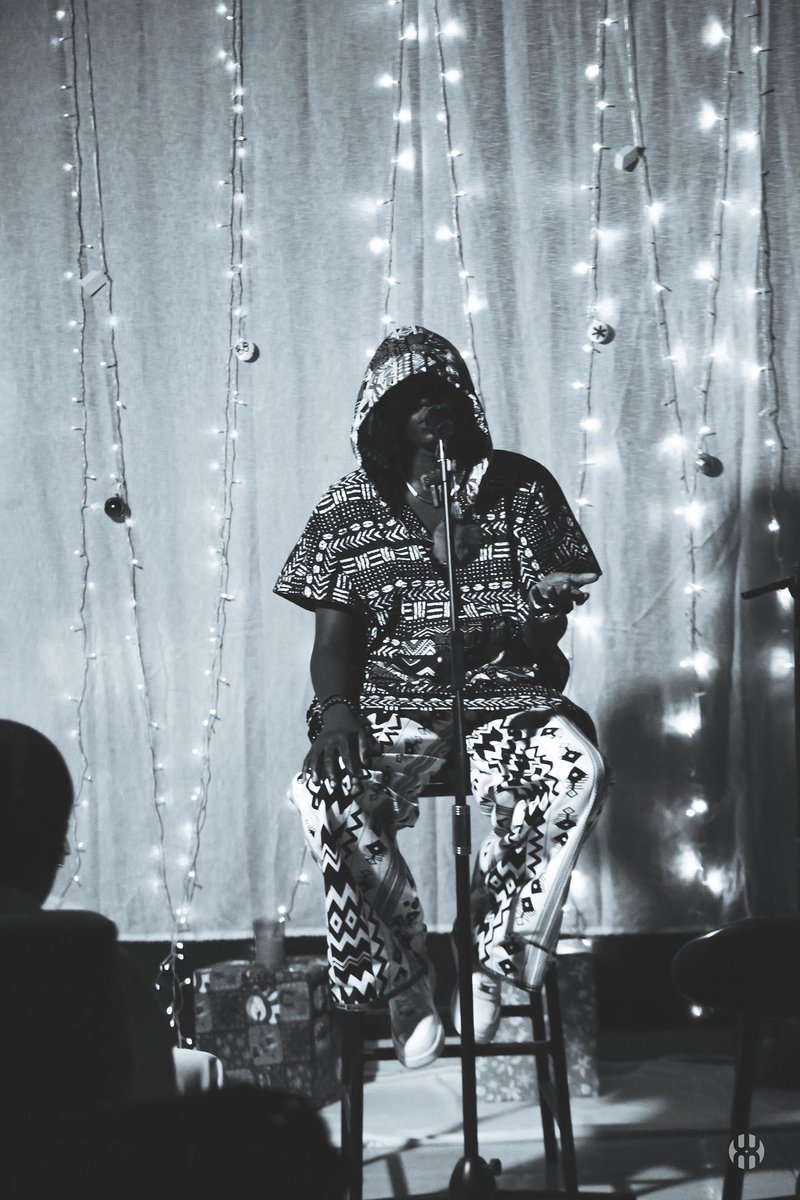
Thank you all for attending “Men From The East. Your presence made the words come alive.
As we look ahead, we invite you to join us at future events —because art is not just performance, it is connection, memory, and the pulse of community.
Merry Christmas and a joyful New Year!
How Do People Become a Nation? A Case Study of South Sudan
In the words of Gellner (1964), “Nationalism invents nations where they do not exist.” The communities of South Sudan have long existed in a state of peoplehood with little shared sense of nationhood. In the Nilotic way of life, loyalty traditionally flows from the family unit to the clan and tribe, with the nation occupying the lowest rung of affiliation. This feature continues to prevail in independent South Sudan, even fifteen years after independence.
The liberation movements - Anya Anya (1955-1972) and later the SPLM/A (1983-2005) - offered a moment of reprieve, as Southerners sought to move from peoplehood to nationhood through a shared struggle. That struggle eventually earned us our flag, a powerful symbol of nationalism. Yet, the collective gains of the liberation era proved difficult to sustain. Our common history of struggle gradually shifted from a unifying narrative of nationhood to one centered on tribal identities, with Nuer, Dinka, and Equatorian communities each claiming credit for the milestone of independence.
For example, Elder Lewis Anei Madut Kuendit, during the launch of his book on Dinka history and lecture on the cultural laws of the Dinka people at Victoria University (Melbourne) on February 1, 2016, remarked: “Dinka cultural strength was able to establish an army (SPLA) and a sovereign nation that forestalled Islamic and Arabic expansionism in Africa.” While this statement may hold some truth, it reflects tribal pride rather than the spirit of nationhood (flowing from older generations to younger generations). Unfortunately, elder Lewis is not alone in this approach; many Nuer and Equatorian scholars also write from the perspective of tribal affiliation, further fragmenting the national narrative.
Nation-building, however, requires deliberate actions that transcend cultural divisions. It demands thoughtful leadership, equitable allocation of national resources, the promotion of common languages, and investments in security, education, and economic development. Most importantly, it requires (the leadership) giving people reasons to interact and connect across tribal lines - through trade, intermarriage, and shared relationships. Equally, it means providing citizens with something worth protecting: their livelihoods, welfare, and dignity. Without this, violence and fragmentation, so central to our history, will continue to undermine the dream of a united South Sudan.
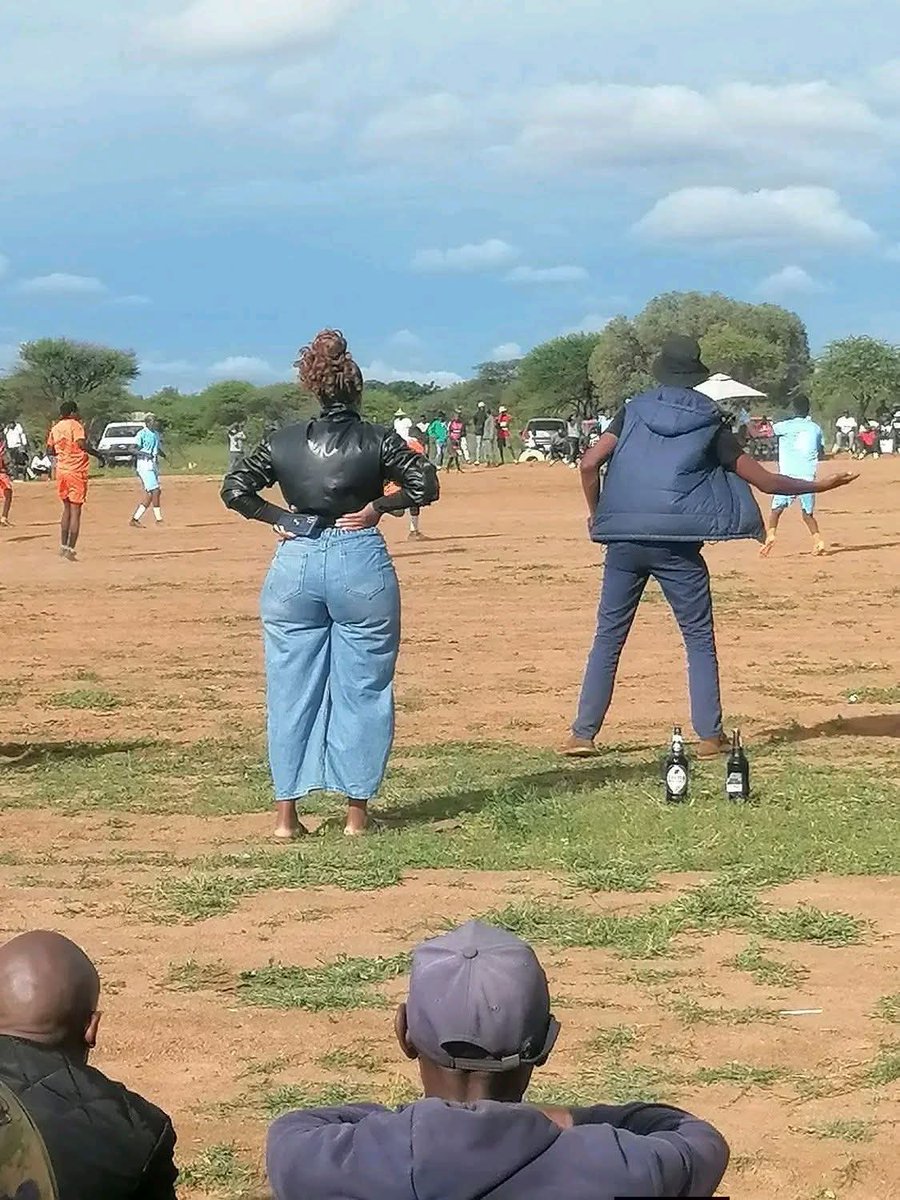
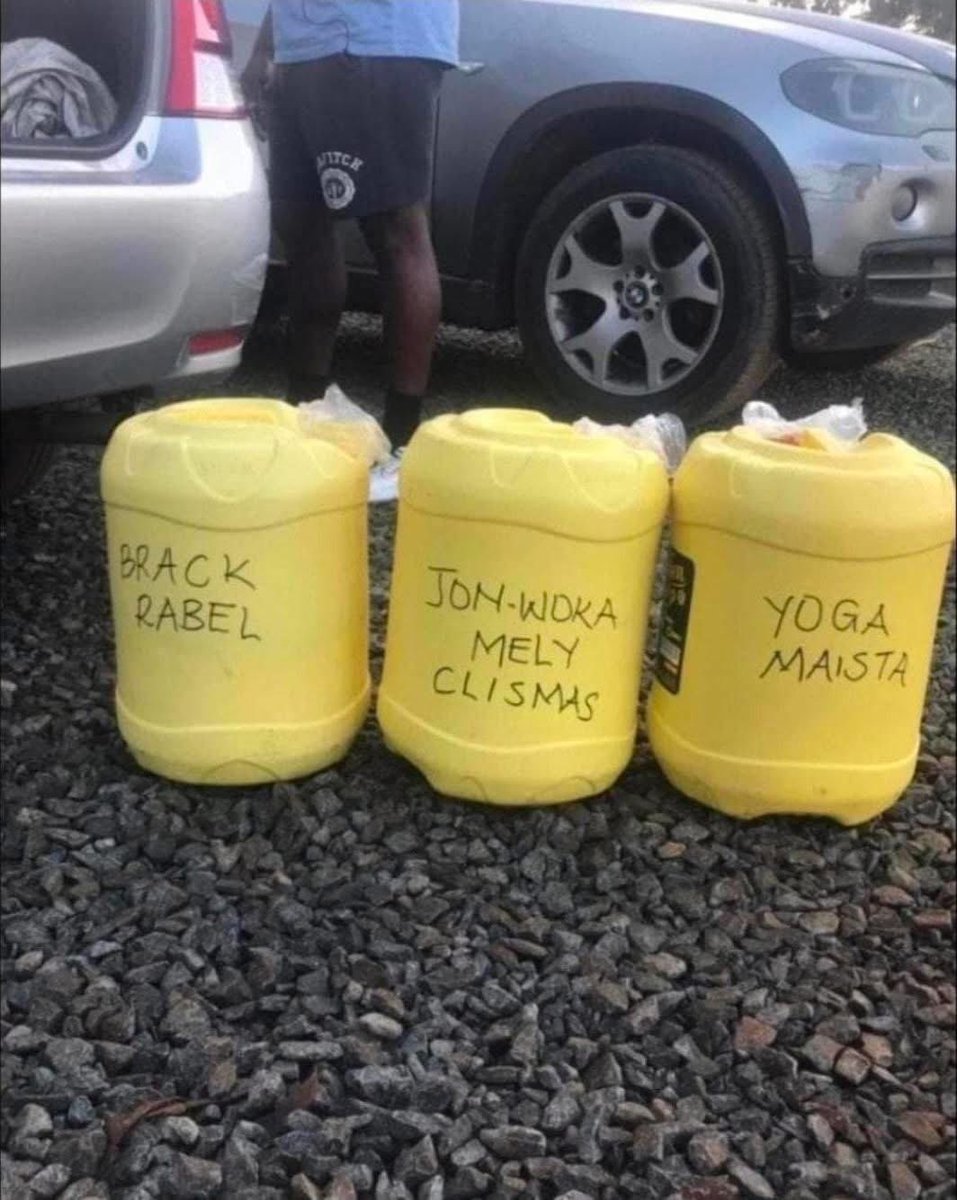
Mzinga ziko mob,
Na zetu si za Chrome,
Anaglia hizi form,
itisha za weekend
Wachana na akina Ken.
Hii ni ile mbogi kuu
Hapa na akina Pur
Ama unatambua Kur
Sema unatakaa aje
Tuchafua mzee dude.
🙌🙌😂😂😂
Merry Christmas.
#ZackMayul
The South Sudan National Bureau of Standards (SSNBS) has launched an essay competition for students, with two categories: continental and national. Winners will receive cash prizes—continental level: 1st place $1,000, 2nd $800, 3rd $500; South Sudan level: 1st $300, 2nd $200,
It's true, for one to be on top of the game in any country as a business person, make sure your name is in the good books of the state.
Mr. Femi made a grave mistake when he declined to fund Olusegun Obasanjo's campaigns who won presidency 2 weeks later. It took Femi audacity to get back to President Obasanjo's good side.
The only difference between Femi and Dangote is that, Femi Otedola discovered the value of having state on your side late something Aliko Dangote has mastered to the core. Doesn't matter who comes into power, you must know Aliko Dangote when you step into the state house. And that's not cheating.
You don't ask for sympathy from the state, it will notice you if you're doing well and you will be invited. Just don't step on the tails of state.
Hon. Adut is visiting everything, everyone and above all, she will be going door to door visiting all South Sudanese. I hope she will visit Dr. Riek if she is a change in that family .#ReviveSouthSudan#SSOX