A fast, idiomatic way to read, render, and write PDFs in Go.
Cgo binding over the battle-tested MuPDF C core — text extraction, table detection, rendering, and full document assembly, behind a small, Go-shaped API.
#golang
https://t.co/X879D38BwP
JUST IN: Announcing Zstandard in Rust
>> Trifecta Tech released libzstd-rs-sys, a pure-Rust zstd implementation for better portability, memory safety, and an independent open-source alternative to Meta's C library.
#rustlang#rust
Rust is becoming a versatile programming language... 🦀
Embedded? Rust.
Operating systems? Rust (see Redox OS).
System utilities? Rust (see sudo-rs).
Network servers? Rust + Tokio or Monoio.
Web APIs? Rust + Tokio + Axum.
Even frontends can be written in Rust (see Yew).
Advent of Code 2025: Day 1
Solved it in C++
It's a simple problem, so a perfect warm-up.
There's a bit of annoying modulus arithmetic. Unfortunately, my brain gave up on coming up with a clever formula, so I implemented the sloppiest naive solution eventually.
There's a life lesson here. When you don't build things to last, and constraints are not tight, getting done and moving on is the way to go. I have other plans for today, so I had to be pragmatic.
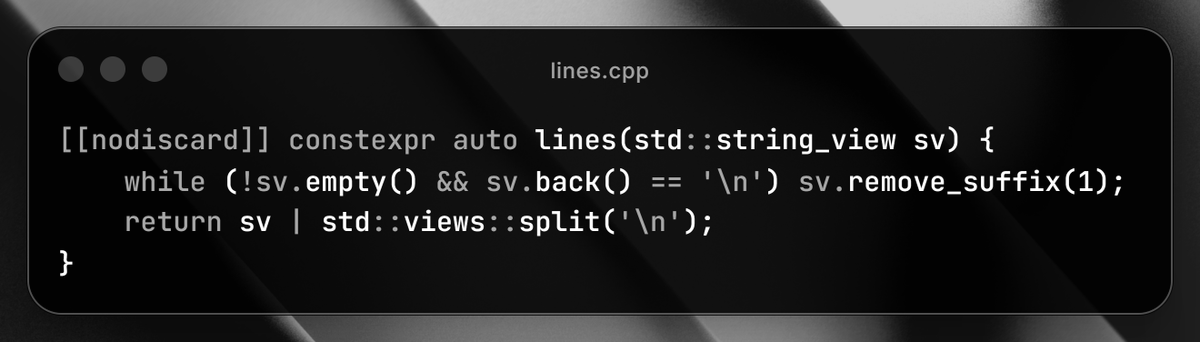
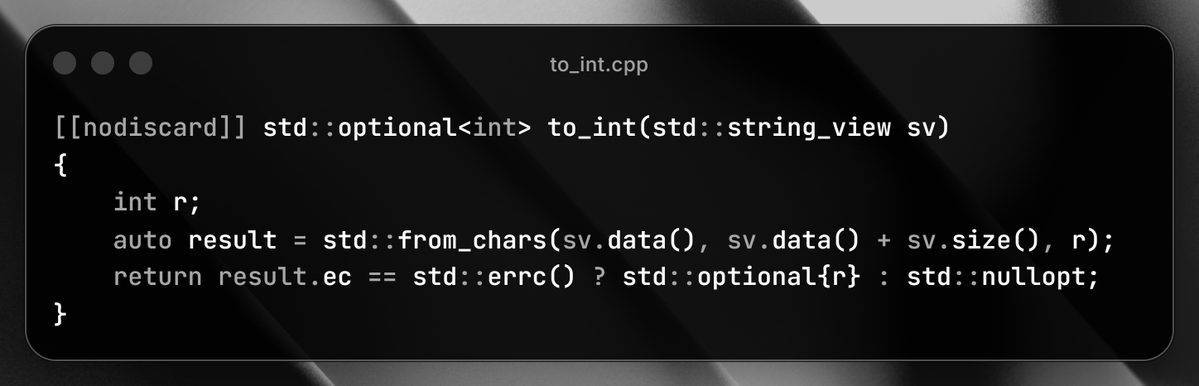
I like how, except for loading the entire file as std::string, the solution has zero heap allocations by using std::string_view, std::ranges, and std::optional.
Ideally, if the file is too big, you can even preallocate a 4096-byte buffer and read it in a streaming way in chunks. But this seemed like an overkill for this simple problem.
A few highlights
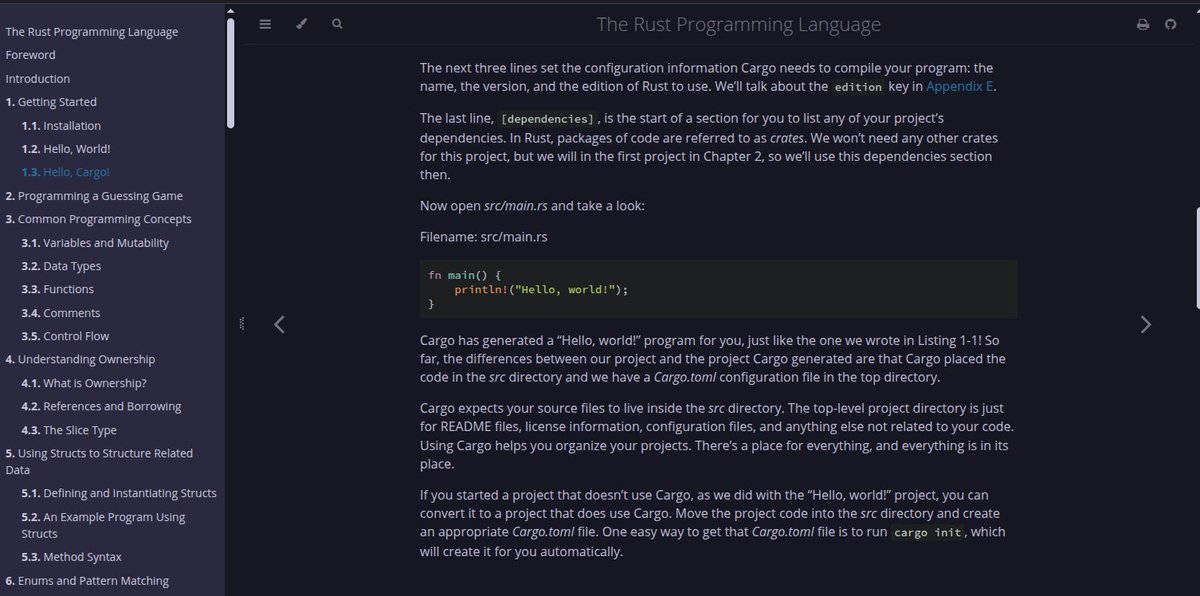
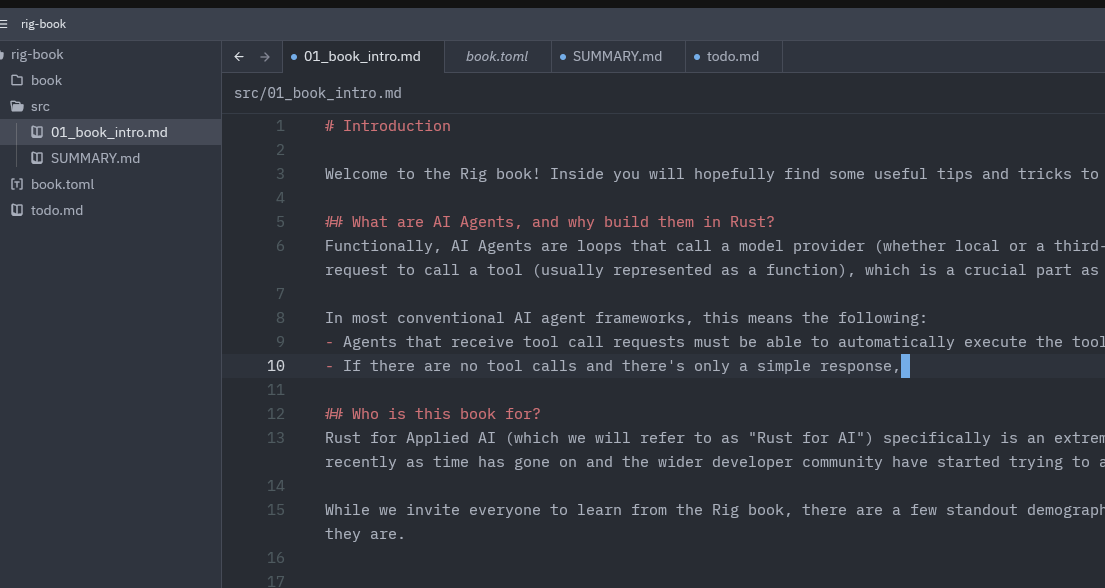
🧩mdBook: one of the awesome utility created by Rust lang team
> create online books from Markdown files
I was under impression that only Rust devs mostly use the mdbook. But today noticed few books outside Rust ecosystem
https://t.co/9ZElCxpDcP