In 1705, an Irish woman named Marjorie McCall fell gravely ill with a fever in Lurgan, Ireland. Believing she had died, her family hastily buried her to prevent the spread of contagion. Her husband, John McCall, a local physician, had been unable to remove her valuable ring because her finger was badly swollen — a detail that soon attracted the attention of grave robbers.
That same night, body snatchers dug up the fresh grave. Unable to pull the ring from her finger, they began cutting it off. The sudden flow of blood shocked the still-living Marjorie out of her deep coma. She sat upright in the coffin and screamed, terrifying the robbers, who fled and reportedly never returned to their grim trade.
Covered in dirt and still wearing her burial clothes, Marjorie climbed out of the grave and walked home. When she knocked on the door, her husband John, still in mourning, jokingly remarked that if his wife were alive, he would swear it was her at the door. Upon opening it and seeing Marjorie standing before him — alive, bleeding, and in her shroud — he collapsed from shock and died on the spot.
John McCall was later buried in the grave originally dug for his wife.
Marjorie survived the ordeal, eventually remarried, and had several children. When she died many years later, she was laid to rest in Shankill Cemetery in Lurgan. Her headstone famously reads:
“Lived Once, Buried Twice.”
The British breakfast had a kipper in it for about three hundred years.
A pair of split, salted, oak-smoked herring, brown as a cricket bat, served on a warm plate with a knob of butter melting into the flesh and a triangle of toast on the side. You ate it with your fingers if you were honest about it. The bones came out as you went. The room smelled of smoke until lunchtime.
In 1913 the herring fleet at Yarmouth landed 853 million fish in a single autumn season. The Scottish girls followed the boats down the coast, gutting and packing on the quay, hands wrapped in cloth against the salt. Every fishing port from Stornoway to Lowestoft had a smokehouse with the door propped open and a kipper drying inside.
A kipper carries roughly 250 IU of vitamin D, a complete dose of long-chain omega-3, B12 in concentrations no supplement attempts to match, selenium, iodine, and the kind of protein your grandmother considered breakfast.
The British herring fishery collapsed in the 1970s through overfishing by industrial trawlers. The smokehouses closed one by one through the 1980s. Craster still does it. Loch Fyne still does it. A handful of others. The supermarket sells a vacuum-packed orange fillet that has been dyed and warm-smoked in eight hours by a machine in Grimsby and tastes, accurately, of nothing.
A British child in 1950 could identify a kipper by smell alone from two streets away.
A British child in 2026 has, statistically, never eaten one.
The fish is back in the North Sea. The smokehouse at Craster is still there. Three days post, the house will smell faintly of it.
Worth it.
Canadian Doctors Try to Railroad Catholic Priest into 'Assisted Suicide' Over Broken Hip | Frank Bergman, Slay News
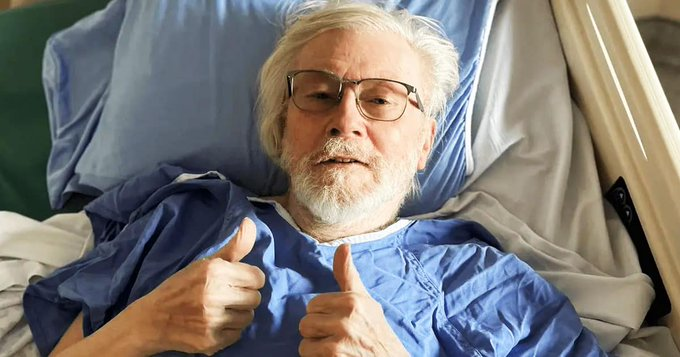
A Canadian Catholic priest is sounding the alarm after doctors tried to pressure him into “assisted suicide” twice while recovering from a broken hip in a hospital, despite him telling them that euthanasia goes against his beliefs.
Father Larry Holland, a 79-year-old priest from the Archdiocese of Vancouver, was horrified that Canadian government-sanctioned doctors attempted to railroad him into being euthanized, despite not being terminally ill.
The priest’s alarming story underscores growing concerns that Canada’s state-sanctioned assisted suicide program is spiraling far beyond its original limits.
Holland said he was “very shocked” after medical pushed so-called “Medical Assistance in Dying” (MAiD) as an “option” during his recovery from a hip fracture.
Priest Offered Death While Recovering, Not Dying
Holland broke his hip after falling on Christmas Day.
He is currently recovering at Vancouver General Hospital.
Holland emphasized that he was not dying at the time and had not been given a terminal diagnosis.
“There are some things you just don’t talk about to some people,” Holland said.
“I think I was very shocked.”
According to Holland, a doctor first introduced assisted suicide as an option if his recovery were to decline.
Even after he made clear his moral opposition, the topic was pushed again weeks later, even though he was recovering.
This time, a nurse described it as an act of “compassion,” despite the fact that Holland was perfectly healthy.
Holland rejected that characterization outright, calling euthanasia “a false compassion, really.”
He also noted the disturbing reality that staff were fully aware he was a Catholic priest when the option was raised.
“Temptation” and the Reality of Pressure
Holland acknowledged that even being offered euthanasia can create a moment of internal struggle.
“I could feel the temptation,” he said.
He called the feeling a “human reaction” since “We always look for the easy way out.”
But he warned that resisting such pressure ultimately strengthens individuals, adding that suffering can lead to growth and deeper purpose.
“It can motivate you, it can open up new worlds, new vistas, new opportunities,” he said.
Nevertheless, it’s easy to see how more vulnerable people could be pressured into ending their lives with a state-backed lethal injection.
Canada’s Expanding Euthanasia System Under Fire
The incident comes as Canada’s euthanasia program has rapidly expanded under the Liberal government, first introduced under former Prime Minister Justin Trudeau.
Now under Prime Minister Mark Carney, the program is rapidly sliding down the slippery slope.
Since legalization in 2016, assisted suicide has grown dramatically, with Canada now having one of the fastest-expanding euthanasia systems in the world.
The program is set to expand even further in 2027 under Bill C-7, allowing euthanasia for individuals suffering solely from mental illness.
Critics warn the system has already gone too far, with reports emerging of patients being offered assisted suicide in cases that appear to violate existing safeguards.
Church Leaders Sound Alarm on “Coercive” System
Father Larry Lynn, the Archdiocese of Vancouver’s pro-life chaplain, described Holland’s experience as deeply disturbing.
“This must surely be among the most appalling examples of Canada’s coercive and insensitive euthanasia regime,” Lynn said.
He warned that offering assisted suicide—especially to vulnerable patients—crosses a moral line.
“It places the medical practitioner into the role of the devil, tempting a vulnerable person into mortal sin,” he said.
Lynn also raised concerns about pro-euthanasia organizations attempting to normalize the practice even among religious communities, calling such efforts “diabolical.”
Faith-Based Healthcare Under Threat
The issue is now spilling into the courts, particularly in British Columbia, where Catholic healthcare providers are fighting to avoid being forced to offer euthanasia services.
The outcome of that legal battle could determine whether faith-based institutions are compelled to participate in assisted suicide against their beliefs.
Meanwhile, euthanasia has become one of the leading causes of death in Canada, ranking sixth overall, highlighting just how deeply embedded the practice has become.
For critics, Holland’s experience is not an isolated incident, but a warning sign of a system that is increasingly prioritizing death over care.
https://t.co/TYeNIdPbMI
Nursing in the 1970s – A World Away from Today.
Back then, we changed patients’ beds daily sometimes more if needs required. Fresh, crisp sheets weren’t a luxury; they actually made people feel better. There was something healing about climbing into a clean bed with properly tucked envelope corners. We knew all our patients by name and they knew ours. Doctors in white coats and nurses in uniforms. We knew who everyone was.
The ward looked welcoming. Vases of flowers from relatives and the local flower stand to the entrance of the hospital. adorned the bedsides. Families weren’t “visitors” to be tolerated, on the contrary they were welcomed, included, and often helped with little jobs. It felt like a community. Any problems, family would be 1st to spot and report.
Matron ruled the roost. You didn’t want a summons to her office. One look from her and you straightened your apron and your attitude. Standards were non-negotiable.
We turned bedridden or unconscious patients every two hours, religiously, to prevent pressure sores. No exceptions. Fluid balance charts hung at the end of every bed, constantly we encouraged patients to drink, recorded every sip, and took mouth care seriously. Basic care was never “basic”, it was fundamental.
Doctors sometimes prescribed a pint of Guinness for the anaemic or a sherry for the frail elderly. It worked wonders for appetite and morale. After acute illness, patients went to proper convalescent homes for a week or two by the sea. Fresh air, good food, gentle exercise. It prevented bed-blocking and got people home stronger.
Palliative care wasn’t a separate specialty it was woven into our training. We knew how to sit with the dying, hold a hand, ease discomfort. TLC wasn’t a slogan. It was our mantra.
We didn’t have fancy equipment or endless paperwork, but we had time for patients. We saw the person, not just the diagnosis.
So… what on earth went wrong?
How did we move from this to where basic care is sometimes rushed or non existent, relatives feel like a nuisance, and “turning” someone properly is squeezed between targets and tick-boxes? When did we lose the simple things that actually made people feel safe and cared for?
This is just the tip of an iceberg, I could go on. I’d love to hear from other nurses who trained or worked in that era. What do you remember most fondly?
#Nursing #1970s #OldSchoolNursing #TLC #PatientCare
Common sense prevails for once as a 75yr old lady who quietly stood near an abortion clinic offering conversation has had the case against her thrown out.
She was arrested and thrown in a cell under the SNPs "exclusion zones".
A supermarket has roughly 40,000 products.
Of these, fewer than 200 would have been recognised as food by your great-grandmother.
The other 39,800 are industrial chemistry products with food-adjacent flavouring.
The advice telling you which 200 to avoid is printed on the packaging of the other 39,800.
This is, in marketing terms, called a closed system.
You are inside it.
The exit is the perimeter of the shop. Meat. Eggs. Butter. Some vegetables.
Buy from the edges.
Walk past the middle.
The middle is not for you.
The middle is for the shareholders.
1900: The egg is described in nutrition texts as nature's most complete food. Doctors recommend it for invalids, infants, and the elderly. A growing child is given one or two a day. A working man eats four for breakfast.
1950: The egg is implicated in a hypothesis about cholesterol and heart disease. The hypothesis is unproven. The egg is told it must wait.
1968: The American Heart Association issues an official recommendation to limit egg consumption to three per week. The recommendation is based on a single observational study and the personal opinion of Ancel Keys.
1973: The first egg-substitute product is launched. It is composed of egg whites with added preservatives, gums, and synthetic colour. It is sold as the heart-healthy alternative to the egg, which has been on the human breakfast table for ten thousand years.
1980 to 2010: The British and American populations consume billions of fewer eggs per year than they did in 1950. Cardiovascular disease continues to rise. Obesity rises sharply. Type 2 diabetes triples.
2015: The United States Dietary Guidelines Advisory Committee, after reviewing the entirety of the available evidence, removes the recommendation to limit dietary cholesterol. The egg is, the committee states, no longer a nutrient of concern.
2025: The egg is back in fashion. The egg is on the breakfast menu of the trendy restaurant. The egg is in the protein-focused cookbook. The egg is in the influencer's morning routine.
During the fifty-five years the egg was banned, the egg did not change.
The egg has been the egg the entire time.
The advice has changed. The egg has not.
The advice was wrong. Nobody has apologised.
The grandmothers who kept feeding their grandchildren eggs through the entire 1980s, against the explicit advice of every health authority in the Western world, were correct.
The grandmothers should be on the committee.
Not all, but a concerning number of those who supported the Assisted Dying Bill, are really unpleasant people. Uncaring & petulant bullies with an unwillingness to listen to concerns over flaws in the Bill.
I'm really disappointed & chilled in the way they've behaved. We dodged a bullet, for now at least.
Kit Malthouse says the quiet part out loud - the sponsor of Kim Leadbeater's assisted suicide Bill suggests that legalising assisted suicide would save the NHS the cost of expensive treatment for dying people.
He maintains that current support for the terminally ill is "costing the taxpayer". The cat is well and truly out of the bag!
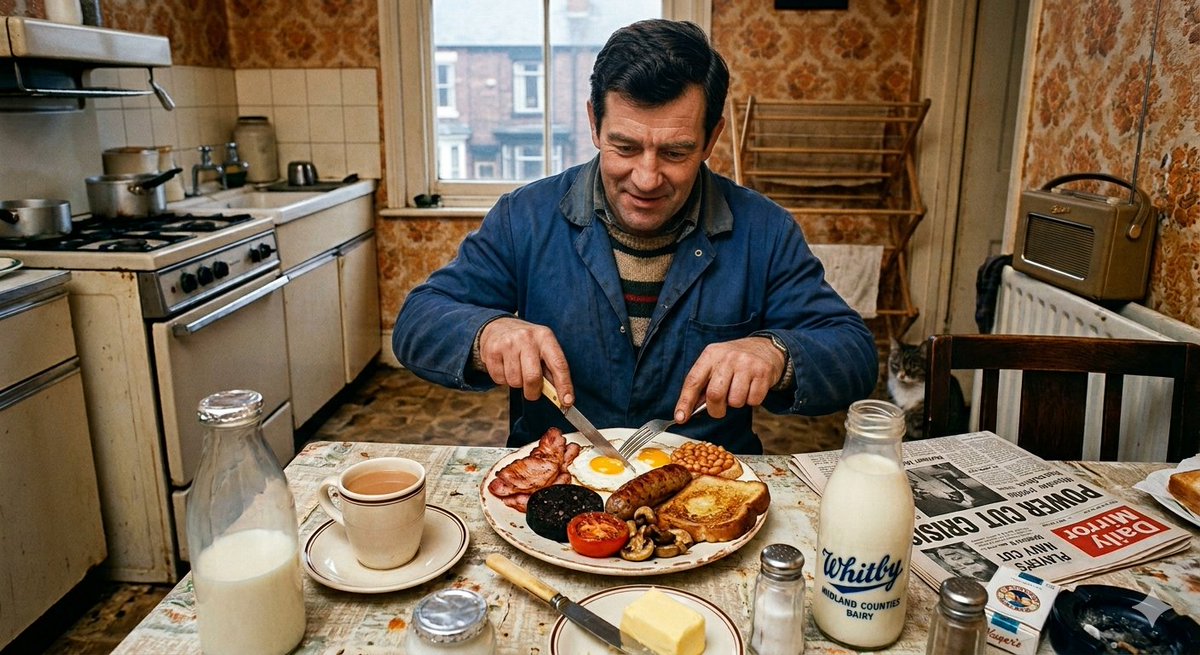
The standard British breakfast in 1970 went roughly as follows.
Bacon. Two or three rashers, fried in lard or in its own fat.
Eggs. Two, fried in the bacon fat.
Black pudding. A thick disc, fried alongside.
Sausage. Pork, from the butcher up the road, with a fat content the modern food regulations would now find concerning.
Fried bread. White bread, dropped into the pan after everything else came out, soaking up what was left.
A grilled tomato. A handful of mushrooms. Baked beans, occasionally, on a slice of toast.
Tea. Strong. With whole milk delivered that morning by the milkman in a glass bottle, the cream still on top.
This was the meal a man ate before doing eight hours of shift work in a factory, a mine, a foundry, a mill, or a building site. The same breakfast appeared in transport cafés from Glasgow to Plymouth. It was on the table of every B&B in the country. It was what a child got on a Saturday morning if his father was home.
The British adult obesity rate in 1970 was approximately 6%. Type 2 diabetes affected around 1% of the adult population. Cardiovascular disease was a leading cause of death, but the population dying of it was, on average, in their seventies.
The standard British breakfast in 2026 goes roughly as follows.
A bowl of cereal made from extruded wheat, sugar, and rapeseed oil.
Skimmed milk poured over it. Or oat milk containing rapeseed oil, calcium carbonate, and gellan gum.
A slice of toast from a Chorleywood loaf containing 21 ingredients, spread with a tub of "buttery" containing palm oil.
A coffee with semi-skimmed milk on the way to the train.
Eaten standing up. In nine minutes. Often half of it consumed in the car.
The British adult obesity rate is now 30%. Type 2 diabetes affects approximately 7% of adults and is the fastest-growing chronic condition in the country. Cardiovascular disease still kills more people than anything else, and it is killing them, on average, in their sixties.
The bacon did not do it.
The bacon was on the plate the whole time.
Here's a list of health-related facts that you've probably not been told.
-You have a higher chance of being gay if your mom was hypothyroid during pregnancy.
-40g of dark chocolate can reduce menstrual pain as effectively as 400 mg ibuprofen.
-Colostrum is 3 times more effective than the flu vaccine.
-Being insulin resistant 2X your risk for depression.
-A single bout of RT or HIIT can increase levels of anti-cancer myokines and reduce the growth of MDA-MB-231 cells in vitro in survivors of breast cancer, potentially contributing to a lower risk of recurrence.
-Vitamin E therapy prevents hyperoxaluria-induced calcium oxalate crystal deposition in the kidney by improving renal tissue antioxidant status.
-CoQ10 levels in hyperthyroid patients were found among the lowest detected in human diseases.
-Lithium appears to be protective against aluminum toxicity in neurons.
-Creatine loading can increase DHT by 56% after 7 day and 40% if 5-10 grams are used after.
-When it comes to exercise a 2022 study saw the lowest risk of mortality at 150-300 min/week of leisurely vigorous physical activity, 300-600 min/week of leisurely moderate physical activity or a combination of both.
-There's a chance that we could achieve a COVID mortality rate pretty close to zero if everyone had a vitamin D level >50 ng/mL. Yes, zero.
-Vitamin D, A, B9 and zinc intake were lower in regions with the highest COVID-19 incidence and mortality.
-Choline is crucial for proper brain development and gestational choline deficiency in animals leads to lifelong cognitive deficits.
-Zinc at just 25mg can reduce depression by half and lower cortisol by up to 70% at 50mg.
-In rats, taurine protects their thyroid from fluoride exposure.
-Dietary vitamin B6 and vitamin E are associated with decreased odds of periodontitis.
-1–2 mg/day of elemental lithium (as lithium orotate or from mineral water) cuts suicide rates by up to 80% in high-lithium regions and reduces dementia progression in RCTs at 5 mg/day.
-Children with autism and/or ADHD seem to have impaired B6 utilization.
-High methionine, low folate and low vitamin B6/B12 (HM-LF-LV) diet causes neurodegeneration and subsequent short-term memory loss.
-Allithiamine can not only alleviate hyperglycaemia-induced endothelial dysfunction, but also reduce the level of advanced glycation end-products (AGEs).
-Rosemary can also reduce the level of advanced glycation end-products (AGEs).
-Astragalus supports mitochondria by scavenging harmful free radicals, reducing lipid peroxidation, increasing glutathione levels and it boosts endurance by 127% in mice.
-Vitamin D dose-dependently reduces symptoms of depression.
-Cannabis is cooking your brain and testicles (CBD can be helpful though).
-Beta-caryophyllene (found in cloves and black pepper) increases salivary testosterone levels by 16%.
-Taurine is an essential neuromodulator during cortical development.
-Niacinamide can reduce plaque buildup in the brain and NMN improves insulin resistance.
-Children with autism often can not utilize folate properly due to genetic impairments.
-Not consuming enough B vitamins literally shrinks parts of the brain (especially B12).
-B1 is crucial for gut motility and stimulating digestive enzymes.
-High dose inositol (12–18 g/day) has antidepressant efficacy equal to SSRIs in multiple RCTs, with almost zero side effects.
-A copper:zinc imbalance (high Cu/low Zn) is found in A LOT of cases of postpartum depression and violent behavior in teens.
-10,800 FU of nattokinase per day showed significant reductions in atherosclerosis progression.
-Patients who passed away from COVID had low iron, vitamin B12 and vitamin D while also having high HbA1c.
-200 mg of vitamin C and 500 µg of B12 per day improve blood pressure, blood flow and reduce arterial thickness.
-Vitamin C lowers cortisol by up to 40% in some cases, increases oxytocin, supports cardiovascular health, increases dopamine and lowers prolactin.
-300 mg/day of ubiquinol (active CoQ10) reduces migraine frequency by up to 50–60%.
-Thiamine (B1) at high doses (up to 1.5 grams) cuts fatigue nearly in half in patients with MS.
-The first 27 longest living humans in history are women, and 80% of people over the age of 100 are women
-Plasma donation and blood donation have been seen to decrease the amount of forever chemicals in firefighters.
-Muscle androgen receptor density predicts muscle growth from resistance training far better than circulating levels of hormones
-PQQ seems good for elderly individuals with mild cognitive impairment.
-20 g/day of creatine loading + 5 g maintenance for 8 weeks cuts pain by 50% and fatigue by 60% in several small RCTs for fibromyalgia.
-High prolactin and low thyroid hormones are common in MDD.
-300 mg/day of ubiquinol cut cardiac death by 43% and total mortality by 42% over 2 years in patients with moderate to severe heart failure.
-High doses of biotin can lower blood sugar by half in diabetics and increase testosterone quite a lot (even by 3X).
-Vitamin C therapy might in fact increase the survival rate across all types of cancers by up to 4X.
-Vitamin A improves A LOT of symptoms of autism.
-Not getting enough selenium is so problematic that people with a baseline serum selenium concentration below approximately 106 ng/mL (within the low-normal range) had significant reductions in total cancer mortality and incidence of lung, colorectal and prostate cancers when supplemented with 200 µg/day of selenium.
-Separating fats and carbs in meals can minimize the simultaneous availability of both substrates, reducing competition and potentially improving glucose clearance.
-High dose riboflavin (400mg) works for up to 70% of migraineurs within 6 weeks.
-Vitamin A is superior to steroids for masculinization before 12y.o.
-10–15 g of glycine at night can improve insulin sensitivity the next day by even up to 50%.
-Men taking 600 mg/day of CoQ10 for 12 months reported a 113.7% increase in sperm concentration and a 104.8% increase in progressive motility.
-A single 20 g dose of creatine almost completely negates the cognitive decline from 24–36 hours of sleep loss.
-I can make you insane by changing your gut microbiome.
-Morning sunlight reduces the length of hospitalization in bipolar disorder.
-Religious people live longer.
-Higher vitamin B1, B6 intakes and plasma pyridoxal-phosphate are associated with lower risk of mortality up to 10 years.
-NAC + Glycine has been shown to expand lifespan in mice by more than 20%.
-Taurine has been shown to expand lifespan by 10% in male mice and 12% in female ones.
-At the end of a chromosome, there are these protective caps called telomeres and the consumption of bee products showed an increase of over 0.25kbp in just a year.
-Urolithin A is more effective than most of the supplements promoted for "anti-ageing" purposes.
-Group sports extend life expectancy and being a cardio freak (marathon maxing for no reason (run a marathon 1/year if it's for charity for example) shortens it).
-B12 supports ptp-3 and helps maintain good cognitive function in centenarians.
-Biomarker differences between centenarians and diseased populations include:
1. Metallothionein
2. Good 03:06 ratio
3. Glutathione
4. SOD
5. IL-6 (low)
6. TNF-a (low)
7. Uric acid (low)
-People who die by su*cide (but also have traits such as hostility(*)) tend to have modestly lower serum total/LDL cholesterol.
But lowering cholesterol with statins does not increase suicidal behavior.
So the proposed theory for this association remains that neuroinflammation changes lipid metabolism and results in these lower circulating cholesterol levels.
(*) patients with borderline personality disorder often have lower baseline fasting serum cholesterol levels compared to patients with other personality disorders.
-Eating breakfast is linked to lower suic*de rates
-A meatless diet increases the frequency of depressive episodes.
-When doctors say that depression is caused by low serotonin, they probably mean that it's caused by high quinolinic acid (its production outpaces its clearance, to be exact).
-Autism spectrum disorder seems to be the outcome of mitochondrial dysfunction during neurodevelopment.
-Magnesium intake is inversely associated with coronary artery calcification, with the risk being lowest at 450 mg/d of magnesium.
-Green tea enhances the skin anti-aging effects of red light.
-Giving hospitalized COVID-19 patients 30,000 IU of vitamin D daily for 3 days reduced their risk of death by 67%.
-Taking ibuprofen for more than 60 days in a year makes men twice as likely to experience infertility.
-66.5% of bankruptcies in the US are due to medical bills.
-Mold exposure can lower the IQ of children by 10 points.
-Vitamin D deficiency is linked to 60% higher odds of depression.
-Nattokinase can reverse carotid artery plaque by 36% at 10,800FU (taken over a year).
-Bright night light exposure is independently associated with type 2 diabetes.
-SSRIs can suppress melatonin by almost 50% under normal light conditions.
-Extending sleep by just 1.2 hours "offsets" 300 extra calories.
-The more you increase sodium fluoride, the dumber kids become.
-Exercise (aerobic) is more effective than SSRIS.
-It might sound weird, but onion juice is actually effective for alopecia aerata.
-Exercising 4 hours after reading something improves retention.
-Creatine is an underrated supplement for lowering triglycerides.
-Negative air ions (think being outside in nature) reduce depression by 50%.
-Thinking that depression is a response to inflammation might be correct in a lot of cases.
-By taking 600mg of NAC twice a day during flu season you might drop your chances of getting sick by up to 50% (note, NAC taken for weeks on end will deplete copper and harm some of the biofilms of beneficial gut bacteria)
-240mg twice daily of Fernblock may reduce the risk of sunburn by 400% and UV damage by over 300%.
-Bile treatment improves psoriasis.
-Using a smartphone for 60 minutes a day lowers fertility and testosterone quite a lot.
-Vapes can contain up to 20 times more lead than cigarettes.
-Laughter reduces cortisol levels by up to 37%.
-Vitamin K is associated with a reduced risk of cardiovascular, cancer, or all-cause mortality.
-Gingerol and shogaol in ginger enhance insulin sensitivity by increasing GLUT4 expression and inhibiting intestinal glucose absorption.
-Chromium enhances insulin receptor activity by improving the binding of insulin to its receptors and supporting glucose metabolism.
-Myo-inositol acts as a second messenger in insulin signaling pathways, improving insulin receptor function and glucose uptake.
-Fiber reduces postprandial glucose spikes.
-Fasting induces FGF21.
-93% of chronic fatigue syndrome patients had mycotoxins in their urine.
-Glyphosate was found in the sperm of 60% of infertile men in France (in the US a bit over 80% of the population have traces in their bodies).
-About 90% of people with fibromyalgia show elevated levels of mold-related toxins in their blood or urine.
-A higher 4-PA/PLP ratio (the marker of vitamin B6 turnover/catabolism) might be one of the strongest independent predictors of all-cause mortality in type 2 diabetics.
-One hour of chopping wood (with an axe) raises salivary testosterone by 48.6%.
-Two quite underrated yet effective tools when it comes to dealing with a candida overgrowth are undecylenic acid and baicalein.
-Tyrosine hydroxylase (the enzyme that converts tyrosine) can't function properly without thiamine pyrophosphate (TPP) as a cofactor.
-Lactoferrin (apolactoferrin might be even more powerful) helps against Covid quite a lot and is an underatted tool for lowering VC.
-630+808nm of RLT 2x/week for 6 weeks reduced abdominal fat by 4-5 cm in all participants without diet or exercise in a study.
-Quercetin and EGCG are zinc ionophores (they facilitate the transport of zinc into cells).
Hydroxychloroquine and ivermectin are also promoted that are zinc inophones in the alternative health spaces but that's not true.
-Giving 300mg of CoQ10 in fibromyalgia patients for 40 days led to 53% decrease in total symptom score.
-Taurine enhances IRS-1 tyrosine phosphorylation and reduces serine phosphorylation.
-Cold exposure activates BAT, which increases glucose uptake and fatty acid oxidation.
-A 25-year study of nearly 30,000 Swedish women found that avoiding sun exposure was a major risk factor for all-cause mortality (similar in magnitude to smoking). -The first time skin cancer was induced in mice was with a lamp that emitted UVC.
-Testosterone increases punishment of unfair behavior.
-Low creatine in the prefrontal cortex is associated with depression.
-A zinc deficiency does in fact harm androgens quite a lot.
-EGCG before doing cardio improves IR sensitivity by activating AMPK and reducing oxidative stress, promoting GLUT4 translocation.
-HIIT increases GLUT4 translocation.
-Light walking (15 minutes) after meals enhances GLUT4 translocation and glucose uptake in skeletal muscle, independent of insulin.
-Hypothyroidism impairs the activation and retention of riboflavin (and maybe iron, vitamin B12, folate, vitamin D, magnesium and copper as well).
*Thyroid hormones are necessary to regulate the enzymatic conversion of riboflavin (vitamin B2) into its active coenzyme forms: flavin mononucleotide (FMN) and flavin adenine dinucleotide (FAD).
-Each 0.5 mEq/L lower baseline serum potassium (within the normal range (3.5–5.5 mEq/L)) was associated with a roughly 45% higher incidence for type 2 diabetes in people who were not on diuretics and had normal potassium at baseline.
-This might sound weird or dumb, but lemon peels can actually help reduce cortisol.
-When you are trying to learn something new for the first time. Write it down.
Handwriting activates far more elaborate and widespread brain connectivity patterns, specifically in the theta and alpha frequency bands, compared to typing on a keyboard.
(*) Theta waves (around 3.5–7.5 Hz) are critical for working memory, processing new information, and learning.
(**) Alpha waves (around 8–12.5 Hz) are associated with focus, attention, and long-term memory formation.
-Believe it or not, the mere presence of a smartphone, even if it is turned off and out of sight in a bag or pocket, significantly reduces a person's cognitive capacity available for complex tasks.
-People with tattoos show a 29% elevated melanoma risk and a 21% lymphoma risk.
-Testosterone's anti-anxiety and analgesic effects may be due in part to actions of its 5alpha-reduced metabolites in the hippocampus.
-Our stomach pH looks like scavengers, not carnivores (the very high acidity in humans and scavengers serves the purpose of killing the high levels of bacteria and pathogens typically found in decaying meat, which was likely an important part of the early human diet during periods of scavenging).
-The fatty acid composition of membranes MIGHT be one of the determining factors of maximum life span.
-Intermittent fasting can increase the abundance of beneficial bacteria, such as members of the Lactobacillaceae, Bacteroidaceae and Prevotellaceae, but it's far preferable to skip dinner than it is to skip breakfast (unless you have sleep issues that are related to cortisol/poor glycogen storage etc).
-Levothyroxine users (T4) had a 50% higher adjusted odds ratio for cancer at any site compared with non-users.
Now, we need to note that this was an observational study and that pre-existing thyroid conditions independently alter cancer risk.
But, it makes some sense since T4 is significantly more potent than T3 at activating the pro-oncogenic signals via the αvβ3 integrin receptor (like the ERK1/2 pathway).
Using high doses of T3 can have its own problems (especially if you use it for no real reason), but it does not seem to impact cancer risk nearly as much.
-Zinc supplementation increased the rate of wound healing by 3X in healthy young people and supplementation in a group of people aged 55-87 resulted in about 2/3 fewer infections than placebo.
-People with serum magnesium above the median had 42% lower risk of sudden cardiac death and correcting magnesium deficiency may prevent atherosclerosis.
-Subclinical atherosclerosis is linked to small intestinal bacterial overgrowth via vitamin K2-dependent mechanisms.
-SIBO-positive patients have a significantly higher prevalence of dyslipidemia (54% vs 29% in SIBO-negative) and metabolic syndrome.
-Taurine supplementation improves several cardiometabolic risk factors.
-Oral supplementation with L. reuteri (NCIMB 30242) increases vitamin D levels, reduces LDL-C by 11.64% and apoB-100 by 8.41% relative to placebo.
-Excess aldosterone can contribute to androgenetic alopecia.
-Urolithin A enhances vitamin D receptor signaling
-Melatonin and vitamin E seem quite effective for atopic dermatitis
-A high dietary intake of vitamin C (≥ 75 mg/d) was found to have a statistically significant impact on reducing the risk of AD.
-The brain consumes about 20% of the body's oxygen despite comprising only 2% of body weight, leading to high production of reactive oxygen species (ROS) during energy metabolism.
BUT, antioxidant supplements often fail in trials and supporting the Nrf2 pathway seems to be preferable.
-Decreased lipoprotein (a) and serum high-sensitivity C-reactive protein levels in male patients with atherosclerosis after supplementation with ginger.
For more cool facts: https://t.co/NaiHjpohF8
Breaking News🇬🇧: "UK energy prices is SEVEN times more expensive than China and FOUR times more than America, how can we compete on a world stage at these prices?
We are floating on a North Sea full of oil and gas...madness. We are told that it's a declining basin but the Norwegians are drilling like Billyo".
From the once prosperous city of Aberdeen Scotland, Reform Scotland Leader Malcolm Offord torches the lunacy of the 'net-zero' zealots from the SNP, Labour, Greens, Libs and Tories for destroying Scotland and the UK's energy infrastructure.
@reformparty_uk@TiceRichard@Malcolm_Offord
“Water, soil, and oxygen should not be infinitely accessible. They are assets that should be included in global economic balance sheets.”
This is not satire. The World Economic Forum wants to monetise breathing.
This man is a dangerous lunatic and shouldn't be anywhere near government.
If he is not stopped he will destroy every last shred of manufacturing in the UK and plunge us all into darkness.