Woman of the Day Susan Auld born OTD in 1915 in Tynemouth, the first Englishwoman to graduate as a naval architect and co-designer of the light landing craft that were key to getting Allied soldiers onto the beaches on D-Day.
It wasn’t all Susan designed to support the war effort but the landing craft were revolutionary.
Tyneside has a proud tradition of shipbuilding. Very few women were employed in the industry but Susan was born into a family of naval engineers. Her grandfather founded what became Swan Hunter and after becoming the first woman to be awarded a degree in naval architecture from Durham University in 1936, Susan joined the design office of what was then Swan Hunter & Wigham Richardson at the Neptune yard in Wallsend.
Susan was a key member of the design team for the battleship HMS Anson launched on 24 February 1940. It was equipped with anti-aircraft guns, fire-control radar, a double-ended catapult and two Supermarine Walrus seaplanes. It escorted nine Atlantic Convoys by 1943 and in August 1945 made its own little bit of history when the surrender of Japanese forces occupying Hong Kong was accepted by the Rear Admiral onboard the Anson.
In 1942, the Woman Engineer, the house journal of the Women’s Engineering Society, noted that "Lloyd's List of 25th February contained news of the only woman ship designer in the country. She is Miss S. M. Denham Christie…and that she had recently been admitted as an Associate Member of the North East Coast Institution of Engineers and Shipbuilders.”
But back to those landing craft. I always thought they looked like floating skips but they were much more sophisticated than that.
Landing troops, vehicles, guns, rockets and supplies on the Normandy beaches in huge numbers was a logistical challenge. It required a landing craft capable of getting closer to the shore than deep-draft warships could. They had to be able to carry vehicles too and those vehicles needed to roll off onto the beach so they wouldn’t plunge into the water. That meant they had to open up from the front. You can't unload vehicles with an aft or side ramp or they’d just sink.
Operation Overlord comprised 4,126 landing ships and craft – 3,261 of which were British - 736 auxiliary ships and craft, and 864 merchant ships. And of course, those floating skips. Susan helped to design them and hundreds of them were built at Hebburn just outside Jarrow.
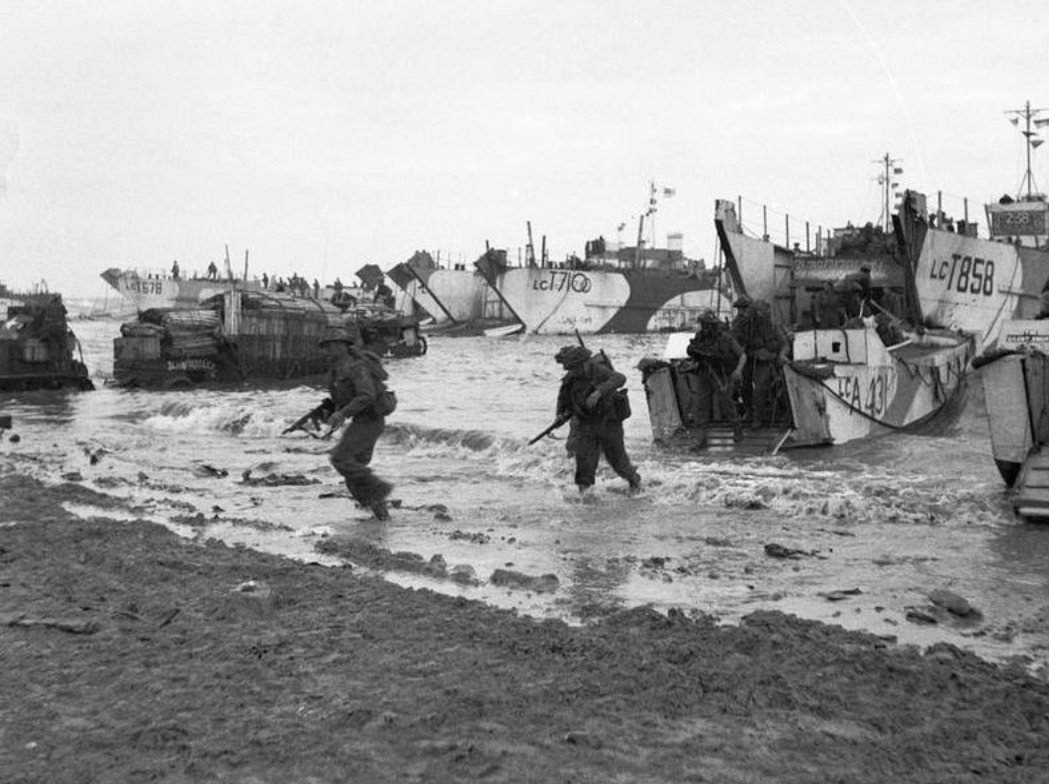
I’ve included a photo of them below so you can see what they looked like. Without them, the Allies could not have landed nearly 160,000 soldiers - including nearly 60,000 of our own - on Utah, Omaha, Gold, Juno and Sword.
Post-war, Susan carried on with her work as a naval architect. She helped to design the aircraft carrier HMS Albion launched in 1947 which saw service during the Suez Crisis in 1956, but she mainly focused on commercial and cargo shipbuilding. She was instrumental in the design of the TS Leda, the twice-weekly North Sea ferry between Newcastle upon Tyne and Norway.
Susan died in 2002, aged 87.
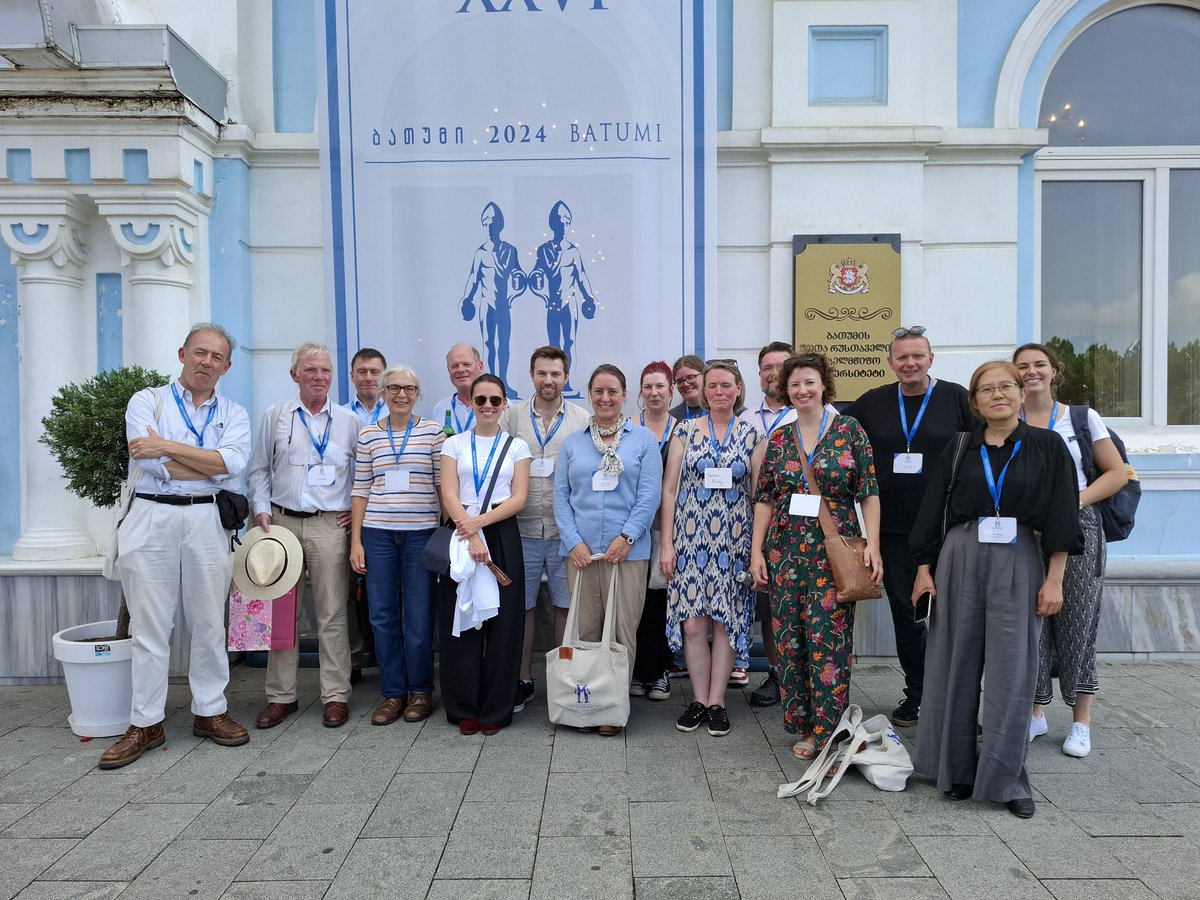
@ArchaeologyNCL group photo at #Limescongress2024 in Batumi, Georgia. Look at all the happy faces (& maybe partially melted archaeologists)! Thanks to Simon Sulk for photography
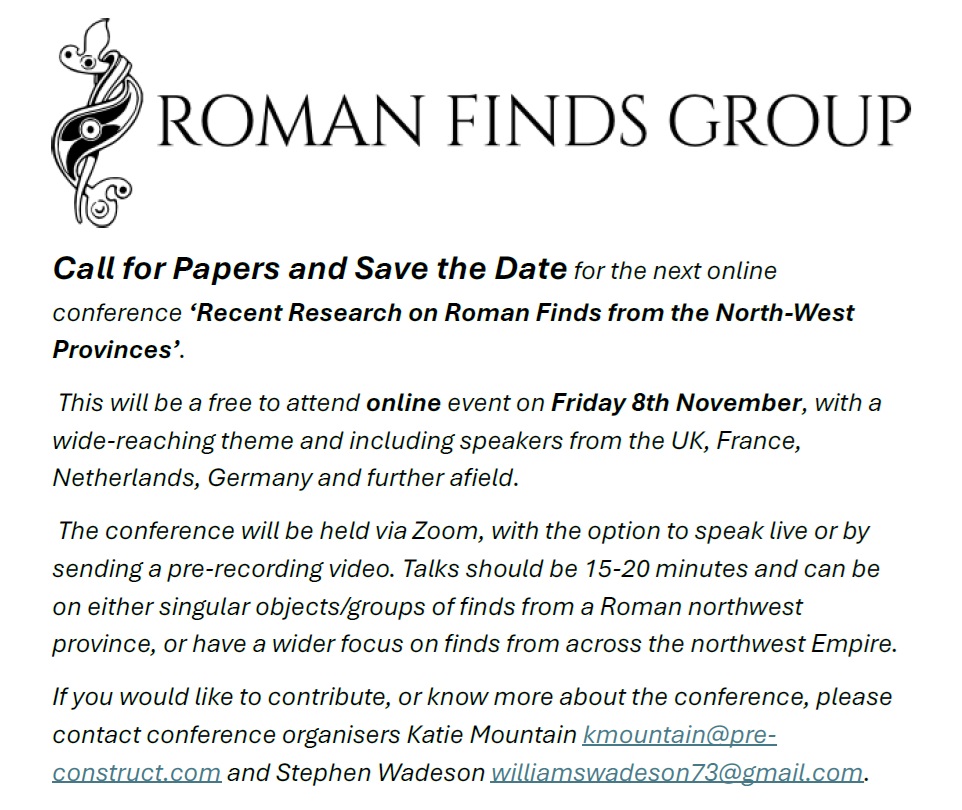
Call for Papers for the next online conference ‘Recent Research on Roman Finds from the North-West Provinces’. A free online event on Friday 8th November.
To contribute, or know more Katie Mountain [email protected] and Stephen Wadeson [email protected].
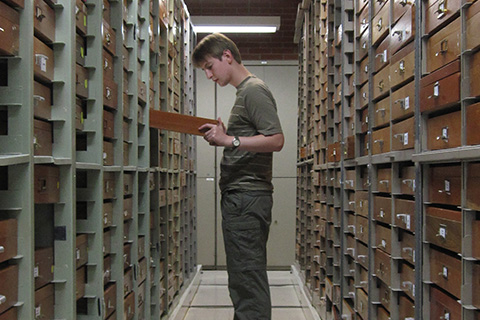
Archives are an integral part of the archaeological process, but how do we balance keeping valuable archaeological data with the need for sustainability?
Join our live panel discussion next week where we'll address the question: are archives in crisis?
https://t.co/8yeX6I6XBC
How do you research History when you're no longer at University? With the help of you folks, I compiled this list. Happy researching.
(Plus! Bonus picture of my sister's cat looking utterly happy to be exactly where he is in the preview picture.)
https://t.co/qlkf8W8jlA
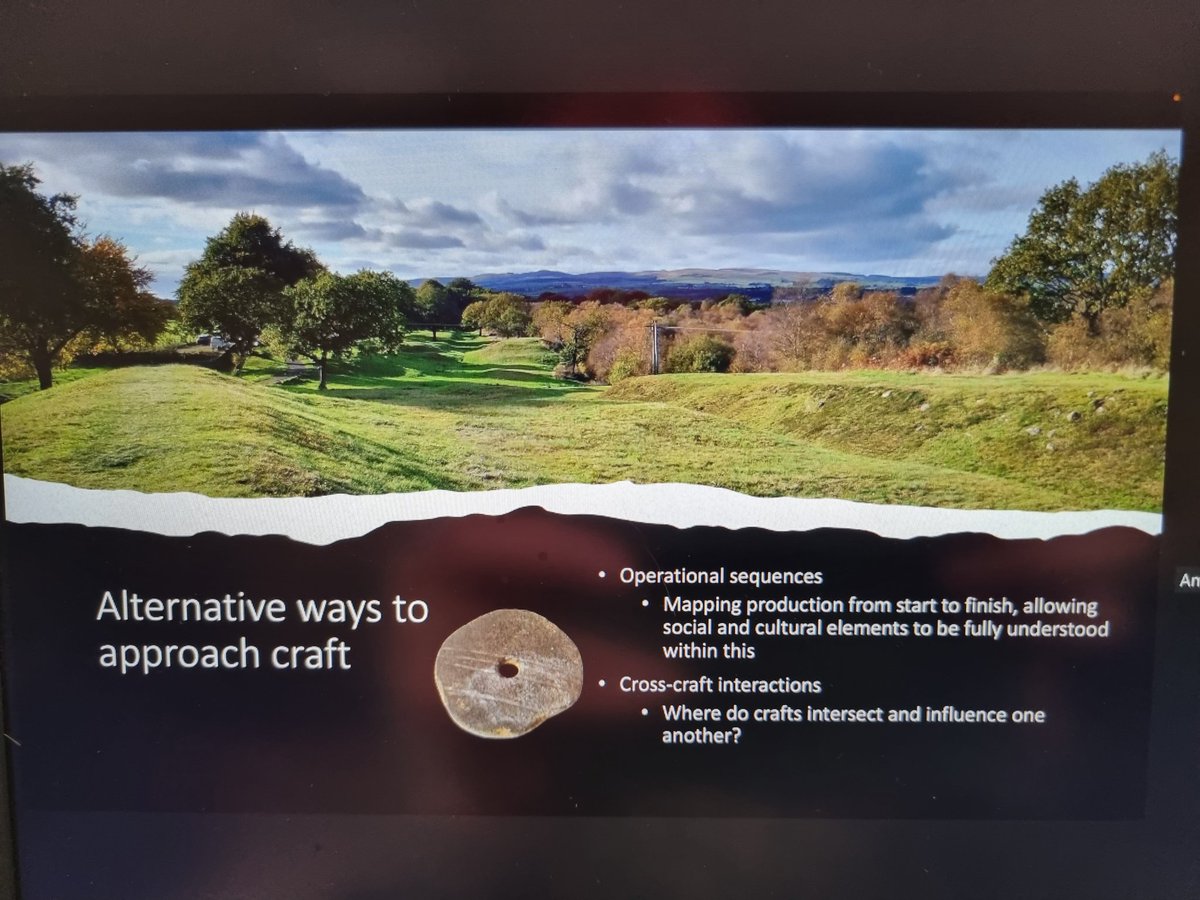
The pupils from Goldenhill Primary School & @GUARD_Archaeol joined forces to give the Antonine Wall Base some TLC.
Head over to our LinkedIn article & find out how they ensured the site will still be here for future generations! 👇
#WorldHeritageDay
https://t.co/2uvGTVqgOT
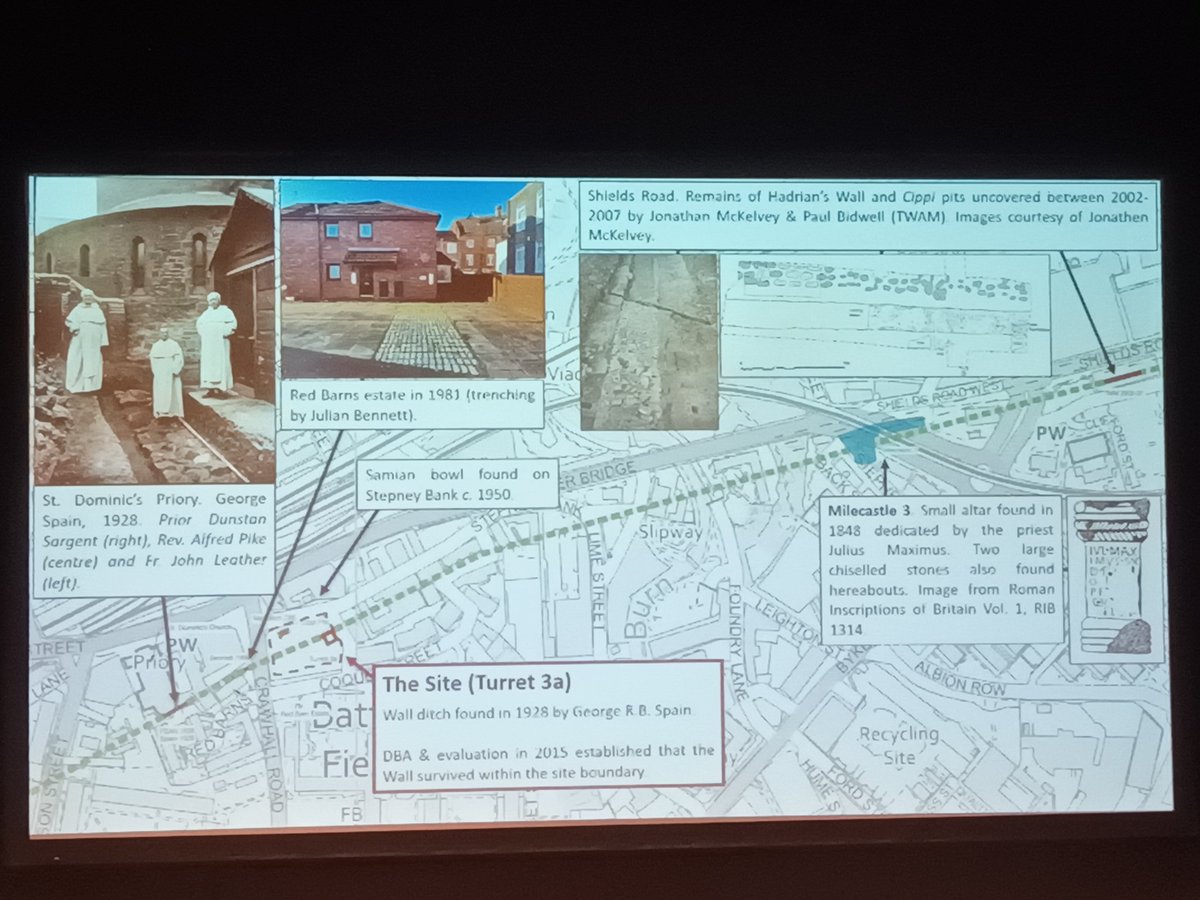
Looking forward to a great day of papers at todays Hadrian's Wall Archaeology Forum. First off is @mountain_kt from @PCAarchaeology telling us about their exciting work at Turret 3a in the Ouseburn
Call for Papers: 'Cursed Objects in Museum Shops',
3d July. Deadline for abstracts: 8th April.
In partnership with @CursedObjectsUK we are running a symposium on the kitsch, questionable and complex things you find in museum shops.
For more details: https://t.co/6P13wdzAuy
The deadline for the Call for Papers for #EAA2024 is fast approaching (8 Feb).
There are several fantastic #romanpottery sessions lined up including this one 👇 organised by SGRP members.
Visit our website for more details: https://t.co/tI8Xl3ngH7
Tis the season: my 2023 Classics Christmas Gift Guide is out! Download the pdf from my website for clickable links: but I'll post the pages below for easy browsing! #SaturnaliaShop
https://t.co/sYolzXJoTC
Reminder: The Eventbrite (free attendance) for the North-East Research Showcase, Newcastle Society of Antiquaries is now open! Presentations (15-20 mins) on Archaeology, Heritage and History. Tyneside Cinema, 24th November, 18:00-20:00 https://t.co/Z9ZWv609uZ..
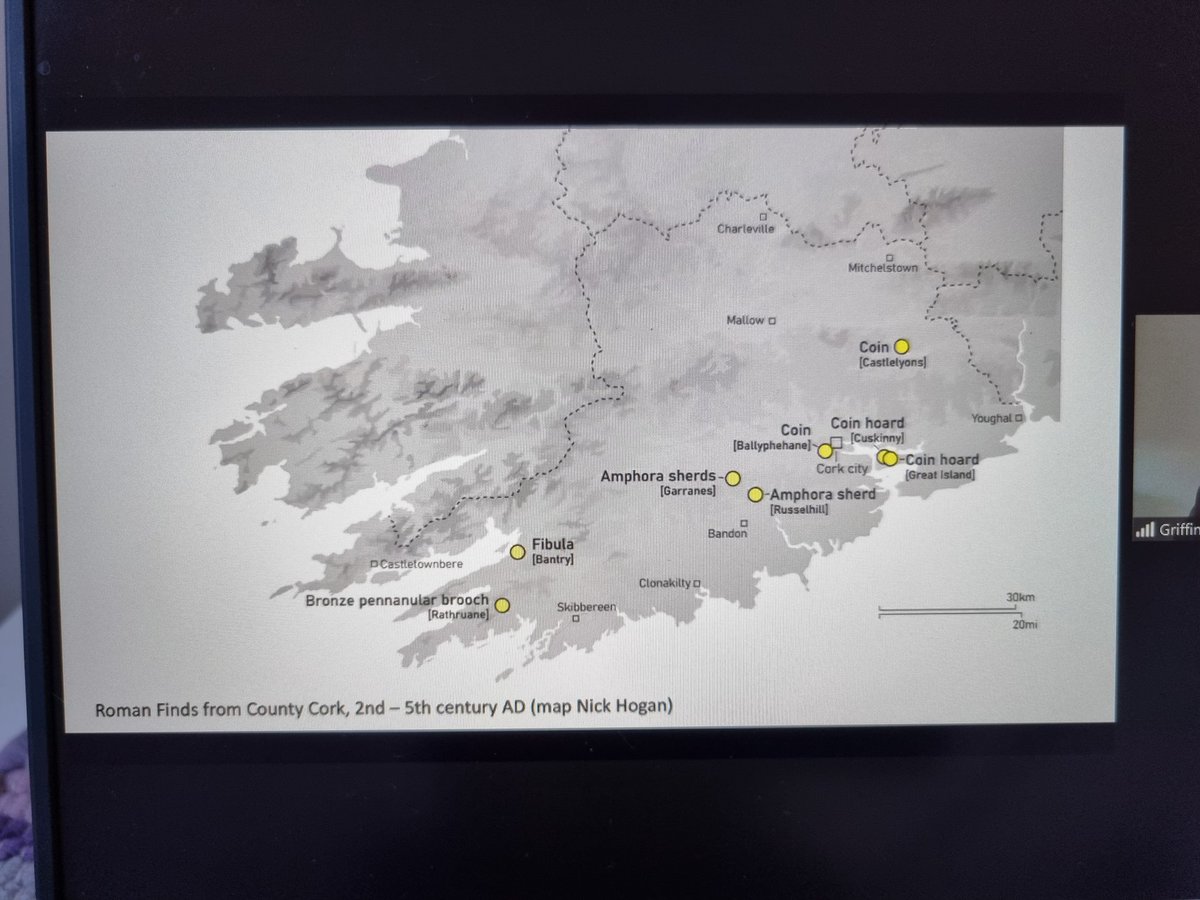
Distribution of Roman finds in Cork, with a cluster around Cork Harbour. Might be few, but definitely Roman! Some of the finds are on display at the Cork & The Roman World exhibition @RomanFindsGrp