Navy Vet. SpEd teacher. "Desert Rat/Dirt Mechanic". Geologist by trade at one point. "Profile pic" is my Dad in Nuremberg, as a guard during those trials.
Every chef has an origin story. For many of ours, it started in a home kitchen—watching, tasting, and learning from the person who first taught them that feeding someone is an act of love. Before they were feeding thousands, they were being fed by one. (1/2)
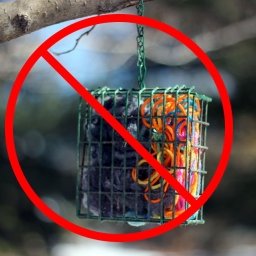
The dryer lint advice you see all over Pinterest is actively bad for birds.
It sounds nice, save the lint, leave it in the yard, watch the birds use it for nests.
But Audubon, US Fish & Wildlife, the Cornell Lab, and most wildlife rehabbers all advise against it now, and the reasons add up fast.
Lint loses its structure when it gets wet. A nest lined with dryer lint holds up fine in dry weather, but the first heavy rain collapses the whole nest.
Eggs and chicks fall through the nest and likely don't survive.
Lint also carries with it the chemical signature of your laundry. Detergent residue, fabric softener, dryer sheet compounds, fragrance oils, and dye all end up concentrated in the fibers you're pulling out of the trap.
Even "free and clear" detergents leave trace chemicals that are fine on adult human skin but rough on a 4-gram baby bird.
Lint is mostly microplastic. Most modern clothing is polyester, nylon, acrylic, or some blend. The lint trap collects shredded synthetic fibers. Lining a nest with that is lining a nest with plastic.
Sadly, this folksy bird advice from a decade ago hasn't aged well. The new advice is closer to: provide nothing artificial, and let the natural materials in your yard do the work.
If you look closely above the hives or zoom in you can see the air thick with bees. The bee guy just dropped them off (which is why they’re agitated) to pollinate the watermelons across the road from the orchard. They’ll probably enjoy some clover from the orchard too.
NO NO NO NO NO 💔
An Australian company has launched a rare earths mining project just outside Joshua Tree National Park in critically endangered desert tortoise habitat, an area the company’s director refers to as an “emerging heavy rare earth district.”https://t.co/dRVgGtAucI
I splurged on a birthday present for myself. When I moved to California in 1991, and fell in love with Yosemite, and the Sierra and began mountaineering in the high peaks, of course I soon discovered the legend who is Norman Clyde.
If you are unfamiliar with Clyde, he was a pioneering rockclimber and mountaineer, who wandered in the Sierra for over 50 years and logged 126 first ascents. He was also an accomplished naturalist and photographer, read books in several languages, and helped with many search and rescue missions.
Like me, Clyde truly loved the Sierra and relished wandering alone and visiting his mountain friends. I think of him often when I am in the high country, as we share an affinity for, as he wrote, “the stillness, solitude, and seclusion" of the High Sierra. He was simply put, a great man.
I have been watching for a signed first edition of this book for some time. Only 200 exist. I cannot wait to reread this text in the original book--a book that Clyde handled when he signed. Truly, a connection to another time.