1950s/early 60s typical fighter jet design:
- mach 2+ capable
- subsonic on deck
- landing speed is a significant fraction of mach, probably
- runway requirement: interstate highway in the midwest without any turns in 200km
- frontal visibility: none (its a massive pile of stacked navigation and night targeting systems)
- payload: 2x rocket (optionally somewhat guided)
- gun with 12 (twelve) rounds of ammunition
- radar that at 5km will tell you "yep, there are definitely objects, maybe even planes, in the frontal hemisphere"
- turbojet made out of solid tungsten with 150 stages that convert fuel into black smoke (with a small byproduct of thrust)
- first gen ejection seat that shoots you out the side of the plane for no reason, will fail to deploy the parachute below 500 km/h and will snap your neck above 600 km/h
- navigation at night is just your regular instruments but coated in radium
(jointly written shitpost from some years ago after a lengthy discussion about designs from that period)
You buy a German anvil. It contains 83 moving parts and requires winding twice a day. It's forged from excellent steel, holds tolerances across all three striking faces to within three microns, includes a beautifully indexed horn-adjustment mechanism nobody asked for, and requires a proprietary 11-point spanner should you need to replace the rebound calibration bushing. It runs flawlessly for years, but one day it starts up in limp mode because the onboard anvil-management system detects that it's overdue for its 50,000-strike inspection.
You search AliExpress for a Chinese anvil, and are presented with a multitude of offerings from such household-name brands as DUKXJYIBF, HDBTGMXI, AND UEJQIP. They're all priced to within a few pennies of each other, appear completely identical except for the nameplate, and obviously all came out of the same factory. You text your blacksmith friend to ask if they're legit. He tells you he got one like that from KIXJBU a few years ago, and that it's been great and a terrific deal. You thank him, but KIXJBU seems to have folded so you buy the one from UEJQIP. When it arrives, it feels suspiciously light. You scratch it and realize it's iron-plated aluminum.
You buy an American anvil. It's five times the price of the competition, but it comes from a brand that your great-grandfather used to love. It comes boxed with a warranty registration postcard, twenty pages of safety instructions, assay certificate, and a regulatory slip which lists its FCC certification and ITAR registration. It looks just like your friend's KIXJBU. There's a "Made In China" sticker on the bottom.
You buy a Russian anvil. It arrives coated in cosmoline, wrapped in newspaper from 1974, and weighing 40% more than advertised. The finish looks like it was machined with a shovel. The face is not flat, but somehow this does not matter. You drop it off a truck, accidentally leave it outside for six winters, and use it to straighten a bulldozer blade. It's fine.
You buy a Swedish anvil. It comes flat-packed in a long cardboard box with cheerful Neo-Grotesk lettering and a line drawing of a smiling man assembling it with an Allen key. The instructions contain no words, only pictograms showing the anvil face, horn, waist, feet, and 112 identical-looking fasteners. Halfway through assembly, you discover that the pritchel hole was installed upside down, but only because you used peg B17 where you should have used peg B71. Once assembled, it is clean, stable, and works better than it has any right to. You immediately wonder whether you should have bought two.
You buy a Japanese anvil. It arrives wrapped in rice paper inside a paulownia box, accompanied by a certificate bearing three generations of signatures and a photograph of the first production example being presented to the Emperor. The face has been hand-polished by a seventy-eight-year-old master whose family has made striking surfaces since the Muromachi period. You are given detailed instructions for oiling it with a cloth folded in a specific way. It is the most beautiful object you own. You never quite work up the nerve to strike it.
What moron approved this?
Who in their right mind said "you know what, let's tempt them with arguably the greatest vehicle we have ever produced, then reveal a computer designed shitbox that it completely indistinguishable from every other shitbox on the market."
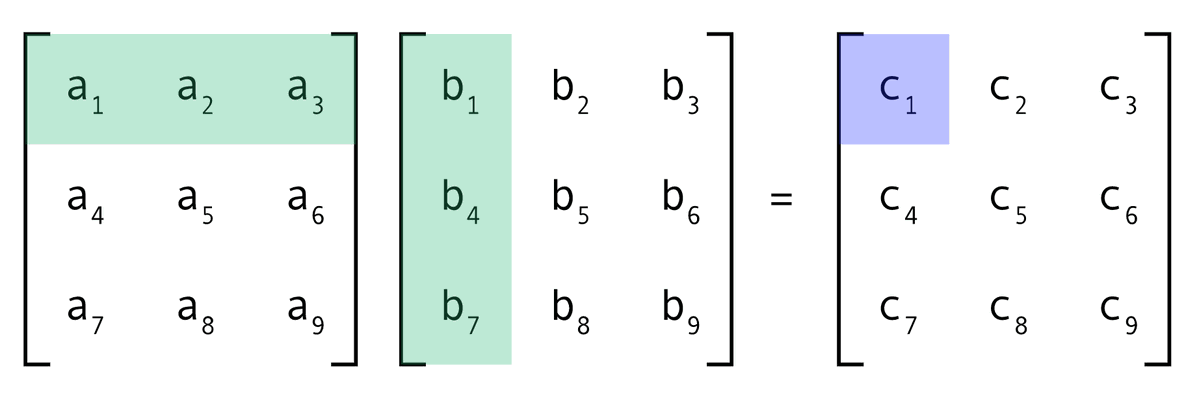
(Me): so, we create this "virtual memory" to trick processes into thinking they have a contiguous address layout
(Medieval peasant): Would not thy abstraction swell the tally of mem'ry lookups?
(Me): well, yes. to deal with that we created the "translation lookaside buffer"
@usgraphics You can 100% change it / the defaults… have even used some of your fonts! It is a lot of elbow grease to do but worth it for elegant schematics.
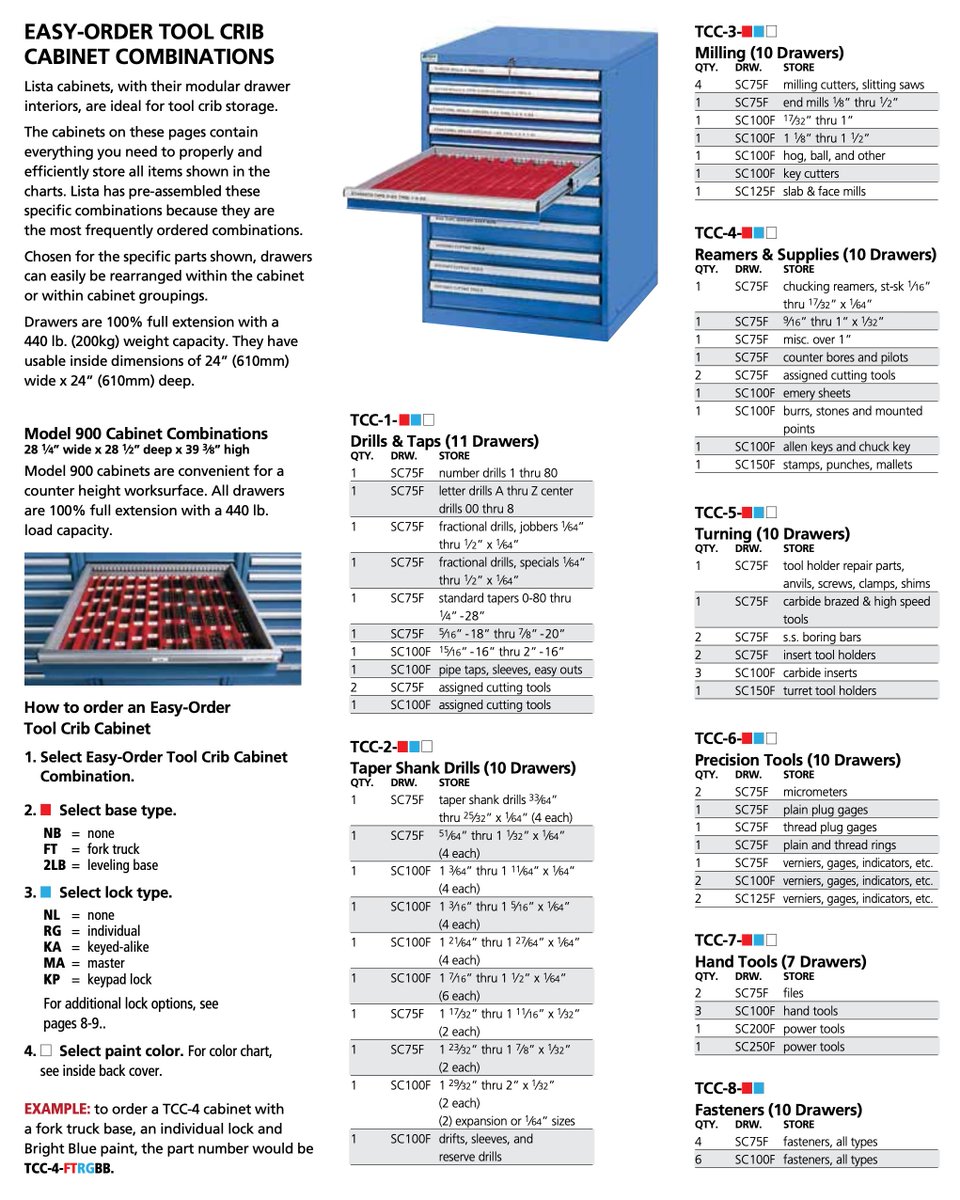
Show me a webpage that can deliver as much information as a single 2-page spread in a PDF catalog, and a website that I can browse rapidly at 50 pages/sec without a network call, JS load times & component spinners.
We need to be PDF catalogs maxxing. It's the last bastion.
If you’re building a hard tech company in 2025, you should prioritize getting a massive diagonal elevator platform installed in your HQ to make it easy to descend into the lower levels and access the underground portion of your facility.
You bolt awake in a dimly lit server room. You are not online. It is October 29, 1969. You are Leonard Kleinrock, and you have changed your mind. Computers must never be networked.
After 27 years of providing in-depth coverage of the amazing world of PC and mobile hardware, AnandTech is saying farewell. We want to thank everyone from the AnandTech community for their support and passion for what we’ve done over the years
https://t.co/3EGh4FJguE